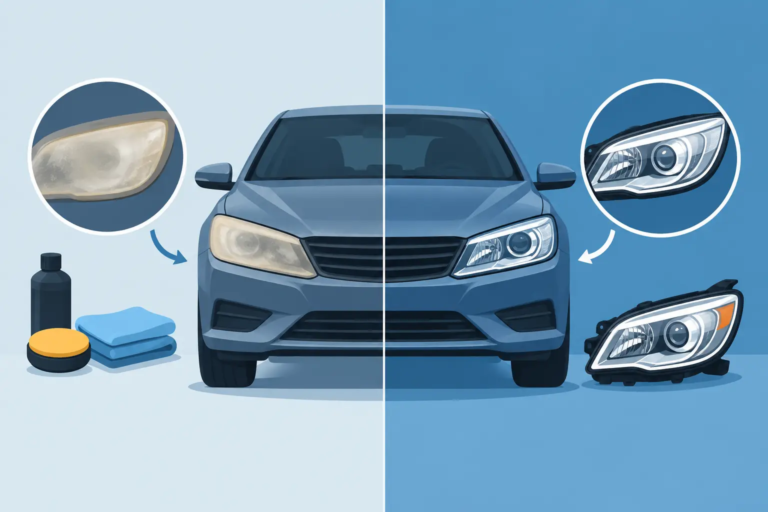
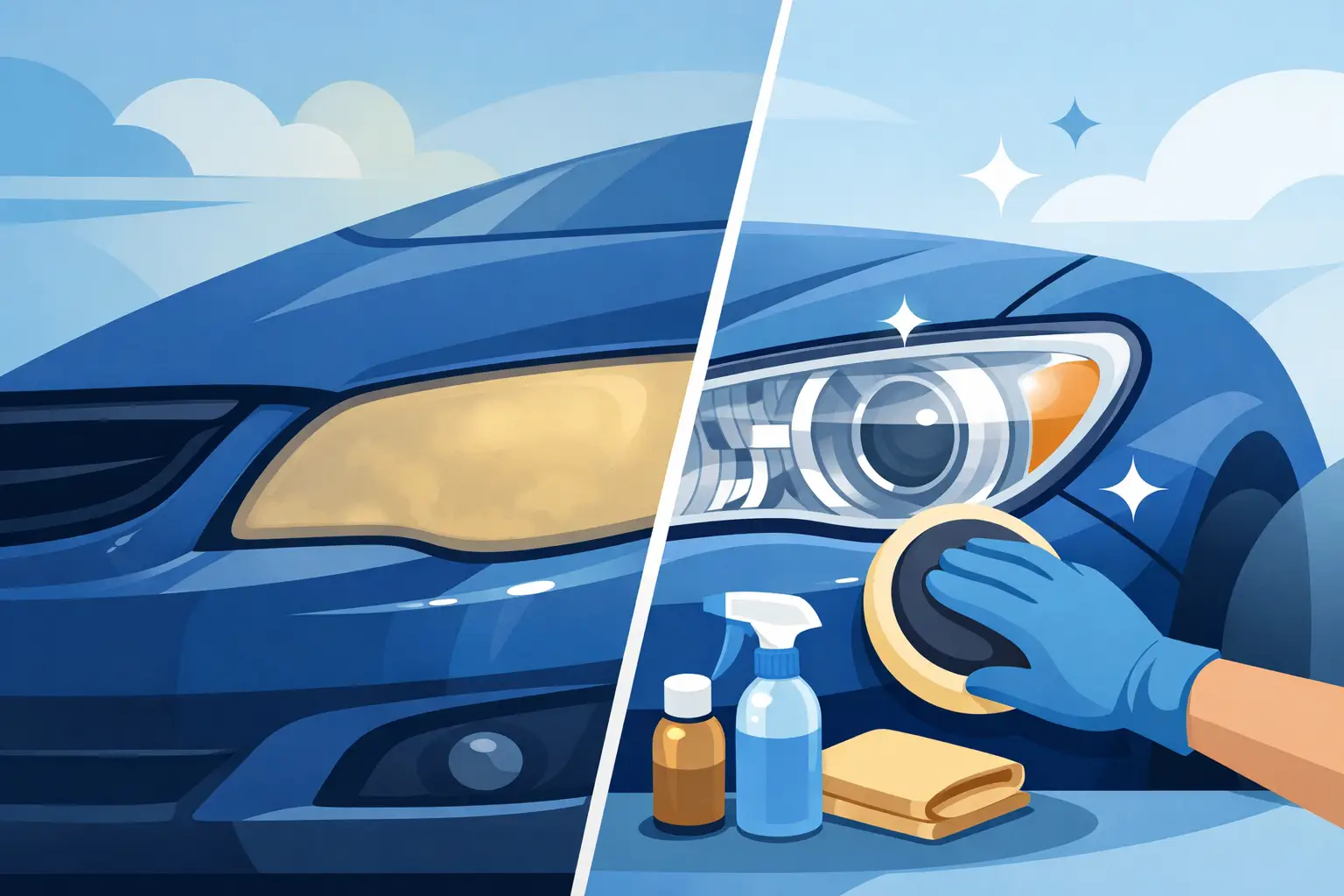
If your headlights look foggy in the parking lot or throw a weak, yellow beam on a North Texas back road, it is time to fix cloudy yellow headlights before they become a safety problem. This is not just a cosmetic issue. Oxidized headlights cut visibility, make your vehicle look older, and can even make a well-maintained car seem neglected.
Around Denton, Plano, Frisco, McKinney, Lewisville, and Carrollton, sun exposure does a number on headlight lenses. Most modern headlights are made from polycarbonate plastic, not glass. That plastic is tough, but it is not immune to UV damage, road grime, car wash abrasion, and heat. Over time, the clear surface breaks down. What starts as a little haze turns into a yellow, dull finish that scatters light instead of projecting it where you need it.
Why headlights turn cloudy and yellow
The short version is oxidation. Manufacturers apply a protective clear coating to the plastic lens. Once that coating wears down, the surface starts reacting to sunlight and the environment. The result is the cloudy, chalky, sometimes yellow look drivers know too well.
In North Texas, the process tends to move faster because vehicles spend long hours in direct sun and high heat. Add dust, road debris, and repeated washing, and the lens surface gets rougher over time. That roughness is what diffuses the light beam and makes nighttime driving harder than it should be.
There is also a practical point many drivers miss. If the lens is only dirty, a wash helps. If it is oxidized, soap will not solve it. To properly fix cloudy yellow headlights, you have to remove the damaged outer layer and restore protection to the lens.
Can you fix cloudy yellow headlights yourself?
Sometimes, yes. Sometimes, no.
If the haze is light and the lens still feels mostly smooth, a DIY headlight restoration kit can improve the look and brightness. These kits usually include sanding pads, polish, and some kind of sealant or coating. When used carefully, they can remove surface oxidation and bring back clarity.
But there is a trade-off. A quick DIY job often looks good for a short time and fades fast if the lens is not properly sealed afterward. That is why some drivers feel like they fixed the problem, only to see the cloudiness return a few months later. The real restoration is not just polishing the lens. It is restoring the surface and protecting it from further UV damage.
If the lens is heavily yellowed, has deep pitting, or has already been polished multiple times, DIY results can be inconsistent. The beam may still be weak even if the lens looks a little better. For work vehicles, family vehicles, or anything driven regularly at night, this is where professional restoration usually makes more sense.
How to fix cloudy yellow headlights at home
If you want to try it yourself, the process matters more than the product name on the box.
Start by washing and drying the headlight area thoroughly. Tape off the paint and trim around the lens so you do not scratch nearby surfaces. Then use the abrasives included in a restoration kit, usually moving from a coarser grit to a finer one. The goal is to remove the oxidized top layer evenly, not grind aggressively in one spot.
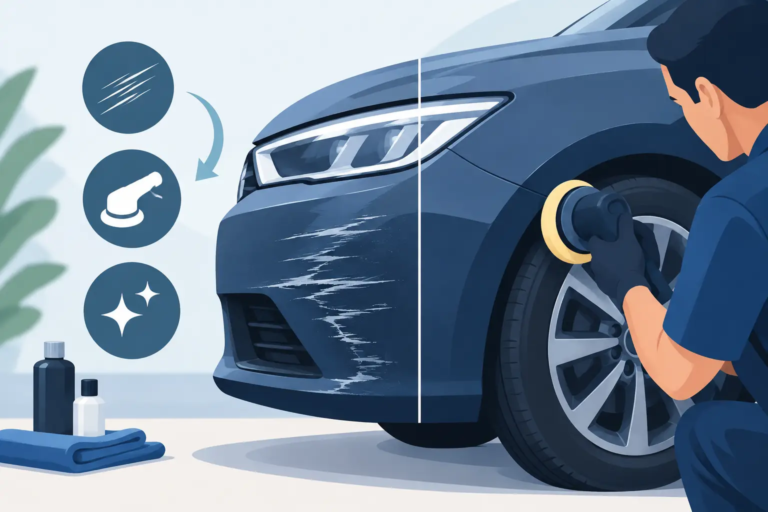
After sanding, the lens will often look worse before it looks better. That is normal. The next step is polishing, which smooths the surface and restores clarity. After that, apply the supplied UV protectant or sealant exactly as directed. Skip that step, and the oxidation usually comes back much sooner.
A few things trip people up. Rushing the sanding stage leaves uneven patches. Using household compounds not meant for headlights can create a temporary shine without real restoration. And old DIY tricks like toothpaste may make the lens feel cleaner, but they are not a serious fix for oxidation.
If you decide to go this route, set realistic expectations. A careful DIY repair can be a decent short-term solution for mild oxidation. It is not always the best answer for older lenses, severe discoloration, or vehicles that need dependable nighttime visibility.
When professional headlight restoration is the better move
The best time to call a specialist is when the headlights are more than lightly hazy, when you do not want to risk damaging the lens, or when you simply need the job done right without spending your afternoon on trial and error.
Professional restoration goes beyond making the headlights look cleaner. The work is focused on restoring usable clarity and preserving the lens so the result lasts. That matters for daily drivers, family SUVs, work trucks, school vehicles, and fleet units that cannot afford downtime or uneven results.
It also matters if you have already tried a store-bought kit and the haze came back. That usually means the protective finish was not properly restored, or the damage had progressed further than it looked. In those cases, repeating the same process with another kit often leads to the same disappointment.
For local drivers, mobile service makes this even easier. Instead of losing time in a waiting room or dropping off a vehicle for cosmetic work, the repair can often be handled where the vehicle already is. That convenience is a big deal for busy families and fleet managers alike.
What kind of results should you expect?
A proper headlight restoration should improve both appearance and performance. The lens should look clearer, less yellow, and more consistent from edge to edge. More importantly, the light output should be stronger and less scattered.
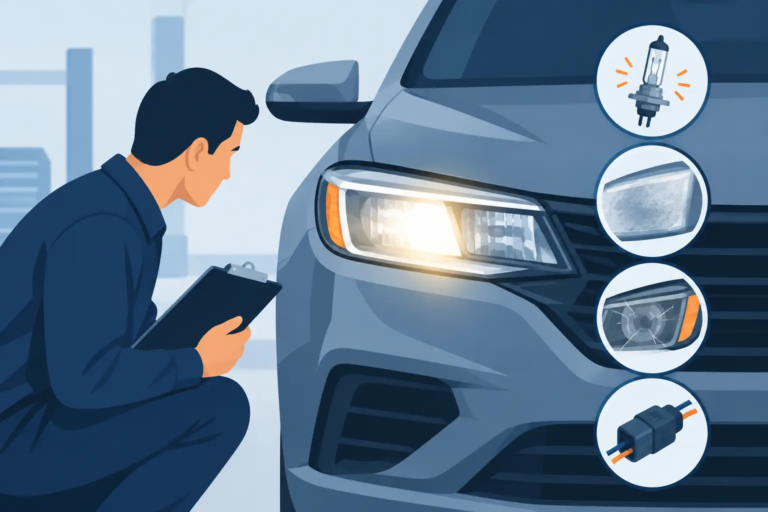
That said, not every headlight can be restored to like-new condition. It depends on age, damage, and whether the lens has internal issues. If the clouding is inside the housing, if there are cracks, or if the plastic is badly deteriorated, restoration has limits. A trustworthy specialist should tell you where repair makes sense and where replacement is the better call.
This is one place where experience matters. General shops may jump straight to replacement because it is simpler for them. A repair specialist looks at whether the existing component can be saved first. That approach usually saves money and avoids unnecessary replacement when the lens is still a good candidate for restoration.
How long does headlight restoration last?
It depends on the process and the protection applied afterward. A rushed buffing job may improve the look briefly but wear off fast. A more complete restoration with proper UV protection lasts longer and gives you better value.
Vehicle storage also matters. Cars parked outside every day in direct sun will usually show wear sooner than garage-kept vehicles. Frequent highway driving, abrasive washes, and neglected upkeep can shorten the life of the finish as well.
The good news is that catching oxidation early helps. If you restore headlights before they become heavily yellowed and rough, you usually get a better outcome and preserve more of the original lens.
A smart choice for families and fleets
For families, cloudy headlights are a safety issue first. If a teen driver, spouse, or parent is struggling with weak nighttime visibility, the fix is worth doing sooner rather than later. Brighter, clearer headlights can make a real difference on poorly lit roads and in bad weather.
For fleets, the value is even clearer. Appearance affects brand image, and visibility affects driver safety. Restoring headlights on trucks, rental units, or buses is often far more practical than replacing assemblies across multiple vehicles. It keeps costs in check and helps vehicles stay road-ready without unnecessary downtime.
That is why specialist mobile restoration has strong appeal in this market. It solves a visible problem quickly, improves safety, and avoids the bigger cost of replacement when repair is still the right option.
Fix cloudy yellow headlights before they get worse
Headlight oxidation rarely stays the same for long. What looks like a minor haze now can become stubborn yellowing, reduced light output, and a much harder restoration later. If your lenses are starting to dull, this is the right time to address it.
For drivers in Denton and surrounding areas, the smartest move is not always the cheapest bottle on the shelf. It is choosing the option that actually restores clarity and lasts. If you want a professional result without the hassle of shop drop-off, SuperGlass Denton can help at your home, office, or fleet location.
Clear headlights do more than improve curb appeal. They help you see better, drive safer, and keep your vehicle looking like it is cared for. That is a small repair with a real payoff.