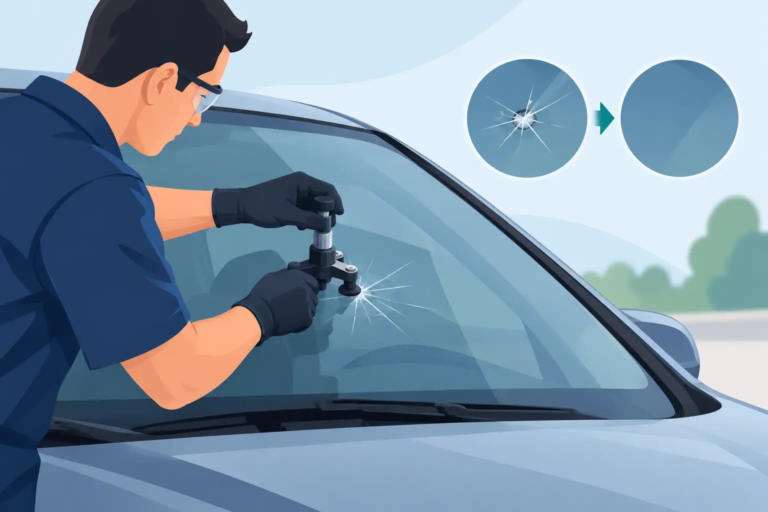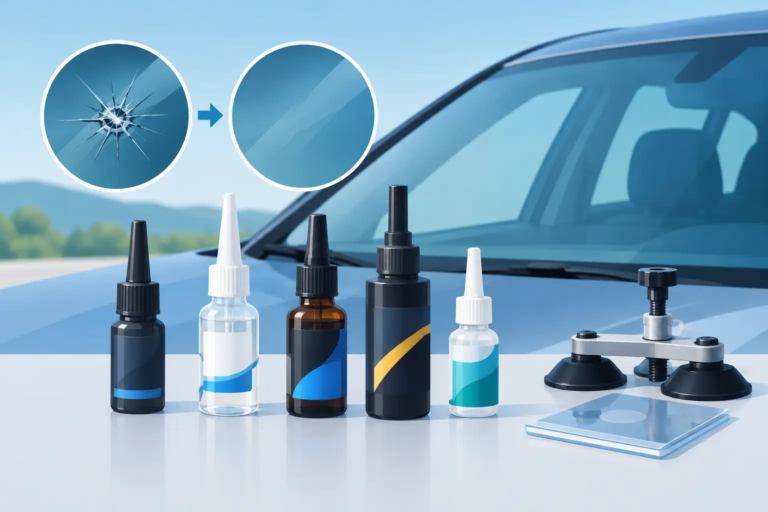

A scratch on vehicle glass can be more than a cosmetic annoyance. In North Texas sun, a mark that seems minor in the driveway can catch glare during a morning commute, blur visibility in the rain, or make a fleet vehicle look poorly maintained. The best glass scratch polishing solutions depend on where the damage is, how deep it is, and whether the glass is part of a safety-critical viewing area.
That last point matters most on windshields. Glass polishing is a specialized repair process, not a one-size-fits-all bottle of compound. Done correctly, it can improve light surface damage and restore a cleaner appearance. Done aggressively or on the wrong type of damage, it can create optical distortion that is worse than the original scratch.
Start by Identifying the Type of Glass Scratch
Before choosing a polishing method, look closely at the mark. A superficial surface scuff may respond well to professional polishing. A scratch that catches a fingernail is more likely to be too deep for safe correction, especially on a windshield. Deep scratches remove material from the glass, and removing enough surrounding glass to level them can affect clarity.
A practical test is to clean the glass first. Road film, mineral deposits, wiper residue, and dried bug debris can resemble scratches from a distance. Use a clean microfiber towel and automotive glass cleaner, then inspect the area from several angles. If the mark disappears after cleaning, it was contamination. If it remains but cannot be felt, it may be a light surface blemish. If it catches your nail or has a white, sharp-edged appearance, have it inspected before attempting any polishing.
Location also changes the answer. A light scratch on a side window or rear glass may be primarily cosmetic. A similar scratch directly in the driver’s line of sight needs a more conservative approach. Clear vision is the goal, not simply making damage less visible.
The Best Glass Scratch Polishing Solutions, Explained
There is no single product or method that is best for every vehicle. The right solution is based on the damage, the glass location, and the acceptable level of risk.
Professional glass polishing
For light surface scratches, professional polishing is usually the best choice. A trained technician uses the proper glass-specific polish, controlled equipment, and a process designed to avoid overheating or creating a distorted area in the glass. The technician can also determine whether the mark is truly a scratch or whether it is etching, residue, or damage from worn wiper blades.
This is especially valuable for windshields, where the wrong technique can create a lens effect. Even if a DIY repair makes a scratch look lighter, a warped patch can bend light and become distracting at night. A specialist is focused on improving appearance without compromising the view through the glass.
Professional polishing works best on shallow scratches, wiper scuffs, light abrasion, and certain surface marks caused by improper cleaning. It is not a reliable cure for cracks, chips, deep gouges, or damage that has already weakened the windshield.
Cerium oxide polishing compounds
Cerium oxide is the polishing compound most often associated with glass scratch correction. When used with the right pad, moisture, speed, and pressure, it can refine light glass damage. It is effective because it is designed to work with glass rather than merely cover the scratch with an oily coating.
The trade-off is that cerium oxide requires control. Too much pressure, too much heat, or too much time in one spot can cause distortion. It also creates a messy slurry and takes patience. This is why cerium oxide can be an excellent professional solution but a risky first project for someone trying to repair their windshield in a home driveway.
On non-critical glass, such as certain side or rear windows, a careful application may be appropriate for very light scratches. On the windshield, especially in the driver’s viewing zone, professional evaluation is the safer route.
Glass polishing kits
Retail glass polishing kits may include a compound, pad, and drill attachment. They can help with minor surface marks, but kit quality varies widely, and the instructions often make difficult work sound simple. A drill can generate heat quickly, particularly on curved windshield glass.
If you choose a kit, limit it to a small test area away from the driver’s primary viewing area. Keep the surface clean, use light pressure, and stop immediately if the glass becomes hot. Do not expect a kit to erase a scratch you can clearly feel with a fingernail. Repeated polishing to chase a deep scratch is where many DIY repairs go wrong.
Non-abrasive cleaners for false scratches
Some marks are not scratches at all. Hard-water spots, tree sap, paint transfer, and wiper rubber can leave stubborn streaks that look etched into the glass. A non-abrasive glass cleaner and careful decontamination may remove them without polishing.
This is the lowest-risk solution, but it only works when the glass itself has not been damaged. Avoid household scouring powders, razor blades used carelessly, and abrasive scrub pads. They can turn a removable mark into a permanent one.
When Polishing Is Not the Right Repair
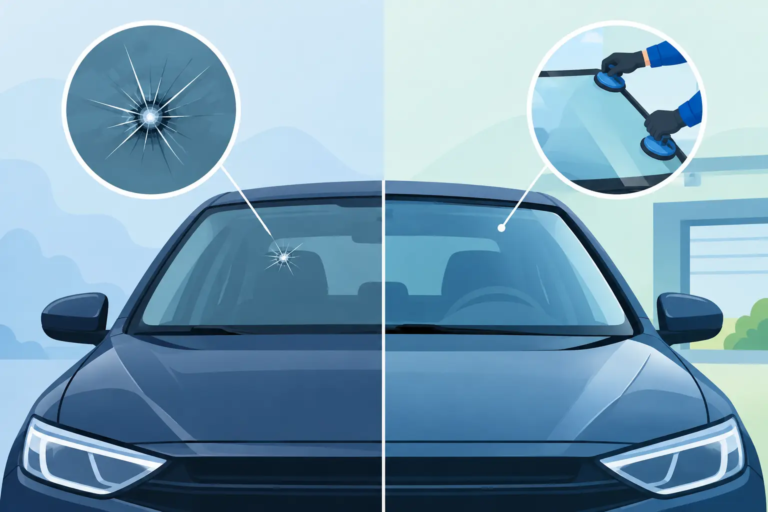
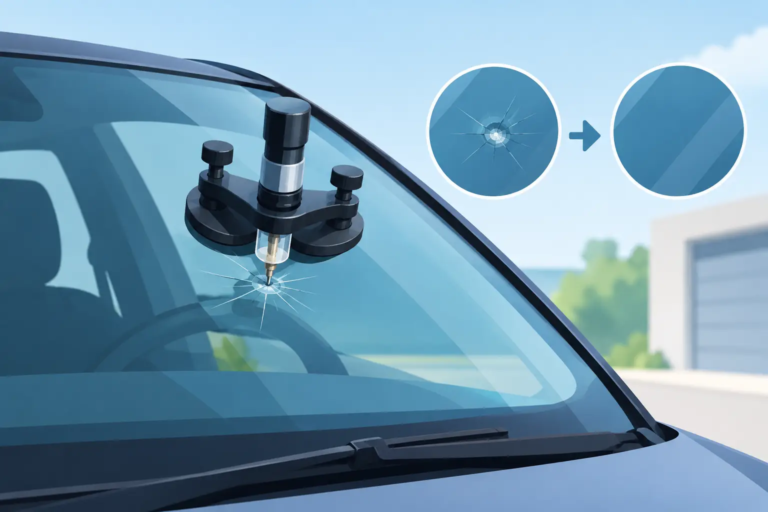
Polishing cannot restore every piece of damaged auto glass. A windshield chip or crack needs a different repair process that stabilizes the damaged area with a specialized resin. Polishing a crack does not stop it from spreading, and it does not restore the structural strength lost from impact damage.
Replacement may be necessary when there is deep damage in the driver’s view, a long or spreading crack, damage near the windshield edge, or distortion that cannot be safely corrected. That is not a failure of polishing. It is the correct decision when visibility and safety are on the line.
Modern windshields may also contain cameras and sensors for advanced driver-assistance systems. Any repair or replacement around that glass deserves careful handling. A cosmetic shortcut is never worth interfering with clear visibility or vehicle safety features.
Avoid These Common DIY Mistakes
The most expensive glass scratch repair is often the one attempted too aggressively. Drivers commonly make the problem worse by using products meant for paint, plastic, or household surfaces. Those products may fill a mark temporarily, leave residue, or haze the glass without actually correcting it.
Another mistake is polishing a dry surface. Friction builds heat fast, and glass does not respond well to concentrated heat in one small area. Using excessive drill speed, pressing hard, or working the same spot for too long can create a visible wave in the glass.
Do not ignore the cause of the scratch, either. If worn wiper blades created the marks, replace them before repairing the glass. If road grit is trapped under the blade, the new scratch will appear quickly. For fleet vehicles, regular wiper inspection and proper glass cleaning are simple ways to protect appearance and reduce repeat damage.
A Better Decision for Denton-Area Drivers and Fleets
For a vehicle owner, the best option may be a quick professional inspection before buying supplies. For a fleet manager, that decision can prevent repeat downtime across trucks, school buses, or rental vehicles. Mobile service is particularly useful when a vehicle cannot be pulled from its route for an unnecessary replacement or a shop visit.
SuperGlass Denton evaluates repairability first because preserving existing glass is often the most cost-effective outcome. When light surface damage can be improved safely, a targeted repair may restore the look of the vehicle without the cost and disruption of replacement. When the glass is not a good candidate, an honest assessment protects the driver and the vehicle.
A clear windshield should not be treated like a cosmetic accessory. If a scratch creates glare, catches your fingernail, sits in your line of sight, or appeared after a chip or crack, let a glass specialist examine it before reaching for a polishing pad. The right repair starts with knowing what the glass can safely handle.