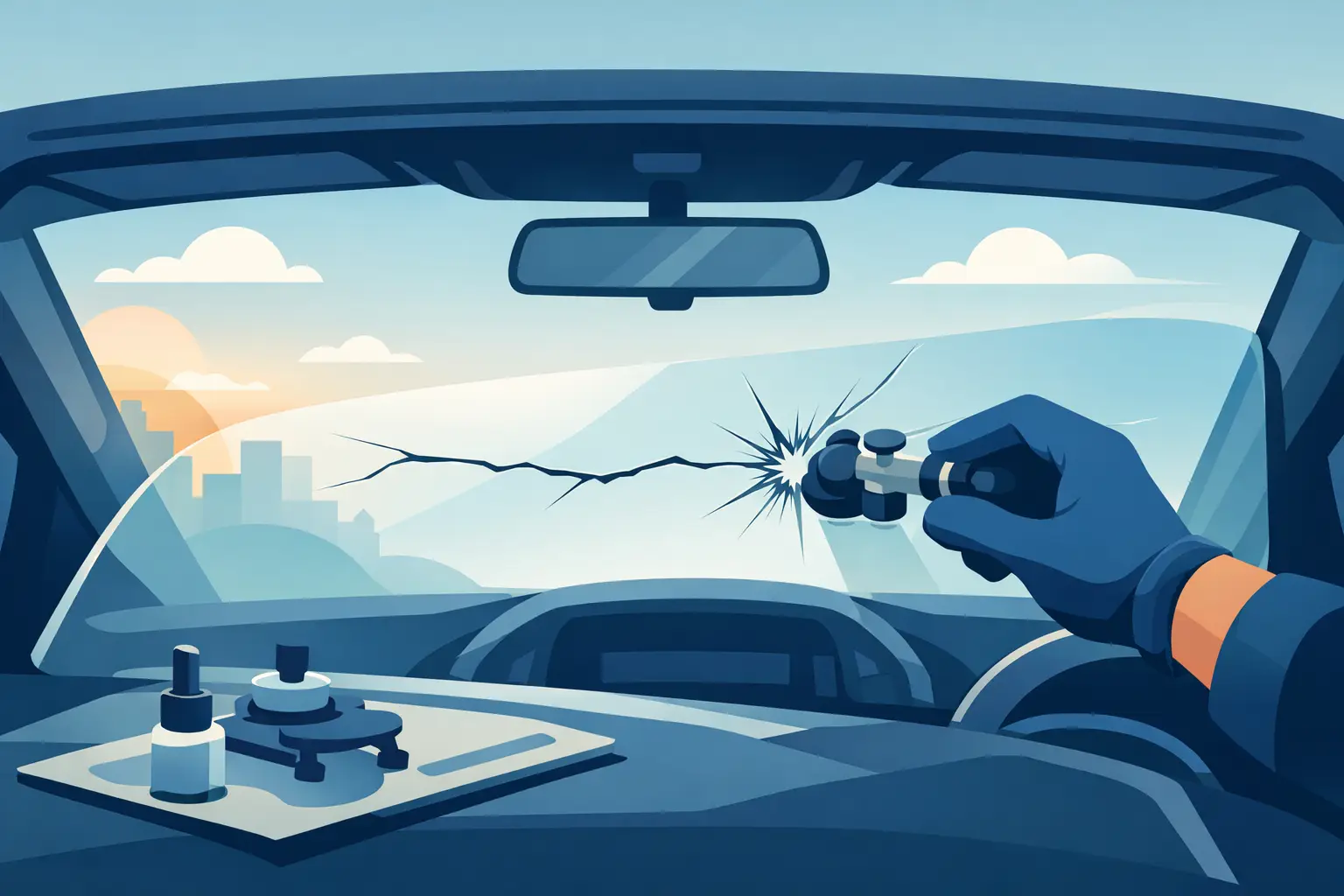
A crack that stretches across your windshield gets your attention fast. Most drivers assume a long crack means automatic replacement, higher cost, and losing the better part of a day at a glass shop. That is not always true.
The real answer is more specific. Sometimes long windshield cracks can be repaired, and sometimes they should not be. The difference comes down to crack type, location, depth, contamination, and whether the structural strength of the glass can still be restored to a safe standard.
If you are trying to figure out whether your windshield is still a repair candidate, here is what actually matters.
Can long windshield cracks be repaired in every case?
No. But they can be repaired more often than many drivers are told.
A lot of general auto glass shops are set up to replace windshields, not specialize in difficult repairs. That matters. A technician who focuses on repair will usually evaluate the damage more carefully instead of treating every long crack as a lost cause.
That said, there is no honest one-size-fits-all answer. Some long cracks respond well to professional resin repair and can be stabilized successfully. Others have spread too far, run through high-stress areas, or picked up enough dirt and moisture that the repair will not perform the way it should.
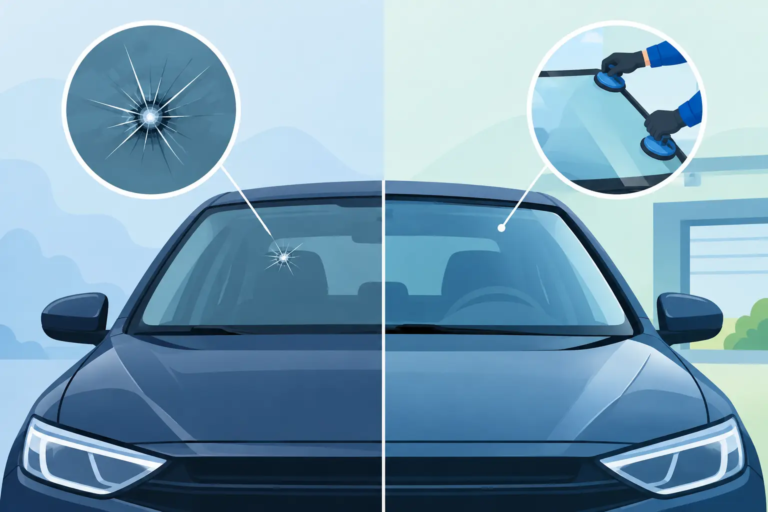
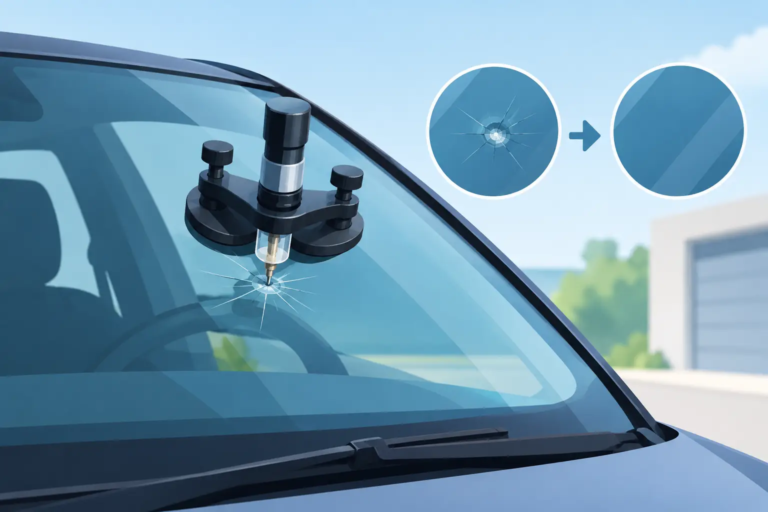
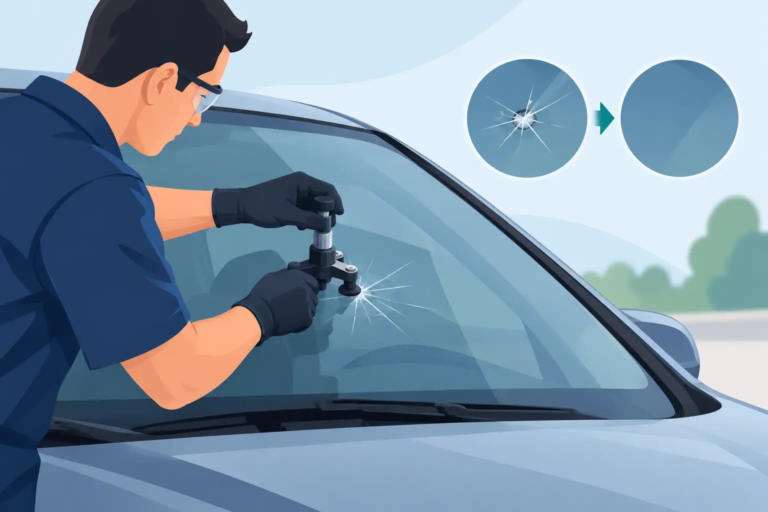
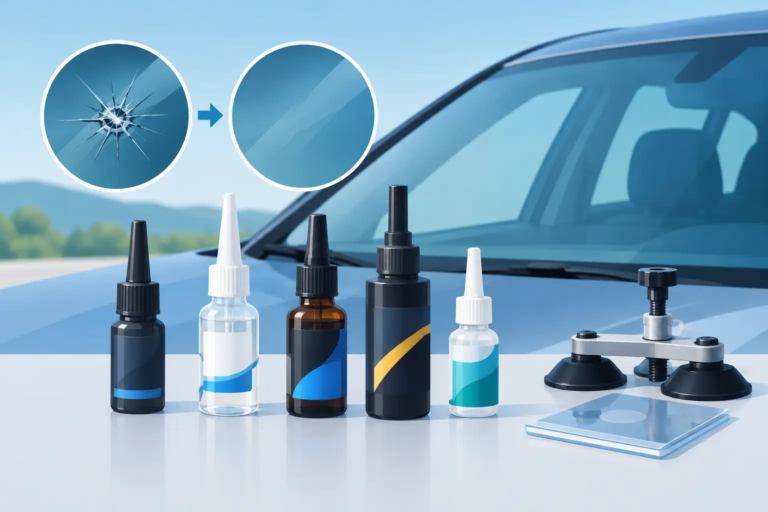
The goal is not to make a damaged windshield look brand new. The goal is to stop the crack from spreading, improve clarity as much as possible, and restore strength so replacement can be avoided when it is safe to do so.
What determines whether a long crack can be repaired?
Length matters, but it is only one part of the decision.
Crack location matters as much as crack size
A long crack near the outer edge of the windshield is often more serious than a similar crack in the center. The edges carry more structural stress, so damage there tends to spread faster and can weaken the overall glass more significantly.
The driver’s direct line of sight also matters. Even if a repair is technically possible, a crack or repair mark in a critical viewing area may still make replacement the better choice. Safety and visibility come first.
The type of crack changes the repair outlook
Not all long cracks behave the same way. A single clean crack is usually a better candidate than a branching crack with multiple legs. If the damage looks like a line with little or no spreading, that is generally more promising than a spidering pattern or a combination break that includes chips and long runs.
Cracks that curve, split, or connect to impact points can be harder to stabilize fully. They are not always impossible to repair, but the repair becomes less predictable.
Timing makes a big difference
Fresh damage is easier to repair well. Once a crack has been exposed to rain, washer fluid, road grime, dust, and heat cycles, contamination can settle into the damaged area. That makes it harder for repair resin to bond cleanly through the full length of the crack.
This is one reason waiting can cost you. A crack that might have been a solid repair candidate this week can become a replacement job after a few weeks of weather and daily driving.
Depth matters too
Windshields are made with laminated glass, which means there are layers involved. Some cracks affect only the outer layer, while others are deeper or more severe. If the inner layer is compromised or the damage indicates broader structural weakness, repair may no longer be the right call.
This is not something most drivers can judge by looking at it in a parking lot. It takes a proper inspection.
When long cracks are often still repairable
There are plenty of situations where a long crack may still be worth evaluating for repair.
If the crack is relatively clean, has limited branching, stays within the outer layer, and is not directly in the most critical viewing area, repair may absolutely be possible. The same goes for cracks caught early before they have had time to collect contamination or spread into the edge.
This is especially important for practical drivers trying to avoid unnecessary replacement. A quality repair can save the original windshield, reduce cost, and get you back on the road faster.
For work vehicles and fleets, that matters even more. If a truck, bus, or rental vehicle can be professionally repaired instead of pulled out of service for replacement, that saves both money and downtime.
When replacement is usually the better move
There are cases where repair is simply not the smart recommendation.
If the crack has reached the edge and created serious instability, if there are multiple branches across the glass, if the damage is deep, or if visibility in the driver’s field of vision would remain compromised, replacement is often the safer and more responsible option.
The same is true if previous repair attempts failed or if the crack has been left exposed long enough that contamination will likely prevent a strong result. A good specialist should tell you that directly. The goal should be to save the windshield when possible, not force a repair that should not be done.
Why some shops say no to long crack repair
This is where drivers get mixed messages.
Some shops say long cracks cannot be repaired because they are speaking from the limits of their process, equipment, or business model. Replacement is simpler for many operations. It is more standardized, and in some cases it is more profitable.
A repair specialist approaches the problem differently. The question is not just, “Is there a crack?” The question is whether the glass can be restored safely and effectively enough to avoid replacement.
That distinction matters if you want a real answer instead of a default sales answer.
Can long windshield cracks be repaired well enough to last?
If the damage is a good candidate and the repair is done properly, yes, a long crack repair can hold up very well.
A professional repair is designed to stop spread and reinforce the damaged area. It will not erase the crack completely. You should expect some remaining trace or cosmetic shadow, especially with longer damage. But appearance is only part of the picture.
What matters most is stability. A strong repair can prevent further spreading and preserve the windshield you already have.
That is why workmanship matters so much. This is not a place to gamble on rushed work or generalist service. Long crack repair takes judgment, process control, and experience.
What to do before the crack gets worse
If you have a long crack right now, the best move is simple. Do not wait to see what happens.
Avoid slamming doors if possible, skip pressure washing the windshield, and do not pour hot water on cold glass or blast defrosters aggressively against a cold windshield. Sudden temperature changes and vibration can help the crack grow.
If the glass is dirty, resist the urge to scrub the crack itself. You do not want to force debris deeper into the damaged area. The smartest next step is to have it inspected by a repair specialist as soon as possible.
A local, practical answer for North Texas drivers
In North Texas, heat is not gentle on damaged windshields. A crack that looks manageable in the morning can spread after a hot afternoon in a parking lot. That is why drivers in Denton, Plano, Frisco, McKinney, Lewisville, and Carrollton are usually better off getting an answer quickly instead of waiting for the damage to make the decision for them.
At SuperGlass Denton, the focus is repair first when repair makes sense. That means giving drivers and fleet managers a straight answer based on the actual damage, not a blanket assumption. If the windshield can be saved safely, that is usually the fastest and most cost-effective path.
A long crack does not always mean your windshield is done. It means you need the right set of eyes on it before it spreads any farther.