A headlight can look clear and bright on the day it is restored, then slowly turn cloudy again months or years later. So, can headlight haze come back? Yes, it can – but it is not inevitable. The difference usually comes down to what caused the haze, how thoroughly the lens was restored, and whether the newly exposed surface received real UV protection.
For drivers in Denton and across North Texas, this matters because sun, heat, road grit, and long commutes are hard on polycarbonate headlight lenses. A quick polish may make a lens look better temporarily. A professional restoration addresses the damaged surface so the clarity has a reason to last.
Why Headlight Haze Comes Back
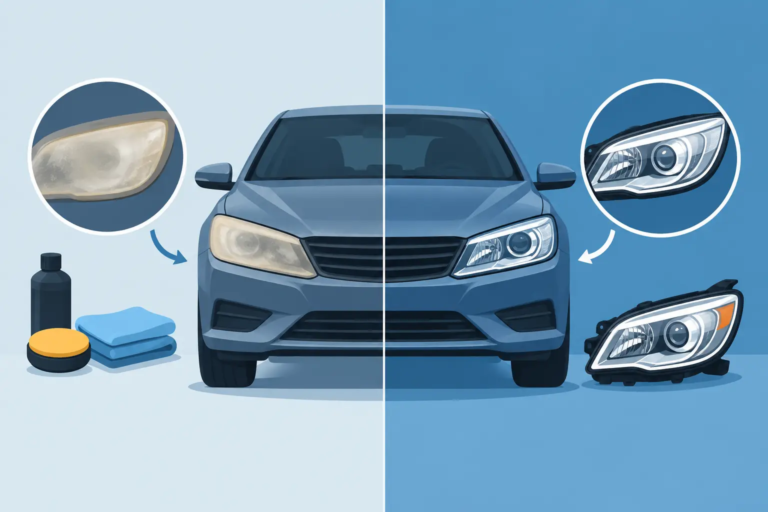
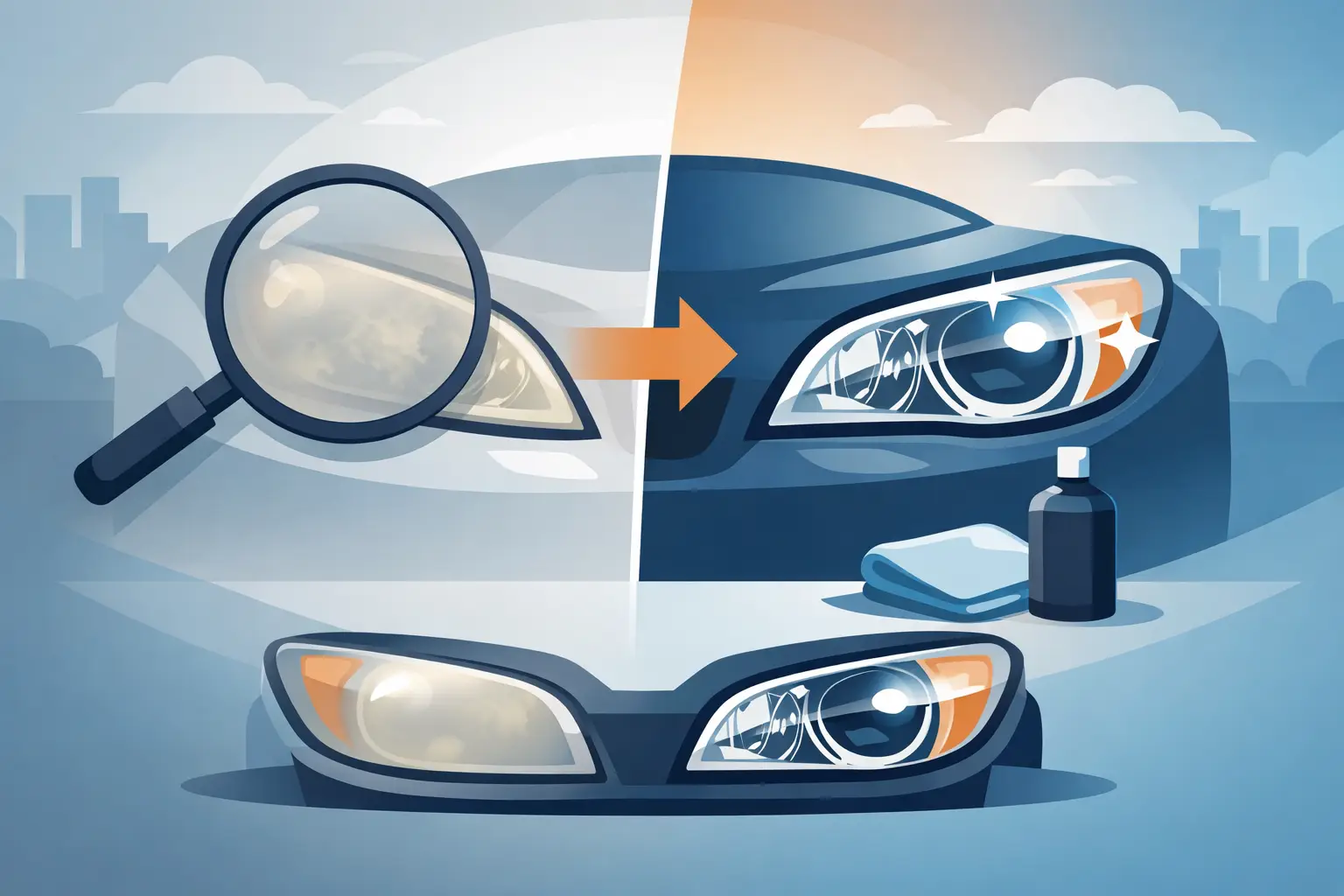
Most modern headlights use a tough, lightweight polycarbonate plastic lens. When new, that lens has a protective coating designed to resist ultraviolet light. Over time, that coating breaks down. UV exposure oxidizes the surface, heat bakes in the damage, and sand, dust, and car-wash brushes create tiny scratches that scatter light.
That is the familiar yellow, milky, or chalky appearance many drivers notice. It is not just cosmetic. A hazy lens reduces the amount of usable light reaching the road, especially on dark roads or in rain.
Haze comes back when the underlying oxidation was only covered up or lightly polished away. It also returns when a restoration removes the failed factory coating but does not replace it with a durable protective finish. The lens may look crystal clear at first, but bare plastic begins taking UV damage almost immediately.
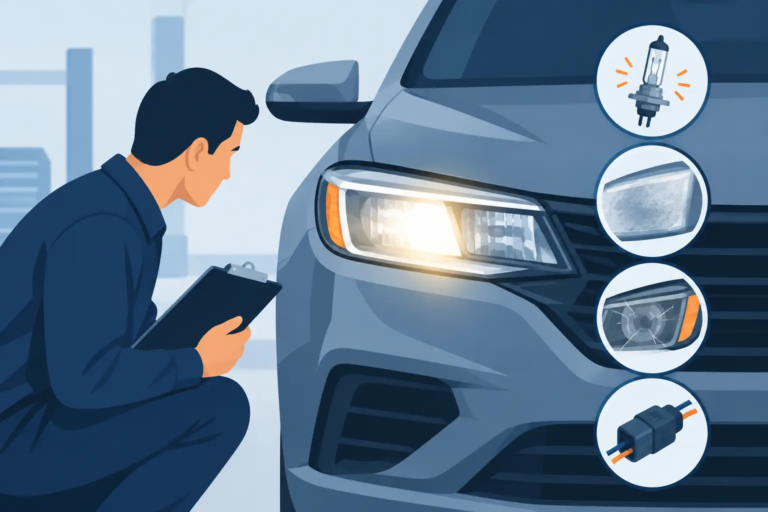
There is another possibility: not every cloudy-looking headlight is exterior oxidation. Moisture inside the housing, cracking on the inside of the lens, heat damage, or a failing reflector can all affect light output. Polishing the outside will not solve those problems. That is why an accurate inspection should come before anyone starts sanding.
Can Headlight Haze Come Back After a Quality Repair?
Yes, eventually, because headlights live outside in punishing conditions. But a quality repair should not fade back to yellow after a few washes or a single Texas summer. Proper restoration significantly extends the useful, clear life of the lens.
The biggest trade-off is between a fast cosmetic cleanup and a complete restoration. A quick buff can be appropriate for very mild surface dullness, particularly on a newer vehicle. It is less expensive and takes less time, but it cannot remove deeper oxidation or restore an even, protected surface.
A more complete process removes the damaged outer material in controlled stages, refines the lens clarity, and applies UV protection. This takes more skill than rubbing on a polish, but it produces a more consistent result and gives the lens a better defense against future haze.
How long it lasts depends on the vehicle and its environment. A garage-kept car that is washed carefully may stay clear for years. A work truck, school bus, or commuter vehicle parked outdoors every day can need attention sooner. North Texas heat and UV exposure are not minor details – they are major factors in the lifespan of any headlight finish.
What Makes a Restoration Last
A lasting result begins with removing oxidation evenly rather than simply shining the top layer. If the lens has yellowing, pitting, or rough patches, the damaged material has to be corrected consistently across the surface. Skipping that step can leave the lens looking uneven and can allow haze to reappear in patches.
The protective finish is just as important. Once the old coating has failed, the restored lens needs a UV-resistant layer to help slow new oxidation. The exact product and process may vary based on the condition of the lens, but the goal is the same: restore clarity without leaving vulnerable plastic exposed to the sun.
Good preparation also matters. Residue, silicone-based dressings, wax, and surface contamination can interfere with adhesion. A lens that is not properly cleaned and prepared may look fine before the vehicle leaves, then show premature peeling or cloudiness later.
Finally, the technician needs to know when restoration is not the right answer. Severe cracking, internal damage, or a lens that has become structurally compromised may make replacement the better decision. A specialist should tell you that plainly instead of promising a repair that cannot hold up.
Signs the Haze Is Returning
The early signs are often subtle. You may notice a faint yellow tint along the top edge of the lens, where UV exposure is strongest. You may see a dull film after washing the vehicle, or find that the headlights seem less effective even though the bulbs still work.
Run your hand lightly over the lens after it is clean and dry. A rough, gritty feel usually points to exterior surface damage. A smooth lens that still looks foggy may indicate an issue inside the housing instead.
Watch for a blotchy appearance as well. If one section looks clear while another looks hazy, the protective coating may be failing unevenly or oxidation may be returning in areas that received the most sun and road damage.
Do not wait until the headlights are deeply yellow to have them checked. Mild haze is usually easier to correct than advanced oxidation, and restoring a lens earlier may help preserve more of the original material.
How to Keep Restored Headlights Clear Longer
You cannot completely remove the effect of sunlight and road use, but simple habits can reduce the speed of future damage. Wash the lenses with normal vehicle soap and a clean microfiber towel. Avoid abrasive pads, harsh household cleaners, and dry wiping, which can add fine scratches.
Parking in a garage, carport, or shaded area when practical reduces UV exposure. That is not always realistic for busy families, commuters, or fleet vehicles, but even partial protection helps. Regularly cleaning off bug residue, road salt, and grime also keeps contaminants from sitting on the lens for long periods.
Be careful with do-it-yourself restoration kits. Some can improve mild haze, but their results vary widely. A kit that relies on a quick polish may offer short-term brightness without enough protection for vehicles that spend their days outdoors. If the lens is heavily oxidized, cracked, or uneven, aggressive DIY sanding can make the repair harder and more expensive later.
For fleet managers, headlight condition is worth checking as part of routine vehicle inspections. Clear headlights support safer night driving, present a more professional image, and can help avoid pulling vehicles from service for a preventable issue. Mobile restoration can be especially useful when trucks, buses, or rental vehicles cannot afford unnecessary downtime.
When to Call a Headlight Restoration Specialist
Call for an inspection when the haze returns quickly, the lens has yellowed again after a recent polish, or you are unsure whether the problem is outside the lens or inside the assembly. You should also get professional advice when the headlights look clear in daylight but provide poor visibility at night. The problem may be more than surface oxidation.
At SuperGlass Denton, the focus is on repair first when repair makes sense. That means looking at the actual condition of the lens, explaining what can be restored, and avoiding replacement when a professional repair can deliver a reliable result. Mobile service also means drivers in Denton, Plano, Frisco, McKinney, Lewisville, Carrollton, and nearby communities can address the problem at home or work.
A clear headlight is not merely a nicer-looking detail. It gives your vehicle a better chance of putting useful light where you need it most: on the road ahead. If haze is starting to return, getting an expert opinion now can be the simplest way to protect both your visibility and your budget.