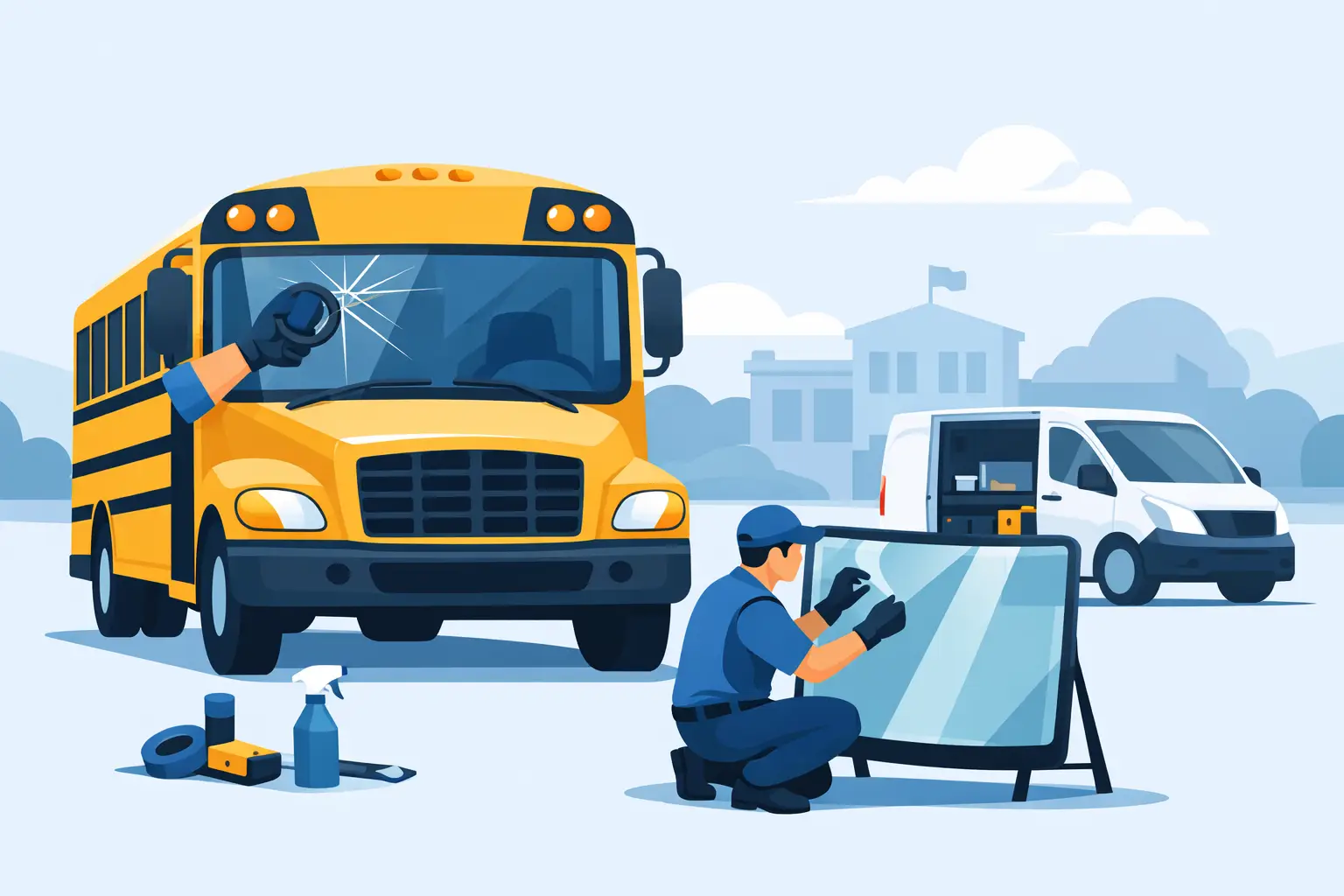
A cracked side window on a school bus can throw off an entire route before the first pickup even happens. School bus glass repair matters because transportation departments and private operators do not just need the damage fixed – they need the bus back in service quickly, safely, and without paying for full replacement when a quality repair will do the job.
For fleet operators across North Texas, that is the real issue. Every bus that sits out of service creates scheduling problems, driver frustration, and extra pressure on the rest of the fleet. The right repair approach can reduce downtime, control costs, and protect the glass you already have.
When school bus glass repair makes sense
Not every damaged glass panel on a bus needs to be replaced. That is where specialist repair matters. A general glass shop may lean straight toward replacement because it is simpler for them operationally. A repair-focused specialist looks at the damage first and asks a more useful question: can this be restored safely and reliably?
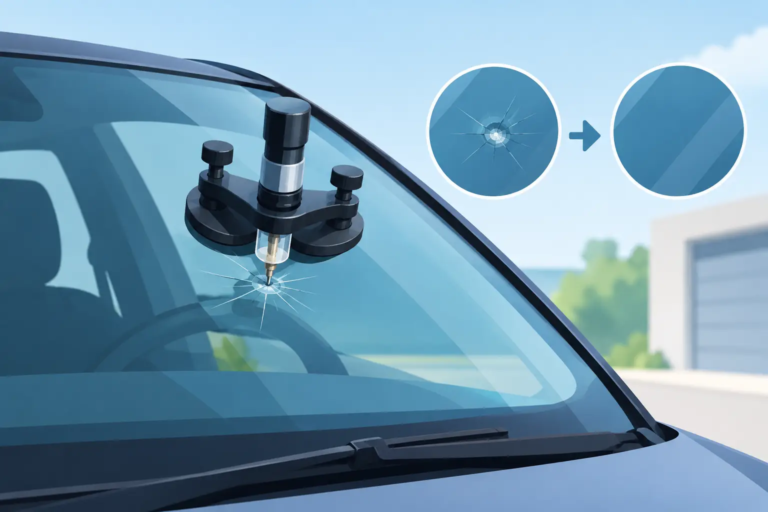
In many cases, the answer is yes. Small chips, certain cracks, and surface damage may be repairable depending on the glass type, the location of the damage, and how far it has spread. If the damage is still limited and has not compromised the structural role of the glass, repair can be the faster and more cost-effective option.
That said, there is no one-size-fits-all answer. Windshield damage in the driver’s direct line of sight may call for a different recommendation than damage on a side panel. Tempered glass and laminated glass behave differently. Older damage that has collected dirt or moisture can also be harder to restore cleanly. This is why inspection comes first.
Why school bus fleets should not wait
Bus glass damage rarely stays the same for long. A small chip after a gravel strike can turn into a larger crack after a few rough roads, a temperature swing, or another day of opening and closing doors over uneven pavement. School buses work hard, and vibration alone can make minor issues worse.
Waiting also creates avoidable risk. Drivers need clear visibility. Students need secure, intact glass. Fleet managers need confidence that a bus will pass inspection standards and stay dependable on route. The longer damage sits, the more likely it is that a repairable issue becomes a replacement job.
There is also a budget angle here. Repair is usually the better financial move when the damage qualifies. Replacing bus glass takes more time, more parts, and often more scheduling coordination. If you manage multiple vehicles, repeated unnecessary replacements add up fast.
What a proper school bus glass repair assessment looks like
A serious repair provider does not guess from a blurry photo and send over a generic answer. They assess the type of vehicle, the affected glass, the size and position of the damage, and whether the repair will hold up under real fleet use.
That includes looking at whether the damage has spread to the edge, whether the glass has internal contamination, and whether the repair would leave acceptable clarity for safe operation. For buses, practical use matters. The job is not just making the damage look smaller. The goal is to restore strength and function as much as possible while keeping the vehicle service-ready.
This is one place where experience with commercial vehicles matters. School buses are not just oversized passenger vehicles. They operate on tight schedules, carry precious cargo, and often need solutions that work around route planning and yard logistics. A provider that already works with fleet vehicles understands that.
Mobile repair changes the equation
For busy transportation teams, convenience is not a bonus. It is part of the service. Pulling a bus out of the yard, arranging driver movement, and sending a unit across town for service costs time even before any work begins.
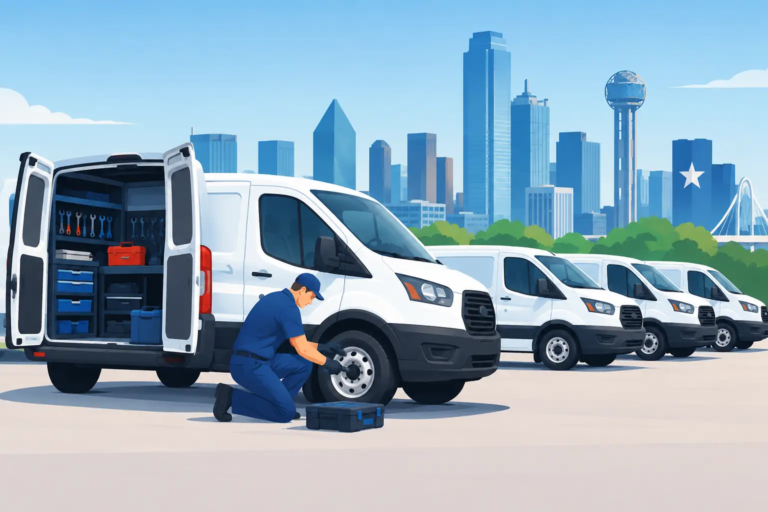
Mobile school bus glass repair solves a lot of that friction. When the technician comes to your location, the bus stays where your team needs it. That makes a difference for schools, contractors, and fleet operators trying to keep operations steady during the week.
It also helps with timing. A mobile service can often inspect multiple vehicles in one visit, spot minor issues before they spread, and handle repairs with less disruption. For larger fleets, that is often more valuable than chasing the lowest invoice on a single bus.
Repair versus replacement: the real trade-off
Replacement is sometimes necessary. If the damage is too large, sits in a critical visibility area, affects the edge integrity, or involves glass that cannot be safely restored, replacement is the right call. Any honest specialist should tell you that clearly.
But replacement should be the conclusion after inspection, not the starting point. The real trade-off is simple. Replacement gives you a new panel but comes with higher cost, more downtime, and sometimes longer parts delays. Repair, when appropriate, preserves the existing glass, reduces service interruption, and saves money.
For school transportation, those trade-offs matter more than they do for the average personal vehicle. A missed day on a route is not just an inconvenience. It can affect families, staff schedules, and contract performance. That is why repair-first thinking makes sense for fleet operators who want practical results, not overbuilt solutions.
What fleet managers should look for in a repair partner
The best choice is not the shop with the biggest replacement inventory. It is the specialist who knows how to save glass when possible, show up on time, and give a straight answer when replacement is truly needed.
Look for a provider with real repair expertise, not just replacement capability. Ask whether they handle fleet work regularly. Ask how they assess repairability. Ask whether they offer mobile service and whether they stand behind the work. A strong guarantee matters because it lowers risk and shows confidence in the repair itself.
Consistency matters too. If you manage buses, vans, and support vehicles, you do not want a different answer every time depending on who picks up the phone. You want a professional process and dependable workmanship across the fleet.
That is one reason many local operators choose specialists such as SuperGlass Denton. The value is not just in fixing a crack. It is in knowing when repair is the smarter move and getting the work done without unnecessary downtime.
Common bus glass problems that should be checked early
School buses take regular hits from road debris, changing weather, and day-to-day wear. Windshields often get attention first, but side glass and other panels should not be ignored. Surface damage, chips, and developing cracks can spread faster than expected under fleet conditions.
Early inspection is especially important after a rock strike, storm event, or any incident where visibility has changed. If a driver notices glare, distortion, or a spreading mark, it is worth checking right away. Damage does not need to look dramatic to become a service issue.
This is also where local service matters. A provider familiar with North Texas conditions understands what heat, road construction, and long route miles do to vehicle glass. Fast response is easier when the company already works in your area and can come to you.
The bigger value of getting it handled now
School bus glass repair is about more than fixing what is broken. It is about protecting route reliability, controlling maintenance costs, and making sure drivers have the visibility they need every day. For fleet operators, the smartest repair is often the one that prevents a bigger problem next week.
If the damage is repairable, acting early usually gives you the best result. If it is not, a specialist can tell you that before you waste time. Either way, a prompt inspection gives you a clear path forward.
A bus with damaged glass does not improve by sitting in the yard. Getting an expert set of eyes on it is usually the fastest way back to normal operations.