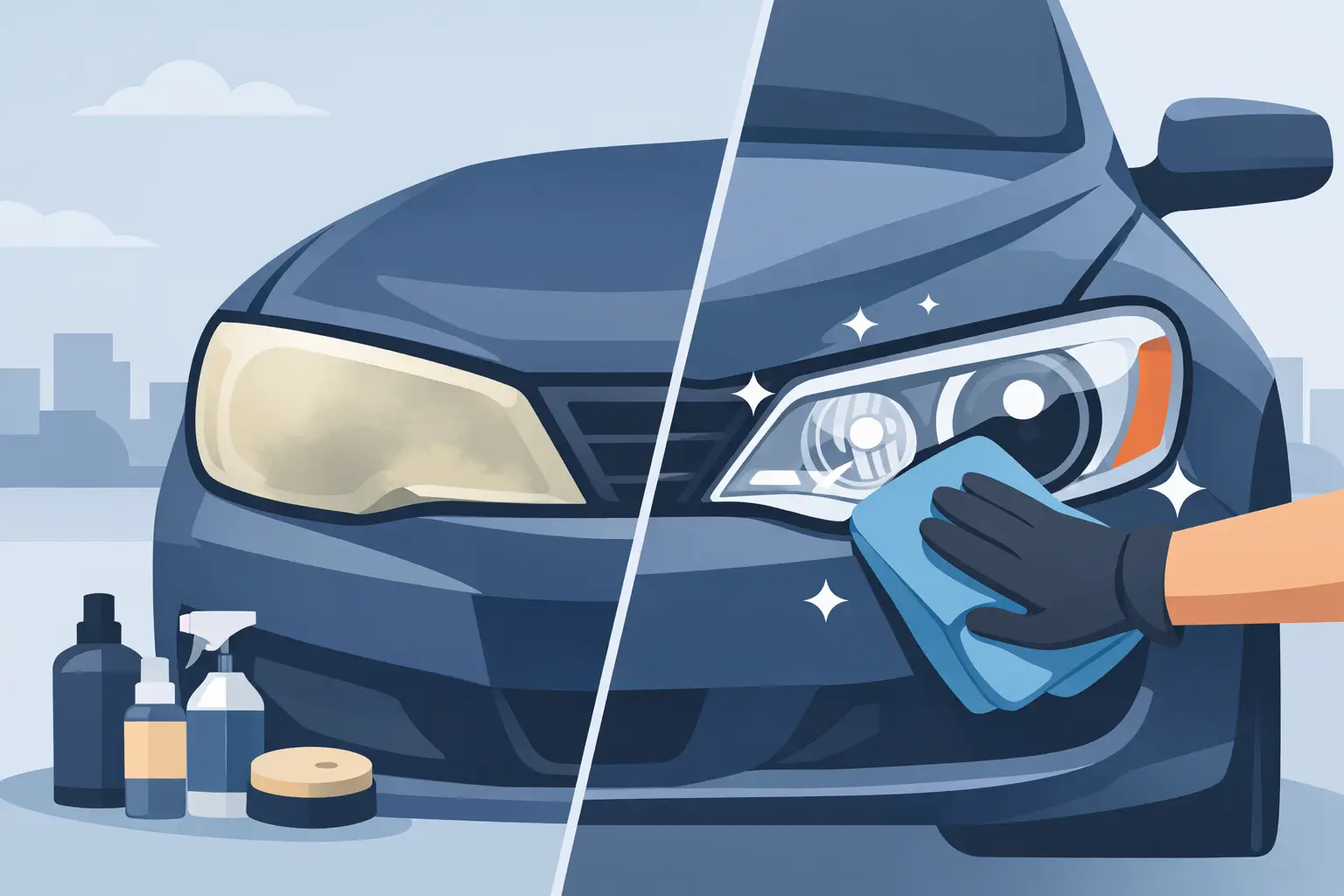
That cloudy, yellowed film on your headlights is not just making your vehicle look older than it is. It is cutting down light output, making night driving harder, and in many cases pushing people toward replacement when a repair would do the job. So, is headlight restoration worth it? For most drivers, yes – especially when the lenses are hazy, oxidized, or lightly damaged but still structurally sound.
The real question is not whether headlights can be restored. It is whether restoration makes more sense than living with poor visibility or paying for full replacement. For a lot of North Texas drivers, the answer comes down to safety, cost, and how long the fix will last.
When is headlight restoration worth it?
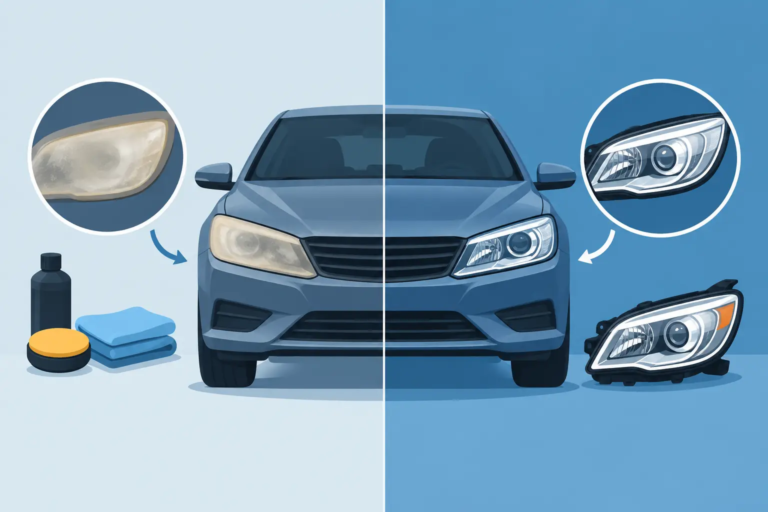
Headlight restoration is worth it when the problem is on the surface of the lens, not deep inside the assembly. Most modern headlights use polycarbonate plastic. Over time, sun exposure, road grime, heat, and oxidation wear down the factory protective coating. That is what causes the dull, yellow, foggy look.
When that outer layer is the issue, restoration can remove the oxidation, refinish the lens, and improve clarity fast. That matters because even a mild haze can reduce usable light at night. If you have noticed dimmer headlights, a weaker beam pattern, or more glare scattered in front of the vehicle instead of focused down the road, restoration can make a real difference.
This is also one of those repairs where waiting usually does not help. The longer oxidation sits, the more the plastic degrades. A lens that could have been restored earlier may become harder to correct later.
Why drivers choose restoration over replacement
For most vehicle owners, replacement is the expensive option. Many headlight assemblies today are not simple bulbs behind a basic lens. They can include integrated housings, trim, electronics, and design features that drive up the price quickly. Even on older vehicles, replacing both headlights can cost far more than restoring them.
That is why restoration appeals to practical drivers. If the headlight housing is intact and the damage is limited to oxidation, restoring the existing lens is often the smarter move. You keep the original assembly, spend less, and avoid replacing a part that still has life left in it.
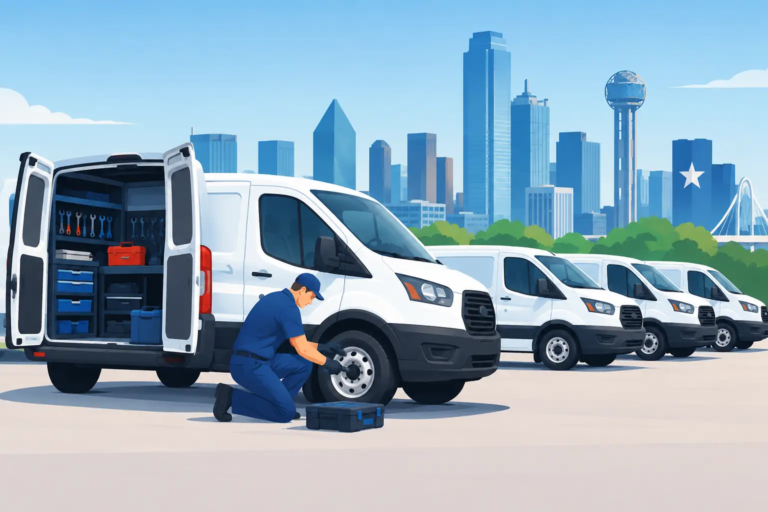
There is also the convenience factor. A proper mobile service can handle restoration at your home or workplace, which matters if you do not have time to sit at a shop or leave a vehicle all day. For fleet operators, that convenience goes even further. Taking a truck, school bus, or rental unit out of service for avoidable replacement costs money in more ways than one.
The safety side is where the value really shows
People often start looking into headlight restoration because they want the car to look better. That is fair. Cloudy headlights can drag down the whole appearance of a vehicle.
But the real value is safety.
Clear headlights help you see road markings, pedestrians, debris, and turns earlier. They also help other drivers see you more clearly. In rainy weather, on dark two-lane roads, or during early morning commutes, that extra visibility matters. North Texas drivers know how fast conditions can change, and weak headlights are not something to ignore.
If you are squinting through dark roads and assuming you just need brighter bulbs, stop there first. New bulbs cannot fix a lens that is scattering light instead of projecting it. In some cases, replacing bulbs without restoring the lens just means you are shining stronger light through the same cloudy plastic.
When restoration may not be worth it
There are cases where restoration is not the right answer, and a specialist should be honest about that.
If the lens is cracked, the housing has moisture inside, the seals have failed, or the plastic is badly damaged from the inside, restoration may only offer limited improvement. The same goes for headlights with severe internal deterioration or prior low-quality repairs that left the surface uneven and permanently compromised.
This is where experience matters. A specialist repair company should tell you if your lights are good candidates for restoration or if replacement is the better call. The goal is not to sell a service at all costs. The goal is to solve the problem the right way.
DIY kits versus professional restoration
A lot of drivers have seen restoration kits at auto parts stores and wondered if they should just handle it themselves. Sometimes a DIY kit can improve appearance for a while. But there is a big difference between a quick cosmetic cleanup and a professional restoration process designed to last.
The problem with many DIY jobs is not that they never work. It is that they often stop halfway. Someone sands off oxidation, buffs the lens, and gets a clearer look for a short time. But if the lens is not properly refined and protected afterward, the haze tends to come back fast. Sometimes it comes back worse because the old protective layer is gone.
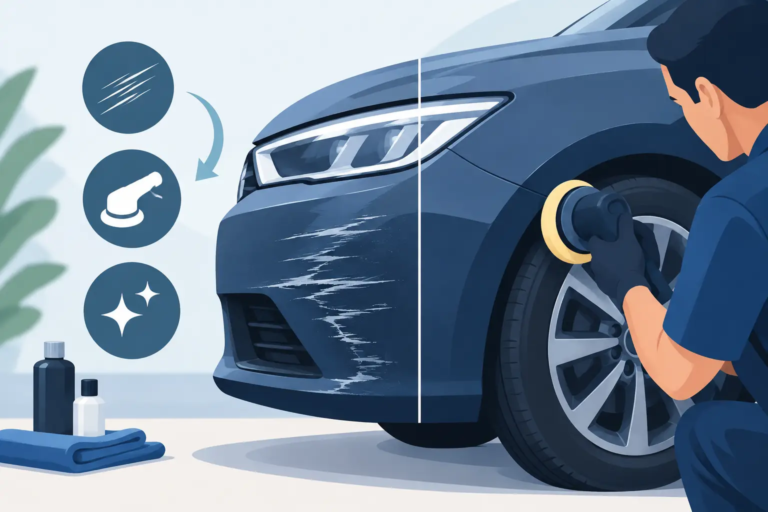
Professional restoration is usually worth it over DIY when you care about durability, consistency, and actual light performance. It is also the better choice if you have a newer vehicle, a fleet, or headlights that are more than lightly faded. Poor sanding technique, uneven polishing, or the wrong coating can leave swirl marks, patchy clarity, or premature re-oxidation.
Is headlight restoration worth it for older vehicles?
In many cases, yes. In fact, older vehicles are often where the value is strongest.
If you have a dependable car, truck, or SUV that still runs well, restoring the headlights can extend its useful life and improve daily drivability without a major expense. It is one of the more cost-effective ways to make an older vehicle feel safer and better maintained.
That said, the condition of the rest of the headlight assembly still matters. If the vehicle has major front-end damage, broken mounts, internal condensation, or severe lens failure, replacement may make more sense. But if the issue is classic oxidation and sun wear, restoration is usually a solid investment.
For fleets, the math is even clearer
Fleet managers tend to look at this differently than retail drivers, and for good reason. They are not just asking whether a service works. They are asking whether it reduces cost, downtime, and avoidable replacement across multiple units.
For commercial vehicles, school buses, rental fleets, and work trucks, headlight restoration can be a practical maintenance move. Clear headlights improve visibility for drivers, help keep vehicles looking presentable, and reduce the need to replace assemblies before it is truly necessary. When mobile service is available, that value goes up because the work can be handled with less disruption.
Across a fleet, replacing multiple headlight assemblies adds up fast. Restoring lenses that are still repairable is often the more efficient path.
What a good restoration should actually do
A worthwhile restoration should do more than make the lens look shiny for a week. It should remove oxidation, improve optical clarity, and add protection so the result holds up. If the process only gives a temporary cosmetic boost, the value drops quickly.
That is why the provider matters as much as the service itself. You want a specialist who can evaluate the lens honestly, use a proven repair process, and stand behind the work. For North Texas drivers who want the repair done right without wasting time on trial and error, that is the difference between a smart fix and another job you will have to redo.
At SuperGlass Denton, the focus is on repair over unnecessary replacement, which is exactly how most customers want this handled. If a headlight can be restored properly, that is usually the better answer.
So, is headlight restoration worth it?
If your headlights are cloudy, yellowed, or hazy but otherwise intact, restoration is usually absolutely worth it. It can improve visibility, save money, help your vehicle look better, and delay or avoid costly replacement. That is true for daily drivers, family vehicles, and commercial fleets alike.
The key is knowing whether your headlights are good candidates and having the work done by someone who specializes in repair, not someone who jumps straight to replacement because it is easier to sell.
If your night driving has gotten worse or your vehicle just looks tired from the front, do not assume replacement is your only option. Sometimes the smartest fix is the one that restores what you already have and gets you safely back on the road with less hassle.