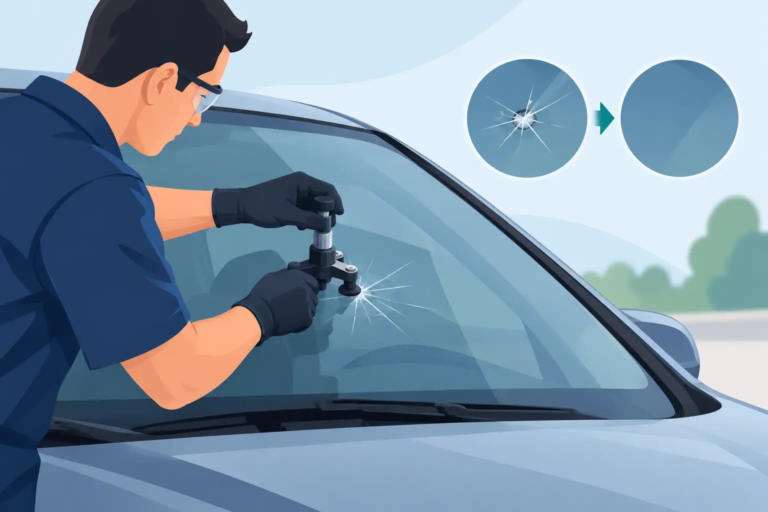

That scratch on your glass usually looks worse in direct sun, at night, or right when you are trying to merge in traffic. If you are trying to remove scratches from car glass, the real question is not just how – it is whether the scratch is light enough to polish, deep enough to distort visibility, or serious enough to leave alone until a specialist sees it.
That distinction matters. Glass is not paint. A bad DIY attempt can turn a small cosmetic issue into visible haze, optical distortion, or wiper chatter across your line of sight. For drivers in Denton and across North Texas, where bright sun and long commutes make every flaw more obvious, clear glass is not a luxury. It is part of safe driving.
Can you remove scratches from car glass yourself?
Sometimes, yes. But only if the scratch is very light.
A true surface-level scratch may be polishable. These are the marks you can barely catch with a fingernail, often caused by dirty wiper blades, dry wiping, road grit, or improper cleaning tools. If the mark is shallow and limited to the outer surface, there is a chance it can be reduced or removed with the right glass polishing process.
If the scratch catches your nail easily, looks white or silver from multiple angles, or creates glare when headlights hit it, the job becomes more complicated. Deep scratches in windshield glass are different from light surface scuffs on side glass. Windshields are laminated for safety, and anything that affects visibility needs a more careful approach than a quick garage fix.
The short version is simple: light scratches may be repairable, deep ones may only be improved, and some damage should not be polished at all if it risks creating distortion.
What causes scratches on car glass?
Most drivers do not notice the cause when it happens. They notice it days later when the sun hits the windshield just right.
Worn wiper blades are one of the biggest culprits. A blade with embedded sand or debris can drag a fine arc across the glass every time it runs. Ice scrapers used too aggressively can do the same thing. Automatic car washes, dirty towels, construction dust, and even loading cargo too close to rear or side glass can leave visible marks.
Fleet vehicles often see this more than personal cars because they spend more time on the road, more time in the weather, and more time being cleaned quickly. Work trucks, buses, and rental vehicles pick up damage faster simply because they get used harder.
The difference between a light scratch and a serious one
This is where many people waste money on the wrong fix.
A light scratch sits on the outer surface and does not noticeably bend light. You may see it in daylight, but it does not make signs blurry or headlights streak across your field of vision. A moderate scratch is more visible, may catch your fingernail, and may improve with polishing but not disappear completely.
A serious scratch is deeper. It may create glare, distortion, or a rough channel you can clearly feel. On a windshield, especially in the driver’s viewing area, that is not something to experiment with. Polishing removes a tiny amount of glass to level the surrounding area. If the scratch is too deep, removing enough material to flatten it can create lensing effects that are worse than the scratch itself.
That is why professional evaluation matters. The goal is not just making the mark look better. The goal is restoring clarity without compromising the glass.
DIY methods people try – and where they go wrong
There is a lot of bad advice floating around on this topic. Toothpaste, baking soda, random polishing compounds, and generic scratch removers get recommended all the time. Most of those suggestions leave out one important detail: car glass is harder than most people think, and the wrong product either does nothing or creates a bigger problem.
A basic cleaner will not remove a true scratch. It may remove transfer marks, mineral buildup, or residue that only looks like damage. That is always worth trying first. Clean the glass thoroughly with a proper automotive glass cleaner and a clean microfiber towel. You want to make sure you are looking at real damage before doing anything more aggressive.
After that, many DIY attempts fail because the product is not made for automotive glass or the application is uneven. Hand polishing rarely produces consistent results on anything beyond the lightest marks. Power polishing can work better, but it also increases the risk of heat buildup, uneven removal, and visible haze if the operator does not know exactly what the glass can tolerate.
The problem is not effort. It is precision. Glass scratch removal is controlled material removal. Too little and nothing changes. Too much or too unevenly, and now the surface may look warped in sunlight.
When professional scratch removal makes more sense
If the scratch is on the windshield, in your line of sight, or visible enough to distract you while driving, professional repair is usually the smarter move.
This is especially true if you drive daily on busy roads, transport family members, or manage vehicles that need to stay road-ready. A side window scratch may be mostly cosmetic. A windshield scratch is different because even minor distortion becomes a safety issue when the light changes, rain starts, or headlights hit the glass at night.
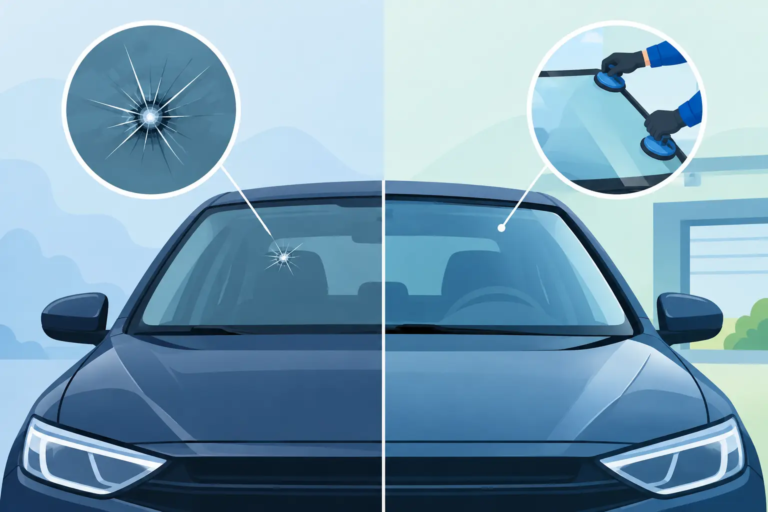
Professional scratch removal also makes sense when replacement feels like overkill. Not every damaged piece of glass needs to be replaced. In many cases, specialized repair can restore the surface well enough to avoid unnecessary cost and downtime. That is a major advantage for busy drivers and fleet operators who need a practical fix, not a drawn-out shop visit.
Mobile service adds another layer of convenience. If your schedule is packed, having a specialist come to your home, office, or vehicle lot saves time and keeps the repair from turning into a half-day disruption.
How professionals remove scratches from car glass
The process starts with inspection, because not every scratch should be treated the same way.
A technician looks at the depth, length, location, and type of glass involved. Surface contamination has to be ruled out first. Then the scratch is evaluated for repair potential. Some can be fully removed. Others can be significantly reduced. And some are too deep or too central to address without risking optical issues.
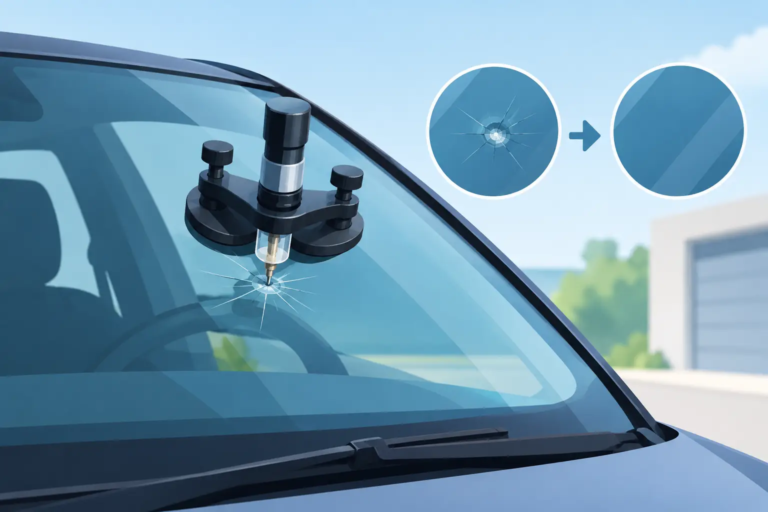
When repair is appropriate, professional-grade compounds and equipment are used to refine the damaged area gradually and evenly. The work is controlled to minimize distortion and restore clarity as much as possible. This is not the same as rubbing on a paste and hoping for the best. It is a specialized process that depends on pressure control, consistency, and experience.
A good specialist will also tell you when repair is not the best answer. That honesty matters. You want someone focused on the right outcome, not just selling a service.
What to do before the scratch gets worse
Once glass is scratched, it will not heal on its own. But you can keep it from getting worse.
Replace worn wiper blades promptly. Clean your windshield before running dry or dirty wipers across it. Use clean microfiber towels instead of paper products or old shop rags. If you park near construction zones or under trees, rinse heavy debris off the glass before wiping. And if you notice a scratch early, deal with it before repeated wiping and weather exposure make it more obvious.
This matters even more in North Texas. Heat, dust, sudden weather changes, and long highway miles create the perfect conditions for minor glass damage to become more noticeable fast.
Repair or replacement?
It depends on the damage and where it sits.
If the issue is a light to moderate surface scratch, repair may be the most cost-effective option. If the glass has deep gouges, widespread pitting, cracks, or distortion in the driver’s primary field of view, replacement may be the safer call. The key is not guessing based on internet tips or trying to save a few dollars with the wrong fix.
A specialist repair company will look at whether the glass can be restored properly before recommending replacement. That approach often saves customers money and avoids replacing parts that still have life left in them. At SuperGlass Denton, that repair-first mindset is exactly why drivers and fleet managers call us before assuming new glass is the only answer.
If you are looking at a scratch and wondering whether it is minor or a real problem, trust what your eyes are telling you. If it catches glare, distracts you at night, or makes the glass look less clear than it should, it is worth having checked by someone who works on glass repair every day.
A clean windshield should disappear when you drive. If you keep noticing the scratch, your car is already telling you it is time to deal with it.