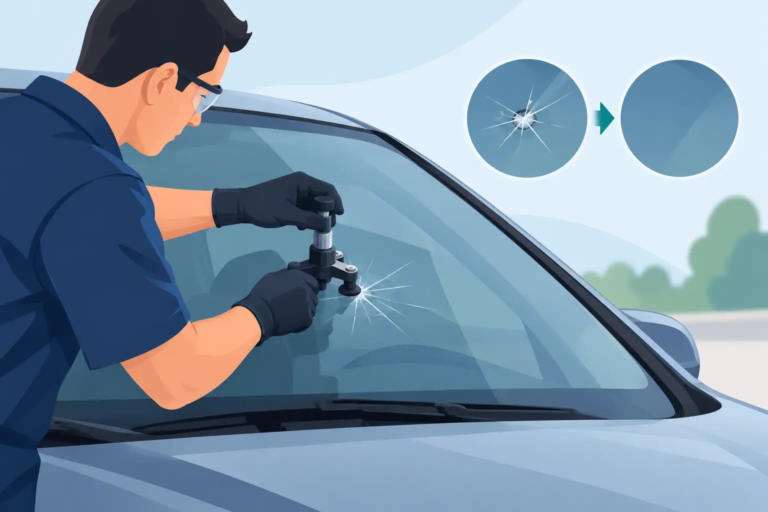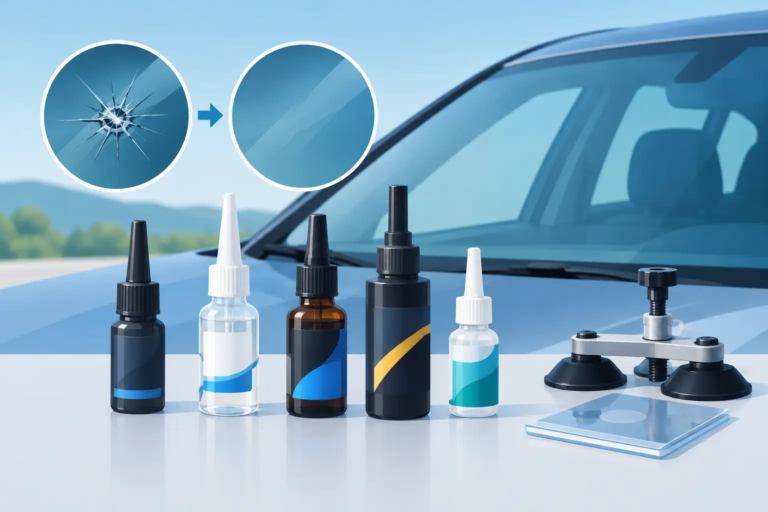

A lot of drivers notice windshield scratches the same way – not in the driveway, but heading into the sun on 35E or during a rainy North Texas commute when every wiper pass lights them up. If you’re searching for how to polish scratched windshield glass, the first thing to know is simple: some scratches can be improved, but not every windshield should be polished aggressively. The goal is better visibility without creating distortion, haze, or a bigger safety problem.
That matters because windshield glass is not like paint, chrome, or household glass. It is laminated safety glass, and the area directly in your line of sight has very little room for error. A scratch-removal attempt that sounds easy online can leave you with a blurry spot, a warped reflection, or fine sanding marks that are worse than the original damage.
How to polish scratched windshield glass without making it worse
The safest approach starts with identifying what kind of mark you actually have. Many drivers think they have scratched glass when the problem is mineral buildup, wiper transfer, road film, or residue from worn blades. Those issues can usually be cleaned off. True scratches feel different. If you run a fingernail lightly across the mark and it catches, you’re dealing with actual surface damage.
Light scratches are sometimes polishable. These are usually shallow marks caused by old wiper blades, trapped debris, or dry wiping on dusty glass. If the scratch is deep enough to catch your nail hard, if it spreads across the driver’s field of view, or if you see pitting mixed with scratching, DIY polishing becomes risky fast.
Before you do anything else, clean the windshield thoroughly. Use an automotive glass cleaner and a clean microfiber towel. Then wipe the area again with a damp cloth and dry it completely. Dirt left on the surface can act like sandpaper once you start polishing, which is exactly what you do not want.
For very light surface marks, a dedicated glass polishing compound that uses cerium oxide is usually the right material. That matters because regular rubbing compound, paint polish, or random abrasive paste is not designed for automotive glass. Windshield glass is much harder than paint, so using the wrong product often wastes time at best and damages the surface at worst.
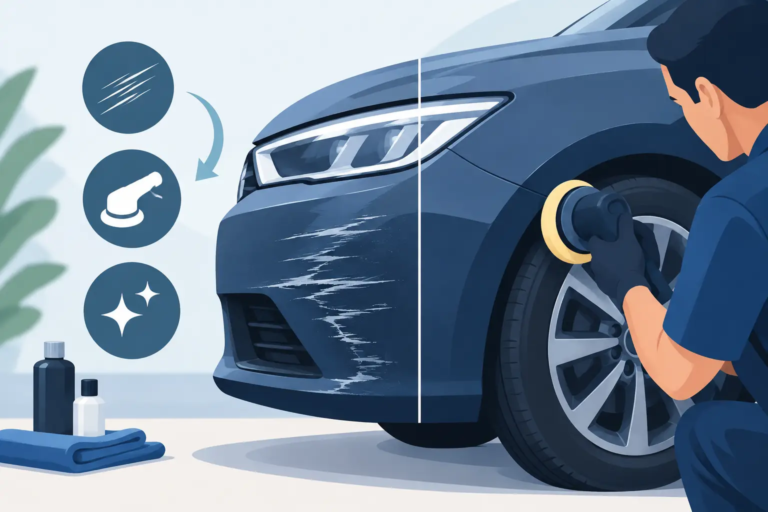
Apply a small amount of glass polish to a felt applicator pad or a polishing pad designed for glass. Work a small section at a time using even pressure. Keep the motion controlled and avoid concentrating too long in one spot. Heat buildup and uneven polishing are what create distortion. If you are using a machine polisher, be especially careful. Power helps, but it also increases the chance of removing too much material from one area.
The key here is patience. Light scratches may improve gradually. They rarely disappear in one pass. Wipe the area clean, inspect it in different light, and stop if the scratch is not changing much. Chasing a deep scratch by polishing harder usually leads to haze or optical distortion.
What products actually help
Drivers often ask whether toothpaste, baking soda, metal polish, or DIY home remedies will work. On windshield glass, those shortcuts are unreliable. They may do almost nothing, or they may leave behind smearing and fine marring. If your goal is clear visibility, use products made specifically for automotive glass.
A proper glass polish with cerium oxide is the industry standard for light scratch correction. Some kits include a pad and drill attachment, but a drill can be too aggressive in the wrong hands. Hand application is slower, yet it gives you more control. That trade-off is worth it for many vehicle owners, especially if the scratch is near eye level.
Good lighting helps more than most people expect. You want to inspect the windshield in shade, direct sun, and nighttime glare if possible. A scratch that looks minor in the garage may be much more noticeable during early morning or late afternoon driving.
When polishing is the wrong answer
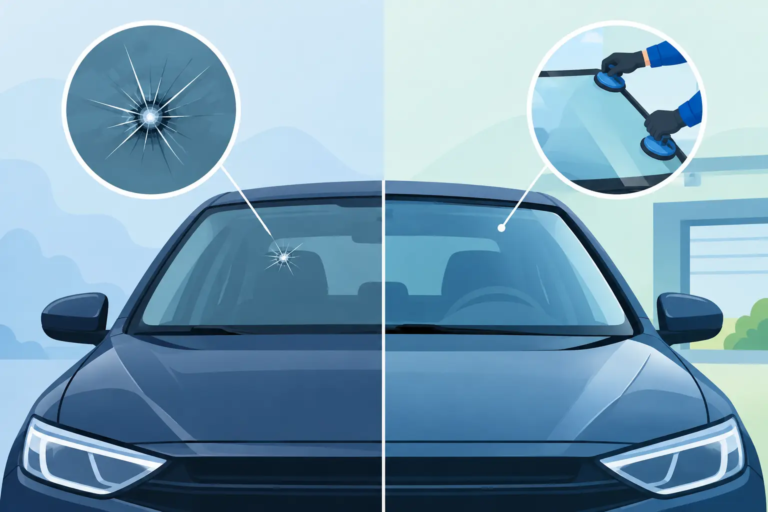
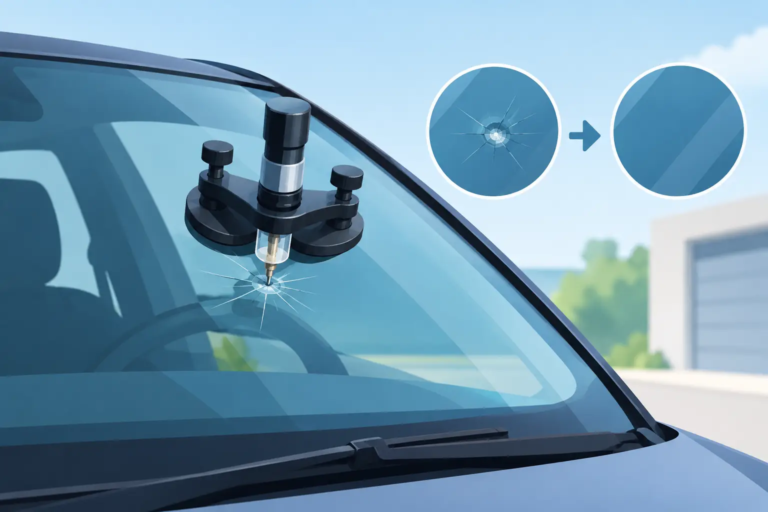
This is where experience matters. Not every scratched windshield should be polished. Deep scratches, wiper arcs worn into the glass, and damage paired with rock chips or cracks can turn into a replacement conversation, not a polishing job.
If the scratch is in the driver’s direct line of sight, even a technically improved result may still be unacceptable if it leaves distortion. The windshield is part of your safety system. Clear vision comes first. There is no prize for saving glass if the repair leaves a ripple that catches headlights at night.
You should also stop and reassess if the damage came from a failed wiper arm dragging across the glass. That kind of contact often leaves multiple deep lines. Surface polishing may soften the appearance, but it usually will not restore the glass completely.
Another factor is age. Older windshields often have a mix of scratches, road pitting, and mineral staining. Polishing one issue may reveal another. Sometimes the smartest move is targeted professional repair. Other times, replacement is simply the cleaner long-term solution.
How to tell if it’s a DIY job or a pro job
A good rule is this: if the scratch is faint, isolated, and hard to feel with a fingernail, a careful DIY polish may be worth trying. If it is obvious from several feet away, catches your nail clearly, or covers a broad area, you are better off getting a specialist opinion.
That is especially true for busy drivers, families, and fleet operators who cannot afford trial and error. A school bus, work truck, or rental unit with distorted glass is not just a cosmetic issue. It affects visibility, driver confidence, and time off the road. A specialist can tell you quickly whether the glass can be restored or whether replacement is the smarter call.
Professional glass scratch removal is not just about having stronger tools. It is about controlling pressure, heat, and finish quality so the repair improves the glass without creating a lens effect. That is where many DIY attempts go sideways.
At SuperGlass Denton, this is exactly the kind of evaluation that saves customers from unnecessary replacement when repair is still a real option. And when repair is not the right answer, it is better to know that up front than after spending money on compounds and pads that do not solve the problem.
Common mistakes when trying to polish scratched windshield glass
The biggest mistake is assuming more pressure equals faster results. It does not. On windshield glass, aggressive polishing can create a visible low spot or haze. Once that happens, the glass may be harder to live with than the original scratch.
The second mistake is using the wrong pad or product. Steel wool, harsh abrasives, and paint correction compounds are not substitutes for true glass polish. Neither are home remedies passed around online.
The third is skipping prep. If the glass is not fully clean, you can grind embedded grit into the surface. Replacing wiper blades before or right after polishing is smart too. Old blades may have caused the scratching in the first place, and they can keep damaging the same area.
Finally, many people work too large an area. Scratch correction should be controlled and localized. If you spread polish all over the windshield without a plan, you increase your chances of inconsistent results.
Preventing the next set of windshield scratches
Once the glass is corrected as much as possible, prevention is straightforward. Replace worn wiper blades on time. Do not run wipers over dry, dusty glass. Wash off heavy pollen, grit, and construction dust before using the blades. If your windshield washer nozzles are weak or clogged, fix them. That small issue often leads drivers to wipe a dirty windshield dry, which is a fast way to add fine scratches.
Parking habits help too. Vehicles parked under trees often collect sap, debris, and grit that get dragged across the glass. Fleet vehicles and daily commuters pick up even more contamination, so regular cleaning matters.
If you have hard water spots or residue, deal with them early. Drivers sometimes scrub too hard trying to remove buildup, and that can make a minor issue worse.
The practical bottom line
If you want to know how to polish scratched windshield glass, the honest answer is that light scratches can sometimes be improved with the right glass polish, a careful hand, and realistic expectations. Deep scratches are different. They need a trained eye, because visibility matters more than experimenting on a safety component.
A windshield does not have to be shattered to deserve professional attention. Sometimes the smartest move is simply getting a straight answer from a repair specialist before a small scratch turns into a bigger problem. Clear glass makes every mile easier, especially when the Texas sun hits at the worst possible angle.