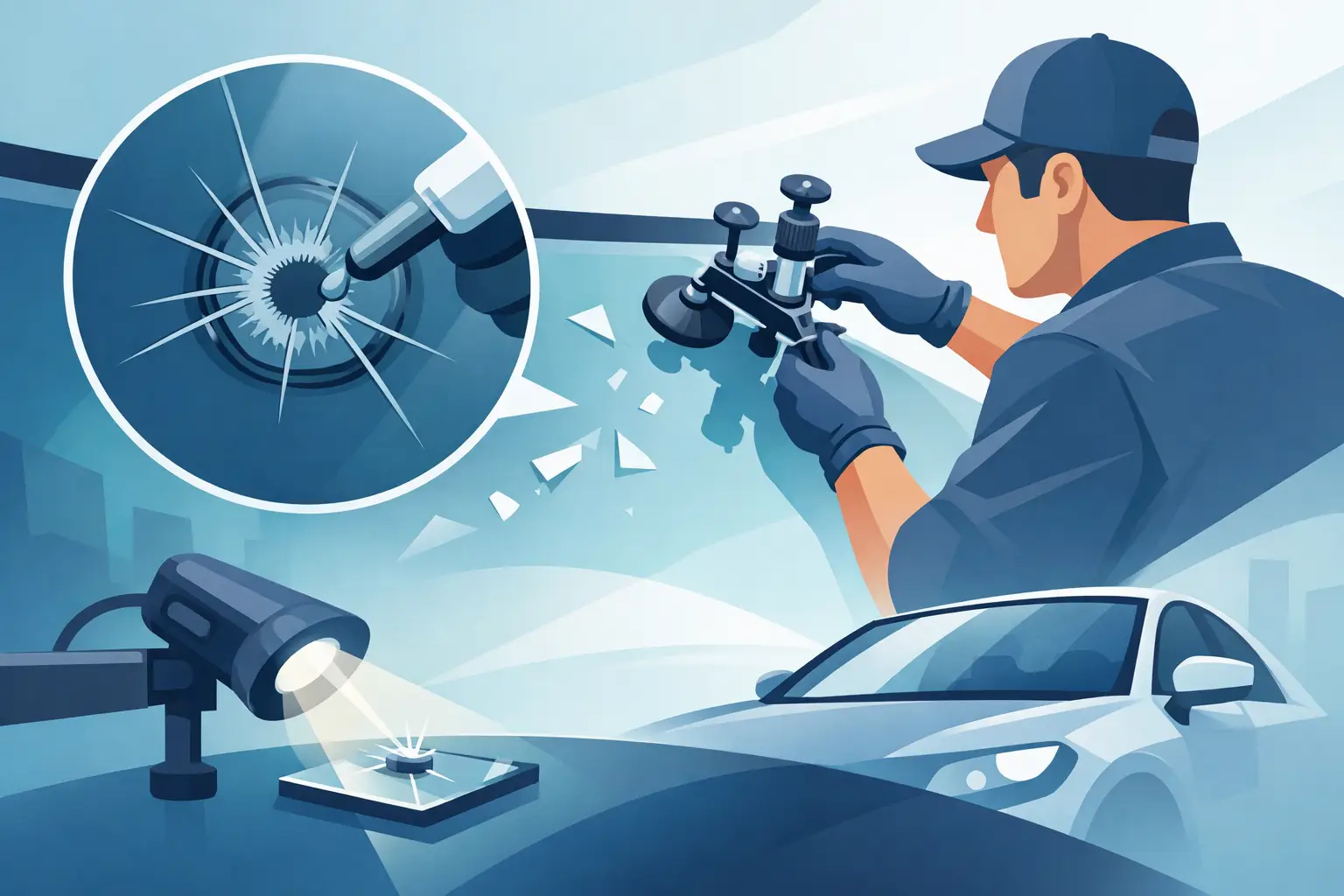
A bullseye chip can look small enough to ignore right up until the next cold morning, pothole, or car wash turns it into a crack that runs across the glass. If you are searching for how to repair bullseye chip damage, the first thing to know is simple: speed matters. The sooner you deal with it, the better the odds of saving the windshield and avoiding a full replacement.
Bullseye chips are one of the more repair-friendly types of windshield damage, but that does not mean every chip should be handled the same way. Size, depth, location, moisture, and contamination all affect whether a clean repair is possible. A quick fix done too late, or done poorly, can leave you with a weaker result and fewer options.
What a bullseye chip actually is
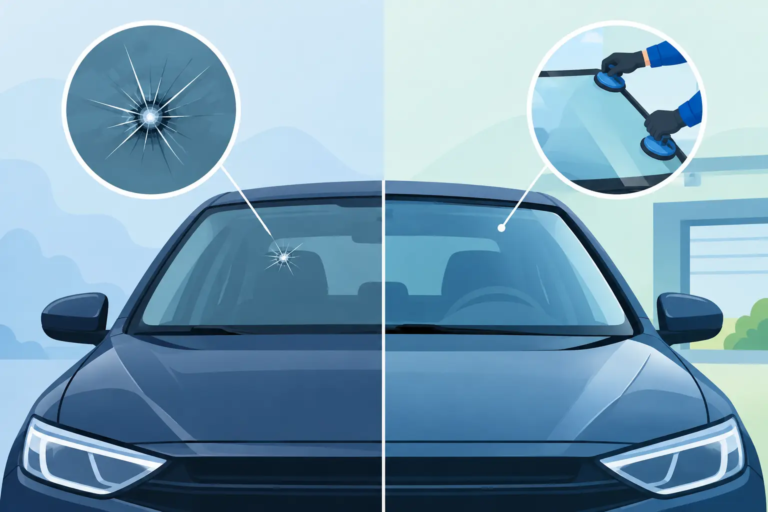
A bullseye chip is usually round and has a clear point of impact with a circular break around it. It often happens when a rock or other road debris strikes the outer layer of the windshield hard enough to remove a cone-shaped piece of glass. From the driver seat, it can look like a small ring, a crater, or a target.
This type of damage is often a strong candidate for repair because it tends to stay more contained than long cracks or multi-leg breaks. Even so, contained does not mean harmless. Windshields are laminated safety glass, and once the outer layer is damaged, stress can travel fast.
How to repair bullseye chip damage step by step
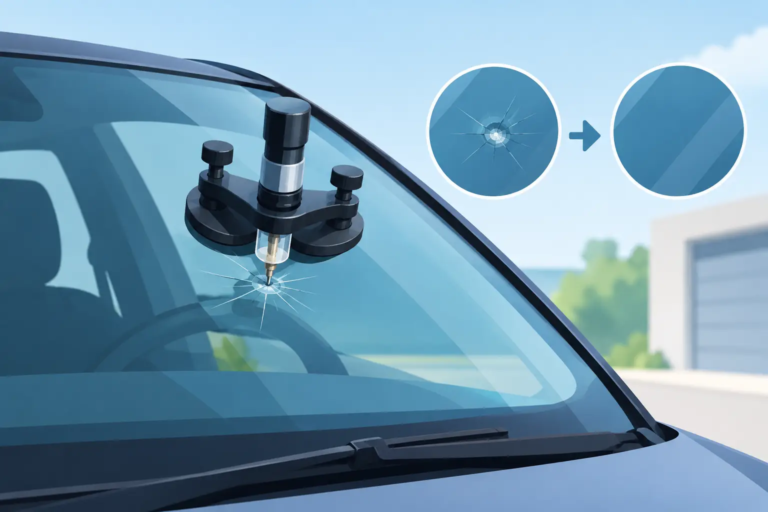
If the chip is small, recent, and not directly in the driver’s critical viewing area, a windshield repair kit may help as a temporary or budget-minded option. The goal is to remove trapped air from the damaged area and replace it with clear resin that bonds the glass and reduces the visibility of the break.
Start by parking the vehicle in a dry, shaded area. Hot glass can make resin cure too quickly, while moisture inside the chip can interfere with the repair. Clean the area around the chip gently, but do not scrub the break itself with force and do not spray glass cleaner into the damage.
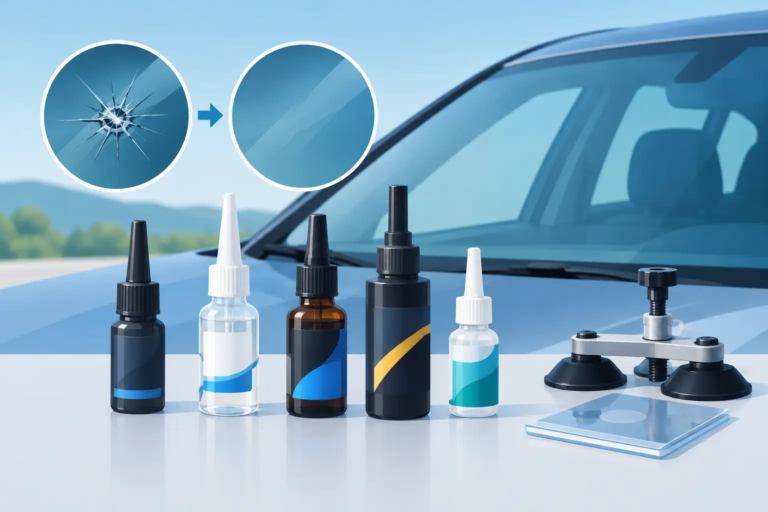
Most kits include an applicator, curing strips, a pedestal or bridge, a razor blade, and resin. You place the tool directly over the bullseye chip, seal it against the glass, and use pressure or vacuum to push resin into the damaged section. This part matters most. If air stays trapped in the break, the repair may look cloudy or fail to bond as well as it should.
Once the resin fills the chip, you let it cure, usually in sunlight or under a UV source depending on the product. After curing, you scrape away the excess resin so the surface is smooth. A decent DIY repair can improve appearance and help stop spreading, but it rarely makes the chip disappear completely.
That is the basic answer to how to repair bullseye chip damage on your own. The real question is whether you should.
When DIY repair makes sense
DIY repair is most realistic when the bullseye is small, fresh, dry, and easy to reach. If the damage is about the size of a dime or smaller, and it has not started growing legs or turning into a crack, a kit may buy you time or even hold up well.
It is less ideal when the chip has been there for days or weeks collecting dirt, washer fluid, or rain. Once contamination gets inside, resin cannot always bond cleanly. The repair may still be possible, but the final result is usually not as clear or as strong.
A kit also makes more sense for drivers who understand the trade-off. You are not restoring the windshield to factory condition. You are trying to stabilize the damage and reduce the chance of replacement.
When a professional should handle it
If the chip is larger, deeper, or close to the edge of the windshield, professional repair is the safer move. Edge damage puts more stress on the glass, and damage in the driver’s line of sight needs a cleaner finish than most DIY kits can deliver.
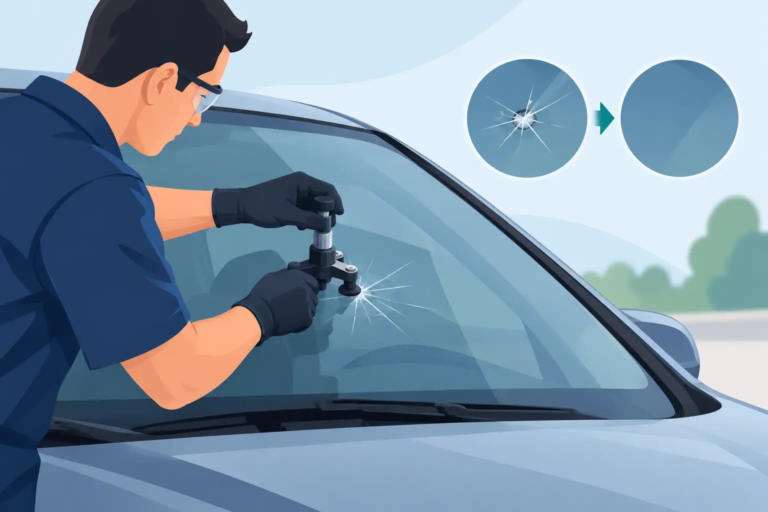
Professional equipment applies resin more consistently and does a better job pulling air and moisture out of the break. That means stronger bonding and a better cosmetic result. A specialist can also tell you quickly whether the windshield is still a good repair candidate or whether replacement is the smarter option.
This is where working with a repair-focused company matters. Not every glass shop is equally motivated to save the windshield. Some move straight to replacement because that is their main business. A true repair specialist looks at whether the glass can be restored first.
Signs the bullseye chip may be too far gone
Not every windshield can or should be repaired. If the impact damage has expanded into long cracks, if the inner layer of glass appears affected, or if the chip is large enough that structural integrity is questionable, replacement may be necessary.
You should also be cautious if the chip sits near sensors or advanced driver assistance camera areas. Modern windshields do more than block wind and bugs. They often support safety systems, and poor repair or incorrect replacement decisions can create bigger problems.
Another red flag is a chip that has turned milky, dirty, or wet inside. That does not always make repair impossible, but it lowers the chance of a clean finish. The longer damage sits, the harder it is to get a high-quality result.
What to do before the repair appointment
If you are not repairing it immediately, put a small piece of clear tape over the chip. This helps keep out dirt and moisture during the short term. Use plain clear tape, not duct tape or anything with heavy adhesive.
Avoid slamming doors, blasting the defroster on a freezing windshield, or washing the vehicle with very hot water. Sudden pressure and temperature shifts can push a stable chip into a full crack. In North Texas, that matters more than people think. A windshield can go from cool overnight air to direct sun and cabin heat in a hurry.
If you drive a work truck, school vehicle, or fleet unit, do not leave chip repairs for the next maintenance cycle unless the damage has already been evaluated. Small glass damage has a way of becoming downtime at the worst possible moment.
Why bullseye chip repair is usually worth doing
Repair is almost always faster and less expensive than replacement when the damage qualifies. It preserves the original factory seal, avoids the time and cost of a full windshield job, and reduces the risk of the chip spreading across the glass.
There is also a practical safety point here. The windshield contributes to the structural strength of the vehicle. Even a minor break weakens that outer layer. Repair restores part of that strength and helps keep the damage from getting worse under everyday driving conditions.
For many drivers, the biggest benefit is avoiding a chain reaction. One rock chip today can become a windshield replacement next week. Handling it early is the cheaper move.
How to choose the right help
If you are comparing your options, ask one direct question first: do they specialize in repair, or do they mostly replace glass? That answer tells you a lot. A company focused on repair is more likely to give you an honest assessment of whether your bullseye chip can be saved.
You should also ask about mobile service, warranty coverage, and whether they handle difficult repairs other shops turn away. Busy drivers and fleet managers do not need a complicated process. They need someone who can show up, evaluate the damage properly, and fix it without wasting half the day.
That is one reason local drivers across Denton and nearby North Texas communities often look for specialist service instead of a one-size-fits-all glass shop. SuperGlass Denton is built around repair first, which is exactly what matters when the goal is saving the windshield instead of replacing it unnecessarily.
A realistic expectation after the repair
A successful bullseye repair should stop or greatly reduce spreading, improve the appearance, and restore strength to the damaged area. It will not always make the chip invisible. Some small mark or distortion may remain, especially if the break had dirt or moisture in it before repair.
That does not mean the repair failed. Windshield repair is about stabilizing the glass and extending its life. The best repairs are often the ones that keep you from needing anything more.
If you are staring at a round chip and wondering whether it can wait, it probably should not. Bullseye damage is often repairable when caught early, and that small window is what saves people money. Take care of it while it is still a repair, not after it turns into a replacement.