
You notice the chip when the sun hits it just right at a stoplight. By lunch, you are wondering whether it is safe to drive, whether insurance will help, and whether that tiny mark is about to turn into a full crack across the glass. That is exactly why a good windshield chip repair FAQ matters – because quick, clear answers can save you time, money, and a windshield.
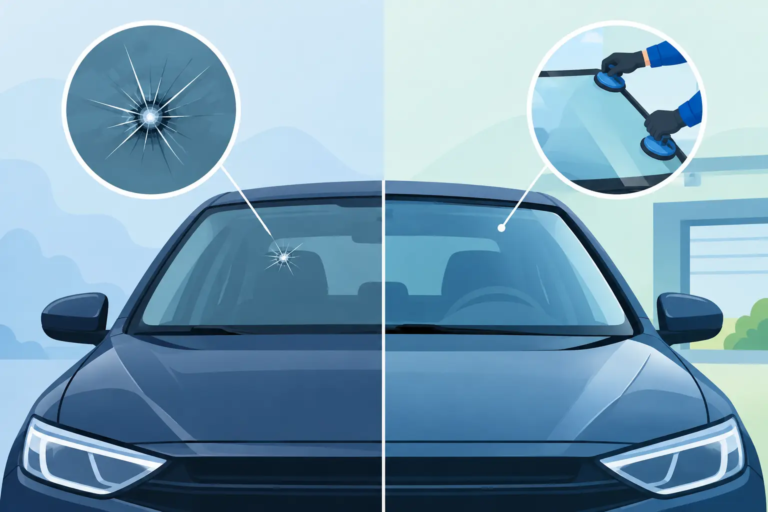
A lot of drivers assume any damage means replacement. That is not true. In many cases, a professional repair can stop the damage from spreading, improve visibility, and keep the original windshield in place. For busy drivers in Denton and across North Texas, that is usually the better outcome if the chip qualifies.
Windshield chip repair FAQ: Can a chip really be repaired?
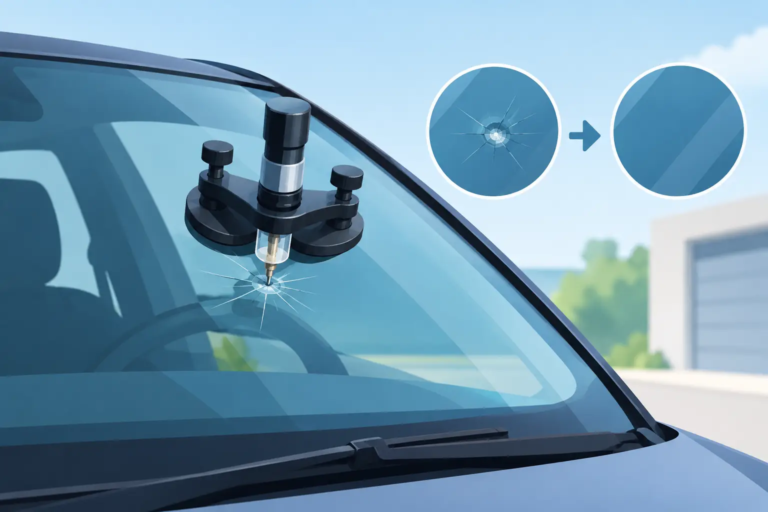
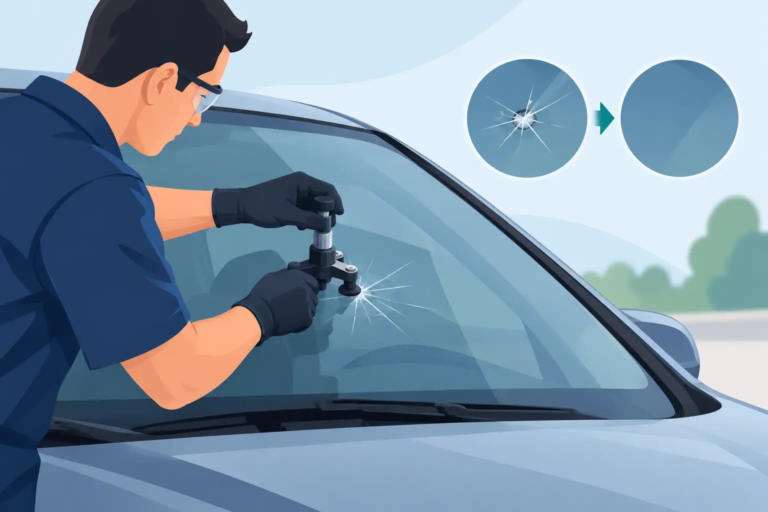
Yes, many chips can be repaired successfully. The goal of repair is not to make the damage disappear completely. The goal is to restore structural strength, reduce the visibility of the break, and keep the damage from turning into a larger crack.
Whether repair is possible depends on the size, depth, type, and location of the chip. A small bullseye, star break, or combination break often repairs well if it is treated early. If moisture, dirt, or time have contaminated the damaged area, results can be less predictable. That is one reason waiting is rarely the smart move.
Repair also depends on where the chip sits. Damage near the edge of the windshield is more likely to spread because that area carries more structural stress. Chips directly in the driver’s critical line of sight may also need a closer evaluation. Sometimes the issue is not whether the glass can be filled. It is whether the final result will be safe and acceptable for visibility.
How quickly should you fix a windshield chip?
As soon as possible.
That is the short answer, and it is the right one. Heat, cold, road vibration, potholes, car washes, and everyday driving all put pressure on damaged glass. In North Texas, temperature swings alone can turn a small chip into a long crack faster than most people expect.
There is also a cleanliness issue. Once dust and moisture work their way into the break, the repair becomes more difficult. A fresh chip usually gives the best result because the resin can bond better inside the damaged area. If you want the strongest repair and the cleanest finish, early service gives you the best chance.
Will the chip disappear after repair?
Usually not completely.
That answer surprises some people, but it is better to be straight about it. Windshield chip repair is designed to improve the damage, not erase all evidence that it happened. Most repairs leave some faint mark behind, especially if the break was larger, darker, or had trapped debris.
What should improve is the appearance, strength, and stability of the glass. In many cases, the chip looks dramatically better after repair. More importantly, the windshield is far less likely to keep cracking. If someone promises a perfect invisible result every time, that is a red flag.
Is it safe to drive with a chipped windshield?
It depends on the size and location of the damage.
A very small chip may not create an immediate safety crisis, but it is still a weakness in the glass. A windshield does more than block wind and rain. It supports the structure of the vehicle, helps with proper airbag deployment, and contributes to roof strength in some impacts. Even minor damage should be taken seriously.
If the chip is spreading, sits near the edge, or interferes with your line of sight, get it checked right away. The same goes for fleet vehicles, work trucks, and school transportation, where visibility and downtime matter even more. Small problems are cheaper and easier to handle before they become operational headaches.
How long does windshield chip repair take?
Most repairs are fast. In many cases, the actual repair takes around 30 minutes or less, depending on the damage.
That does not mean every job is identical. Some chips are simple and clean. Others have multiple legs, contamination, or awkward placement. Mobile service can make the process even easier because the repair is done where the vehicle already is – at home, at work, or on-site for a fleet.
For most customers, that convenience matters as much as the repair itself. If you can save the windshield without losing half a day, that is a practical win.
What does windshield chip repair cost?
Repair is usually far less expensive than replacement. That is one of the biggest reasons people choose it when the damage qualifies.
Exact pricing depends on the number of chips, the severity of the break, and whether there are special vehicle considerations. For commercial fleets, the value goes beyond the ticket price. Saving original glass can reduce downtime, simplify scheduling, and keep more vehicles in service.
If you are comparing repair to replacement, remember to factor in more than just the glass itself. Replacement can involve recalibration on some vehicles, more time out of service, and a much higher overall bill. Repair is often the smarter first move when it is still on the table.
Will insurance cover chip repair?
Sometimes, yes.
Coverage depends on your policy. Some auto policies include glass repair benefits with low or no out-of-pocket cost, while others apply deductibles or provide different terms for repair versus replacement. Since policies vary, it is worth checking before assuming anything.
That said, many drivers choose repair even without insurance involvement because the cost is manageable and the process is fast. If the chip can be repaired professionally, taking care of it early may help you avoid a much bigger expense later.
When is replacement the better option?
Not every windshield can or should be repaired. That is where experience matters.
Replacement may be necessary if the damage is too large, runs deep through multiple layers, has already turned into a long crack, or sits in a location where a repair would not provide a safe result. Edge damage can be especially tricky. So can chips that have been ignored long enough to spread significantly.
This is where a specialist stands apart from a general glass shop. A real repair-first provider knows when a windshield can be saved and when it cannot. The right answer is not always repair. The right answer is the one that makes sense for safety, value, and long-term performance.
Can a repaired chip crack later anyway?
Yes, that can happen.
A professional repair greatly reduces the chance of spreading, but no honest shop should claim that every repaired chip is guaranteed never to move again under any condition. Glass is under constant stress, and every break is different. Size, shape, location, temperature, and driving conditions all play a role.
What you want is a high-quality repair backed by confidence. That is one reason customers look for specialists who stand behind their work instead of treating repair like an afterthought. SuperGlass Denton has built its reputation on exactly that mindset – save the glass when it can be saved, and do the job right.
Can you use a DIY kit instead?
You can, but that does not mean you should.
Store-bought kits appeal to people because they look quick and cheap. Sometimes they help a little on very minor, very fresh damage. Just as often, they deliver weak results, trap air, leave the break looking messy, or make a later professional repair harder. If the chip matters enough for you to worry about it, it usually matters enough to have it handled properly.
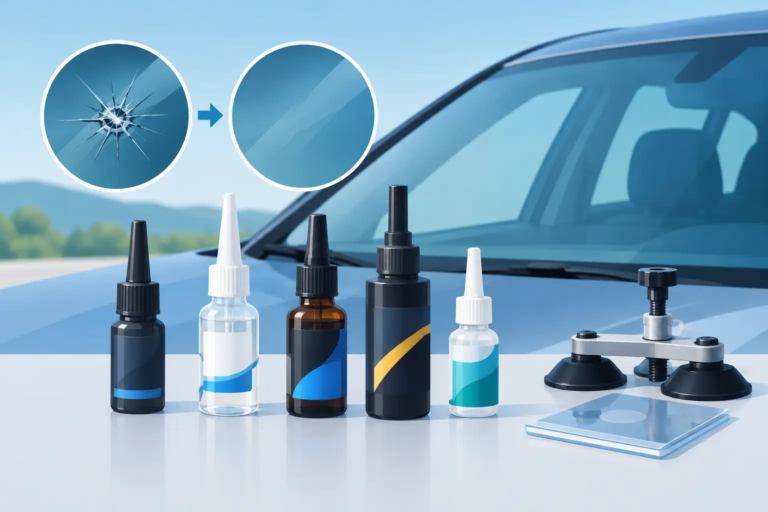
Professional repair uses better tools, better resin, and a technician who knows how different breaks behave. That judgment matters. Two chips can look similar to a driver and require very different approaches in the field.
What should you do before the repair appointment?
Keep the damaged area as clean and dry as possible. Do not poke at it, wash it aggressively, or pour random substances into it. Tape can help protect a fresh chip temporarily if you need to keep out dust and moisture, but it is only a short-term measure.
If you have a mobile appointment, make sure the vehicle is parked where the technician has safe access. Shade can help in hot weather, but the main thing is keeping the process simple and efficient. Good prep helps the technician focus on the repair itself, not on cleaning up avoidable contamination.
Windshield chip repair FAQ for fleets and work vehicles
For fleet managers, the question is not just whether a chip can be repaired. It is whether the solution keeps vehicles moving without creating more downtime next week.
That is why fast evaluation matters. A repair-first approach can be especially valuable for trucks, rental vehicles, and buses that spend long hours on the road and pick up damage often. If the chip is handled early, you may avoid replacement scheduling, route disruption, and a vehicle sitting out of service for longer than necessary.
The key is consistency. You need a provider who can assess damage honestly, work on-site, and treat glass repair like a specialty instead of a side service. That is how minor damage stays minor.
If you are staring at a small chip and hoping it stays that way, do not count on luck. Get an expert opinion while repair is still an option, and you will usually have more control over the cost, the time, and the outcome.