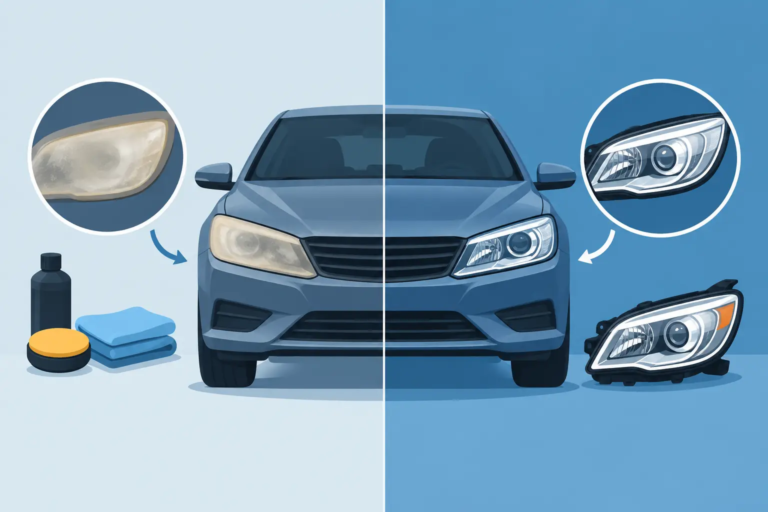
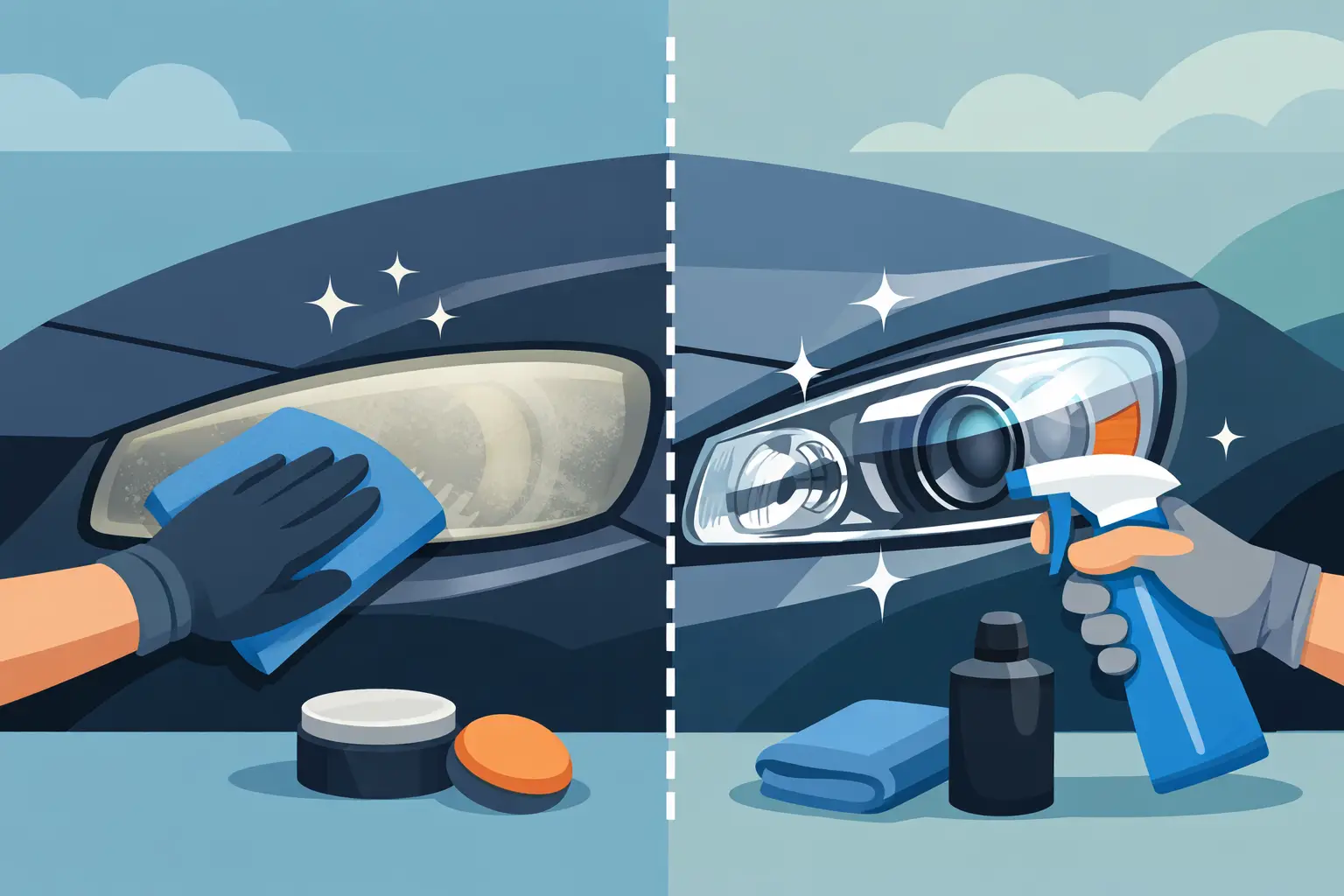
That cloudy, yellow film on your headlights is not just an eyesore. It cuts down light output, makes night driving harder, and can make an otherwise solid vehicle look older than it is. If you are asking, can headlight oxidation be removed, the short answer is yes – in many cases, it absolutely can.
The bigger question is how far the damage has gone and whether a quick DIY attempt will actually last. For most drivers in Denton and across North Texas, the real goal is simple: get clear headlights back without wasting money on full replacement if restoration will do the job.
Can headlight oxidation be removed without replacement?
Usually, yes. Headlight oxidation forms when the outer plastic lens breaks down from UV exposure, road grime, heat, weather, and time. Most modern headlight lenses are made from polycarbonate, which is durable but not immune to wear. Once the factory protective coating starts to fail, the lens begins to haze, yellow, and look chalky.
In many cases, that oxidation sits on or near the surface. That means a proper restoration process can remove the damaged outer layer, polish the lens, and apply protection so the clarity returns. If the oxidation is severe but still limited to the outer lens, restoration is often the smarter and more cost-effective move.
Replacement enters the picture when the lens has deep internal damage, major cracking, moisture intrusion, or structural failure. If the problem is inside the assembly and not just on the surface, no amount of polishing will fix it.
Why headlights oxidize in the first place
North Texas weather is hard on vehicles. Strong sun, heat, dust, highway driving, and daily exposure all speed up lens deterioration. A vehicle parked outside every day will usually show oxidation sooner than one kept in a garage.
Once the UV-resistant factory coating wears away, the plastic starts reacting to the environment. That is when you see fading, yellowing, and a rough or cloudy finish. Some headlights also collect tiny pits from road debris, which makes the surface scatter light instead of projecting it cleanly.
This is why headlights can look dull even after a wash. The issue is not surface dirt alone. It is actual material breakdown.
How to tell if oxidation can be removed
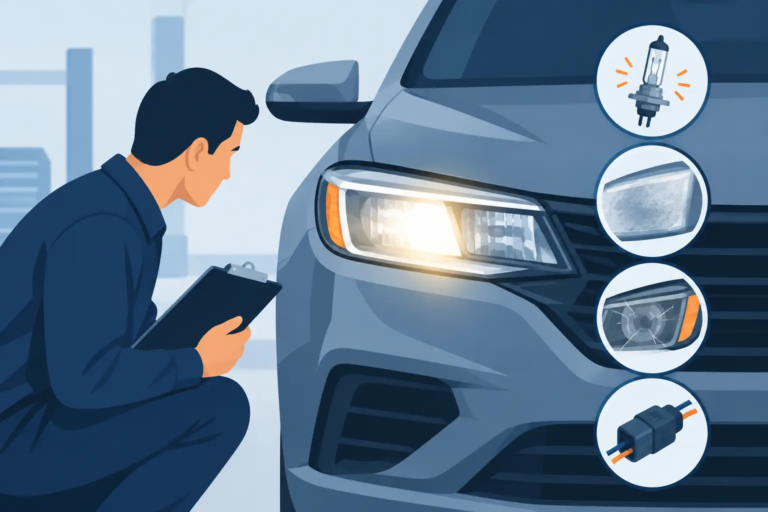
A quick inspection usually reveals a lot. If the lens looks cloudy, yellow, or lightly scratched but still feels structurally sound, restoration is likely an option. If you can see the haze mostly on the outside and the lens is not cracked through, that is a good sign.
Here is where it depends. Mild to moderate oxidation responds well to professional restoration. Heavy oxidation can still often be corrected, but the process may take more aggressive sanding and polishing. On the other hand, if the headlight has deep fractures, broken seals, standing moisture, or obvious internal discoloration, the issue may be beyond surface repair.
For most drivers, the safest route is not guessing based on a video or a kit label. It is having a specialist look at the lens and tell you plainly whether restoration will hold up or whether replacement is the better call.
DIY kits vs professional headlight restoration
DIY headlight kits are everywhere, and some do improve appearance for a while. That is the honest answer. If the oxidation is light and you follow the directions carefully, you may get a visible improvement.
The problem is durability. A lot of store-bought kits make headlights look better temporarily, but they do not fully correct the surface or re-protect it in a way that lasts. Some drivers also end up with uneven sanding marks, patchy clarity, or a lens that looks better for a month and then turns cloudy again.
Professional restoration is different because the process is controlled from start to finish. The damaged layer is removed correctly, the lens is refined evenly, and the final surface is sealed to slow future oxidation. That matters if you want more than a short-lived cosmetic fix.
For fleet vehicles, work trucks, school buses, and daily commuters, that difference matters even more. Downtime, repeat work, and inconsistent results cost more than doing it right the first time.
What a proper restoration process should do
A real headlight restoration is more than wiping on a product and hoping for the best. The goal is to remove the failed layer, restore optical clarity, and protect the lens going forward.
That usually means cleaning the area thoroughly, sanding away oxidation in controlled stages, polishing the lens to restore transparency, and applying a protective finish. Skip the protection step and the oxidation often comes back fast. That is one of the biggest reasons DIY jobs disappoint people.
A specialist also knows when to stop. If the lens can be restored safely, the work should improve both appearance and performance. If the damage has gone too far, a trustworthy technician should say so instead of overpromising.
Safety matters more than appearance
Most people notice oxidation because the headlights look bad. The more serious issue is visibility. Clouded lenses reduce usable light output, which affects how well you see lane lines, pedestrians, road signs, and hazards at night or in bad weather.
That becomes a real problem on darker roads outside the city, during rainy evenings, or on early morning commutes. Families, daily drivers, and anyone spending time on North Texas highways should take that seriously.
There is also the issue of light pattern. Oxidized headlights do not just get dimmer. They can scatter light poorly, which means less effective illumination where you need it. Restoring the lens can improve how your lights actually perform, not just how they look in the driveway.
When restoration makes the most financial sense
If your headlights are oxidized but otherwise intact, restoration is usually far less expensive than replacing the full assemblies. That is especially true on newer vehicles, higher-end trims, and commercial units where replacement parts can get expensive quickly.
For business owners and fleet managers, this is a practical decision. If multiple vehicles have headlight haze, replacing assemblies across the fleet can add up fast. Restoration can help maintain safety and appearance without taking vehicles out of service longer than necessary.
For everyday drivers, the same logic applies. If the lens can be restored properly, there is no reason to jump straight to replacement. A specialist repair approach often saves money while extending the life of the original components.
How long restored headlights last
This depends on the condition of the lens, the quality of the restoration, and how the vehicle is used and stored. A professionally restored and protected headlight should last much longer than a quick wipe-on fix.
Still, there are trade-offs. A vehicle parked outside in full sun every day will face more UV stress than one kept indoors. Highway miles, weather exposure, and cleaning habits also make a difference. No restoration makes a headlight immune to future wear, but quality work can reset the clock in a meaningful way.
That is why choosing an experienced repair specialist matters. At SuperGlass Denton, the focus is on restoring what can be saved and being honest when replacement is the smarter option. That approach protects both your vehicle and your wallet.
The best next step if your headlights are cloudy
If your headlights have started to yellow, haze over, or look dull, waiting rarely helps. Oxidation tends to get worse, not better. What starts as a cosmetic issue can turn into a visibility and safety problem.
The good news is that many oxidized headlights can be restored without replacing the entire unit. The key is catching the damage before it turns into deeper structural failure. A quick expert assessment can tell you whether restoration is possible and whether it is worth doing now.
Clear headlights do more than improve curb appeal. They help you see better, drive safer, and avoid paying for replacement when repair is still on the table. If your lenses are telling you they have had enough of the Texas sun, that is a good time to act.