
A sidelined truck, school bus, or rental unit rarely starts with a major failure. More often, it starts with a small windshield chip that got ignored through a few routes, a few weather swings, and one hard bump in the road. That is why a solid fleet glass maintenance guide matters. Good glass care is not about cosmetics alone. It protects driver visibility, controls operating costs, and keeps minor damage from turning into full replacement.
For fleet managers in North Texas, the challenge is not knowing that glass damage happens. The challenge is catching the right issues early enough to fix them fast without disrupting schedules. Heat, highway debris, construction zones, and long daily mileage all work against you. If your process is loose, even small chips can spread before anyone reports them.
Why a fleet glass maintenance guide saves more than glass
Fleet glass is easy to push down the priority list because the vehicle still runs. But damaged windshields and side glass create a chain reaction. Visibility gets worse. Driver complaints increase. Safety concerns become harder to dismiss. Then a repairable chip becomes a crack, and a quick service call becomes a replacement with more downtime.
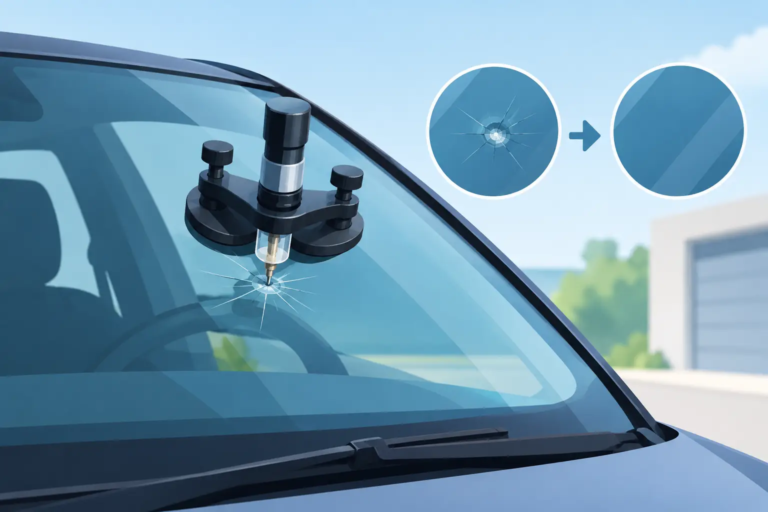
That trade-off is where many fleets lose money. Repair is usually faster, less disruptive, and less expensive than replacement. It also helps preserve the original glass when the damage is still within repairable limits. For a busy fleet, that difference adds up across dozens or hundreds of vehicles over the course of a year.
There is also the issue of consistency. One driver may report every chip right away. Another may ignore damage until it gets serious. A maintenance standard removes guesswork and makes reporting part of the job, not a judgment call.
The most common fleet glass problems
Not all glass damage deserves the same response. Chips from road debris are the most common issue, especially on highways and construction corridors. These are often repairable if caught early and if they are not in a critical area or already spreading.
Long cracks are a different story. Once a crack runs, the chance to save the windshield usually gets smaller. Temperature swings can accelerate that process, and North Texas gives you plenty of those. A cool morning followed by a hot afternoon can be enough to turn stable damage into a larger problem.
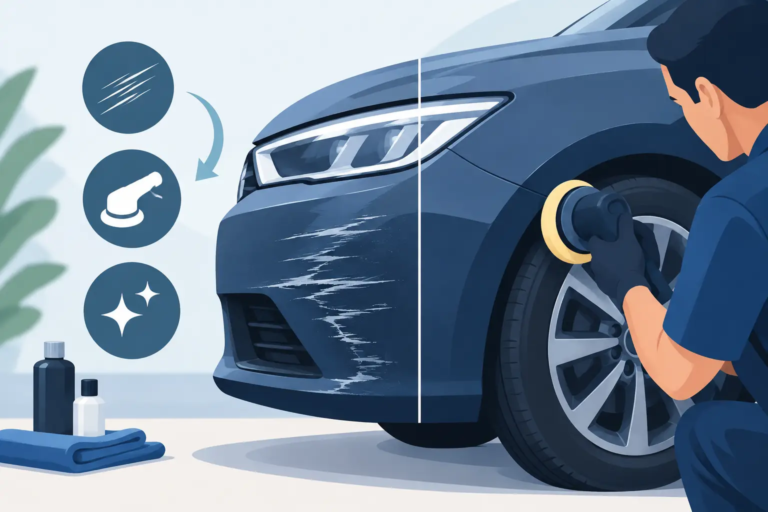
Scratches and surface wear matter too, especially on vehicles that log heavy miles. Wiper wear, trapped grit, and poor cleaning habits can gradually reduce clarity. On fleet vehicles that operate early mornings, late evenings, or in bad weather, that loss of visibility is not a small issue.
Side and rear glass need attention as well, but windshields usually deserve the closest watch because they affect both safety and structural performance. If your fleet includes trucks, buses, or rentals, each category may have a different damage pattern. Buses often deal with high daily use and exposure. Rentals can suffer from inconsistent driver reporting. Service trucks and commercial vehicles tend to pick up more highway debris.
What drivers should check every day
The best fleet glass maintenance guide is one drivers will actually follow. That means keeping inspections simple and tied to daily routines. Drivers do not need a technical checklist that takes twenty minutes. They need a fast visual habit before the first trip and a clear expectation to report new damage immediately.
A basic walkaround should include the windshield, side glass, rear glass, mirrors, and wiper condition. Drivers should look for chips, spreading cracks, pitting, hazy areas, and scratches that catch light. They should also note whether wipers are chattering, smearing, or dragging debris across the glass.
The key is speed and consistency. If a driver notices a fresh chip today, there is a good chance it can still be repaired. If nobody says anything until next week, the answer may change.
Set repair thresholds before damage happens
Many fleets waste time because they make decisions case by case with no standard. A better approach is to decide in advance when damage gets reported, when it gets inspected, and when it gets repaired.
For example, any new chip should be reported the same day. Any crack should trigger immediate review. Damage in the driver’s primary viewing area should move to the front of the line because visibility issues can become a liability issue fast. Wiper-related scratching or haze should not be brushed off if it affects safe driving in glare or rain.
It also helps to define who approves service and how quickly that approval happens. If a manager needs three days to sign off on a basic repair, the fleet is already losing the time advantage that makes repair valuable in the first place.
Why timing matters in North Texas
Glass damage does not stay still for long around Denton and the surrounding North Texas area. Summer heat puts stress on existing chips. Sudden cold snaps do the same. Add highway speeds, rough roads, and constant vibration, and minor damage can change fast.
This is one place where local service matters. A provider familiar with regional driving conditions understands how quickly a repair window can close. Mobile service matters too, because fleet vehicles do not always have time to sit at a shop across town. When service comes to your lot, office, depot, or job site, it is easier to act early instead of waiting until damage gets worse.
Train for reporting, not diagnosis
One common mistake is expecting drivers to decide whether glass can be repaired. That is not their job. Their job is to notice changes and report them. The more you ask drivers to diagnose damage, the more likely they are to wait, guess wrong, or ignore the issue.
Keep the standard simple. If it is new, report it. If it spreads, report it. If it affects visibility, report it now. Let a specialist determine whether repair is possible.
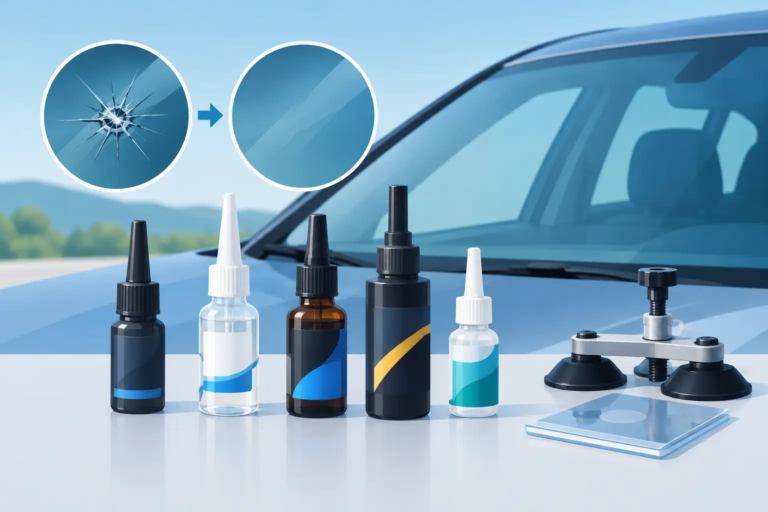
That approach also keeps your fleet from replacing glass unnecessarily. A lot of businesses assume damage means replacement because that is what generalists recommend. In reality, many chips and some other surface issues can be addressed without replacing the whole unit, which saves money and keeps vehicles in service.
Build glass care into preventive maintenance
Fleet glass should not live in a separate silo from the rest of your maintenance plan. If your vehicles already come through scheduled inspections, service intervals, or safety checks, glass should be part of that workflow.
This does not have to be complicated. Add a glass condition note to regular service records. Track recurring issues by vehicle type, route, or driver use. If one class of vehicle keeps showing the same windshield damage pattern, there may be an operational fix behind it, such as route changes, following distance, parking exposure, or better wiper replacement timing.
You should also keep cleaning practices in check. Dirty towels, low-grade tools, and neglected wipers can do slow damage over time. A clear windshield can be worn down by bad habits just as surely as by road debris. That kind of wear may not trigger an urgent service call, but it still reduces clarity and professional appearance.
Choosing the right service partner for fleet glass maintenance guide planning
A fleet service partner should do more than show up when glass breaks. You want a specialist who understands repair first, responds quickly, and works in a way that fits fleet operations. That means clear communication, consistent workmanship, and realistic recommendations.
This is where experience matters. Some companies jump straight to replacement because it is easier for them to sell or because they are not set up for high-quality repair work. A true specialist will tell you when repair makes sense, when replacement is necessary, and when surface restoration can improve clarity without overselling the job.
For fleet managers, convenience is not a bonus. It is part of the value. Mobile service reduces disruption, especially when multiple units need attention. SuperGlass Denton works with fleet customers who need exactly that kind of practical response – fast service, honest recommendations, and repairs that help avoid unnecessary replacement whenever possible.
A simple standard gets better results
The strongest fleet programs are rarely the most complicated. They are the ones drivers understand, managers enforce, and service partners can support quickly. Catch chips early. Treat visibility as a safety issue, not a cosmetic one. Make reporting routine. Use repair whenever it is the right option, and do not wait for small problems to earn a larger invoice.
If your fleet spends long hours on North Texas roads, glass maintenance is not a side task. It is part of staying available, professional, and safe. A clear windshield keeps drivers focused on the road ahead, and a smart process keeps your vehicles there too.