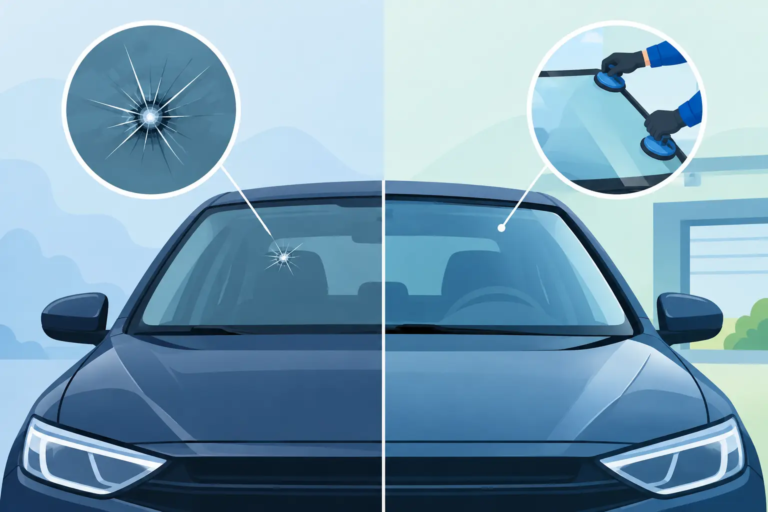
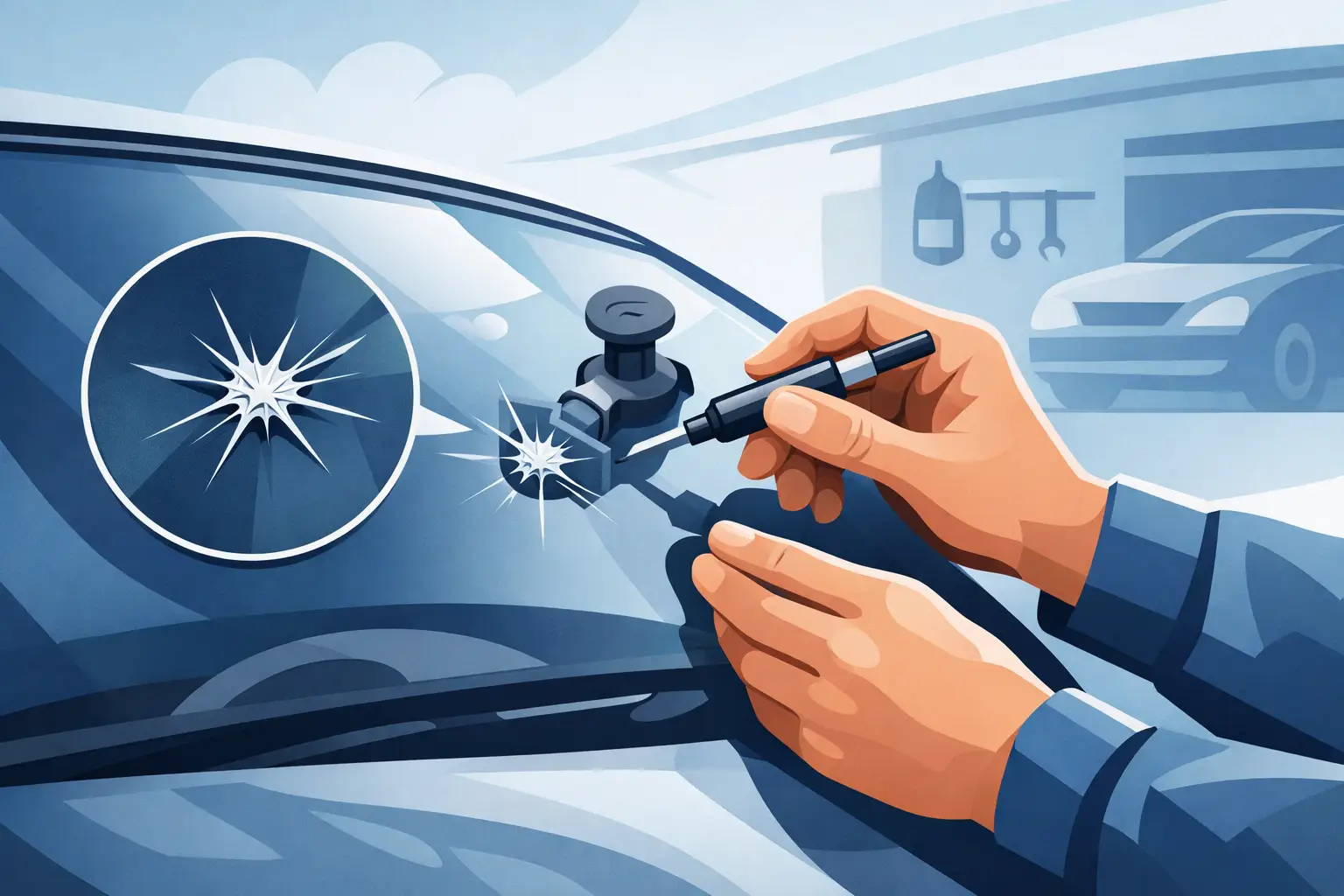
A star break can look minor at first – a small impact point with thin cracks shooting out like a spider. Then North Texas heat gets involved, the glass flexes on your morning commute, and suddenly that repairable chip starts turning into a windshield replacement. If you are searching for how to repair star break windshield damage, the first thing to know is simple: speed matters.
A star break is one of the most common types of windshield damage, and in many cases it can be repaired without replacing the whole glass. The catch is that not every star break should be handled the same way. Size, depth, location, contamination, and how long it has been exposed all affect whether a repair will hold.
What a star break windshield actually is
A star break happens when something strikes the windshield hard enough to create a central impact point with short cracks radiating outward. It is different from a simple bullseye chip or a long running crack. The shape matters because those legs can keep spreading if the glass is stressed.
That is why timing is such a big deal. A fresh star break is usually easier to repair cleanly than one that has collected dirt, moisture, washer fluid, or road grime. Once contamination gets inside the break, getting a clear, strong repair becomes harder.
How to repair star break windshield damage step by step
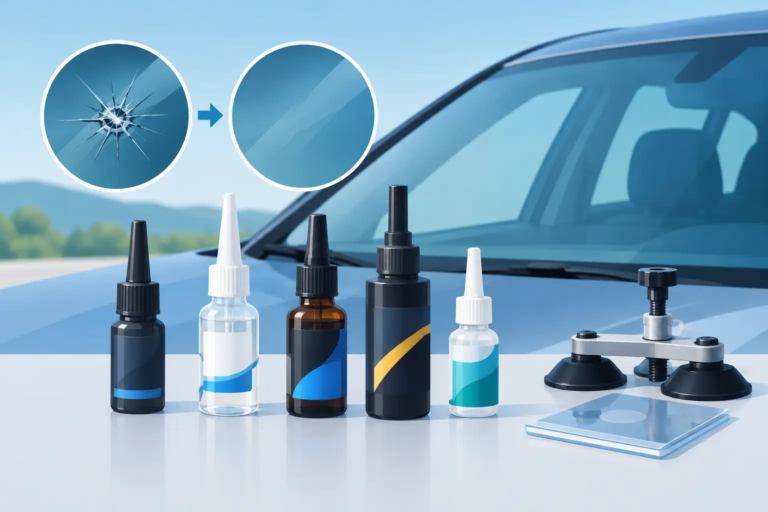
If the damage is small, not directly in the driver’s critical viewing area, and has not already spread into a long crack, a windshield repair kit may work. DIY repair is really about stabilization. You are trying to inject resin into the damaged area, bond the glass layers, and reduce the chance of the crack traveling farther.
Start by checking the size. In general, a small star break has a better chance of repair than a large one. If the break is bigger than a repair kit is designed for, or if several legs are running outward, you are already in territory where professional equipment usually gives better results.
Clean the outside of the windshield gently, but do not scrub the damaged spot aggressively. You do not want to force debris deeper into the break. If there is loose surface glass, remove only what the kit instructions allow. Keep the area dry. Moisture trapped in the damage can interfere with the resin.
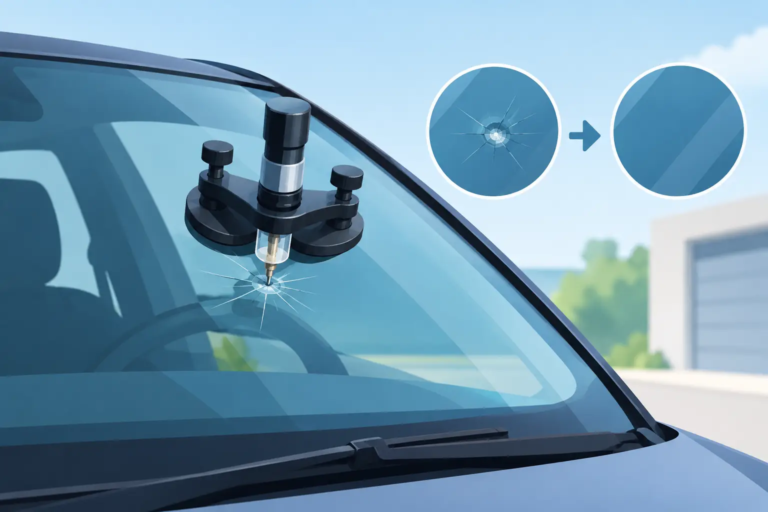
Next, position the repair tool directly over the impact point. Most kits use a bridge or suction-mounted applicator that centers over the chip. This step matters more than people think. If the injector is off-center, the resin may not flow properly into the legs of the star break.
Apply the resin as directed, then use the pressure and vacuum cycle if your kit includes one. That pressure change helps pull air from the break and push resin into the damaged channels. Air pockets are the enemy here. A repair that looks filled on the surface can still fail if voids remain inside.
Once the resin has penetrated the break, curing comes next. Most systems use UV light or direct sunlight to harden the resin. After curing, scrape away excess material with the provided blade and polish the area if the kit calls for it.
Will it disappear completely? No. A proper repair usually makes the damage far less visible and much more stable, but the goal is not invisibility. The goal is stopping spread, restoring strength, and avoiding replacement when possible.
When DIY works and when it does not
A do-it-yourself repair can be worth trying if the star break is fresh, relatively small, and easy to access. If you caught it quickly after impact and the glass is otherwise in good condition, you may get a solid result.
But there is a difference between a kit working and a repair being done well. Professional windshield repair uses stronger equipment, better vacuum and pressure control, and more experienced judgment about whether the glass is actually a candidate for repair. That judgment is where many drivers get tripped up.
A star break near the edge of the windshield is riskier because the outer perimeter of the glass carries more structural stress. A star break in the direct line of sight may also be a poor DIY candidate because even a technically successful repair can leave distortion. If the damage has been sitting for weeks, if rain got into it, or if the windshield already has multiple chips, a kit may not be enough.
Signs the windshield should be professionally repaired
Some damage needs a specialist from the start. If the star break is large, deep, close to the edge, or starting to turn into a longer crack, waiting usually costs more later. The same goes for fleet vehicles, work trucks, school buses, and rental units where downtime matters and liability is a real concern.
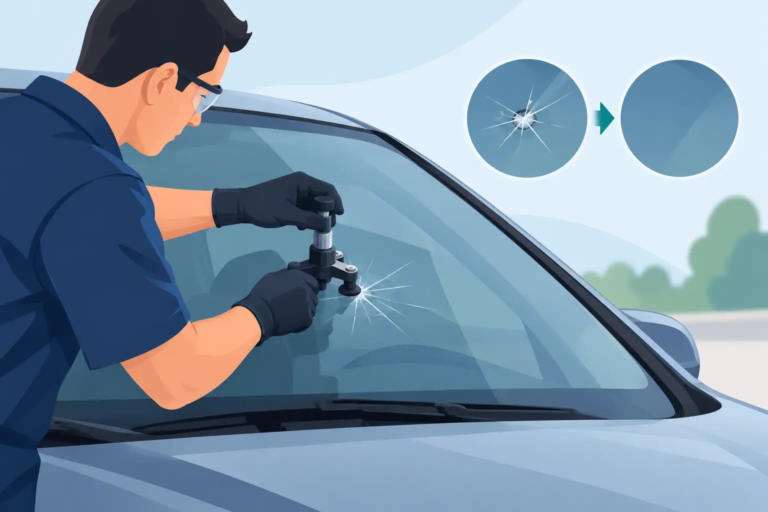
Professional repair is also the better call if appearance matters. Resin clarity, pressure control, and proper curing can make a noticeable difference in the final result. A specialist can often repair damage that general glass shops are quick to reject, but it still depends on the actual condition of the break.
That is where experience counts. A repair-first specialist looks at whether the windshield can be saved instead of jumping straight to replacement.
What can make a star break spread fast
Drivers are often surprised by how quickly a star break changes. It may sit quietly for a day or two, then expand after one rough pothole or one afternoon parked in the sun.
Temperature swings are a major factor in North Texas. Hot glass, cool air conditioning, and daily expansion and contraction put stress on the windshield. Road vibration does the rest. Slamming doors, hitting construction zones, and pressure from an already weakened glass layer can turn a chip into a crack before you get around to fixing it.
That is why the smartest move is usually the same day or next day repair. The longer you wait, the fewer good options you keep.
Common mistakes people make with star break repairs
The biggest mistake is waiting. The second biggest is assuming all chips are basically the same. They are not. A star break has multiple fracture lines, and that complexity makes technique more important.
Another common mistake is using the wrong amount of pressure. Too little and the resin does not fill the break. Too much and you can worsen the damage or create a messy repair. People also try repairs in poor conditions, such as on hot glass in direct sun before they are ready to cure the resin, or after rain has already contaminated the chip.
Tape over the damage is fine as a temporary step if you need to protect it from dirt before service, but tape is not a repair. Neither is ignoring it because the windshield still seems strong enough to drive.
How long a repaired star break lasts
A proper windshield repair is meant to last, not just buy a few days. That said, results depend on the condition of the glass before the repair, the quality of the workmanship, and whether the damage was genuinely repairable in the first place.
A clean, prompt repair on a suitable star break can hold up very well. An old break full of contamination or stress can be less predictable. This is one reason many vehicle owners prefer a repair company that stands behind the work with a real guarantee instead of a maybe.
For busy drivers and fleet managers, that confidence matters. You want the repair done once, done right, and done without losing half a day sitting in a shop.
Should you repair or replace a star break windshield?
It depends on the break, not just the fact that it is a star break. Many can be repaired. Some should not be. If the crack length has grown, if the break compromises the driver’s view, or if the structural integrity is too far gone, replacement may be the safer option.
But replacement should not be the default answer every time a rock hits your windshield. Good repair work can save the original glass, cost less, and get you back on the road faster. That is exactly why specialist repair companies exist.
At SuperGlass Denton, that repair-first mindset is the whole point. We would rather save a windshield correctly than sell you a replacement you did not need.
If you notice a star break, do not wait for it to make the decision for you. Get it looked at while it is still small enough to give you a real chance at repair, and you will usually save money, time, and a lot of frustration.