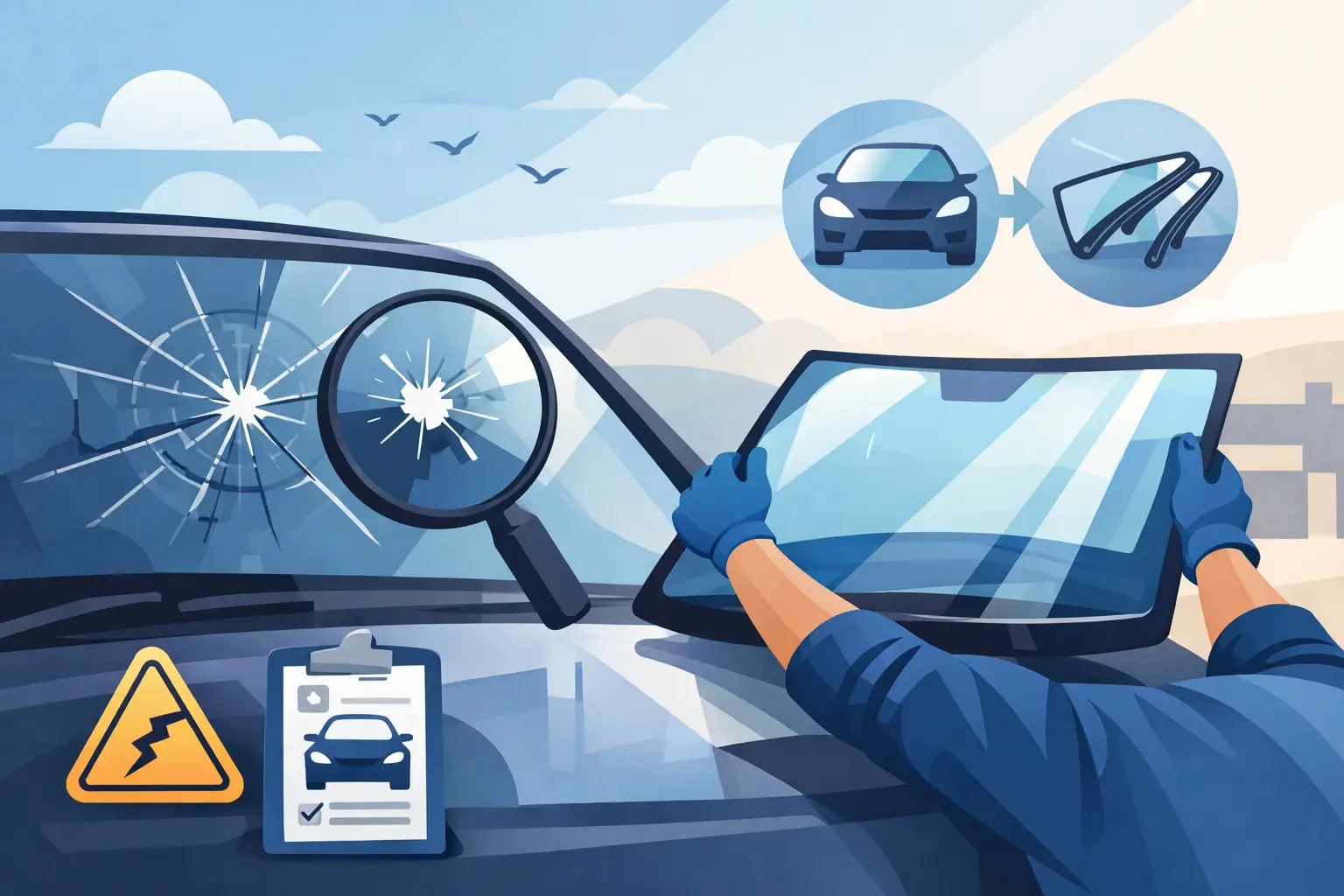
A lot of drivers assume any crack means a new windshield. That is not always true. If you are asking when should a windshield be replaced, the real answer depends on size, depth, location, and whether the glass can still protect you the way it is supposed to.
That matters because replacing a windshield too quickly can cost you more than necessary, but waiting too long on serious damage can put your safety at risk. A windshield is not just a piece of glass. It helps support the roof, works with your airbags, and gives you a clear view of the road. The right call is not about panic. It is about knowing what can still be repaired and what should not be.
When should a windshield be replaced instead of repaired?
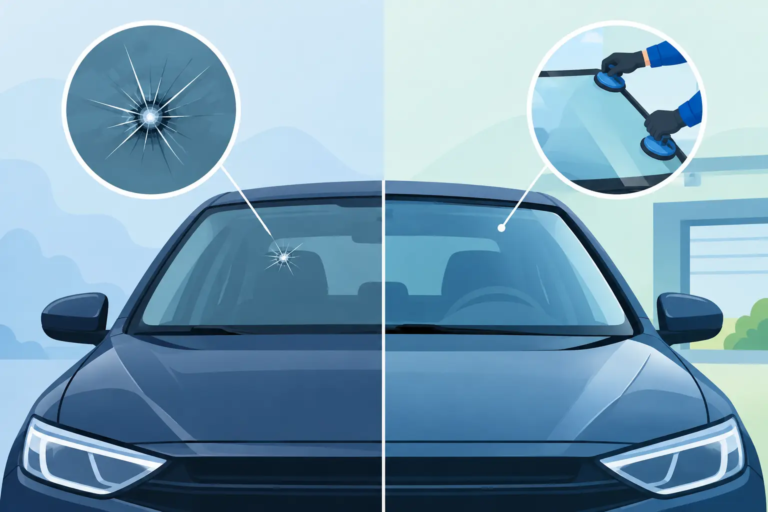
The simplest rule is this: replace the windshield when the damage weakens the glass, blocks the driver’s view, or cannot be fully stabilized with a professional repair.
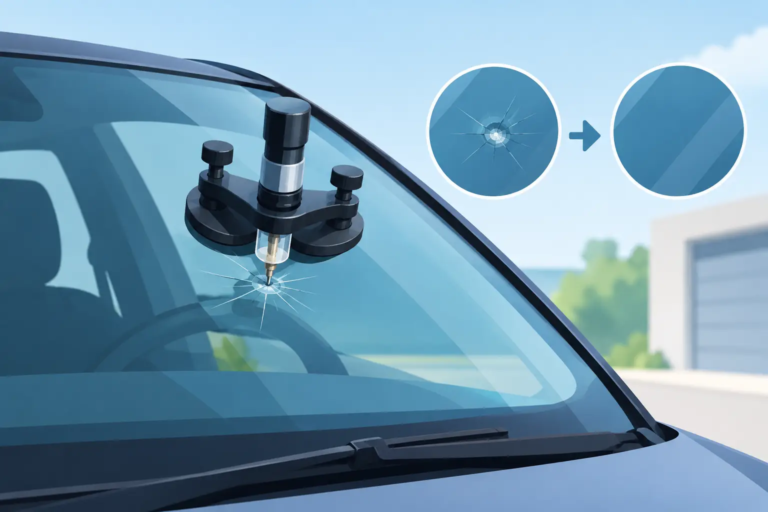
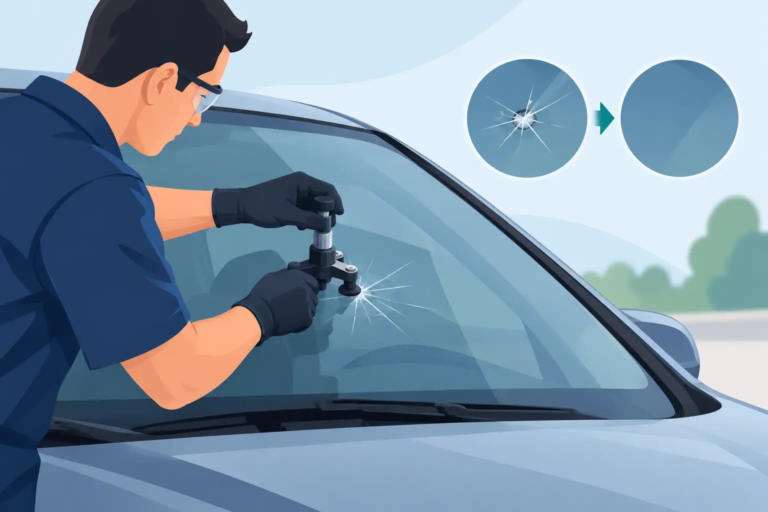
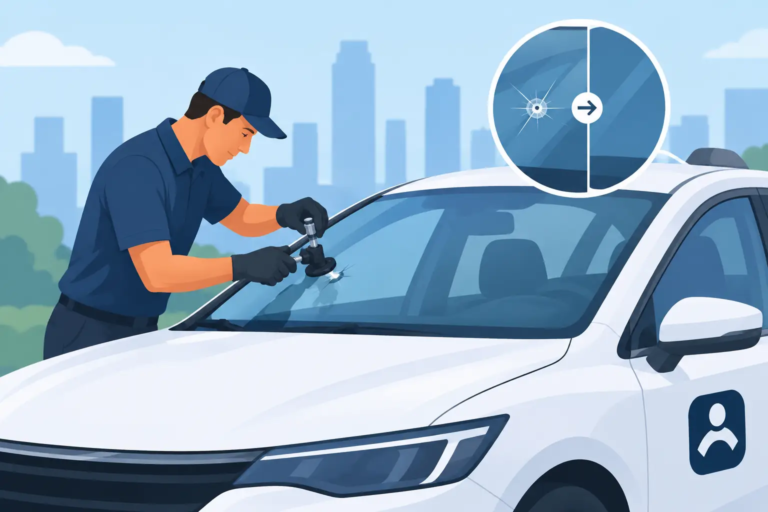
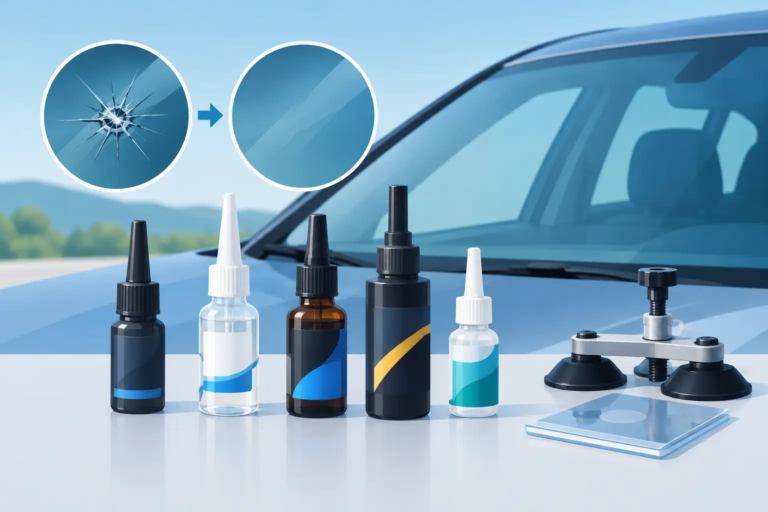
Small chips are often repairable. Many short cracks are too, depending on where they are and how deep they go. But once damage gets beyond a certain point, repair becomes a temporary patch on a permanent problem. A specialist should be trying to save your windshield when possible, not selling replacement by default. At the same time, a good specialist should also tell you clearly when repair is no longer the safe option.
In North Texas, this comes up all the time. Heat, rough roads, sudden temperature shifts, and highway debris can turn a small chip into a spreading crack faster than most drivers expect.
Damage in the driver’s line of sight
If the crack or chip sits directly in the area you look through while driving, replacement is often the better call. Even when a repair seals the damage, some blemish can remain. That may be acceptable off to the side, but not where visual clarity matters most.
This is especially true for commuters, parents driving kids, and fleet vehicles on the road all day. If the glass affects reaction time, depth perception, or visibility in bright sun or rain, it is no longer just cosmetic.
Cracks that are long or spreading
A crack that keeps growing is a warning sign. Glass damage rarely gets better on its own. Vibration, potholes, heat, cold mornings, and even shutting the car door can make it spread.
As a general rule, longer cracks are less likely to be good repair candidates. Once the damage extends significantly across the windshield or branches into multiple directions, replacement is usually the safer and more durable solution.
Chips or cracks near the edge
Edge damage is one of the most underestimated problems. A small break near the perimeter can weaken the entire windshield more than a larger chip in the center. That is because the edges help hold structural tension across the glass.
When damage starts near the border, the risk of rapid spreading goes up. In those cases, repair may not restore enough strength to trust the windshield long term.
Damage that goes deep into the glass
Windshields are laminated. They are made with layers, not just one sheet of glass. Some chips only affect the outer layer and can be repaired well. Others go deeper and compromise the laminate.
If the inner layer is damaged, or if the break is severe enough to affect the integrity of the windshield, replacement is the right move. This is one reason photos alone do not always tell the whole story. A hands-on inspection matters.
Signs your windshield may still be repairable
Drivers are often told to replace a windshield that could have been saved. That is why a repair-first approach matters.
If the damage is small, recent, and away from the edge and the driver’s direct line of sight, repair may still be the best option. The same goes for many rock chips that have not started spreading yet. Fast action helps. Dirt, moisture, and time all make repair harder and can reduce the final result.
For many vehicle owners, the smart first step is not scheduling a replacement. It is getting an honest assessment from a specialist who actually repairs glass every day.
When should a windshield be replaced for safety reasons?
Some situations are not really about preference or cost. They are about safety.
Your windshield helps keep occupants inside the vehicle during a collision. It also supports proper airbag deployment in many cars and trucks. If the glass is badly compromised, it may not perform the way it should in a crash.
That means replacement is usually necessary when there are multiple impact points, a wide spreading crack, damage paired with pitting and age, or any break that noticeably weakens the glass. For commercial vehicles and fleets, this is even more important. Downtime matters, but so does liability.
ADAS and modern windshield concerns
Many newer vehicles have cameras or sensors mounted near the windshield for lane departure warnings, emergency braking, and other driver assistance features. If the glass is damaged in that area, the issue is not only visibility. It may also affect how those systems read the road.
In some cases, repair is still possible. In others, replacement and calibration are necessary. This is another reason a one-size-fits-all answer does not work.
Common situations where drivers wait too long
Most people do not ignore windshield damage because they do not care. They wait because life gets busy. They have work, school drop-off, errands, and meetings. The crack seems minor, so it gets pushed down the list.
Then a cool morning hits after a hot Texas afternoon, and that tiny chip turns into a long crack across the glass.
The most common mistake is assuming small damage will stay small. The second is assuming replacement is the only fix, so they delay calling anyone at all. Both cost more in the long run.
If there is one thing drivers in Denton and the surrounding area should know, it is this: getting the damage looked at early gives you the best chance to avoid full replacement.
How to judge the next step without guessing
If you are trying to decide what to do today, focus on a few practical questions. Is the damage spreading? Is it near the edge? Is it directly in front of the driver? Does it look deep, severe, or layered? Has the windshield been damaged in more than one spot?
If the answer to any of those is yes, replacement becomes more likely. If the damage is smaller, stable, and caught early, repair may still be the right answer.
That is where a specialist makes a difference. A general glass shop may lean toward replacement because that is the service they are set up to sell. A true repair specialist looks at whether the windshield can be safely preserved first.
At SuperGlass Denton, that repair-first mindset matters because saving customers from unnecessary replacement is the whole point. If the glass can be restored safely, that is usually the better value. If it cannot, you should be told plainly.
The real answer to cost versus safety
Drivers sometimes frame this as a choice between saving money and doing the safe thing. That is not quite right. The best outcome is to repair when repair is genuinely safe and replace when replacement is genuinely necessary.
A good repair can save time, reduce cost, and keep the factory seal and original windshield in place. That is often ideal. But trying to stretch a damaged windshield beyond what is safe is not saving money. It is delaying a problem.
The goal is not to replace less at all costs. The goal is to replace only when the damage says you should.
If you are unsure, do not wait for the crack to make the decision for you. Get it checked while repair might still be on the table. And if the windshield truly needs to be replaced, you will know you made that call for the right reason, not because someone rushed you into it.