
A small chip on Monday can turn into a full crack by Friday, especially in North Texas heat. That is why a solid windshield damage assessment guide matters. If you know what to look for early, you can often save the glass, avoid a bigger bill, and get back on the road without the hassle of replacement.
Most drivers do not need a lesson in auto glass engineering. They need a straight answer. Is this damage safe to drive with, can it be repaired, and how quickly do I need to act? Those are the right questions, and the answer depends on more than just the size of the chip.
What a windshield damage assessment guide should actually tell you
A good assessment starts with three things: the type of damage, the location, and whether the glass has stayed structurally stable. Windshields are made from laminated glass, which means two layers of glass are bonded with a plastic interlayer. That construction helps keep the windshield from shattering like a side window, but it also means damage can spread in ways that are not always obvious at first glance.
A clean, small rock chip in the outer layer is often repairable. A long crack, damage at the edge, or anything that interferes with the driver’s line of sight can change that answer fast. The goal is not just making the glass look better. The goal is restoring strength and clarity where repair still makes sense.
That is where many drivers get mixed messages. Some shops push replacement too quickly. Others promise repair on damage that really should not be left in service. A proper assessment is about knowing the difference.
The most common types of windshield damage
Not all chips and cracks behave the same way. A bullseye chip is usually round and defined, caused by a direct impact. A star break has short cracks radiating from the center. A combination break mixes both patterns. Then there are straight cracks, stress cracks, and edge cracks, which tend to be more serious because they can spread across the glass with temperature changes, road vibration, and normal driving.
Surface appearance matters, but it is not the whole story. Two chips can look similar and still have very different repair outcomes. One may be shallow and stable. The other may have contamination, deeper impact points, or hidden fracture lines that weaken the surrounding area.
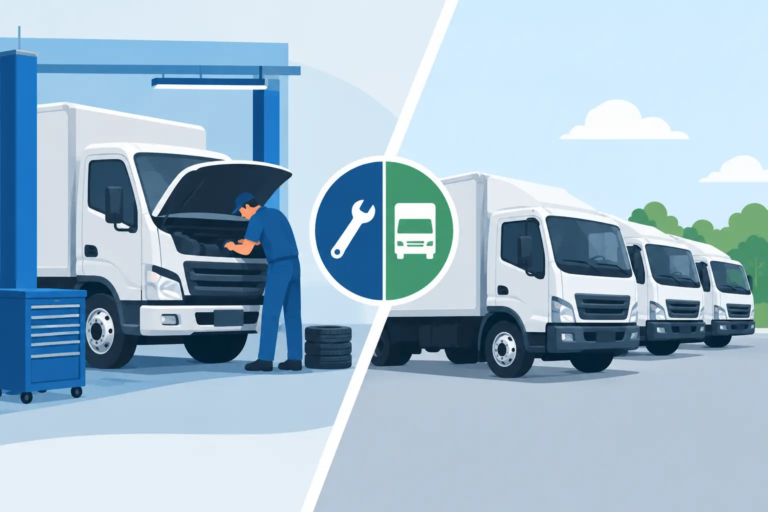
For fleet vehicles, this matters even more. Trucks, buses, and rental units take more road exposure, more vibration, and more temperature swings. What looks minor during a quick walkaround can become downtime if it is ignored.
Size matters, but location matters more
People often ask for a simple rule like, if it is smaller than a quarter, repair it. That can be a useful starting point, but it is not a full windshield damage assessment guide by itself.
A small chip in the middle of the passenger side may be a strong repair candidate. The same chip near the windshield edge may not be. Edge damage is more likely to spread because the perimeter of the glass carries more structural stress. Cracks that run into the edge are especially risky.
The driver’s line of sight is another deciding factor. Even if a repair is technically possible, optical clarity matters. A professional repair can greatly improve appearance and restore strength, but it does not erase damage like it never happened. If the break sits directly where the driver needs a clear view, replacement may still be the better call.
Vehicles with advanced driver assistance systems add another layer. Cameras and sensors mounted near the windshield require precision. If damage is close to those systems, the assessment has to account for visibility, calibration concerns, and whether repair can preserve safe function.
Signs your windshield can probably be repaired
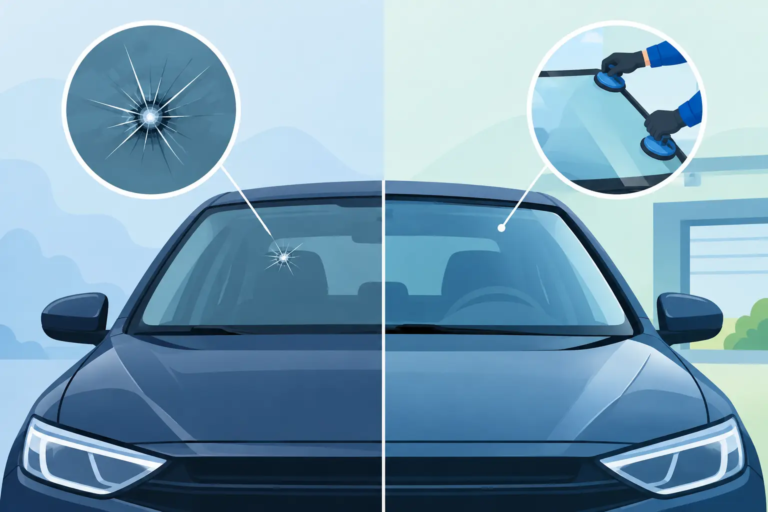
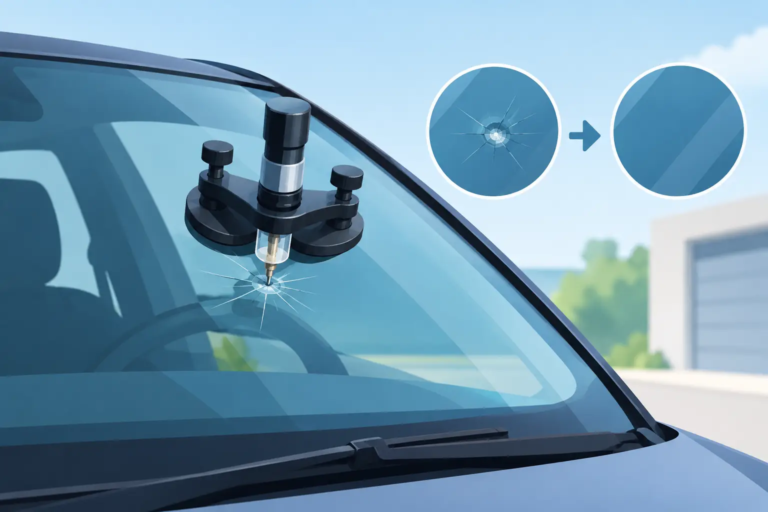
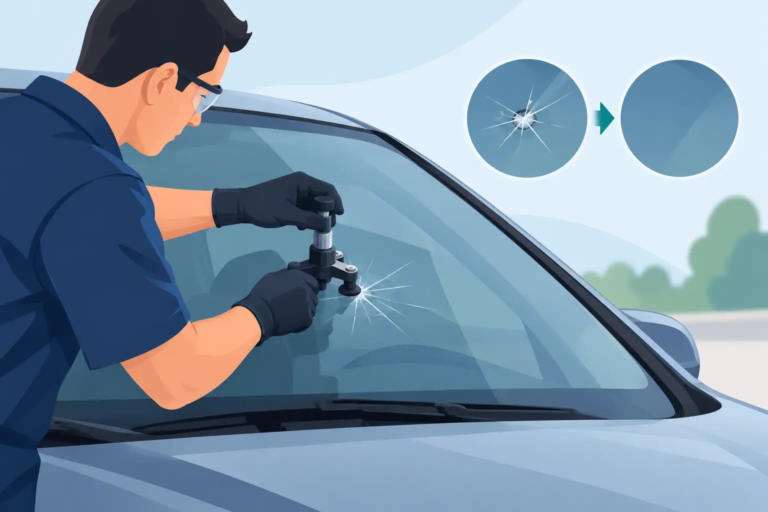
In many cases, repair is the smarter and more cost-effective solution. If the damage is small, limited to the outer layer, and has not spread far, repair is often the best move. Fresh chips also tend to repair better because they have not had time to collect dirt, moisture, or cleaning chemicals that reduce clarity.
A stable chip with a defined impact point and short fracture pattern is usually a good candidate. The sooner it is handled, the better the odds of stopping it from growing. This is one reason specialist repair providers can save windshields that general replacement shops may write off too quickly.
Repair also makes practical sense for busy drivers. It is faster, less disruptive, and usually far less expensive than replacing the whole windshield. For fleet managers, that means less downtime and lower operating cost without sacrificing safety.
Signs replacement may be the safer choice
Some damage crosses the line where repair is no longer the right answer. Long cracks are the most obvious example, especially if they continue to spread or reach the edge. Multiple impact points in the same area can also weaken the glass too much for a reliable repair.
If the inner layer is affected, if the crack is severe in the driver’s line of sight, or if the windshield already has old failed repairs, replacement may be necessary. The same goes for damage that compromises the overall structural role of the windshield. Your windshield does more than block wind and bugs. It supports roof strength and helps airbags deploy correctly, so this is not the place for guesswork.
There is also the issue of timing. A repairable chip can become a replacement job if it sits too long through heat, cold mornings, potholes, and pressure changes. Waiting is often what turns a manageable repair into a larger expense.
A simple windshield damage assessment guide you can use right now
Start by looking at the damage in good light. If it is a small chip or short crack, check whether it is near the edge or directly in front of the driver. Then ask whether the damage looks clean and recent or dirty and spread out. If it has grown since you first noticed it, that is a warning sign.
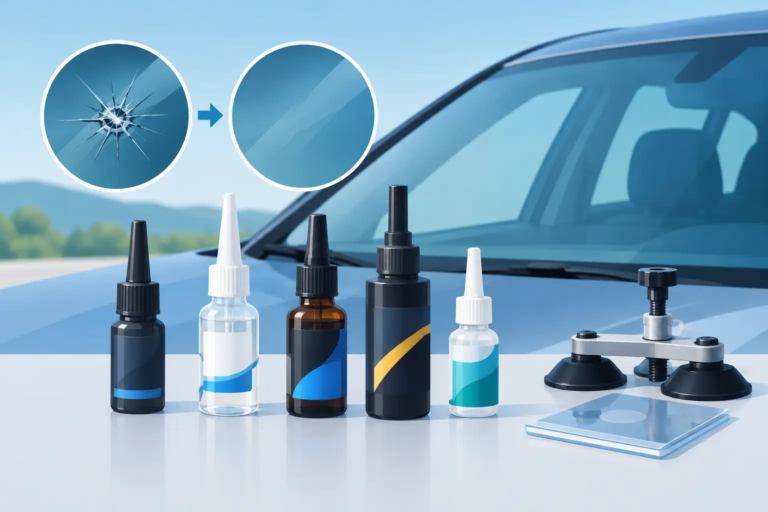
Next, run your fingernail gently across the glass. If you can feel deep separation, if the crack is traveling, or if there are multiple branches extending outward, it needs prompt professional attention. Do not press on it, tape over it with strong adhesive, or try a hardware store fix unless you are comfortable accepting mixed results. DIY kits can help in limited cases, but they often fall short when the damage is complex, contaminated, or in a sensitive location.
If you are managing multiple vehicles, do not rely on photos alone for every decision. Images help, but they can miss depth, edge involvement, and subtle spread patterns. An on-site inspection is usually the better call when uptime matters.
Why quick assessment saves money
Windshield damage rarely improves on its own. North Texas weather is especially rough on auto glass. Heat expansion during the day and cooler overnight temperatures put stress on existing breaks. Add rough roads, construction debris, and daily commuting, and small damage has every reason to get worse.
That is why speed matters. A prompt assessment gives you more options. More options usually means a better chance of repair, lower cost, and less interruption to your schedule. For commercial vehicles, it also means avoiding preventable service disruptions.
This is where a specialist earns their keep. Repair-focused providers look first at whether the windshield can be saved. That approach can make a real difference for customers who want the honest answer, not the most expensive one.
What to do until it is inspected
Keep the area dry and avoid washing the vehicle if water can soak into the break. If possible, park in the shade or a garage to reduce temperature stress. Drive carefully and avoid slamming doors, since vibration and cabin pressure changes can encourage cracks to spread.
Most of all, do not ignore it. Even if the damage seems minor, a fast professional opinion is worth it. In many cases, the best repair results come from acting before the crack starts traveling.
At SuperGlass Denton, that practical approach is the whole point – save the windshield when it can be saved, and be straight with the customer when it cannot. If you are staring at a chip and wondering whether it is a quick repair or the start of a bigger problem, the smartest move is to get it assessed while repair is still on the table.
A windshield does not have to be shattered to deserve attention. Catch it early, get a real assessment, and give yourself the best chance to keep the original glass in place.