
That round chip in your windshield might look minor in the parking lot, then feel a lot more serious on the drive home. If you are searching for how to fix windshield bullseye damage, the real question is usually this: can it be repaired now, or are you about to need a full replacement?
A bullseye chip is one of the more recognizable types of windshield damage. It usually has a circular impact point with a dark center and a ring around it, almost like a small target. The good news is that many bullseye chips can be repaired if you act quickly. The bad news is that waiting, driving over rough roads, blasting the defroster, or letting dirt and moisture settle into the break can turn a repairable chip into a larger crack.
What bullseye damage actually means
Bullseye damage happens when something strikes the outer layer of the windshield hard enough to create a circular break in the glass. It often comes from road debris, especially gravel kicked up by trucks or highway traffic. Unlike a long running crack, a bullseye chip is usually compact at first, which is why people ignore it. That is also why it is often fixable.
Windshields are made from laminated glass, which means there are layers working together. A bullseye chip typically affects the outer layer first. If the damage stays small, clean, and away from critical areas, a resin repair can restore strength, improve appearance, and help prevent spreading. If the chip is too deep, too wide, contaminated, or already branching out, replacement may be the smarter call.
How to fix windshield bullseye damage before it gets worse
The first step is simple: keep the damage clean and avoid making it work harder than it has to. Do not poke at it. Do not wash it with high-pressure water. If you have clear tape available, placing a small piece over the chip can help keep out dust, pollen, and moisture until it is inspected or repaired.
Temperature matters more than most drivers realize. In North Texas, a windshield can go from hot sun to strong AC or from a cold morning to full defroster in a hurry. That expansion and contraction can make a bullseye spread. Park in the shade when you can, and avoid sudden temperature swings until the repair is done.
If the chip is directly in the driver’s line of sight, that changes the decision. Even when a repair is technically possible, visibility matters. A quality repair usually makes the damage far less noticeable, but it may not make it disappear completely. In a critical viewing area, you want a specialist to assess whether the finished result will still be safe and acceptable.
Can you repair a bullseye chip yourself?
Sometimes, yes. But this is where a lot of drivers waste time and accidentally lower the odds of a successful repair.
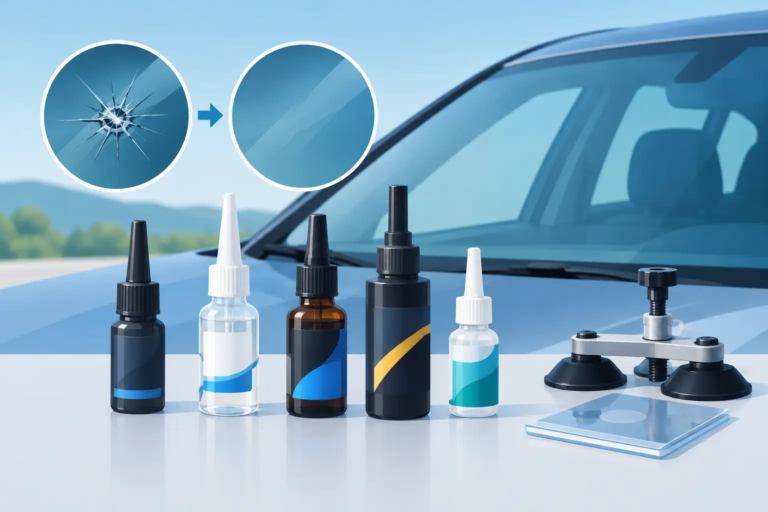
A store-bought repair kit can work on a fresh, small bullseye chip if the glass is clean, the damage is not too deep, and you follow the instructions carefully. These kits use resin to fill the break and reduce the trapped air that makes the damage visible and weak. On the right chip, they can slow or stop spreading.
What they do not do is fix every chip equally well. DIY kits are less forgiving when the break has dirt in it, when the impact point is irregular, or when the damage has tiny legs starting to run outward. They also depend heavily on proper pressure, curing time, and surface prep. A rushed repair can trap contamination, leave air pockets, or create a finish that still distracts you every time sunlight hits it.
For many drivers, the real trade-off is not whether a kit is cheaper. It is whether a failed DIY attempt makes professional repair harder later. Once a chip is contaminated or poorly filled, your options can narrow.
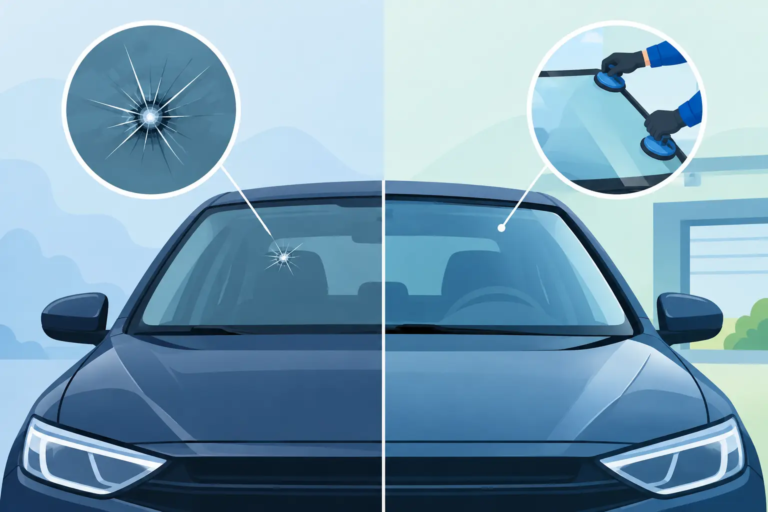
When professional repair is the better move
A specialist should usually handle bullseye damage if the chip is larger than a small coin, near the edge of the windshield, in the driver’s main field of vision, or starting to crack beyond the original impact point. Those situations need a trained eye and proper repair equipment.
Professional windshield repair is about more than injecting resin. The technician evaluates the shape, depth, location, age of the damage, and condition of the glass around it. That matters because not every bullseye is a clean textbook circle. Some have partial rings, star breaks, or combination damage that changes the repair plan.
A good repair should strengthen the damaged area and improve clarity enough that the chip is far less distracting. It will not always erase the mark completely. Any company promising invisible results on every chip is overselling it. What you want is an honest assessment and a repair that saves the windshield when saving it still makes sense.
That is where a specialist repair company stands apart from a replacement-focused shop. SuperGlass Denton is built around repairing damage others too quickly write off, which can save drivers, families, and fleet operators real money and downtime.
Signs your bullseye chip may not be repairable
Some windshield damage crosses the line from repairable to replaceable. The chip may be too large, too deep, or too compromised to restore safely. If the damage reaches the inner layer, sits on the edge where the windshield is under more structural stress, or has spread into long cracks, replacement is often the safer route.
Age can work against you too. A chip that sat for weeks collecting dust, rain, washer fluid, and road grime is harder to repair cleanly. Even if resin can still be applied, the finished appearance may be worse than it would have been if the repair happened right away.
Commercial vehicles and fleet units can be a special case. A chip on a school bus, truck, or rental vehicle might technically be repairable, but service standards, inspection requirements, and heavy daily use can affect the recommendation. The right answer is not always the cheapest one in the moment. It is the one that keeps the vehicle safe and in service.
What the repair process usually looks like
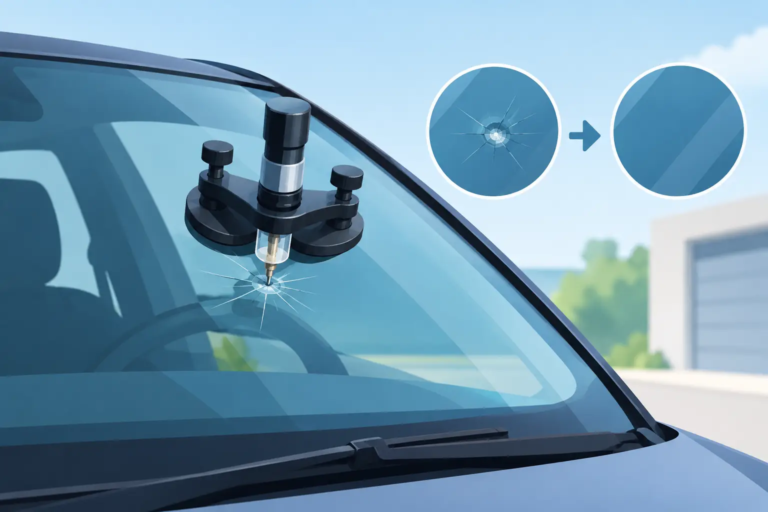
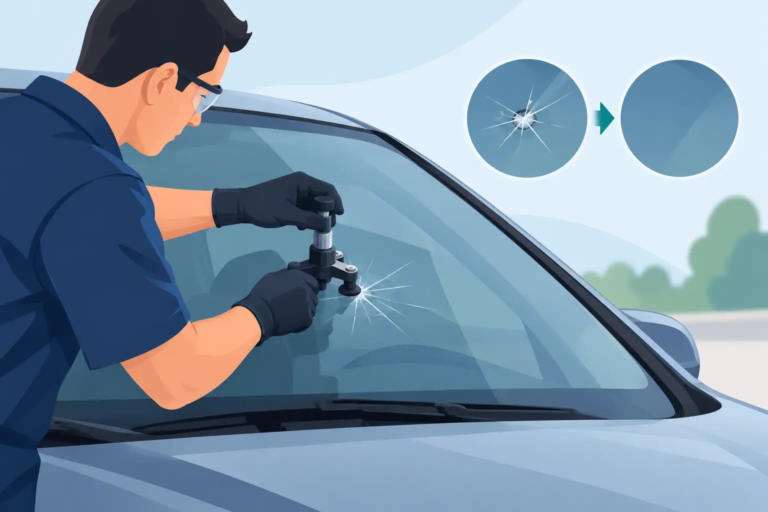
If you have never had a windshield chip repaired, the process is quicker than most people expect. The technician first inspects the damage to confirm whether repair is appropriate. If it is, the area is cleaned, specialized tools are used to remove air from the break, and resin is injected into the damaged section of glass.
That resin is then cured and finished so the surface is smooth. The goal is to restore structural integrity and reduce the visual impact of the chip. A well-done repair often takes less time than arranging a replacement, and with mobile service, many drivers do not have to rearrange their day at all.
For busy commuters and families in Denton, Plano, Frisco, McKinney, Lewisville, Carrollton, and nearby areas, convenience matters. The same is true for fleets that cannot afford to pull vehicles off the road longer than necessary. Fast repair is not just nice to have. It is part of protecting the windshield before the damage spreads.
How to prevent a bullseye from turning into a crack
The biggest mistake is delay. Once the outer glass is compromised, every mile, bump, and temperature shift adds stress. Get it evaluated early, even if the chip looks small.
It also helps to keep your distance from gravel trucks and road work traffic, avoid slamming doors when the chip is fresh, and be careful with extreme heat or cold on the glass. These steps will not reverse the damage, but they can buy you time.
If you are deciding between waiting a few days and handling it now, now is almost always cheaper. A repairable chip can become a replacement job faster than most people expect.
The smartest answer is the one that saves the glass
When people ask how to fix windshield bullseye damage, they usually want one simple answer. The honest answer is that it depends on the size, location, age, and condition of the chip. Some bullseye damage is a great candidate for repair. Some is not. What matters most is catching it early and having it evaluated by someone who repairs windshields for a living, not someone who defaults to replacement.
If the chip is still small, clean, and contained, there is a good chance your windshield can be saved. That means less cost, less downtime, and less hassle. And if the damage has already gone too far, you are still better off knowing that before the crack makes the decision for you.