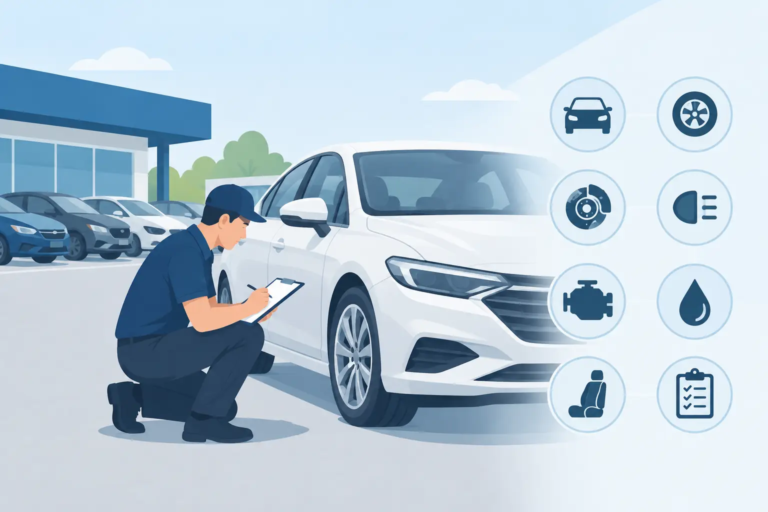

If your windshield chip showed up on a Tuesday morning before work, the question is not theoretical. Mobile repair versus shop service becomes a real decision fast when you are staring at damage, juggling your schedule, and trying to avoid turning a small repair into a full replacement.
For most drivers in Denton and across North Texas, convenience matters, but convenience alone should not make the call. The better choice depends on what is damaged, how quickly it needs attention, and whether you are dealing with a true repair specialist or a general shop built around replacement. That difference matters more than most people realize.
Mobile repair versus shop service: what actually changes?
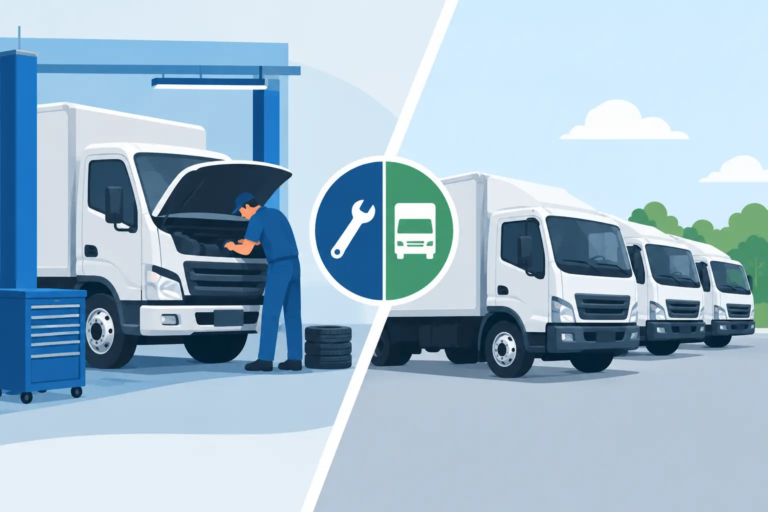
The biggest difference is simple. With mobile service, the technician comes to your home, office, or job site. With shop service, you bring the vehicle in, wait your turn, and work around the shop’s schedule.
That sounds like a matter of preference, but it usually affects cost, downtime, and the odds that the repair gets handled early enough to save the original glass or surface. A chip that gets repaired promptly is far less likely to spread. A hazy headlight that gets restored instead of ignored can improve visibility and avoid premature replacement. Small cosmetic issues rarely get better on their own.
Mobile service also changes how disruptive the repair feels. Instead of losing part of your day in a waiting room or arranging a ride, you keep moving. For busy professionals, families, and fleet operators, that is not a small perk. It is often the deciding factor.
When mobile repair is the better choice
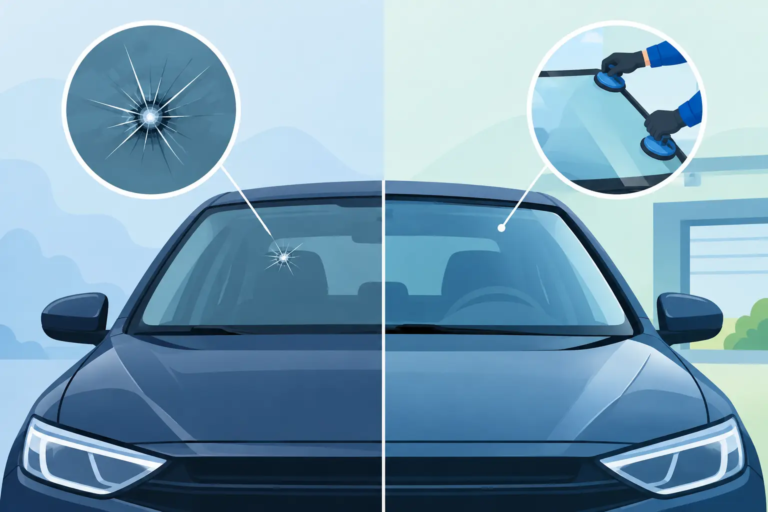
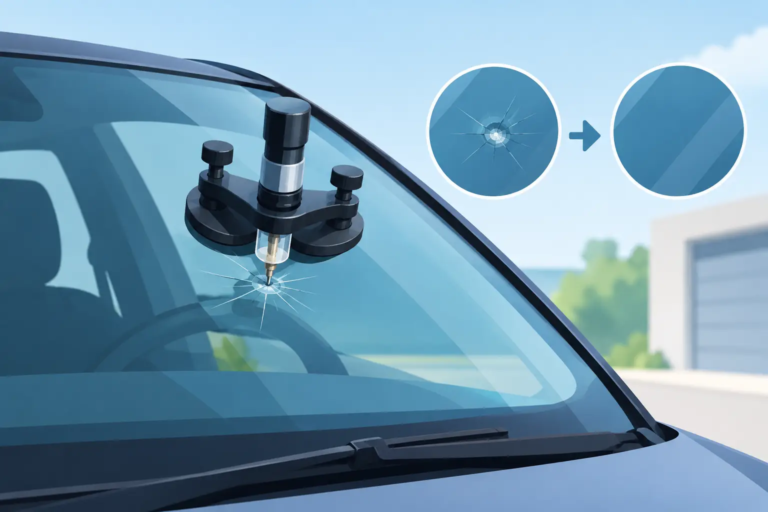
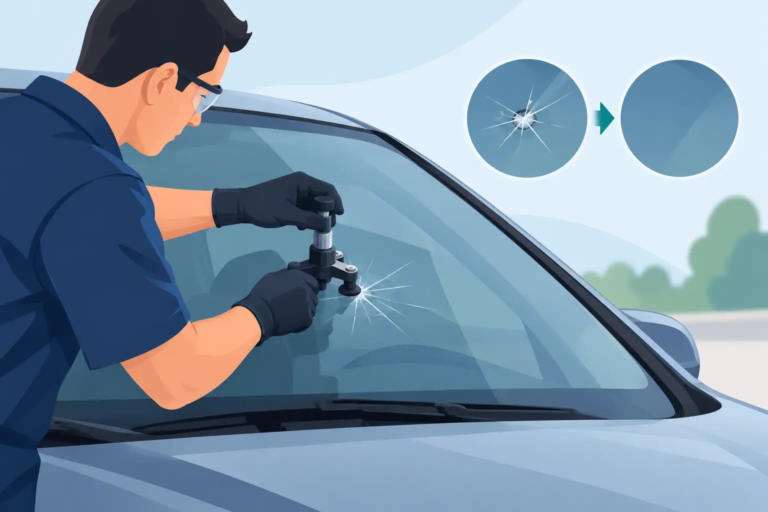
Mobile service makes the most sense when the job is repair-focused, the damage is limited, and the vehicle does not need a full shop setup. Windshield chip repair is the obvious example. If the damage is repairable, having a specialist come to you is usually the fastest way to stop the crack from growing and preserve the original windshield.
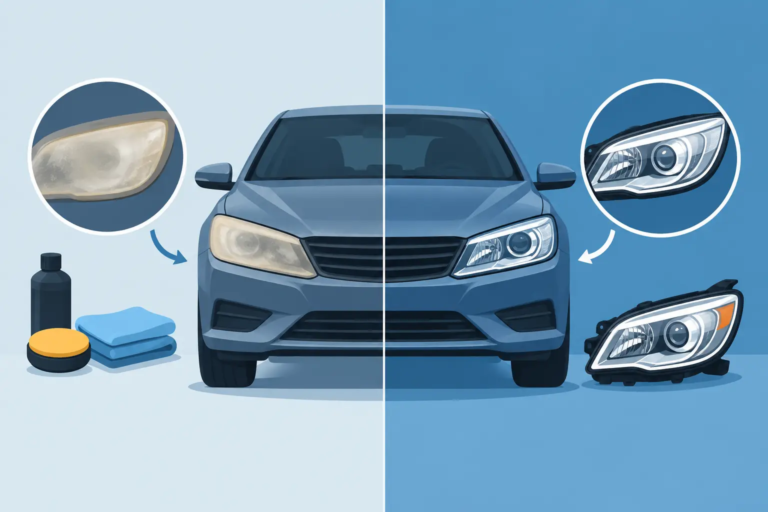
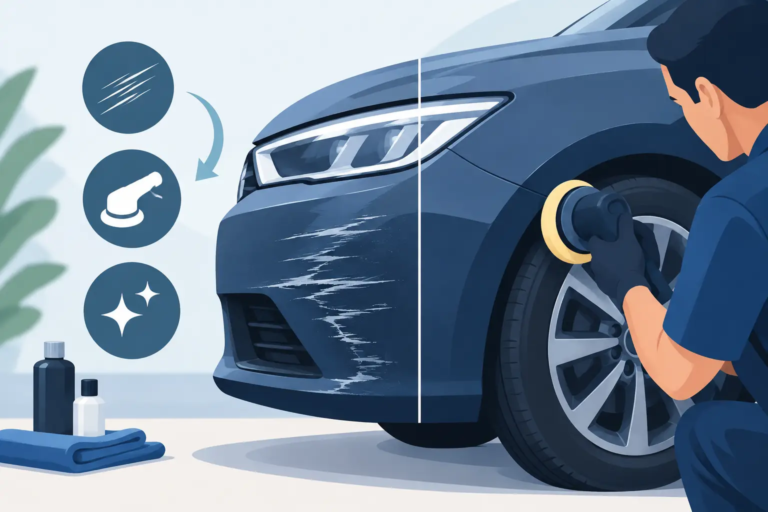
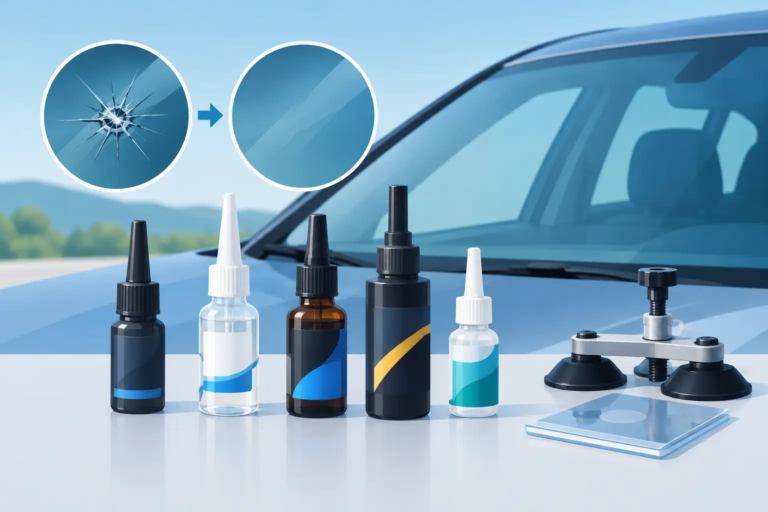
The same logic applies to headlight restoration and many surface repair issues. These are jobs where expertise matters more than a giant facility. A trained technician with the right materials and process can restore a lot on site without tying up your vehicle for half a day.
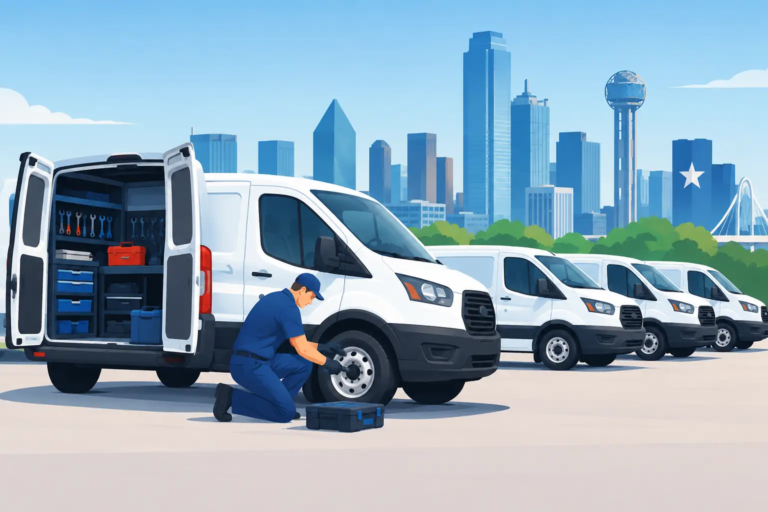
For fleet managers, mobile service is even more valuable. Pulling a truck, school bus, or rental vehicle out of service and sending it across town adds cost immediately. When repairs can be performed where the vehicle already is, operations stay cleaner and scheduling gets easier. Less transportation. Less idle time. Less frustration.
There is also a practical side that everyday drivers appreciate. Some damage feels too minor to justify a shop visit, so people put it off. That delay is expensive. A small chip can become a crack. Oxidized headlights can keep degrading. A scratch that could have been improved early may become harder to correct later. Mobile service removes the excuse of having to carve out extra time.
When shop service still makes sense
A good article on mobile repair versus shop service should be honest about trade-offs. Mobile is not automatically best in every case.
A shop can make more sense when the damage requires full replacement, advanced calibration, or equipment that is not practical in the field. Some jobs need a controlled environment, a lift, specialized tools, or a longer workflow than a mobile appointment is built for. If the issue goes beyond a repair and into major structural replacement, a shop may be the right place.
Weather can matter too. North Texas heat, wind, and storms are real factors. Experienced mobile technicians plan around conditions, but there are times when the environment works against the best result. In those cases, a reputable provider should tell you directly rather than forcing the appointment.
There is also a difference between a specialist mobile repair company and a general service business that offers mobile visits as an add-on. If the company is built around quality repair, mobile service is a strength. If mobile is just an extra convenience layered onto inconsistent workmanship, that is a different story.
The real issue is repair specialist versus general shop
This is where many customers get steered the wrong way. They think they are choosing between a van and a building. In reality, they are often choosing between a company that specializes in repair and one that makes more money on replacement.
That distinction changes the recommendation you hear.
A repair specialist looks first at whether the original component can be saved. That matters for windshields, headlights, and many surface issues. Saving the original part is often faster and more cost-effective than replacing it, especially when the damage is still limited. A replacement-driven shop may move quickly to the larger job because that is what its business is designed to sell.
For customers, the best outcome is usually not the biggest invoice. It is getting a clear answer about whether repair is possible, followed by skilled work that actually holds up. That is why expertise matters more than square footage.
Cost, time, and inconvenience are tied together
People often ask which option costs less, but cost is not just the line item on the invoice. It is also the hidden price of your time.
If you have to leave work early, arrange childcare, borrow another vehicle, or pull a fleet unit off route, shop service can become more expensive than it first appears. Mobile repair often reduces those indirect costs. The vehicle stays where it is. Your day stays on track. The repair gets handled before the damage worsens.
That said, do not assume every mobile service is cheaper in every situation. If the work truly belongs in a shop, pushing it into a mobile appointment can waste time. The right provider will tell you when mobile repair is the smart move and when it is not.
What North Texas drivers should look for
If you are comparing providers, ask better questions than “Do you have a shop?” Ask whether the damage can be repaired instead of replaced. Ask whether the technician regularly handles your type of issue. Ask what guarantee stands behind the work.
Those questions get closer to the result you actually want.
For windshield damage, speed matters. For headlight haze, process matters. For cosmetic surface repair, skill matters. In all three cases, a confident specialist should be able to explain what can be improved, what cannot, and what the most practical option is.
That is especially important in a market where many drivers have already been told “you need replacement” without much effort to explore repair first. Sometimes replacement is correct. Sometimes it is simply the easier sale.
Mobile repair versus shop service for fleet vehicles
Fleet decisions are less emotional and more operational, which makes this comparison even clearer. Every hour a vehicle is unavailable affects scheduling, labor, and customer commitments. A shop visit can create a chain reaction of delays that costs more than the repair itself.
Mobile service helps control that. Vehicles can be serviced at the yard, office, school, or lot. Managers do not have to coordinate as much driver movement. Repairs can be grouped more efficiently. And because many fleet issues start small, early mobile attention can prevent larger, more expensive problems later.
For fleets, consistency is just as important as convenience. You want a provider that gives the same honest recommendation every time, whether the vehicle is a pickup, a bus, or a rental unit. That is where a specialist operation stands out.
So which one should you choose?
If the damage is repairable, the vehicle can be serviced safely on site, and you want to avoid losing hours to a shop visit, mobile service is usually the stronger choice. It is faster, easier on your schedule, and often the best way to save the original glass or surface before the problem grows.
If the job requires full replacement, a controlled environment, or shop-only equipment, a shop may be the right call. There is no advantage in pretending otherwise.
What matters most is working with a company that knows the difference and tells you the truth. Around Denton, that is where a specialist mobile repair provider like SuperGlass Denton earns its value – not by promising that every job is mobile, but by knowing which repairs can be done efficiently, correctly, and without unnecessary replacement.
The smartest repair decision is usually the one that saves your vehicle, saves your time, and solves the problem before it gets more expensive.