A small rock chip can look harmless when you first notice it in the driveway. Then a hot North Texas afternoon, a cold blast from the A/C, or one rough stretch of road turns it into a crack across your line of sight. Timely windshield repair gives you the best chance to stop that from happening and keep the original factory glass in place.
For drivers in Denton and surrounding communities, the smart move is usually to have damage assessed early. Repair is often faster and far less costly than replacement, especially when the chip is fresh, clean, and away from the edge of the glass. The goal is not to pretend damage never happened. It is to restore the windshield’s strength, improve its appearance, and prevent a manageable problem from becoming a replacement job.
Windshield Repair Works Best Before Damage Spreads
A windshield is more than a piece of glass between you and the road. It contributes to the vehicle’s structural support, helps support airbag deployment, and protects clear forward visibility. A chip weakens a small area of that glass. Left alone, the damaged area can collect moisture, dirt, and air, making a crack more likely to form.
Temperature swings are a common trigger. Your windshield expands in heat and contracts as temperatures change. Slamming a door, hitting a pothole, or directing defroster heat onto cold glass can add enough stress for a chip to spread. Once a crack runs, repair may still be possible in some cases, but the decision becomes more dependent on its length, location, and condition.
That is why waiting is rarely a money-saving strategy. A professional inspection soon after the damage occurs gives you a straightforward answer: repair it now, monitor it, or replace it if safety requires it.
What Damage Can Usually Be Repaired?
There is no honest one-size-fits-all answer. The type of impact, where it sits on the windshield, and whether it has spread all matter. Still, many common rock chips can be repaired successfully when they are addressed promptly.
Bullseyes, stars, combination breaks, and small surface chips are often strong repair candidates. A specialist can examine the break pattern and determine whether resin can be injected into the damaged area effectively. The repair process stabilizes the damage and typically makes it much less noticeable, although a repaired spot may not disappear completely.
Location matters just as much as size. Damage near the outer edge of a windshield is more likely to spread because that area is under greater stress. Damage directly in the driver’s primary viewing area also needs careful consideration. Even if it can technically be repaired, the finished appearance must not interfere with safe visibility.
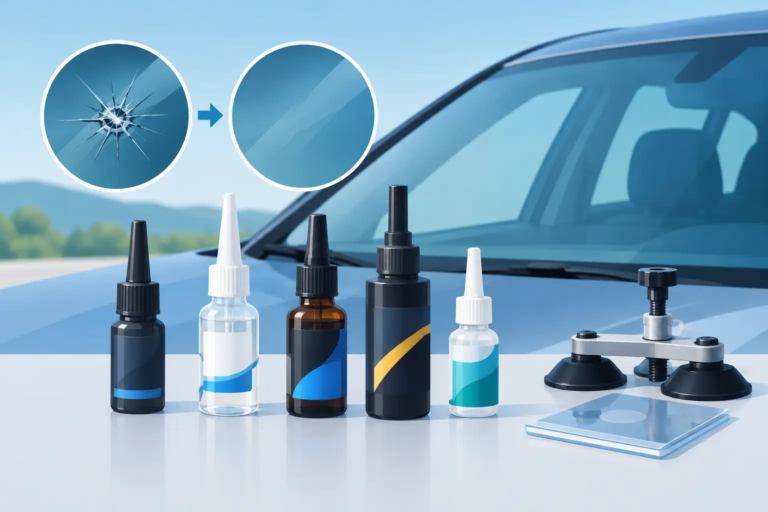
Contamination can affect the outcome, too. Dirt, rainwater, washer fluid, and moisture can work their way into an open chip. Covering the spot with clear tape until it can be inspected may help keep debris out. Do not poke at the damage or try to clean inside it. A store-bought repair kit can be tempting, but poor application may trap contaminants and make a professional repair more difficult.
Why Repair Is Often Better Than Replacement
Replacement is necessary when a windshield is severely cracked, compromised near critical areas, or no longer safe to keep in service. But replacing glass that can be repaired is not automatically the better answer.
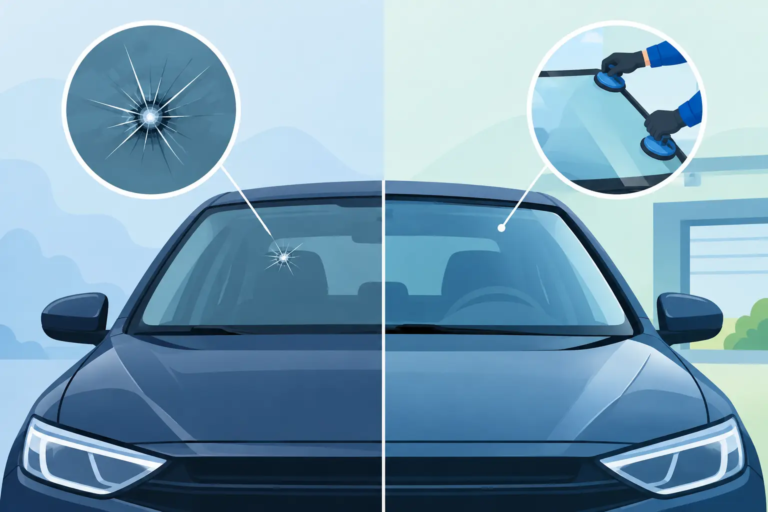
Repair preserves the original windshield and factory seal. That matters because original glass is fitted at the factory, and keeping it avoids the time and expense of removing and reinstalling a full windshield. A quality repair can often be completed without disrupting an entire workday.
The cost difference can be significant as well. Modern windshields may include cameras, sensors, heating elements, antennas, and other technology. Replacement can involve additional parts and, on many newer vehicles, camera recalibration. Those services have their place when replacement is needed. They simply should not be the first recommendation for a chip that a skilled specialist can save.
For practical drivers, the question is simple: can the existing windshield be restored safely and professionally? If the answer is yes, repair is usually the more efficient choice.
What a Professional Windshield Repair Does
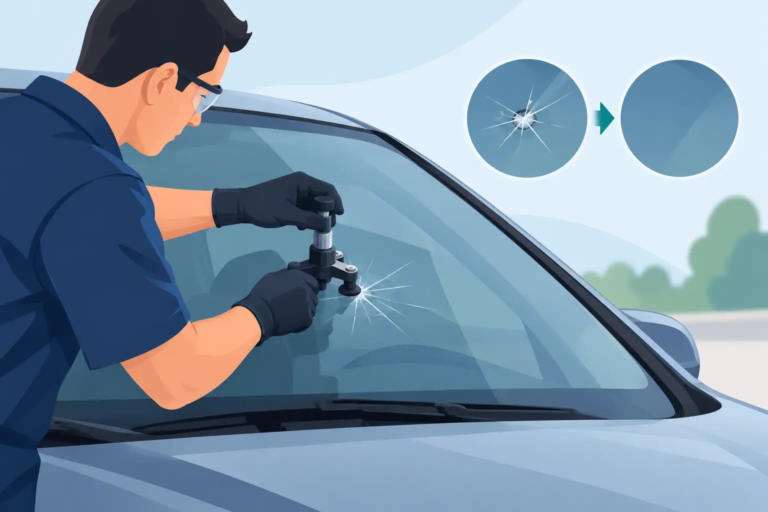
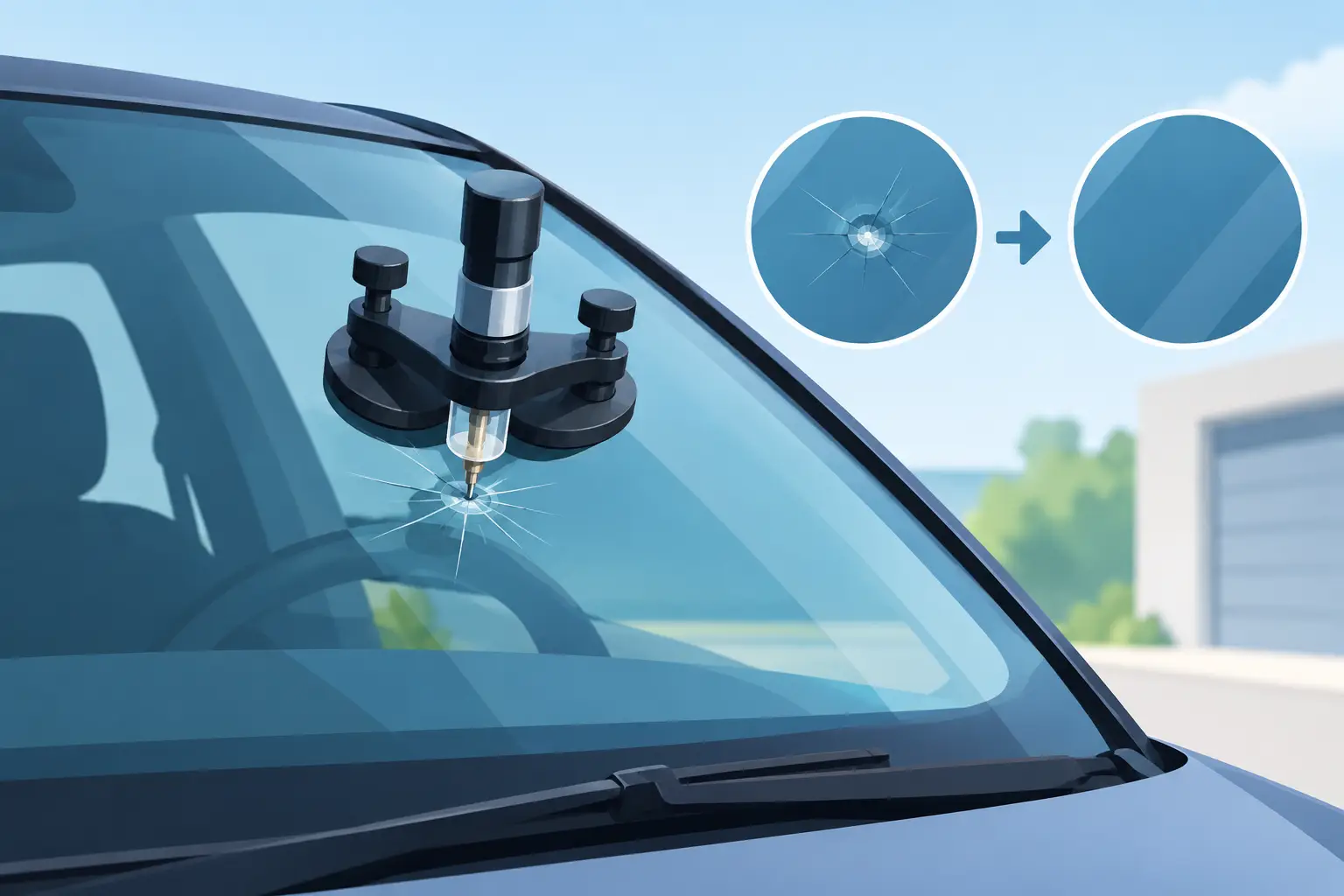
Professional windshield repair is a controlled process, not a cosmetic cover-up. The technician first inspects the impact point and surrounding glass to determine whether repair is appropriate. If it is, the damaged area is prepared so that specialized resin can be drawn into the break.
That resin fills the damaged pathways within the glass and is cured to stabilize the area. The technician then finishes the surface to improve smoothness and clarity. When done correctly, the repair helps prevent further cracking and reduces the visual impact of the chip.
Results vary based on the age and condition of the damage. A fresh, clean chip generally produces a better cosmetic result than one that has been exposed to weeks of rain, dust, and road grime. The real value of repair is structural stabilization. Better appearance is a major benefit, but stopping the damage from spreading is the priority.
Mobile Repair Means Less Disruption
A damaged windshield has a way of appearing at the worst possible time. You may be headed to work, managing school pickup, preparing for a road trip, or trying to keep a business fleet on schedule. Taking time out of the day to sit at a shop is not always practical.
Mobile service changes that. A trained technician can meet you at your home, office, or another suitable location, inspect the damage, and perform the repair on site when conditions allow. You get expert service without adding a long errand to an already busy day.
That convenience is especially valuable for commercial vehicles. A truck, school bus, or rental vehicle that is waiting on glass service is a vehicle that is not doing its job. Mobile windshield repair can reduce downtime while helping fleet managers protect vehicle condition and control maintenance costs.
SuperGlass Denton focuses on specialist repair because saving existing glass is often the right solution for both individual drivers and working fleets. If a windshield can be repaired properly, replacing it should not be the automatic first step.
When Replacement Is the Safer Call
A reputable repair specialist will tell you when repair is not the right choice. Long cracks, damage that reaches the windshield edge, multiple impact points, deep damage, or breaks that affect the driver’s clear viewing area may call for replacement instead.
Vehicle safety features can also influence the decision. Windshields on newer vehicles are often part of advanced driver-assistance systems, and replacement may require careful calibration afterward. This is not a reason to delay service. It is a reason to have the glass evaluated by someone who understands the difference between a repairable chip and damage that has gone too far.
The best recommendation is the one that protects your visibility and your vehicle without selling you more service than you need. Sometimes that is repair. Sometimes it is replacement. The important part is getting an honest assessment before a small issue becomes an urgent one.
What to Do After a Rock Chip
First, avoid sudden temperature changes when possible. Do not pour hot water on cold glass or blast high heat directly at the chip. Next, keep the damage dry and clean by placing a small piece of clear tape over it if conditions allow. Finally, arrange an inspection promptly instead of waiting to see whether it spreads.
You cannot control every loose rock on North Texas roads. You can control how quickly you respond when one hits your windshield. A fast professional assessment can protect your visibility, preserve your original glass, and let you get back to the road with one less thing to worry about.