A truck with a spreading windshield crack, a school bus with hazy headlights, or a rental vehicle with visible scratches can create more than a cosmetic problem. It can disrupt schedules, reduce resale value, and pull a vehicle out of service at the worst possible time. A smart fleet service comparison starts with one question: can the damage be professionally repaired before replacement becomes necessary?
For fleet managers across Denton, Collin County, and North Texas, the answer often determines how much time, money, and operational disruption a minor vehicle issue will create. Replacement has its place. But replacing every damaged windshield, headlight, or exterior surface is rarely the most efficient fleet strategy.
What Fleet Managers Should Compare
The lowest quote is not always the lowest operating cost. A service provider may offer a cheap replacement price, then require a vehicle to sit at a shop, wait on parts, or return for additional work. That downtime adds up quickly when the vehicle is assigned to a route, rental reservation, delivery schedule, or school transportation duty.
When comparing fleet repair options, focus on the total effect on your operation. That means looking at turnaround time, mobile availability, consistency of workmanship, repair eligibility, communication, and guarantees. A provider that can complete a quality repair at your location may save considerably more than one that has the lowest initial invoice.
Repair capability versus automatic replacement
Some glass companies are built primarily around replacement. When a windshield is chipped or cracked, their process may naturally lead to installing a new windshield. That can be necessary for severe damage, damage in the driver’s direct line of sight, or a crack that compromises the glass beyond safe repair.
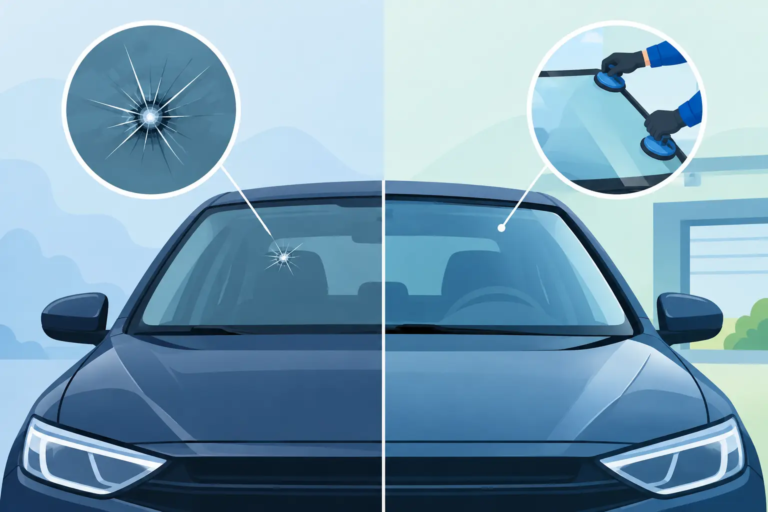
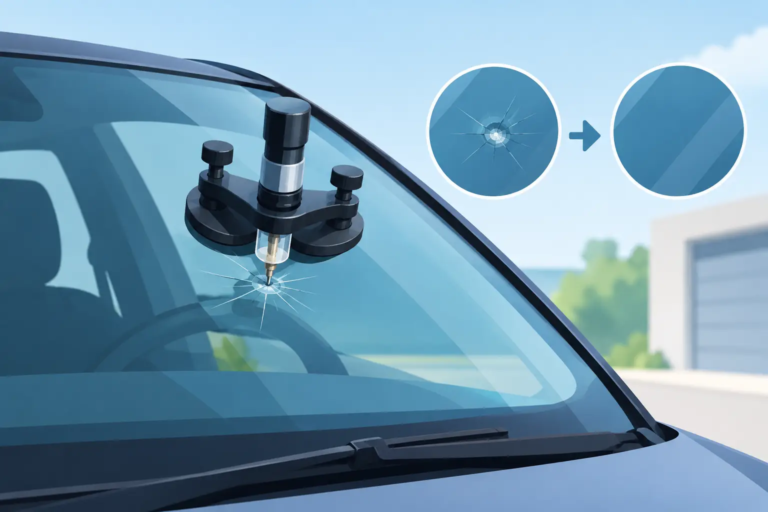
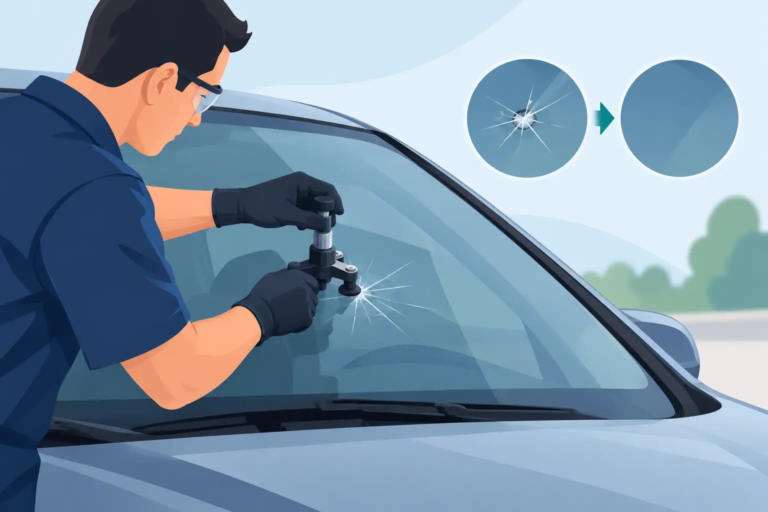
But many chips and cracks can be repaired when addressed early. A specialist repair provider evaluates the damage first rather than treating replacement as the default answer. For a fleet, this matters because saving an existing windshield often avoids glass ordering delays, recalibration concerns on newer vehicles, and the cost of a full replacement.
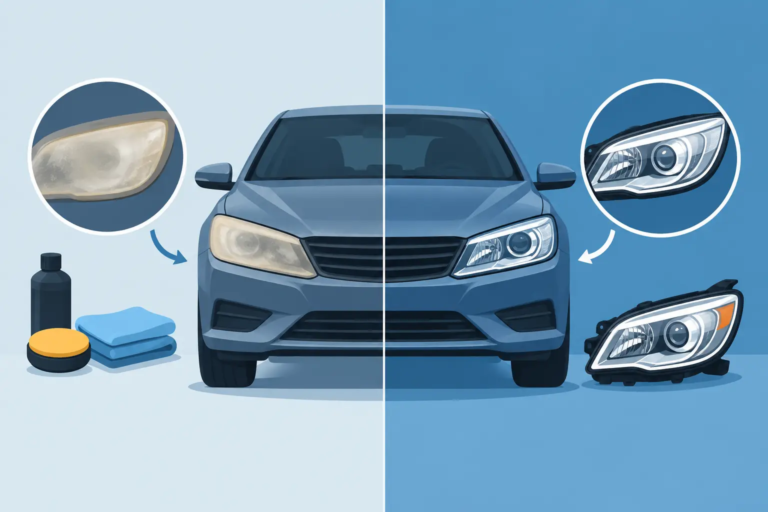
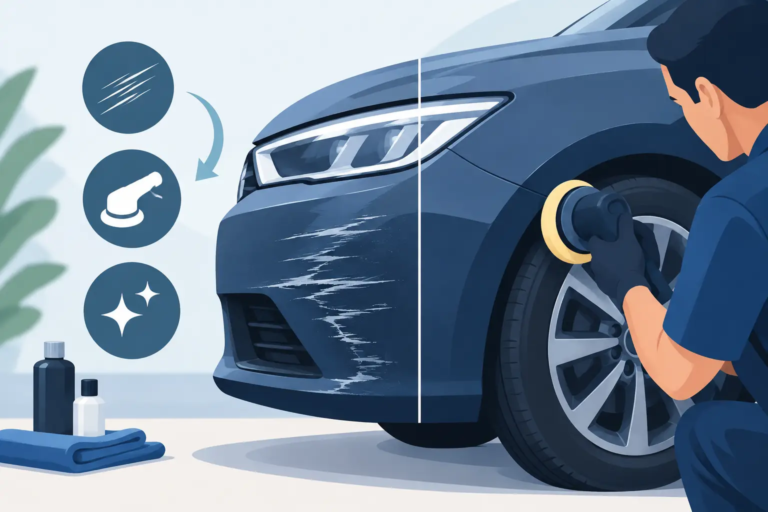
The same principle applies to headlights and surface damage. Clouded headlights do not always need to be replaced. Many can be restored for a fraction of the cost, improving nighttime visibility and vehicle appearance. Light scratches and surface blemishes can often be removed or reduced without sending a vehicle to a body shop.
Mobile service versus shop appointments
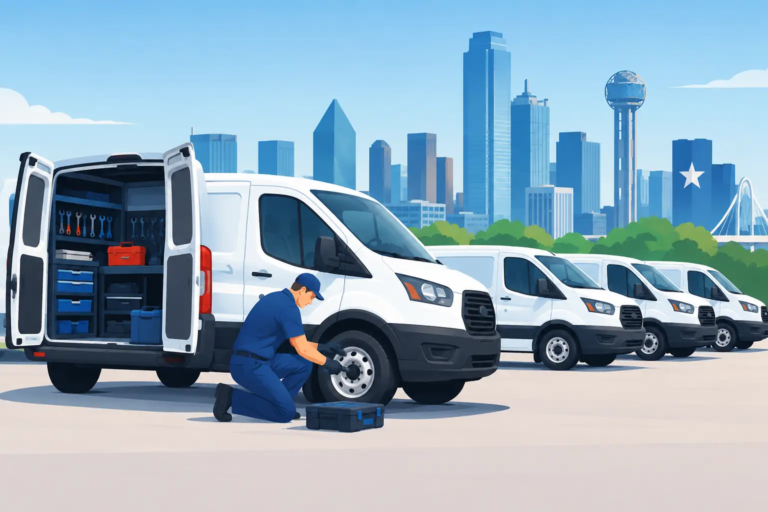
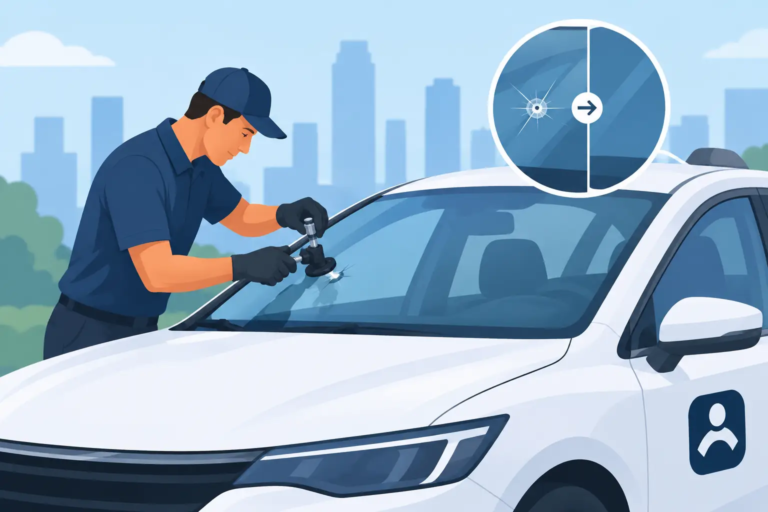
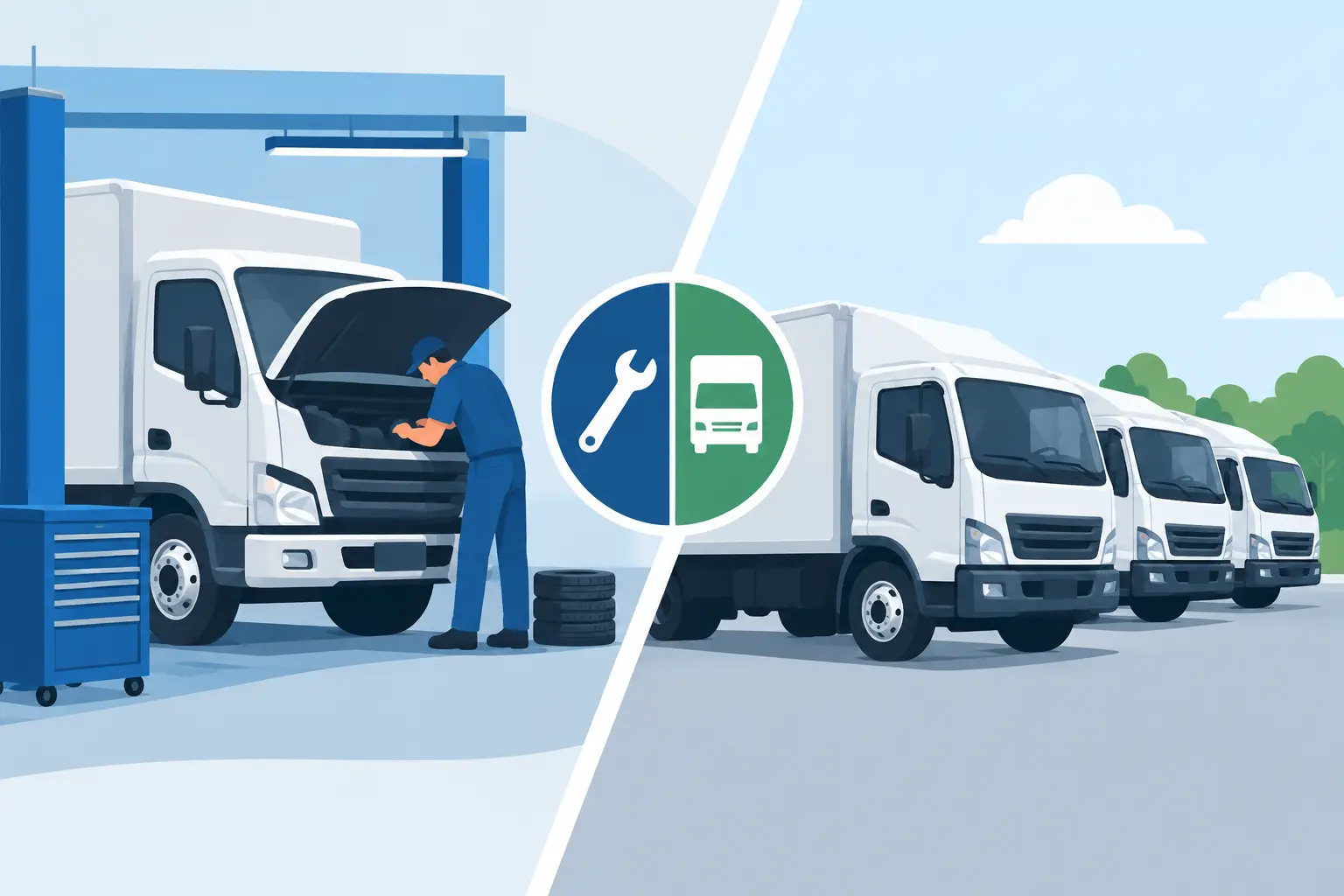
A traditional shop appointment asks the fleet to work around the repair provider. Mobile service reverses that equation. The technician comes to your yard, office, jobsite, school facility, or other approved location.
For a fleet manager, that difference is practical. Drivers do not have to leave their route for a repair appointment. A supervisor does not need to arrange transportation back from a shop. Vehicles can often be serviced during scheduled downtime, between assignments, or while parked at a central location.
Mobile service is especially valuable for trucks, school buses, and rental fleets. These vehicles may be difficult to move, tightly scheduled, or needed at multiple locations throughout the day. The right mobile provider should be able to coordinate service around the way your operation actually runs.
Fleet Service Comparison: Cost Beyond the Invoice
A windshield repair may cost less than replacement, but the real savings go beyond the price difference. Replacement can require ordering glass, scheduling installation, waiting for adhesives to cure, or addressing camera and sensor calibration on vehicles with advanced driver-assistance systems. Each added step can extend downtime.
Repair is not always the right choice, and a trustworthy provider should say so clearly. If a crack has spread too far, sits in a critical viewing area, or has structural concerns, replacement may be the safer option. The goal is not to force every issue into a repair. It is to avoid unnecessary replacement when a professional repair can deliver a safe, durable result.
Fleet managers should also account for appearance standards. Rental customers notice scratched glass, hazy headlights, and damaged vehicle surfaces. A vehicle may still run perfectly, but poor appearance can affect customer confidence, inspection results, and the perceived quality of the fleet. Timely restoration keeps vehicles looking maintained without automatically approving expensive part replacements.
Downtime has a measurable cost
Every fleet has a different definition of expensive downtime. For a rental company, it may mean a missed reservation. For a school transportation department, it may mean finding a backup bus before morning pickup. For a service contractor, it may mean a crew arrives late or without the equipment they need.
That is why the best provider is not simply the one that fixes damage. It is the one that helps prevent a small issue from becoming an operational problem. Fast response, on-site service, and clear scheduling communication matter as much as the repair itself.
A useful comparison should ask how quickly the provider can inspect damage, whether they can work at your location, and how they handle multiple vehicles. A one-vehicle repair process is not necessarily a fleet-ready process. Fleets need consistency from one vehicle to the next.
Quality and Guarantees Matter
Fleet repairs should not be treated as temporary patches. A poor windshield repair can leave a visible defect, fail to stop the damage from spreading, or create a repeat service call. Poor headlight restoration may look good briefly, then fade again. Surface work performed without the right process can leave distortion or uneven results.
Ask what the provider stands behind. A meaningful guarantee signals that the company is confident in its work and prepared to take responsibility if a repair does not perform as expected. That confidence matters when you are approving work across several vehicles rather than making a one-time decision for a personal car.
SuperGlass Denton focuses on specialist repair work that other providers may overlook, with mobile service designed to keep North Texas vehicles moving. Its lifetime repair guarantee or money-back promise also gives fleet managers a clear level of protection when repair is the right solution.
When Replacement Is the Better Fleet Decision
A repair-first approach is not a repair-only approach. There are times when replacement is the correct call. Severe windshield damage, deep cracks that have spread extensively, major impact points, and damage that affects safe visibility may require new glass. Likewise, headlights with internal damage, broken housings, or electrical problems may need replacement rather than restoration.
The right service partner should explain the difference in plain language. Fleet managers should not have to guess whether they are being sold a replacement because it is necessary or because it is simply the provider’s standard offering.
A professional assessment should identify what can be repaired, what should be replaced, how long the work will take, and whether the vehicle can remain available for scheduled use. That information allows you to make a decision based on safety, cost, and operational needs rather than pressure.
A Better Way to Manage Minor Fleet Damage
Waiting until damage becomes urgent usually costs more. A windshield chip can turn into a longer crack after heat, road vibration, or another cold front. Headlight haze can worsen until nighttime visibility and vehicle presentation suffer. Small scratches can become more noticeable as dirt and weather wear on the surface.
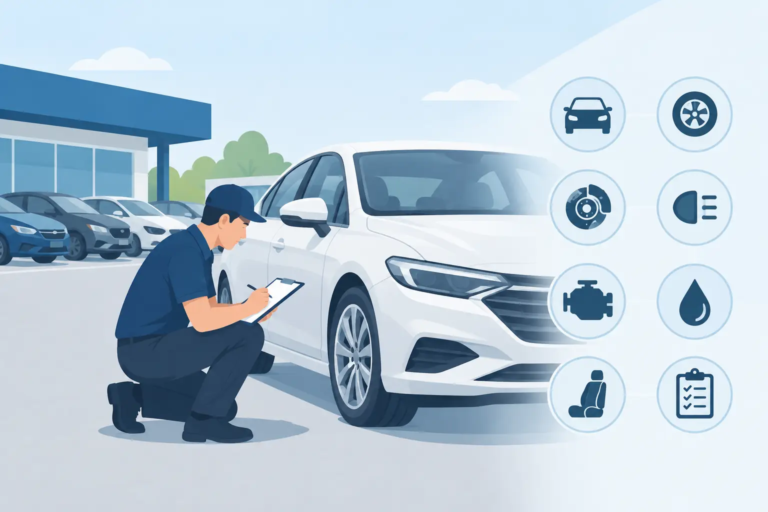
Build a simple inspection habit into your fleet routine. Drivers, dispatchers, and maintenance staff should know to report glass chips, cracks, cloudy headlights, and fresh scratches early. Early reporting gives you more repair options and a better chance of avoiding a larger expense.
The strongest fleet service comparison is not about choosing repair over replacement every time. It is about choosing a provider that gives you an honest recommendation, comes to your location when possible, performs dependable work, and helps protect vehicle availability. When minor damage is handled early by the right specialist, your fleet stays safer, looks better, and spends less time sitting still.