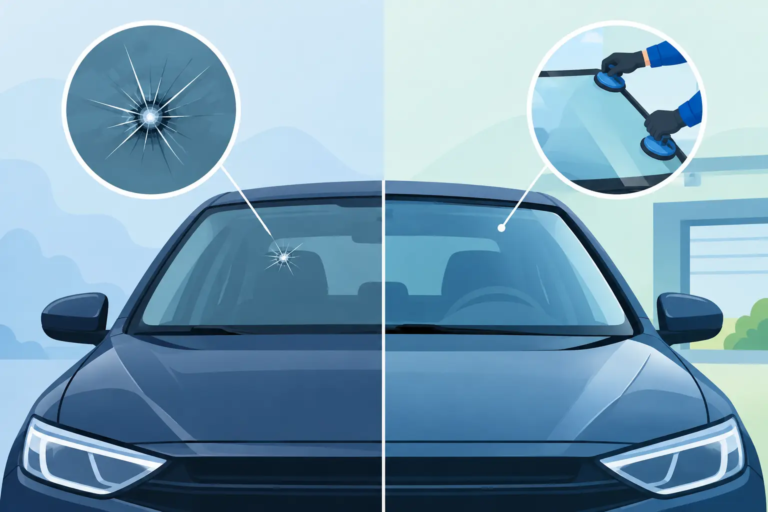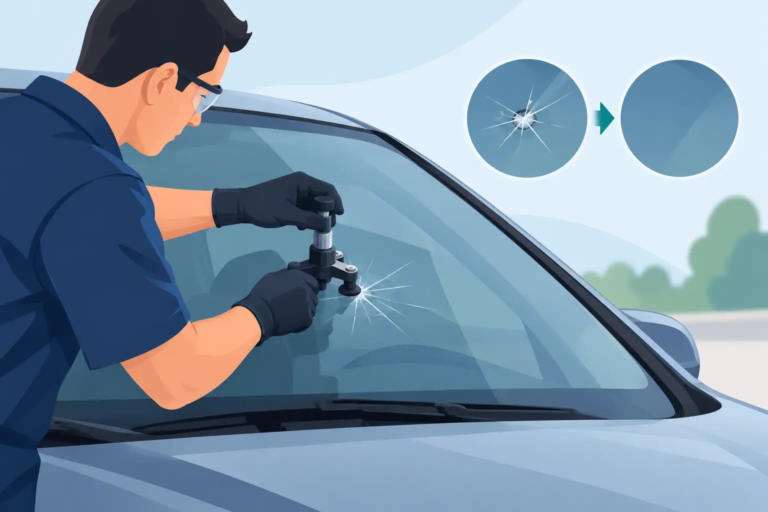

A windshield chip can look harmless when you park at night and turn into a visible crack by morning. So, can windshield chips spread overnight? Yes. It does not happen every time, but a chip is a weak point in laminated safety glass, and the right combination of temperature change, moisture, vibration, and stress can make that damage grow fast.
For drivers around Denton and North Texas, waiting to see what happens is rarely the best plan. A repairable chip may stay small for a while, or it may become a crack that changes the repair decision completely. Fast attention gives you the best chance to save the original windshield and avoid the cost and downtime of replacement.
Can Windshield Chips Spread Overnight?
Yes, particularly when the glass experiences a major temperature shift. Windshield glass expands and contracts as temperatures change. The outer surface and inner surface do not always change temperature at the same rate, which creates stress around the already-damaged area.
A cool North Texas evening followed by direct morning sun can be enough to push a stressed chip into a crack. The same is true when a hot windshield is suddenly cooled by air conditioning, cold rain, or a car wash. A chip may also spread after a rough drive home, a pothole, a slammed door, or a hard bump in a parking lot.
The important point is that a chip does not need another rock strike to get worse. Once the glass has been damaged, everyday driving conditions can do the rest.
Why Some Chips Turn Into Cracks Faster
Not every chip has the same risk. A small, clean chip in the center of the windshield may remain stable long enough for repair. A larger impact point, a chip with visible legs, or damage close to the windshield edge deserves quicker action.
The edge of a windshield carries more structural stress than the center. Cracks that begin near the edge often travel more readily because they are starting in a more vulnerable area. Damage directly in the driver’s line of sight can also require closer evaluation, even when it is small, because a repair must not leave a visual issue that interferes with safe driving.
Moisture and dirt matter, too. Rainwater, washer fluid, road grime, and dust can work their way into the break. That contamination can make a repair more difficult and can affect how cleanly the damaged area restores. Covering a chip with a clear piece of tape can help keep debris out until a specialist can inspect it. Do not press hard on the glass, and do not use opaque tape that bakes in the sun and leaves adhesive behind.
What Happens While Your Car Is Parked
Overnight damage is usually the result of stress building on an existing break, not the windshield randomly failing. A few common situations increase the odds:
- Your vehicle sits outside during a sharp drop in temperature.
- Morning sun heats one area of the windshield quickly.
- Moisture enters the chip and expands or shifts as conditions change.
- The windshield already has tiny crack legs that are hard to see from inside the vehicle.
- The vehicle was driven over uneven pavement or experienced vibration before being parked.
Texas weather can add another layer of unpredictability. Summer heat puts glass under stress, while cold fronts, storms, and sudden rain can change the glass temperature quickly. Even in mild weather, a small chip can grow if it is already under tension.
Should You Drive With a Windshield Chip?
It depends on the chip, but delaying repair is a gamble that usually gets more expensive with time. If the damage is small and stable, you may be able to drive briefly to work or home. Still, avoid unnecessary trips, rough roads, aggressive door slams, and blasting the defroster or air conditioner directly at the damaged area.
If the chip has turned into a long crack, reaches the windshield edge, is directly in your viewing area, or keeps growing, arrange an inspection as soon as possible. A windshield is not just there to block wind and rain. It contributes to the vehicle’s overall structure and supports safe airbag performance in many vehicles. A damaged windshield deserves a professional assessment rather than a guess based on how it looks from the driver’s seat.
For fleet vehicles, the cost of waiting can go beyond the glass itself. A crack that spreads can take a truck, school bus, or rental vehicle out of service at the wrong time. Addressing small damage early helps reduce interruption and keeps maintenance costs more predictable.
What to Do Tonight If You Find a Chip
First, resist the temptation to test it by pushing on the damaged spot. Do not pour hot water on a cold windshield or cold water on hot glass. Extreme temperature changes can make a crack travel immediately.
If the chip is dry, place clear tape loosely over it to keep out moisture and debris. Park in a garage or shaded spot if possible, especially when temperatures are changing. If you must park outside, avoid positioning the windshield for intense early-morning sun when you have a choice.
Keep the cabin temperature moderate. There is no need to avoid climate control entirely, but do not aim maximum heat or maximum cold directly at the chip. Use gradual temperature changes instead. Then schedule an inspection promptly. The goal is simple: get the break evaluated before contamination or crack growth turns a straightforward repair into a replacement conversation.
When Windshield Repair Is Still a Good Option
Many chips and short cracks can be repaired, even when other shops are quick to recommend replacement. The decision depends on the damage pattern, location, size, depth, contamination, and whether the glass has begun to crack extensively.
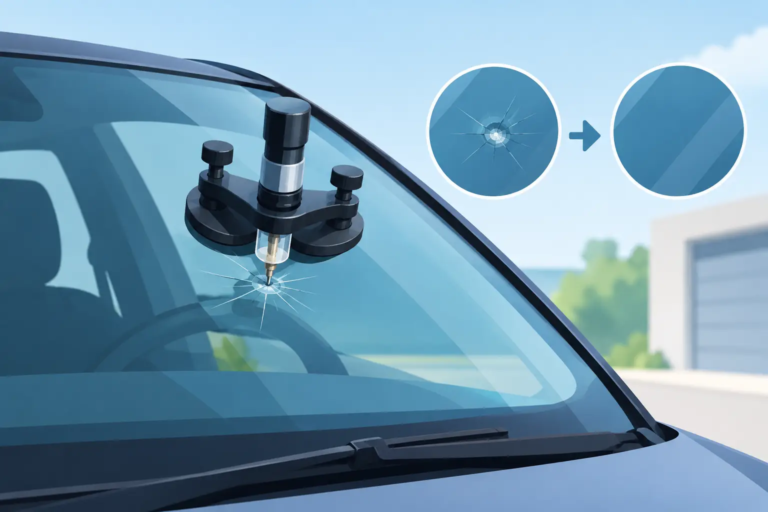
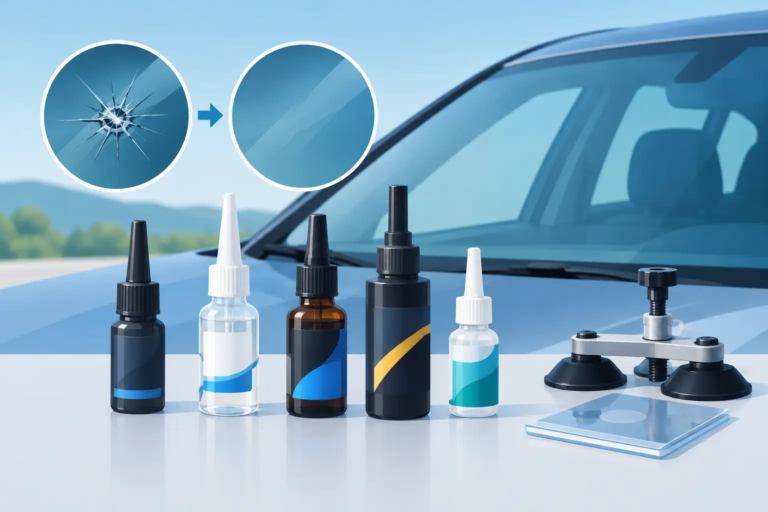
A proper repair does more than fill a visible pit. The process stabilizes the damaged area by removing air from the break and introducing a specialized resin. When done correctly, it can restore strength and improve appearance, although no honest specialist should promise that every repaired area will disappear completely. The best outcome is a stable windshield with minimal remaining visibility.
There are limits. Damage that has spread too far, reaches critical areas, compromises the edge, or interferes with cameras and safety systems may require replacement instead. That is why an in-person assessment matters. The right answer is not always repair, but replacement should not be the automatic answer simply because a chip is noticeable.
Get a Specialist to Look at It Before It Spreads
A chip does not follow a schedule. It may look unchanged for days, then crack during one cold night, one hot afternoon, or one ordinary drive across town. The earlier it is inspected, the more options you usually have.
SuperGlass Denton provides mobile windshield repair for drivers and fleets across Denton and nearby North Texas communities, bringing specialist service to your home, workplace, or vehicle location. If the damage is repairable, acting now can help preserve your original windshield, limit disruption, and keep a small problem from becoming tomorrow morning’s larger one.