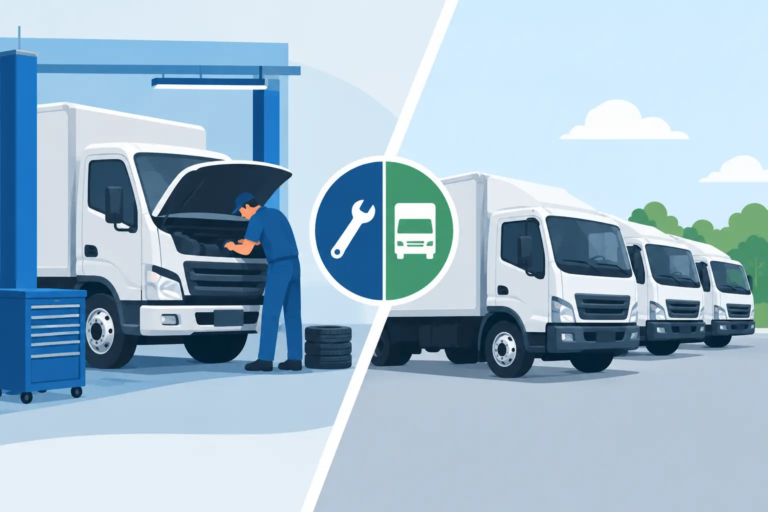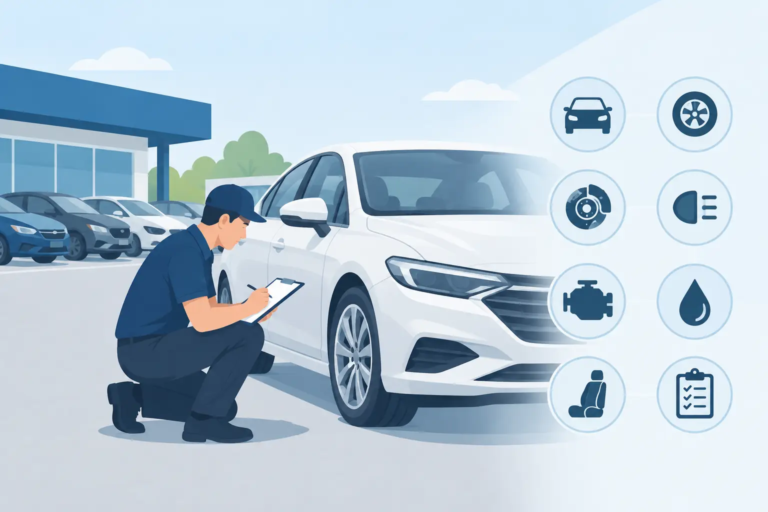

A truck pulled from its route for a windshield replacement does not just create a glass bill. It can create a missed delivery, a rescheduled driver, an idle asset, and a customer who has to wait. Fleet downtime reduction through repairs starts by treating small vehicle damage as an operational issue before it becomes a replacement-level problem.
For North Texas fleet operators, mobile repair offers a practical answer. A repair specialist can often address eligible windshield chips, surface scratches, and cloudy headlights where the vehicle is parked, reducing the time it spends out of service. The goal is straightforward: keep safe, serviceable vehicles on the road without paying for unnecessary replacement.
Why minor damage creates major fleet disruption
Fleet vehicles take more daily abuse than most personal vehicles. Highway debris, construction zones, gravel lots, weather shifts, frequent washing, loading areas, and long hours behind the wheel all add up. A small windshield chip can appear after one road call. Headlights can haze over slowly until nighttime visibility becomes a concern. Surface scratches may seem cosmetic until a rental return, vehicle inspection, or customer-facing service call puts them under scrutiny.
The damage itself is only part of the cost. The larger issue is how quickly it is reported, evaluated, and handled. When a chip sits for weeks, temperature changes and vibration can allow it to spread into a crack. What may have been a short repair appointment can turn into a windshield replacement, scheduling delays, and a longer period without that vehicle.
This matters across many types of fleets. A school bus cannot simply miss its route. A rental vehicle needs to be ready for its next reservation. A service truck is a revenue-producing workplace on wheels. Even one unavailable vehicle can force dispatchers to rearrange the day.
Fleet downtime reduction through repairs starts early
The best repair decision is usually made when the damage is still small. That does not mean every mark on glass or every scratch can be repaired. Damage location, size, depth, contamination, and the condition of the surrounding material all matter. A professional inspection should determine whether repair is appropriate and safe.
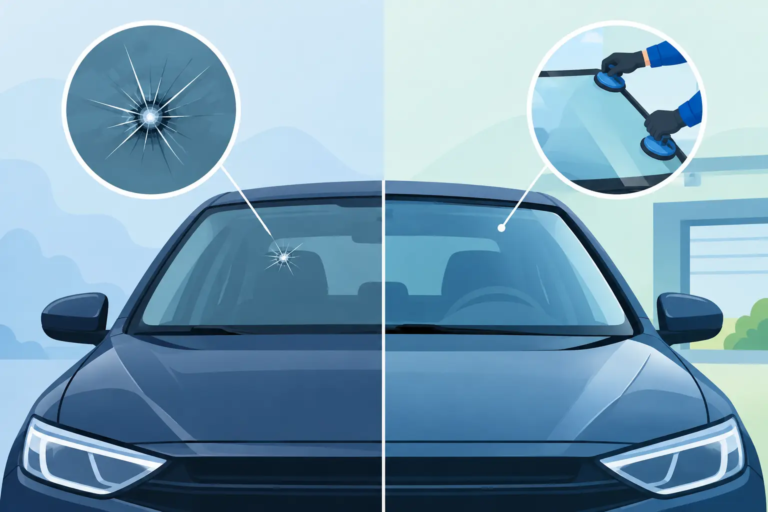
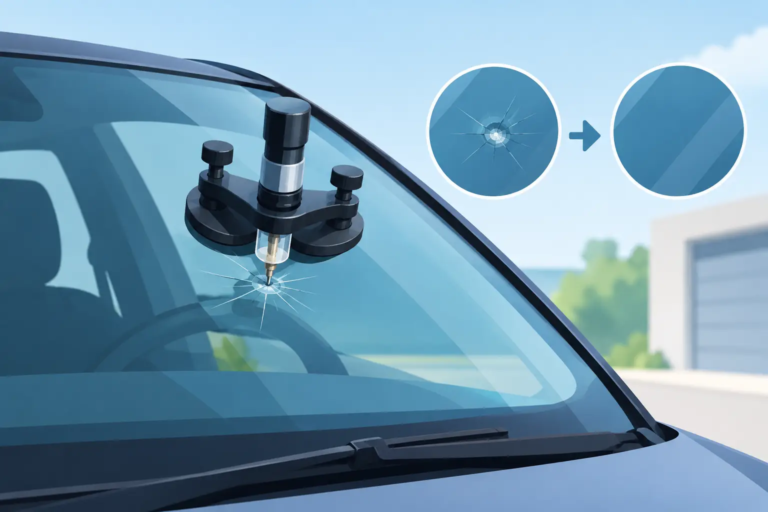
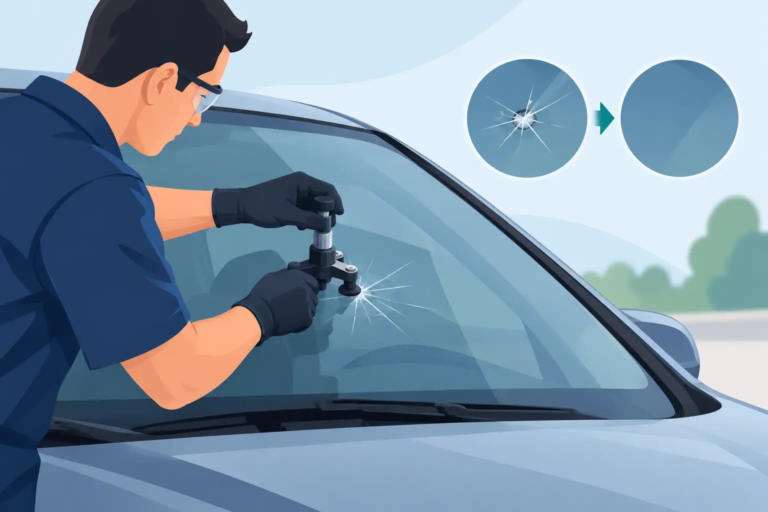
For windshield damage, a prompt evaluation is especially valuable. Many chips can be repaired before they develop into long cracks, provided the damage is suitable for repair. Repairing an eligible chip preserves the existing windshield, takes less time than replacement in many cases, and helps avoid recalibration or replacement-related scheduling issues that may apply to newer vehicles with advanced driver assistance systems.
There is a trade-off. A fleet manager should never choose repair simply because it is faster or cheaper if the damage calls for replacement. A crack that affects visibility, reaches the edge of the glass, or fails to meet safe repair criteria needs the right solution, not a shortcut. The advantage of working with a repair specialist is getting a clear recommendation based on the actual condition of the vehicle.
Mobile service protects productive hours
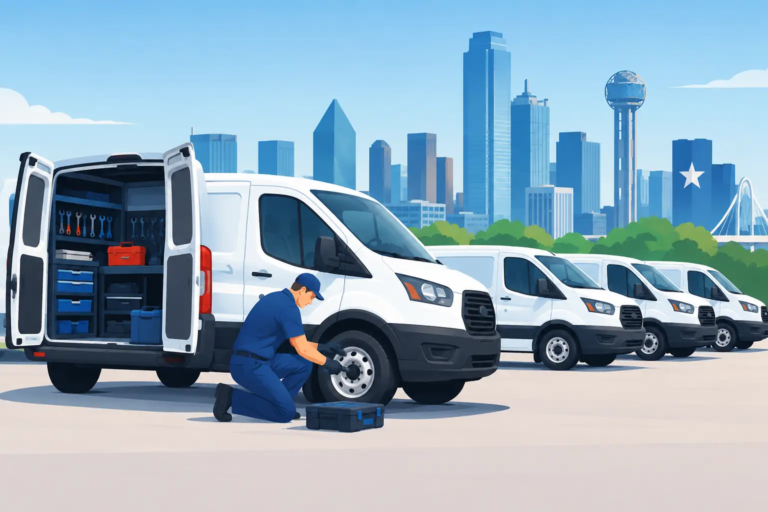
Bringing multiple vehicles to a shop creates its own downtime. Someone must drive them there, wait, arrange rides, or shift the work to another unit. Mobile service changes that equation by bringing qualified repair work to the fleet yard, office, school district location, rental lot, or other agreed location.
That convenience is not just a customer perk. It is a scheduling tool. Repairs can be planned around route departures, driver shifts, vehicle cleaning, inspections, or periods when equipment is already parked. Instead of losing a vehicle for most of a day, managers can often coordinate service with a much smaller interruption.
For fleets in Denton, Plano, Frisco, McKinney, Lewisville, Carrollton, and surrounding North Texas communities, local mobile service also makes it easier to respond before minor damage grows. The sooner the inspection happens, the more options a fleet may have.
The repair priorities that matter most
Not every vehicle issue has the same operational impact. Fleet managers get better results when they set priorities based on safety, likelihood of damage spreading, and whether the vehicle can remain customer-ready.
Windshield chips should generally move to the front of the line. A chip can collect dirt and moisture, and roadway vibration can make its condition worse. Drivers should be instructed to report new damage quickly, ideally with the vehicle number, location of the damage, and a clear photo. That gives the fleet team a faster way to decide whether a mobile inspection is needed.
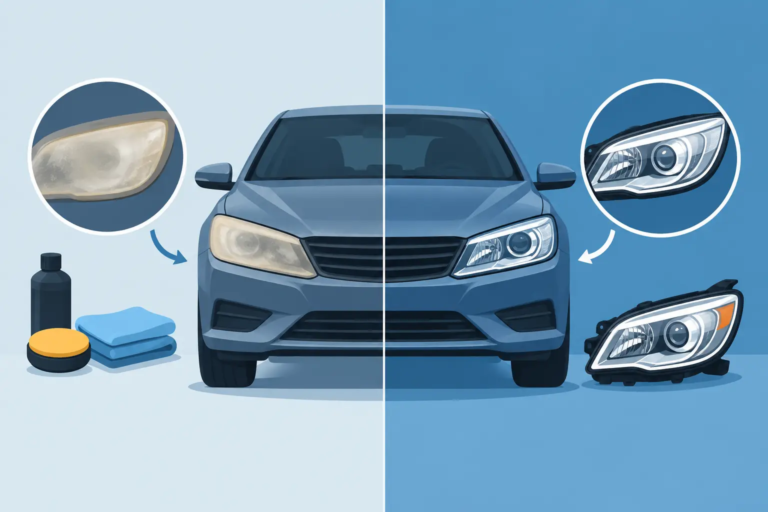
Headlight restoration can be equally valuable for older fleet units. Oxidized lenses reduce the amount of usable light reaching the road and can make an otherwise well-maintained vehicle look neglected. Restoring eligible headlights can improve appearance and visibility without replacing the full headlight assembly.
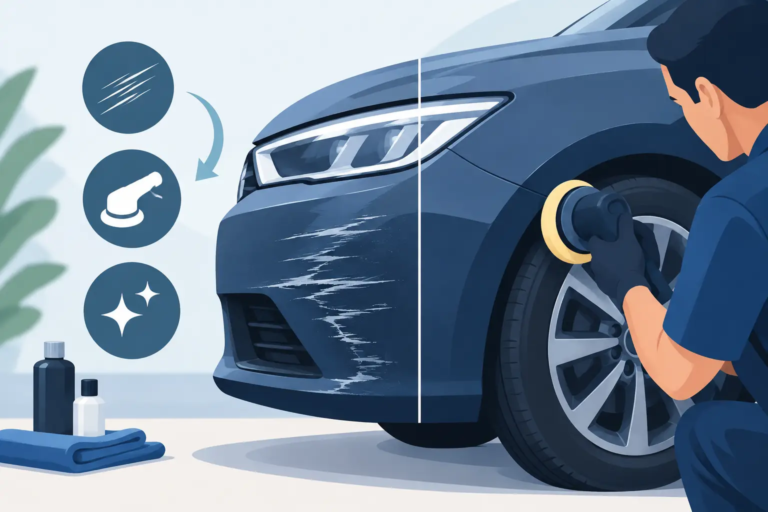
Surface scratch repair has a different role. It may not always affect whether a vehicle can operate, but it matters for rentals, branded service vehicles, executive transportation, and any fleet where appearance affects customer confidence. Repairing eligible scratches can help preserve vehicle presentation and reduce avoidable reconditioning costs.
Build a simple reporting process for drivers
A fleet repair program does not need complicated software to work. It needs consistent habits. Drivers are usually the first people to see new windshield chips, damaged headlights, or surface marks. Give them a clear instruction: report damage immediately, do not wait for the next scheduled maintenance cycle.
A useful report includes the unit number, a photo, when and where the damage occurred, and whether the driver believes visibility is affected. Fleet staff can then group repairable issues by location and schedule mobile service efficiently.
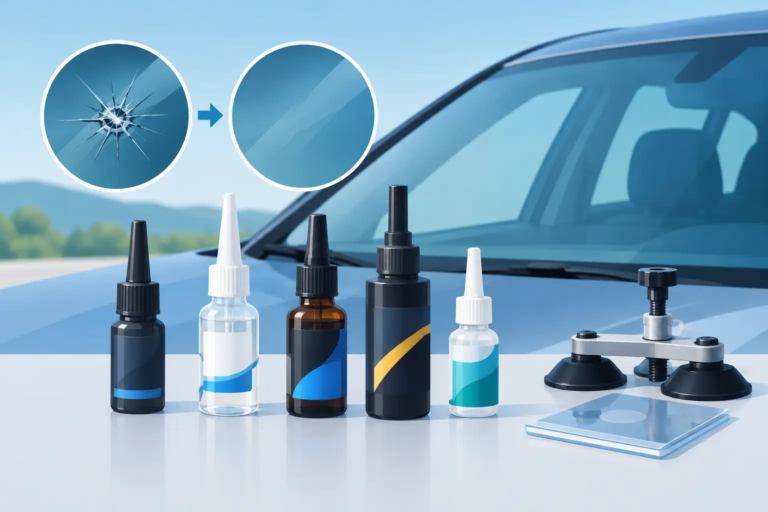
It also helps to establish a no-delay rule for windshield damage. Drivers should avoid pressing tape directly onto a chip unless directed by a professional, and they should not try do-it-yourself repair kits on company vehicles. Incorrect attempts can contaminate damage or make professional repair more difficult. Keeping the area clean and arranging an assessment promptly is the better path.
Measure the downtime you avoid
Fleet downtime reduction is easier to improve when it is visible. Track the number of windshield repairs completed, replacements avoided when repair was appropriate, days each vehicle was unavailable, and the amount spent on repair versus replacement. For rental fleets, it may also be useful to track whether cosmetic repairs prevented a vehicle from being removed from inventory.
These numbers do more than support a budget request. They reveal patterns. If several vehicles are receiving repeated windshield damage on the same route, at the same jobsite, or during a certain season, the fleet can take preventive action. That may involve adjusting following distance on gravel roads, changing parking positions, reviewing wash procedures, or improving driver reporting.
A repair-first approach is not about avoiding replacement at all costs. It is about preserving serviceable components when professional repair is the right call. That distinction protects both the fleet budget and the people who rely on the vehicles.
Choose a specialist, not a one-size-fits-all vendor
For fleet work, consistency matters as much as speed. You need a provider that understands how to assess repair eligibility, work professionally around active operations, and communicate clearly about what can and cannot be restored. A vague promise to “take a look” is not enough when vehicles have routes, reservations, and deadlines.
SuperGlass Denton focuses on repair solutions that can save existing vehicle components from unnecessary replacement. That includes mobile windshield repair, headlight restoration, and scratch removal for eligible damage. The work is backed by a lifetime repair guarantee or money back, giving fleet managers more confidence in choosing repair when it is appropriate.
When comparing service providers, ask practical questions. Can they serve your fleet where it is parked? Can they handle several units in one visit? Do they explain when replacement is necessary? Will they document completed work for your records? The right answers reduce back-and-forth for your team and help maintain a predictable repair process.
A vehicle does not have to be fully disabled to cost your operation money. A spreading windshield chip, faded headlight lens, or avoidable scratch can become more expensive when it is ignored. Set a fast reporting standard, schedule professional assessments early, and use mobile repairs when the damage qualifies. That small operational discipline can keep more of your fleet ready for the next route, reservation, or service call.