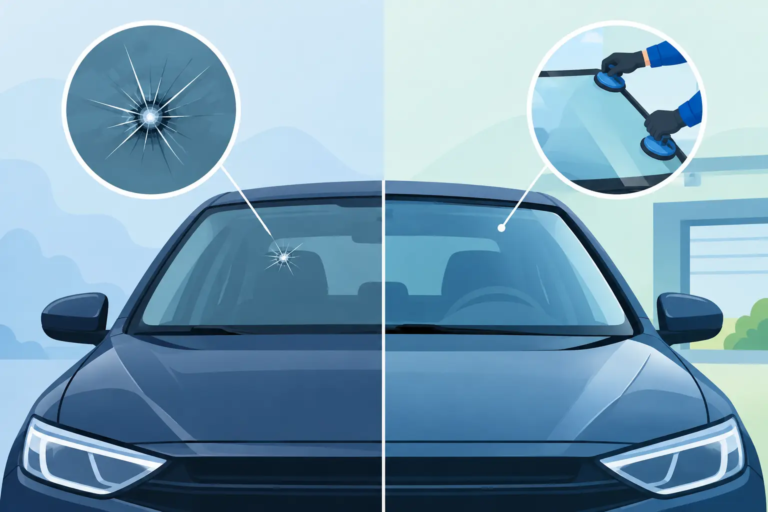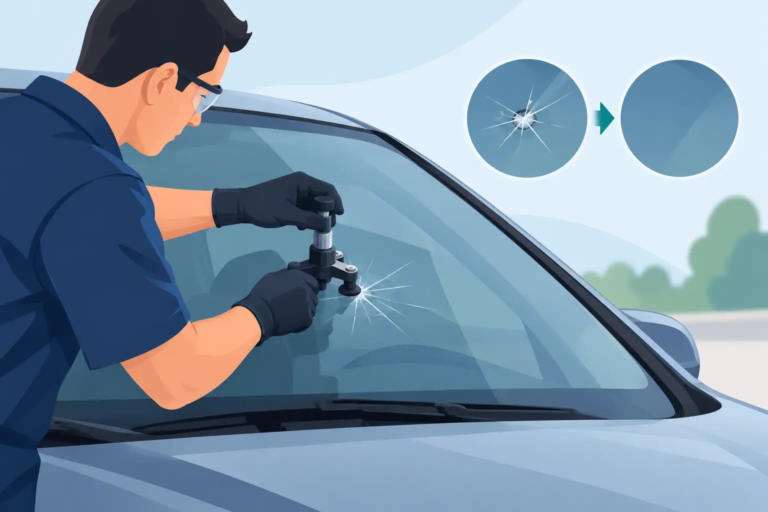
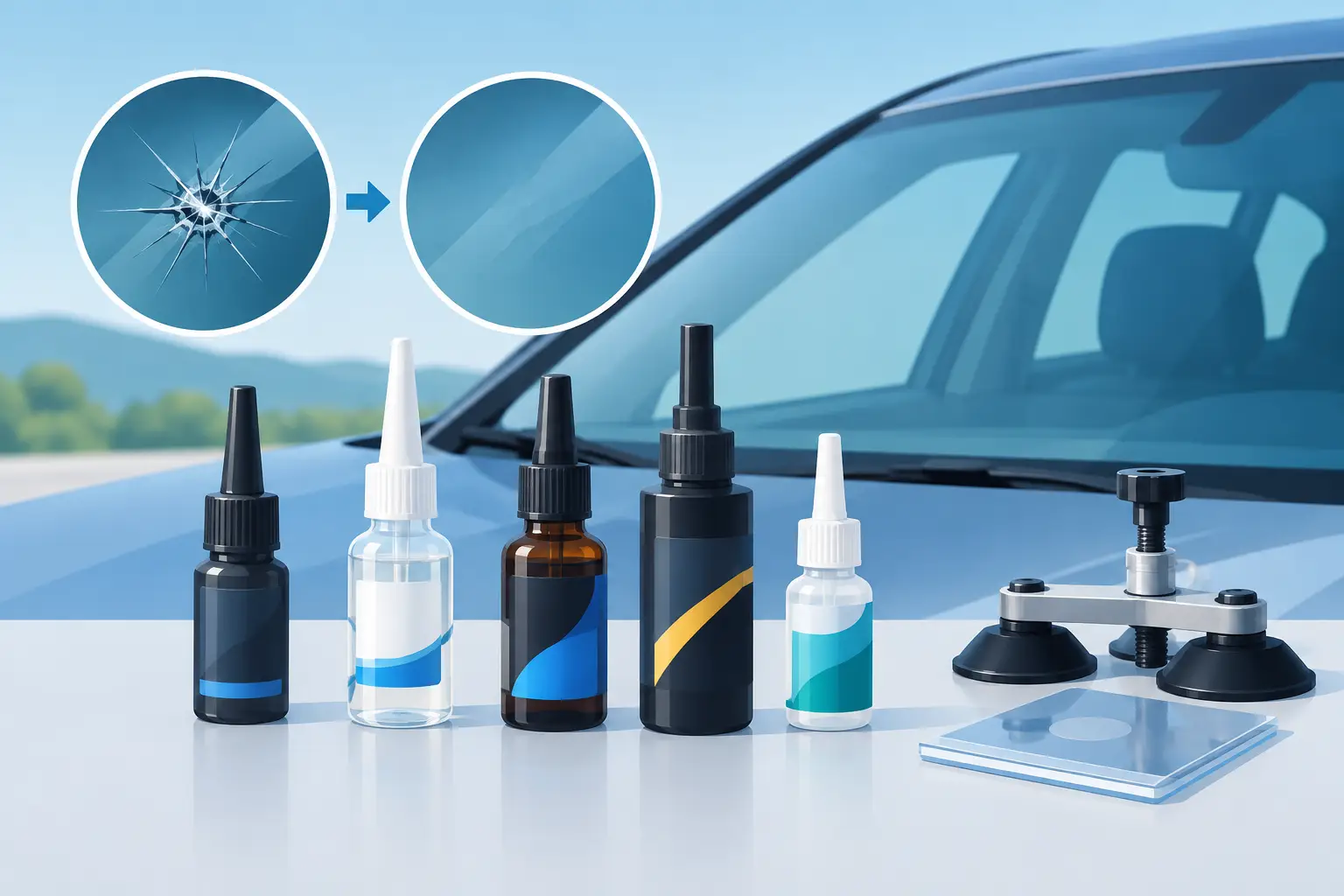
A windshield chip can look like a minor inconvenience until Texas heat, highway vibration, and one hard pothole turn it into a crack across your line of sight. A windshield resin comparison helps explain why some repairs remain clear and stable while others leave a noticeable mark or fail to hold. But for most drivers, the right answer is not buying the resin with the biggest claim on the label. It is getting the right resin, repair method, and technician for the specific damage in your glass.
What Windshield Repair Resin Actually Does
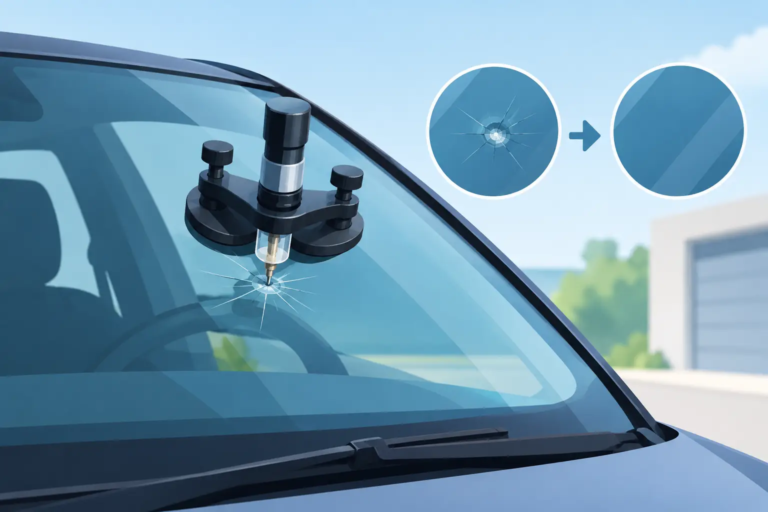
Windshield repair resin is a clear liquid material that is injected into a chip or crack under controlled pressure and vacuum. Its job is to fill the damaged area, bond the separated glass layers, and cure into a stable solid under ultraviolet light.
A good repair does more than improve appearance. It helps stop damage from spreading, restores structural strength around the break, and may keep a repairable windshield out of the replacement category. That can save time, avoid the cost of a new windshield, and preserve the factory-installed glass already fitted to your vehicle.
Resin cannot make every break disappear completely. Even a high-quality repair may leave a faint blemish, especially when dirt, moisture, age, or previous repair attempts are involved. The goal is to stabilize the damage and improve optical clarity as much as the break allows.
Windshield Resin Comparison: What Separates One Resin From Another
Not every chip or crack needs the same resin. The biggest difference is viscosity, which describes how thick or thin the material is. That single characteristic affects whether resin can reach the deepest parts of a break.
Thin resin for tight cracks and fine legs
Low-viscosity resin is thinner and flows more easily. It is often useful for narrow cracks, star-break legs, and tight areas where a thicker material would struggle to travel. When a technician can properly open and fill those fine channels, the repair is more likely to stop the crack from advancing.
The trade-off is that thin resin is not always the best choice for a larger impact point. In a broad chip cavity, it may flow too freely or require a different material to build a complete fill.
Medium resin for many common chips
Medium-viscosity resin is a versatile option for common bulls-eye breaks, combination breaks, and chips with a more open center. It balances flow with body, making it useful in many everyday repairs. This is why an experienced technician often carries more than one resin rather than trying to force every repair through the same bottle.
Thick resin for larger surface cavities
High-viscosity resin is thicker and better suited for more open damage near the surface. It can help fill a larger pit or impact area after the internal legs of the break have been treated. Thick resin can be valuable for producing a smoother finished surface, but it will not reach into a tight crack as effectively as a thinner formula.
The best windshield repair often uses a combination of resins. A technician may begin with a thinner material to penetrate the break, then use a thicker finishing resin to restore the surface. That is a better approach than treating resin as a one-size-fits-all product.
Clarity Matters, But Strength Comes First
Drivers naturally focus on whether the chip will still be visible. Appearance matters, particularly when damage sits near the driver’s viewing area. Still, the first priority is properly filling the break and stabilizing it.
High-quality resin is designed to cure clear and bond well with the windshield glass. Its refractive properties matter because they affect how light moves through the repaired spot. When those properties closely match the glass, the damage tends to look less noticeable after repair.
Yet clarity is affected by more than the resin itself. A chip that has been on the windshield for weeks can collect dust, road grime, water, and traces of windshield washer fluid. Those contaminants can remain visible even after a technically sound repair. A fresh chip that is protected with clear tape and repaired quickly usually has the best chance of a cleaner-looking result.
Do not judge a repair only by whether you can find it afterward. A faint mark can still represent a strong, successful repair that prevents a costly crack and keeps the windshield in service.
Cure Speed Is Not the Same as Repair Quality
Most windshield resins cure under UV light. Faster curing can be helpful for mobile service, especially when a customer needs to get back to work or a fleet vehicle needs to return to the road. But curing resin too quickly, before it has fully penetrated the damage, can trap air or leave part of the break unfilled.
Proper timing is part of the job. The technician must inspect the break, remove moisture when needed, create the right pressure and vacuum cycles, verify that resin has reached the legs of the damage, and then cure it. Temperature and direct sunlight can also change how resin behaves.
North Texas weather makes this practical knowledge especially valuable. A windshield that has been baking in a Denton parking lot behaves differently from one repaired on a cold morning or during humid weather. The resin must be matched to the conditions as well as the break.
The Repair Tool and Technician Matter as Much as the Resin
A windshield resin comparison can be useful, but it has limits. Premium resin in an inexperienced repair attempt can still produce poor results. The repair device, surface preparation, inspection process, and technician’s judgment all affect the outcome.
An experienced specialist knows when a break needs gentle heat to remove moisture, when a crack requires a stop drill to reduce spreading pressure, and when damage is too compromised for a dependable repair. They also know not to promise a perfect cosmetic result when the windshield has old, contaminated damage.
This is one reason do-it-yourself kits can be unpredictable. They may work on a small, fresh chip with simple damage, but they offer limited control over vacuum, pressure, resin selection, and curing conditions. If the attempt leaves air pockets, introduces debris, or seals the surface before the break is filled, a professional repair later may be more difficult.
Which Damage Is Usually Repairable?
Many rock chips, bulls-eye breaks, stars, and combination breaks can be repaired when addressed early. Short cracks may also be repairable, depending on their location, direction, contamination level, and the condition of the surrounding glass.
There are situations where replacement is the safer choice. Damage at the edge of the windshield can be under greater stress. A long crack may have already traveled too far to stabilize reliably. Multiple breaks, severe contamination, broken glass layers, and damage directly affecting critical driver visibility can also change the recommendation.
The right specialist will not push a repair that should be a replacement. At the same time, they should not recommend replacement simply because a chip requires more skill than a basic repair. The value of a true repair specialist is the ability to make that call honestly.
How Drivers Can Protect a Chip Before Service
Once you notice a chip, avoid slamming doors and running the defroster at maximum heat against a cold windshield. Sharp temperature changes and vibration can cause the damage to spread.
Keep the break dry and cover it with a small piece of clear tape if possible. Do not use duct tape, apply household glue, or spray cleaners directly into the chip. Those shortcuts can contaminate the damaged area and reduce the final appearance of the repair.
Then schedule an inspection promptly. Mobile windshield repair is especially useful for busy commuters, families, and fleet managers because the vehicle can often be evaluated and repaired at home, at work, or where it is parked. Less downtime is a real advantage when one vehicle affects an entire workday or fleet schedule.
A Better Question Than “Which Resin Is Best?”
The better question is: what will give this specific windshield the strongest, cleanest possible repair? The answer depends on the type of damage, how long it has been exposed, the weather, and the experience of the person performing the work.
SuperGlass Denton approaches windshield repair as a specialist service, not a reason to sell a replacement. When a windshield can be saved, the right resin and a careful repair process can protect your visibility, your budget, and your time. Address the chip while it is still small, and you give the repair the best chance to do its job.