
A small chip on Monday can turn into a full-length crack by Friday in North Texas heat. That is why drivers start looking for windshield replacement alternatives as soon as they notice damage. The good news is that replacement is not always the first or best move. In many cases, a skilled repair can stop the damage, restore clarity, and keep the original glass in service.
That matters more than most people realize. A factory windshield is part of your vehicle’s structure, and keeping it in place is often the smarter option when the damage allows it. For busy drivers, families, commuters, and fleet managers, avoiding replacement can also mean less downtime, lower cost, and fewer headaches.
When windshield replacement alternatives make sense
The right alternative depends on the type of damage, where it sits on the glass, and how long it has been there. A fresh rock chip is a very different situation from a long crack that has collected dirt, moisture, and road grime for weeks.
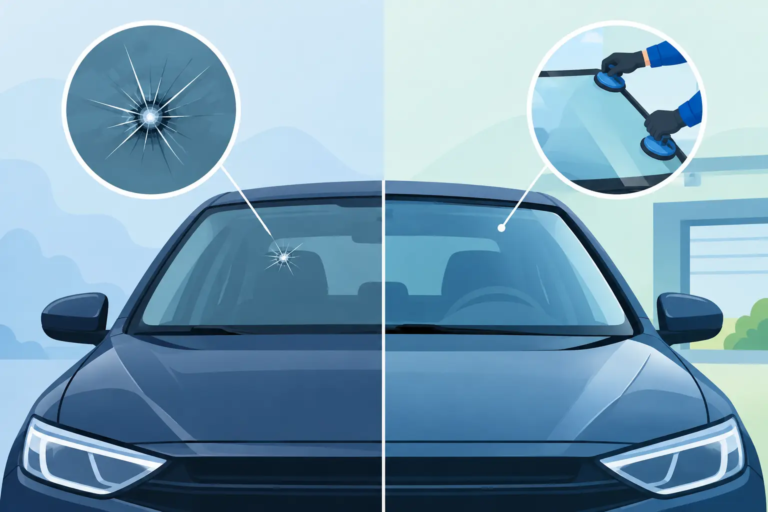
In general, repair is the main alternative to replacement. It works best for chips, bullseyes, star breaks, and small cracks that have not spread too far. If the damage is outside the driver’s direct line of sight and the inner layer of glass is still sound, repair is often the most cost-effective choice.
For many drivers, this is the part that gets missed. They assume cracked means replaced. That is not always true. A repair specialist looks at the actual break pattern, the condition of the laminate, contamination, and the location before recommending the next step. That specialist approach can save a windshield that a general glass shop might write off too quickly.
The most common windshield replacement alternative: professional repair
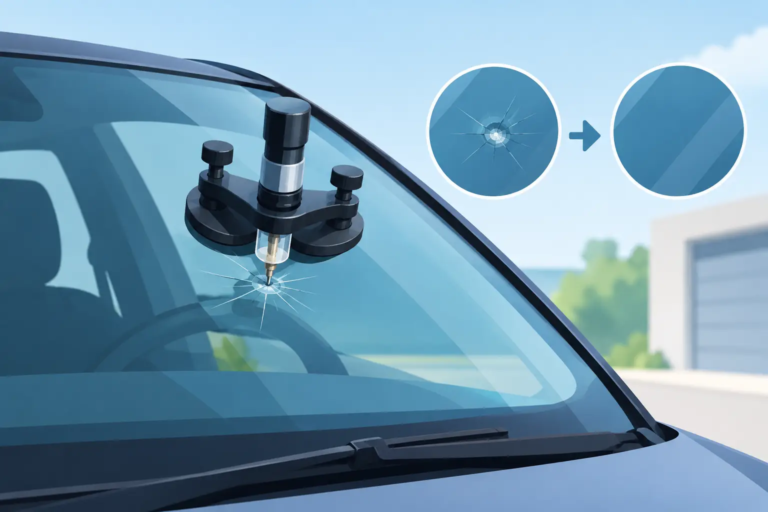
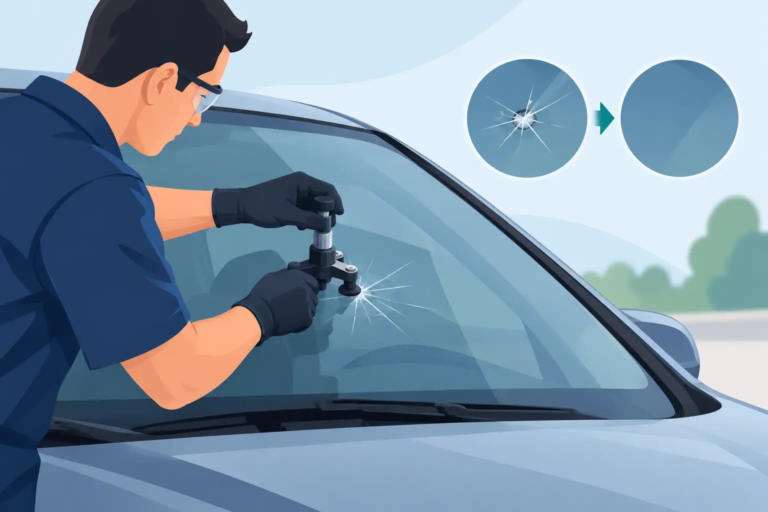
Professional windshield repair is the option that solves the most problems with the least disruption. The process fills the damaged area with a clear resin, then cures and polishes it so the glass regains strength and improved appearance.
A quality repair will not make every break disappear completely. Anyone promising invisible results every time is overselling it. What a proper repair should do is stop the damage from spreading, improve clarity, and restore structural integrity in that section of the glass.
That trade-off makes sense for a lot of people. You keep your original windshield, avoid the cost of new glass, and usually get back on the road quickly. For fleet vehicles, that can be the difference between a short service stop and losing a vehicle for a larger replacement appointment.
What repair can usually handle
Most repairable damage starts small. Rock chips, combination breaks, star breaks, and many short cracks are strong candidates if they are treated early. Fresh damage is easier to clean out and fill properly, which gives you a better end result.
Timing matters. Once water and debris get into the break, the final appearance may not be as clean, even if the repair is structurally successful. That is why waiting rarely helps.
What repair usually cannot fix
There are limits, and a trustworthy specialist will tell you when repair is no longer the right answer. If the crack is too long, reaches the edge, sits directly in a critical viewing area, or the glass has multiple damaged zones, replacement may still be necessary.
Some windshields are also affected by advanced driver assistance systems. Cameras and sensors can change the replacement process, but they do not automatically rule out repair. It still comes down to the location and severity of the damage.
Other windshield replacement alternatives people ask about
Drivers often search for shortcuts before calling a pro. Some are understandable. Almost none are a true substitute for expert repair.
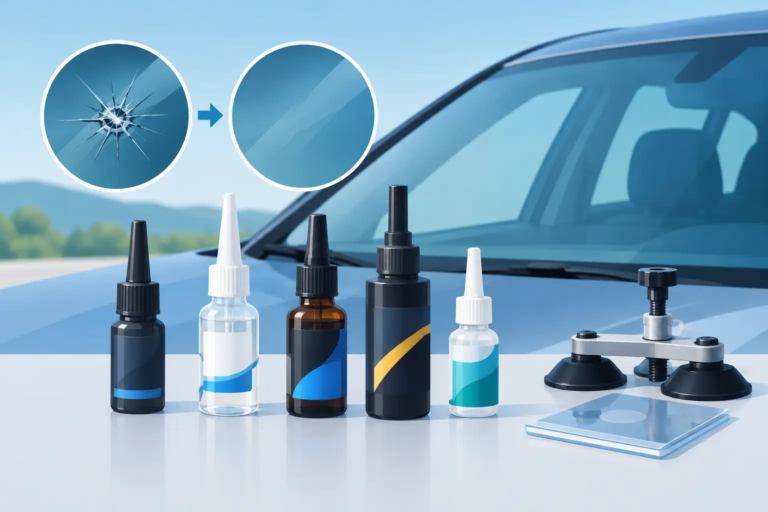
DIY repair kits are the most common example. They can help in a narrow set of situations, usually very small and very fresh chips, but results are inconsistent. The resin quality, suction, pressure, and curing process are rarely as controlled as professional tools allow. If the break is larger, dirty, or beginning to spread, a DIY kit can waste time or make later repair harder.
Temporary windshield patches and tape are another stopgap people try. These do not repair the glass. At best, they keep out moisture and dirt for a short period until proper service can be done. That can be useful if you notice damage on a road trip or before a storm, but it is not a long-term fix.
Then there is the option of doing nothing. Technically, some drivers treat that as an alternative. In practice, it is a gamble. North Texas roads, temperature swings, and daily vibration from commuting all work against you. A chip that could have been repaired quickly can become a replacement job after one pothole, one cold morning, or one blast of summer heat.
Windshield replacement alternatives for North Texas drivers
Local conditions make fast action even more important. Heat expansion, sudden storms, highway debris, and long daily drives around Denton, Frisco, Plano, McKinney, Lewisville, and Carrollton create the perfect setup for small damage to spread.
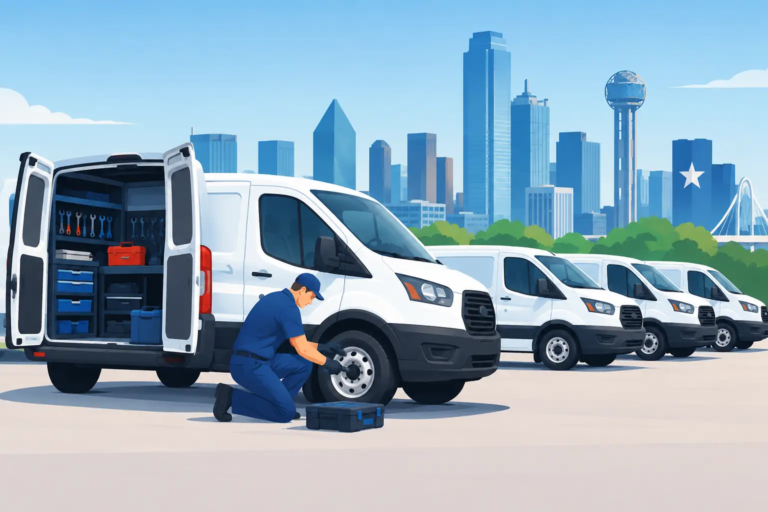
That is one reason mobile service matters. If your windshield can be repaired at home or at work, you are more likely to take care of it before it gets worse. For working parents, sales reps, contractors, and fleet operators, convenience is not a nice extra. It is what keeps the job from being postponed until the damage doubles.
This is also where experience counts. Not every shop is built around repair. Some businesses are set up mainly for replacement, so that is naturally where the recommendation goes. A repair specialist starts with a different question: can this windshield still be saved safely and professionally?
How to tell which option is right for your vehicle
The smartest next step is not guessing based on a photo online. It is getting the glass evaluated by someone who repairs this kind of damage every day. The details matter. The size of the break, whether it has branched, how deep it goes, whether contamination is present, and where it sits on the windshield all affect the answer.
If you manage a fleet, that evaluation is even more valuable. One vehicle might need immediate replacement, while five others only need repair. Treating every damaged windshield the same way can drive up costs and increase downtime for no good reason.
A good specialist will give you a straight answer. If repair is the better option, they should explain why. If replacement is unavoidable, they should say that too. The point is not to force every job into one service. The point is to avoid unnecessary replacement when repair can still do the job.
What drivers gain by choosing repair first
The biggest advantage is cost control, but it is not the only one. Repair is typically faster, less disruptive, and easier to fit into a normal workday. It also helps preserve the factory seal and original installation, which many vehicle owners prefer when the windshield is still salvageable.
There is also peace of mind in stopping a crack before it spreads across the glass. A repaired chip is easier to forget about than an untreated break you keep watching grow every time you hit the highway.
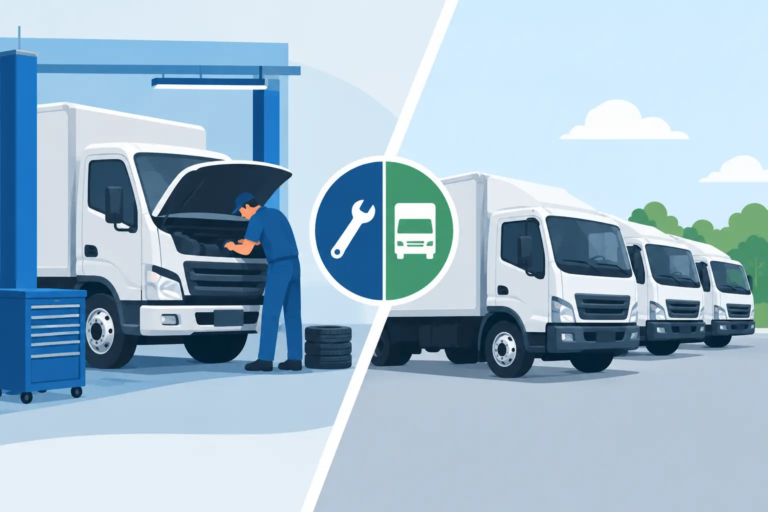
For businesses, the benefit is operational. Trucks, school buses, rental vehicles, and service fleets all lose money when they sit. If a professional repair keeps a unit on the road without compromising safety, that is a practical win.
SuperGlass Denton works with drivers and fleets who want that kind of straight, specialist-first approach. Not every windshield can be saved, but more of them can be repaired than most people are told.
If your windshield is damaged, the best alternative to replacement is usually the simplest one: get it looked at early by someone who knows how to save glass when saving it still makes sense.