
A windshield chip on a delivery van can turn into a route-ending crack before the next stop. On a school bus or work truck, a hazy windshield can create dangerous glare long before anyone calls it “broken.” This commercial vehicle windshield inspection guide gives fleet owners, drivers, and managers a practical way to catch glass problems early, protect visibility, and avoid replacement when a quality repair can save the windshield.
For commercial vehicles, glass condition is not a cosmetic detail. It affects driver safety, vehicle availability, customer schedules, and operating costs. A quick, consistent inspection is far less disruptive than taking a vehicle out of service for an avoidable windshield replacement.
Start Every Inspection With Driver Visibility
Inspect the windshield from both outside the vehicle and the driver’s seat. Outside, you are looking for impact damage, cracks, scratches, pitting, edge damage, and loose trim. From inside, you are checking what the driver actually sees: distortion, glare, wiper streaks, haze, and damage that falls in the primary viewing area.
Do the inspection in good light whenever possible. Direct sun can reveal fine scratches and pitting, while shade can make chips, cracks, and contamination easier to see. If a vehicle comes in from a dusty jobsite, clean the windshield first. Dirt can hide damage, and rubbing a dry, dirty windshield can make existing scratches worse.
A driver’s report matters, too. Ask whether the glass creates glare at night, whether rain makes the road difficult to see, or whether a crack has changed since the last shift. Fleet damage often starts small and gets ignored because the vehicle is still moving. That is exactly when repair may be the most effective option.
Commercial Vehicle Windshield Inspection Checklist
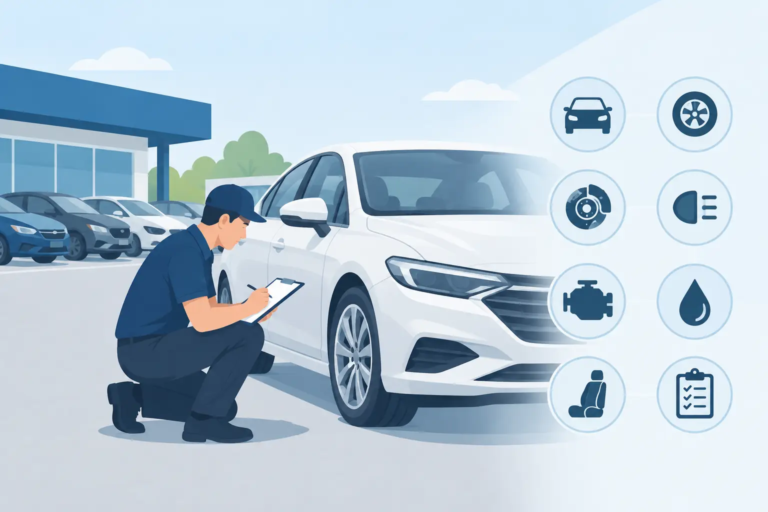
A thorough inspection does not need to take long, but it should follow the same order every time. Check the windshield, side glass, rear glass where applicable, mirrors, and headlight lenses as part of the vehicle’s regular walk-around. For the windshield, focus on these five areas:
- Impact damage: Look for bullseyes, stars, combination breaks, surface pits, and small chips caused by road debris.
- Cracks: Note the length, direction, and whether the crack reaches the windshield edge. Mark the ends with removable tape if needed so drivers can tell whether it is spreading.
- Driver viewing area: Treat damage directly in front of the driver with extra caution. Even a small break can scatter light or distort the road ahead.
- Glass edges and molding: Damage near the edge of the windshield is more likely to spread because the glass is under greater stress there. Check for lifted molding, gaps, and signs of water intrusion.
- Surface condition: Look for wiper scratches, sand pitting, chemical staining, and haze. These problems may not look severe at noon, but they can become a serious glare issue in rain or at night.
For trucks, buses, and vans that work long hours, make this check part of the pre-trip process. Rental fleets may prefer an inspection at return and again before the next customer takes possession. The right timing depends on how vehicles are used, but consistency is what prevents small damage from becoming expensive downtime.
Know When a Windshield May Be Repairable
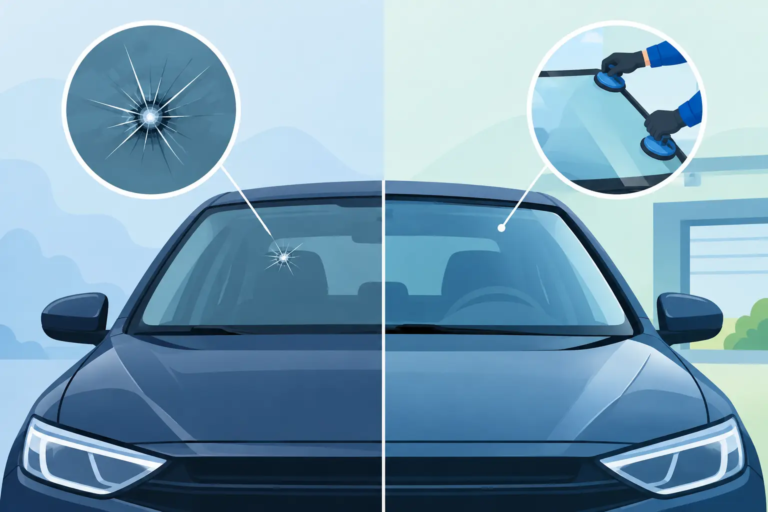
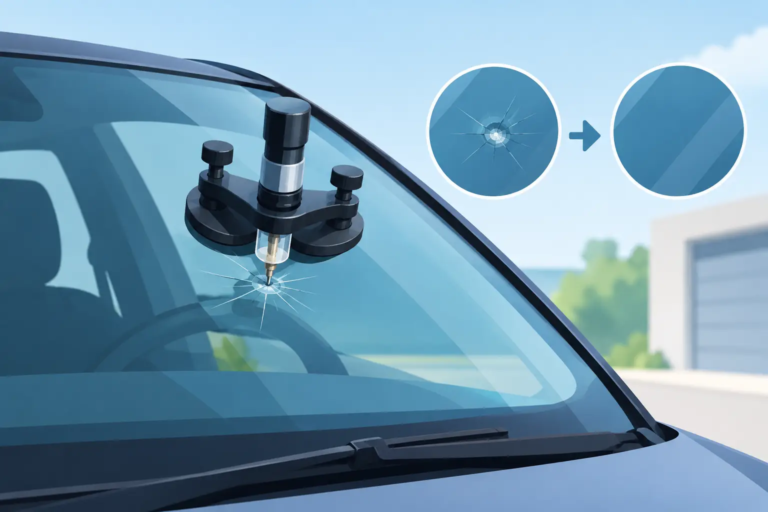
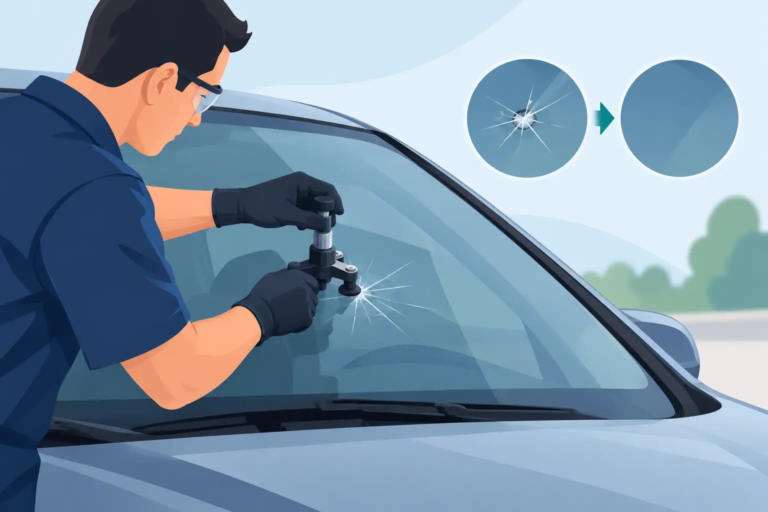
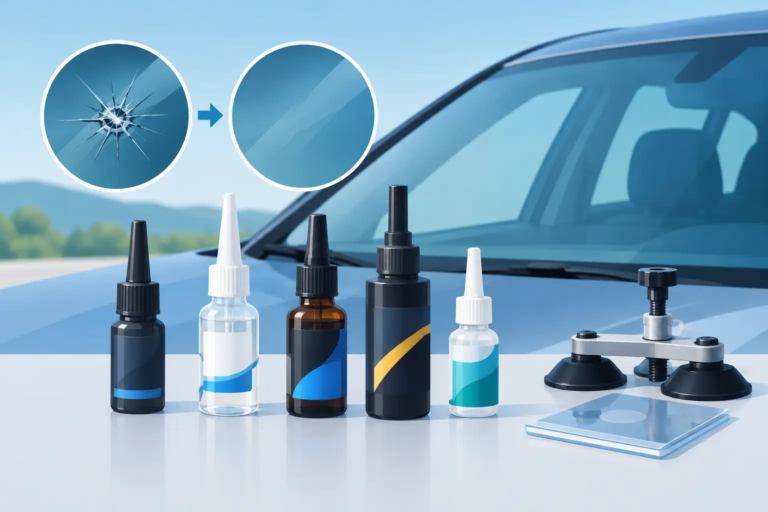
Not every chip or crack requires a new windshield. Many fleet managers assume replacement is the default because it is the familiar answer. In reality, a specialist assessment can often identify damage that is still repairable, preserving the original glass and helping keep the vehicle in service.
Repairability depends on the type of break, its size, its location, the age of the damage, and whether moisture or dirt has entered it. A fresh rock chip is usually a better repair candidate than a chip that has been exposed to rain, pressure washing, or weeks of Texas road dust. That does not mean older damage is automatically beyond help, but it should be evaluated quickly.
Cracks near the edge, damage in the driver’s direct viewing area, and breaks with severe contamination require closer judgment. Safety and clear visibility come first. A qualified technician should explain whether repair is a sound option or whether replacement is the safer call, rather than treating every piece of damaged glass the same.
If you find a chip, keep it dry and avoid washing the vehicle until it can be inspected. Do not poke at the break, apply household adhesives, or blast it with compressed air. A simple piece of clear repair film or transparent tape can help keep out contaminants temporarily, as long as the glass is dry when it is applied.
Watch for Problems That Are Not Chips or Cracks
Fleet glass inspection should go beyond obvious impact damage. Wiper blades that are worn, torn, or loaded with grit can score a windshield over time. Construction vehicles and highway-driven trucks often develop pitting from sand and debris. The result can be a windshield that looks acceptable in the parking lot but produces a veil of glare under headlights or low sun.
Pay attention to recurring patterns. If several vehicles have scratches in the same sweep path, the issue may be poor wiper maintenance rather than isolated glass damage. If vehicles return from a particular route with repeated rock chips, review following distance, route conditions, and where drivers park. Inspection findings can help prevent the next repair, not just document the last one.
Also inspect headlight lenses on commercial vehicles. Clouded or yellowed lenses reduce usable light output and make nighttime driving harder. Windshield visibility and headlight performance work together. Clear glass does not help enough if the road ahead is poorly illuminated.
Set a Practical Reporting Process
The best inspection program is one drivers will actually use. Give drivers a simple way to report glass damage immediately, ideally with a photo, vehicle number, date, and location of the damage. A photo taken from outside and another from the driver’s seat gives a service provider a better starting point.
Avoid waiting for a monthly maintenance cycle when a fresh chip appears. Temperature changes, vibration, potholes, door slams, and normal road flex can cause a small break to spread. North Texas heat makes prompt attention especially valuable, since hot glass followed by sudden cooling can put additional stress on existing damage.
For a small fleet, one person may review reports and schedule service. Larger operations may benefit from designating a fleet coordinator who tracks recurring damage, repair dates, and vehicles needing follow-up. The goal is not paperwork for its own sake. It is keeping vehicles safe, presentable, and available for work.
Choose Service That Works Around the Fleet
A commercial glass repair decision comes down to more than the price of a single repair. Consider lost route time, driver scheduling, customer commitments, replacement lead time, and whether the vehicle must sit at a shop. Mobile repair can reduce that disruption by bringing qualified service to your yard, workplace, or vehicle location.
For fleet operators in Denton and surrounding North Texas communities, SuperGlass Denton focuses on specialist repair rather than pushing replacement when repair can do the job. That approach can make a real difference for trucks, school buses, and rental vehicles that cannot afford unnecessary downtime. Repair results still depend on the damage itself, so a professional inspection should always come before a promise that every windshield can be saved.
Make Glass Checks Part of Vehicle Care
A clean windshield, good wipers, clear headlights, and prompt chip repair are small maintenance decisions with a direct effect on safety and fleet costs. Build the check into the same routine as tire, fluid, and light inspections, then act while the damage is still manageable.
The most useful rule is simple: if a driver notices a chip, crack, haze, or glare problem, report it that day. Fast attention gives you more repair options, keeps drivers seeing clearly, and helps the next route leave on time.