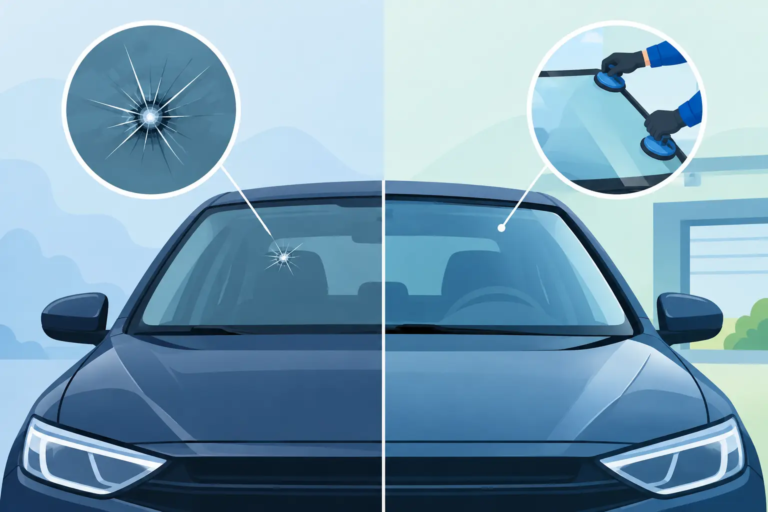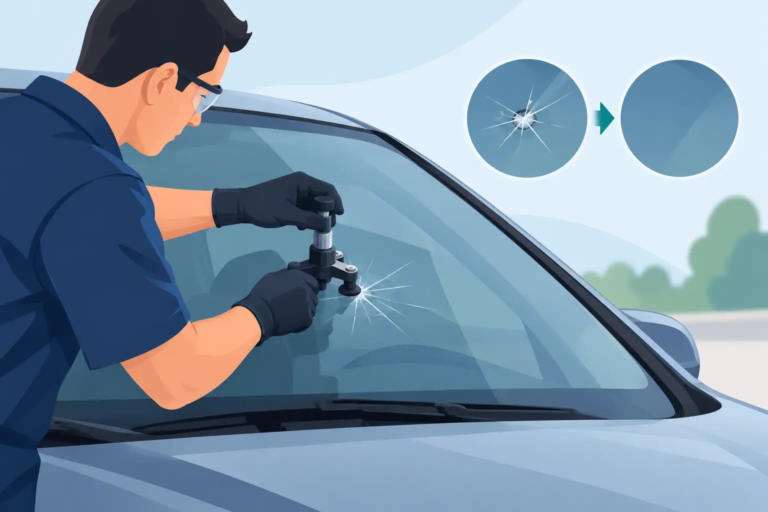

A windshield can look fine in the shade, then suddenly show every wiper mark the second you drive into the Texas sun. If you are searching for how to remove wiper scratches, the first thing to know is that not every scratch should be treated the same way. Some are light surface scuffs that can be polished out. Others are deeper damage that can distort your view or weaken the glass if handled the wrong way.
That distinction matters. The wrong product, too much pressure, or one aggressive polishing attempt can turn a minor problem into a bigger one. The goal is not just to make the glass look better. It is to restore clear visibility without creating distortion across the windshield.
What causes wiper scratches in the first place?
Most wiper scratches start with contamination, not the blade itself. Dirt, sand, road grit, and dried debris get trapped under the wiper edge and drag across the glass over and over. A worn blade can make it worse, but the real damage usually comes from abrasive particles being pushed across the same path every time the wipers move.
In North Texas, this is common after dusty days, construction-zone driving, and long highway commutes. If your windshield is dry and dirty, running the wipers can act like rubbing sandpaper over the glass. Rear windows can develop the same problem, especially on SUVs and fleet vehicles that collect dust fast.
You may also see marks after using old, hardened blades. Rubber breaks down with heat and UV exposure, and once that edge loses flexibility, it stops gliding cleanly. Instead, it chatters, skips, and leaves fine arcs that catch light at the worst times – sunrise, sunset, and nighttime headlights.
How to tell if they are true scratches or just residue
Before you try to fix anything, make sure you are dealing with scratches and not buildup. Mineral deposits, road film, tree sap haze, and old washer fluid residue can mimic scratch patterns.
Clean the glass thoroughly with automotive glass cleaner and a microfiber towel. Then run a fingernail lightly across the mark. If your nail does not catch, you may be looking at a very light surface abrasion or residue that can often be corrected. If your nail catches clearly, the scratch is deeper, and DIY polishing becomes much riskier.
This is where many people get into trouble. They assume all marks can be buffed out, but automotive glass is not paint. It is much harder, less forgiving, and easy to distort if polished unevenly.
How to remove wiper scratches that are light and shallow
If the scratches are very fine and your fingernail does not catch on them, a careful glass polishing process may help. The key word is careful.
Use a polish made specifically for automotive glass, not paint compound, metal polish, or random household products. Glass polishing products are designed for the hardness of the surface and reduce the chance of creating haze. Start with a perfectly clean windshield. If any grit remains on the glass or pad, you can create more scratches while trying to remove the old ones.
Apply the product as directed, usually with a felt pad or machine designed for glass correction. Work a small area at a time and keep your pressure even. This is not a job where harder is better. If the glass gets too hot or you focus too long on one spot, you can create optical distortion that is more distracting than the original scratch.
For very light wiper trails, improvement is possible. Full removal depends on depth, angle, and how long the marks have been there. Sometimes the realistic outcome is reduced visibility of the scratch rather than complete elimination.
When DIY is the wrong move
If the scratch is deep enough to catch a fingernail, spreads across the driver’s line of sight, or appears in multiple heavy arcs, stop before you start experimenting. Deep scratches in laminated windshield glass are not a casual weekend fix.
There are two reasons. First, deep polishing removes surrounding glass to level the surface, and that has to be done with precision. Second, even if you make the scratch less visible, you can leave behind lensing or waves in the glass. That distortion may not show in the driveway, but you will notice it at speed, in rain, or under oncoming headlights.
That is why professional evaluation matters. A specialist can tell you whether the damage is repairable, whether restoration is likely to produce a clear result, or whether replacement is the safer option. A general auto service shop may jump straight to replacement. A repair specialist is more likely to look at whether the glass can be saved first.
Products and methods to avoid
A lot of bad advice circulates online about windshield scratch removal. Toothpaste, baking soda mixtures, generic rubbing compound, and harsh abrasive pads are common suggestions. They are also common reasons glass ends up looking worse.
These shortcuts may temporarily change the appearance of a mark by leaving residue behind or dulling the surrounding area, but they do not properly correct glass. On a windshield, that can create haze, streaking, and uneven clarity right where you need a clean view of the road.
Avoid using drill attachments unless they are meant for glass work and you know how to control heat and pressure. Avoid steel wool unless a product specifically calls for a very fine grade and a controlled process. And avoid trying to polish a large section by hand for too long. If the damage is meaningful, hand polishing usually does not solve it.
How professionals remove wiper scratches
Professional scratch removal is more controlled than most drivers expect. The process starts with identifying the depth, location, and type of glass damage. Not every wiper mark is a candidate for the same approach.
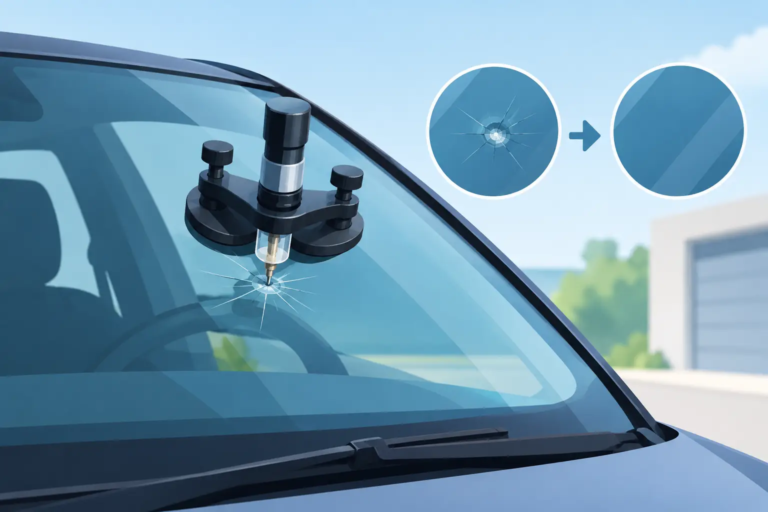
If the scratches are repairable, the technician uses glass-specific materials and equipment to level or refine the damaged surface while minimizing distortion. The work has to stay even across the treated area. This is especially important on windshields because even slight visual warping can be a problem from the driver’s seat.
The benefit of professional service is not just better tools. It is judgment. Knowing when a scratch can be improved safely and when to stop is what protects the glass and your visibility. That is a big reason customers call specialists like SuperGlass Denton instead of gambling on trial-and-error products.
Prevention matters more than most drivers realize
Once scratches are removed or reduced, keeping them from coming back is straightforward. Replace wiper blades regularly, especially after hot summers. Clean the blade edges when you wash the vehicle. Keep the windshield free of gritty buildup. And never run dry wipers across a dusty windshield just to clear it quickly.
If your vehicle sits outside, check the glass before using the wipers in the morning. Pollen, dust, and fine debris can build up fast. A quick rinse with washer fluid or water is much safer than dragging that material across the windshield.
Fleet vehicles need even more attention because they rack up miles fast and often operate in mixed conditions. Regular blade inspection and glass cleaning cost far less than dealing with reduced visibility, driver complaints, or avoidable restoration work later.
Is repair worth it, or should you replace the windshield?
It depends on the severity and location of the scratches. Light to moderate wiper scratches can often be improved enough to restore clear driving visibility without replacing the glass. That is usually the most cost-effective route, especially if the rest of the windshield is in good shape.
But if the damage is deep, widespread, or directly in the most critical viewing area, replacement may be the better call. Saving the existing glass is ideal when it can be done well. Forcing a repair when the result will still distract the driver is not.
That is the advantage of working with a company focused on repair first. You get an honest assessment based on whether the damage can actually be corrected, not a one-size-fits-all sales pitch.
How to remove wiper scratches without making them worse
The short answer is simple. Start with a proper inspection, confirm whether the marks are surface-level, and use only glass-safe methods. If the scratches are shallow, careful polishing may help. If they are deeper or in your direct line of sight, professional restoration is the smarter move.
A scratched windshield is not just a cosmetic annoyance. It changes how light hits the glass, and that can make driving more tiring and less safe. If the marks have gotten to the point where you notice them every day, they are worth addressing now, before sun glare and rain turn a minor issue into a real visibility problem.
The best repair is the one that gives you a clear windshield and confidence behind the wheel again.