A small chip has a bad habit of turning into a big problem at the worst possible time – on the highway, in the summer heat, or right before inspection. If you want to prevent windshield chips from worsening, the key is speed, not guesswork. The sooner you treat a chip like a repair issue instead of a cosmetic annoyance, the better your odds of saving the glass.
In North Texas, that matters. Between gravel roads, highway debris, sudden temperature swings, and daily commuting around Denton, Plano, Frisco, McKinney, Lewisville, and Carrollton, windshields take a beating. A chip that looks minor on Monday can become a spreading crack by Friday.
Why windshield chips spread so easily
Windshield glass is built in layers, but that does not make it immune to damage. When a rock strikes the outer layer, it creates a weak point. From there, vibration, pressure changes, moisture, and temperature shifts can all make that weak spot expand.
That is why waiting rarely helps. Every pothole, door slam, and blast of hot or cold air puts a little more stress on the damaged area. Sometimes the chip stays the same for a while, which gives drivers a false sense of security. Then one day it runs across the glass.
The size, location, and depth of the chip all matter. A tiny surface nick may stay stable longer than a deep star break. A chip near the edge of the windshield is usually more likely to spread because the outer perimeter of the glass carries more structural stress.
How to prevent windshield chips from worsening right away
The first step is simple – keep the damaged area clean and protected. If dirt, moisture, or washer fluid gets into the chip, it can make a quality repair harder later. Clear tape placed gently over the chip can help as a short-term measure until a professional can inspect it. Do not press hard on the glass, and do not use duct tape or anything with aggressive adhesive.
After that, avoid sudden temperature changes. If your windshield is chipped, do not blast the defroster on high when the glass is cold, and do not pour hot water on it under any circumstances. In summer, parking in the shade helps reduce heat buildup. In winter, let the cabin warm gradually.
Driving style also plays a role. You cannot avoid every bump in the road, but you can slow down over rough pavement, avoid tailgating gravel trucks, and give construction vehicles extra space. Less vibration and fewer impacts give the chip a better chance of staying repairable.
What not to do with a chipped windshield
This is where a lot of drivers accidentally make things worse. Store-bought repair kits can seem like a quick fix, but results vary widely. If the chip is contaminated, deeper than it looks, or already beginning to spread, a DIY attempt may not solve the problem. In some cases, it can make professional repair less effective.
You also do not want to scrape directly over the chip, jab at it, or keep testing it with your finger. That sounds obvious, but people do it all the time. Any added pressure on a weakened point can increase the damage.
Ignoring the chip because it is “not in your line of sight” is another mistake. The danger is not just visibility. The windshield contributes to the structural integrity of the vehicle. A damaged windshield is never better tomorrow than it is today.
When a chip can still be repaired
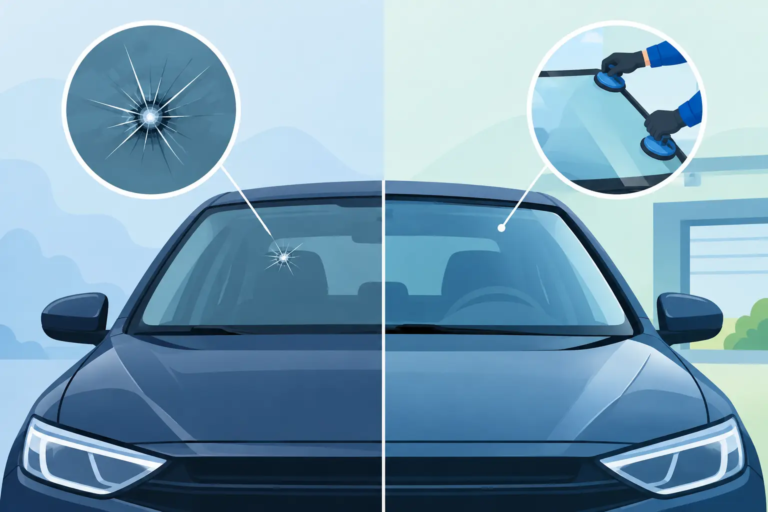
Most drivers want the same answer – can this be fixed, or do I need a full replacement? The honest answer is, it depends on the damage. Many chips can be repaired if they are addressed early enough, especially before they spread into long cracks.
Repair is often possible when the chip is relatively small, not heavily contaminated, and not severe enough to compromise the inner layer. But location matters. Damage directly in the driver’s primary viewing area may call for a different recommendation than damage off to the side. Edge cracks and long spreading cracks are also less likely to be good repair candidates.
That is where a specialist matters. A general glass shop may lean toward replacement faster because that is their default solution. A repair-focused specialist looks first at whether the windshield can be saved. That can mean less downtime, lower cost, and no unnecessary replacement if the glass is still a good candidate for repair.
How weather in North Texas makes chips worse
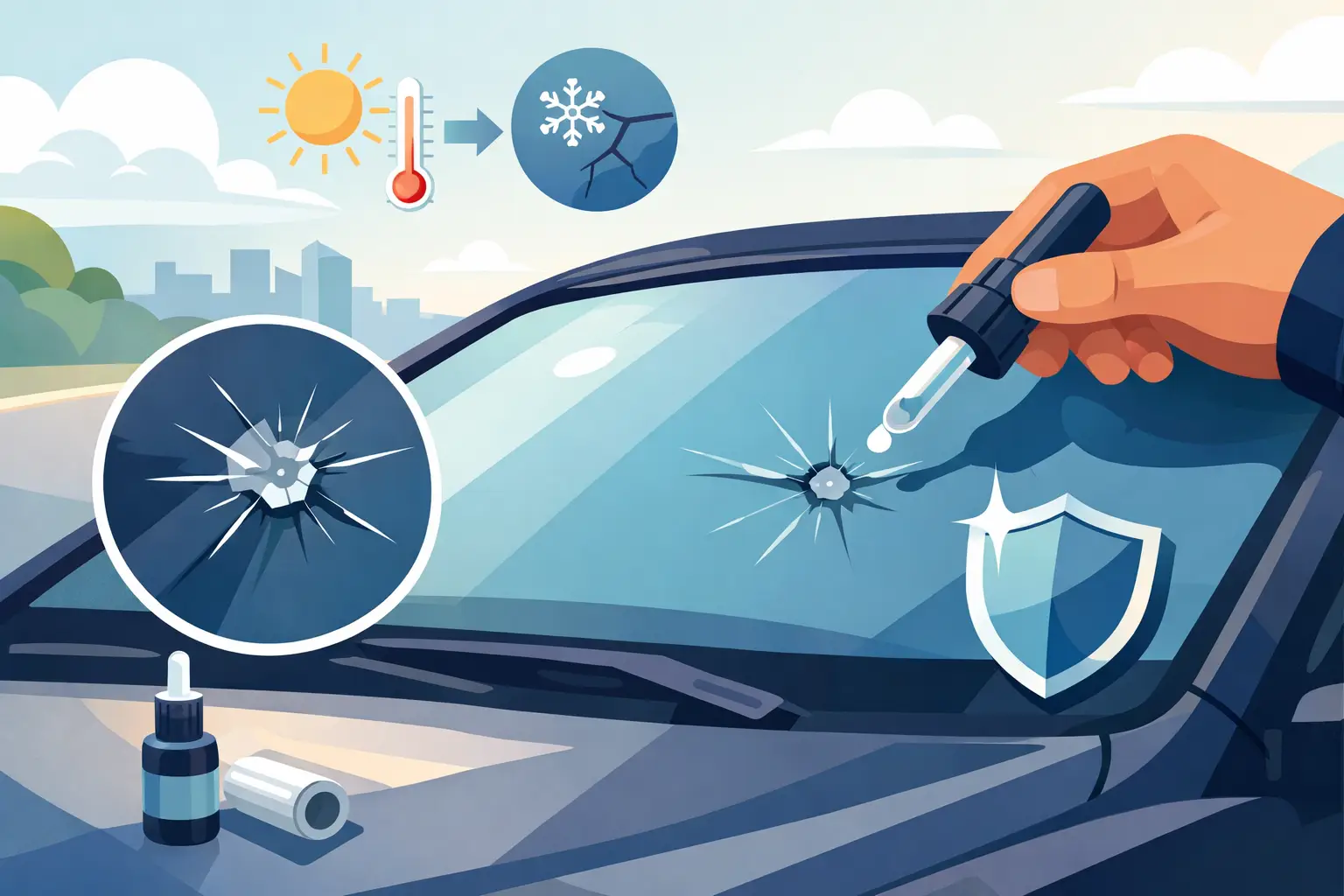
Local conditions are hard on auto glass. Summer heat can push windshield temperatures high enough to expand weak points in the glass. Then the A/C hits the inside, and that temperature contrast adds stress. In colder weather, the reverse happens with heaters and defrosters.
Storm season does not help either. Moisture can work its way into damaged glass, and roads often kick up more debris after bad weather. If you drive a lot for work, shuttle kids across town, or manage a fleet that stays on the road all day, those conditions add up fast.
For commercial vehicles, the risk is even more practical. A chip that turns into a crack can take a truck, bus, or rental unit out of service at exactly the wrong moment. Repairing damage early is usually the smarter operational move than waiting for replacement to become unavoidable.
Prevent windshield chips from worsening with fast professional repair
The best way to prevent windshield chips from worsening is to have them inspected quickly by someone who repairs glass every day. Timing matters because a fresh chip is usually easier to restore than one that has collected dust, water, and road grime for two weeks.
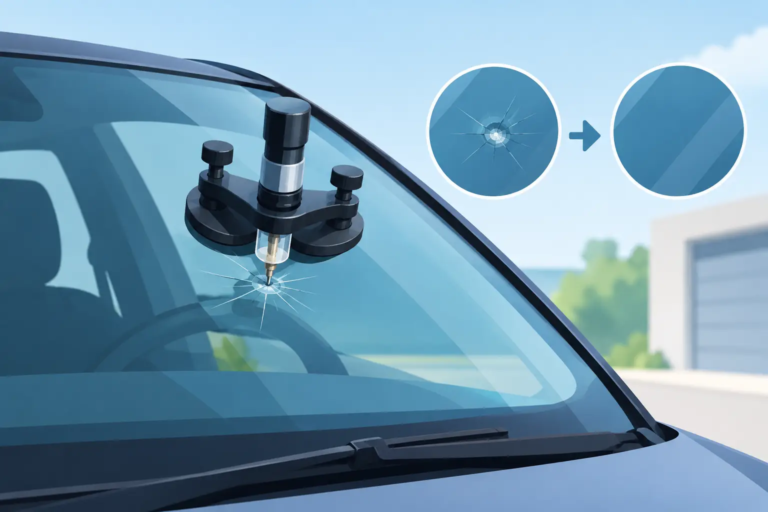
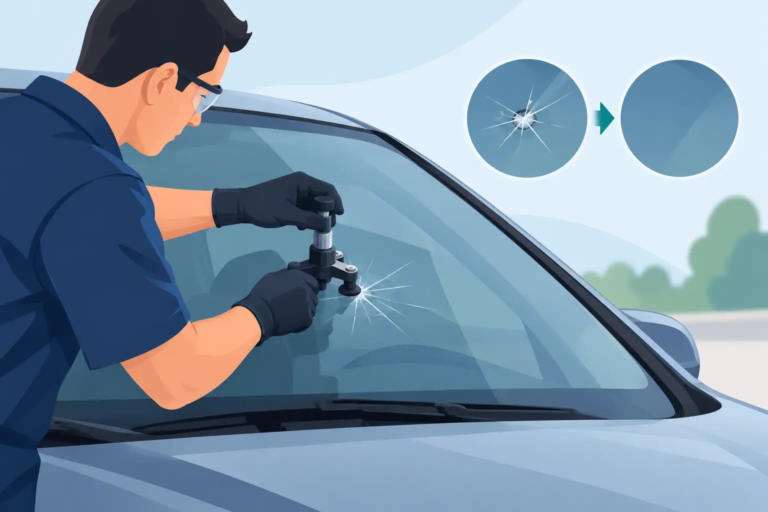
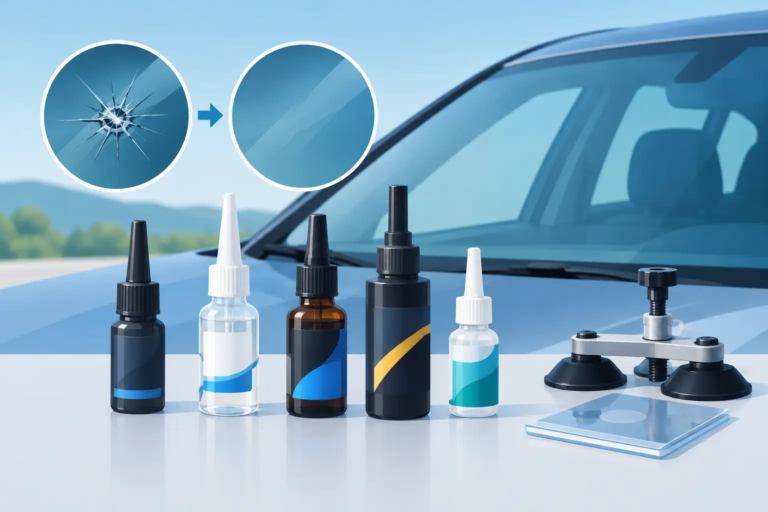
Professional repair works by cleaning the damaged area and injecting a specialized resin to stabilize the break and restore strength. A quality repair will not make every chip disappear completely, because some visible trace can remain depending on the impact. But the real goal is to stop the damage from spreading and preserve the windshield.
That practical approach is what many drivers want. They are not looking for a sales pitch. They want an expert to tell them clearly whether the glass can be saved and to handle it quickly. That is especially true for busy commuters and fleet managers who do not have time for unnecessary shop visits or avoidable replacement costs.
Signs you should stop waiting
Some chips need attention now, not next week. If you notice tiny lines starting to branch out from the impact point, the damage is already moving. If the chip is near the edge, if temperatures are swinging sharply, or if the windshield has taken another hit, your repair window may be closing.
You should also act fast if the chip is affecting visibility or catching sunlight in a distracting way. Even if the damage looks small, glare can make it more annoying and more dangerous than expected during morning and late-day driving.
For drivers in Denton and the surrounding North Texas area, mobile service makes this easier than many people realize. If a specialist can come to your home, office, or fleet yard, there is less reason to put it off. SuperGlass Denton built its service around that convenience because early repair saves windshields.
A smart response saves money and glass
The cheapest windshield problem is usually the one you handle early. Once a chip becomes a crack, the math changes. Replacement costs more, takes longer, and creates more disruption than a timely repair.
There is also a quality argument for saving the original windshield when possible. Factory-installed glass fit and finish matter. If repair can safely preserve that windshield, many vehicle owners prefer that route over replacing it too soon.
A small chip does not always stay small, and there is no prize for waiting to find out. Cover it, avoid extra stress on the glass, and get a professional opinion while repair is still on the table. A fast decision today can save you from a much bigger problem on the road tomorrow.