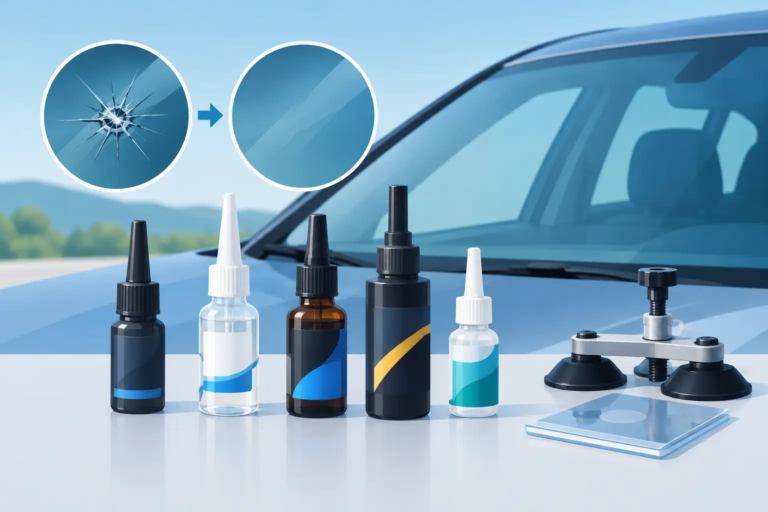

A small windshield chip can turn into a replacement-sized problem on a North Texas commute. Heat, highway vibration, a pothole, or a sudden cold front can push a minor blemish into a spreading crack. A repair first auto glass strategy addresses the damage while it is still repairable, helping drivers avoid unnecessary replacement costs, time without their vehicle, and the hassle of a shop visit.
For most drivers, the question is simple: Can this be fixed, or do I need a new windshield? The right answer should come from an experienced repair specialist, not a business that treats replacement as the only option. Repair is not always possible, but when it is, it is often the faster and more practical choice.
What a Repair First Auto Glass Strategy Means
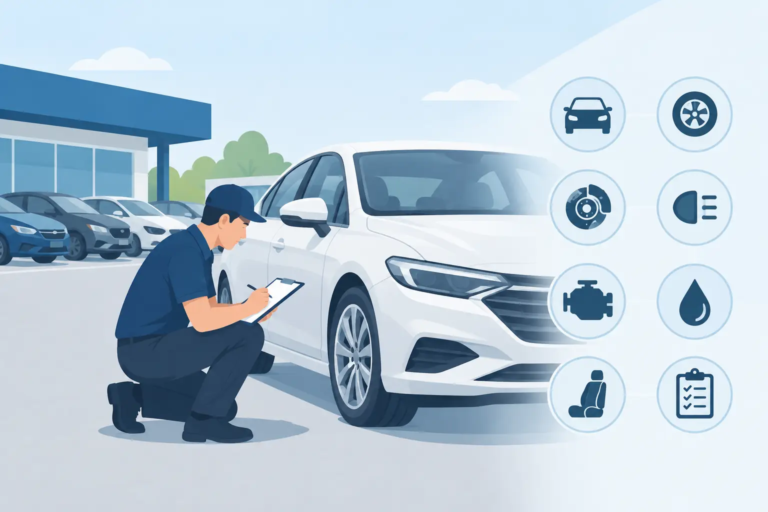
Repair first means inspecting the damage before recommending replacement. A qualified technician looks at the chip or crack itself, its location, how long it has been there, whether dirt or moisture has entered it, and whether the glass can be restored safely and effectively.
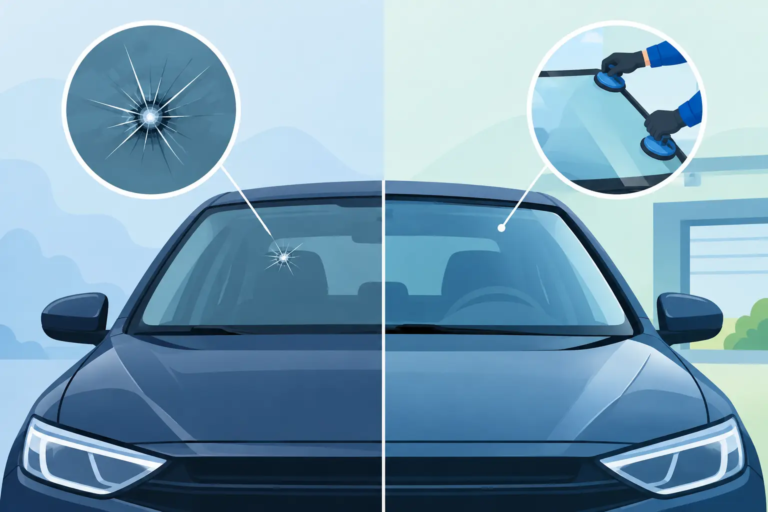
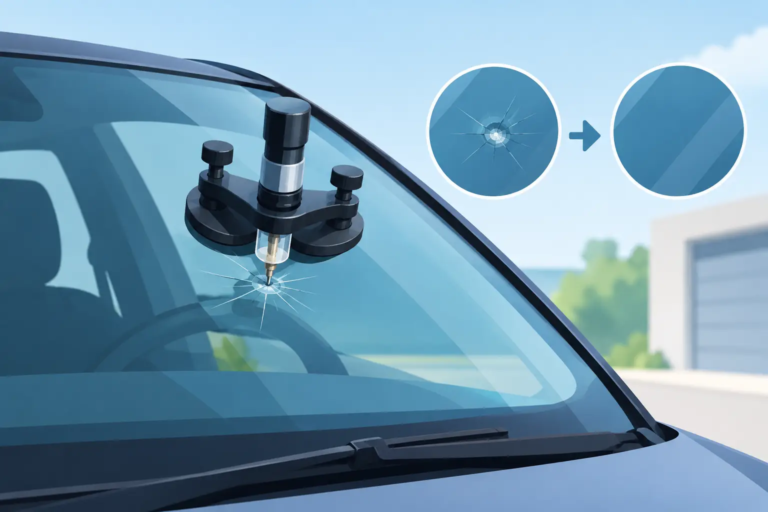
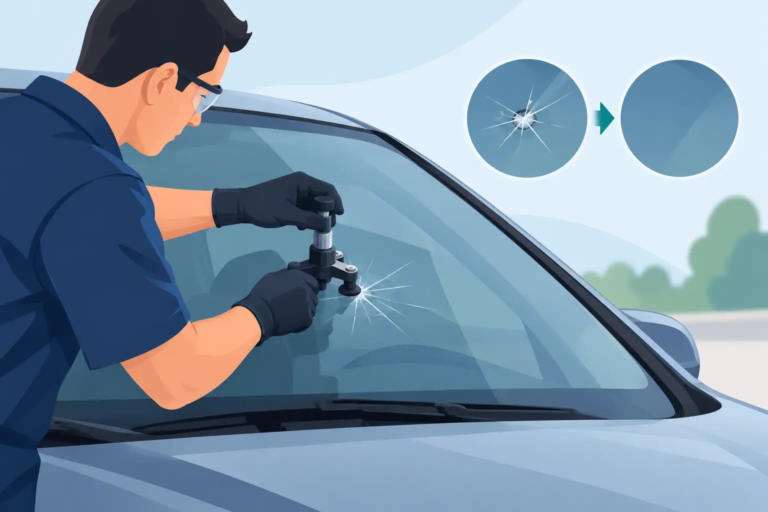
The goal is to preserve the original windshield whenever possible. Factory-installed glass is designed for the vehicle, and keeping it in place avoids the cost and disruption of removing and replacing a component that may still have years of service left. A professional repair fills and bonds damaged areas to help stop the crack from spreading, strengthen the glass, and make the blemish far less noticeable.
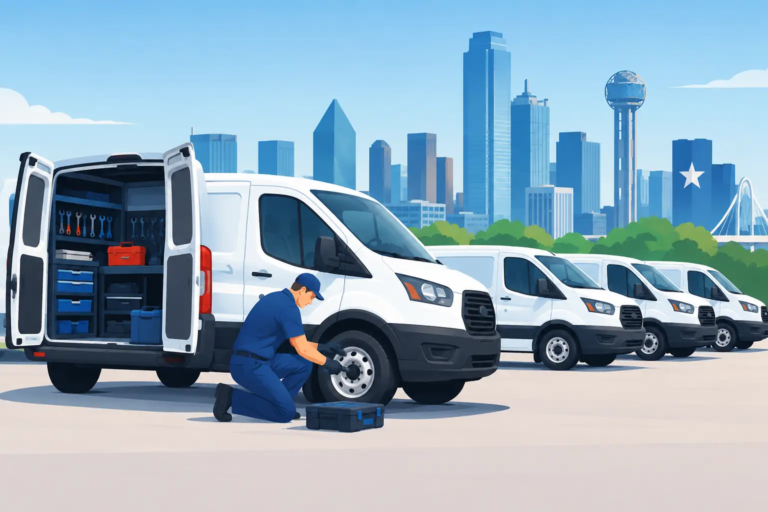
This approach is especially valuable when damage happens unexpectedly. A rock chip on the way to work does not need to become a half-day appointment, a large bill, or a reason to rearrange your schedule. Mobile repair brings the specialist to your home, office, or fleet location so the vehicle can be handled where it is parked.
Why Repair Often Beats Replacement
Replacement has a place. A windshield with severe damage, major structural concerns, or a crack that cannot be reliably stabilized should be replaced. But replacing glass that can be repaired creates avoidable expense and downtime.
Repair is usually completed much faster than replacement and typically costs less. It also helps preserve the original factory seal around the windshield. That matters because windshield removal and installation require careful workmanship. If replacement is necessary, it should be done correctly. If it is not necessary, there is no reason to take on that work prematurely.
There is also a practical visibility benefit. A fresh chip can collect dust, water, washer fluid, and road grime. Once contamination gets into the break, even a successful repair may leave more visible evidence behind. Acting quickly gives the technician the best opportunity to create a clean, strong repair.
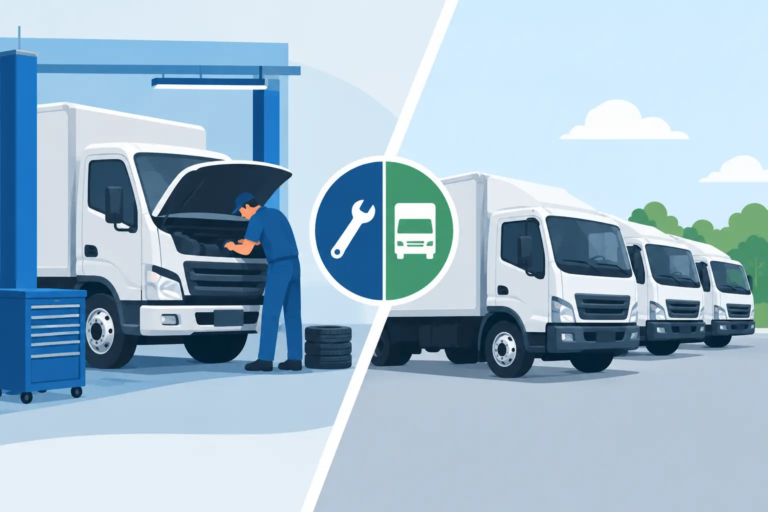
For fleet managers, the savings can multiply quickly. A truck, school bus, or rental vehicle sitting out of service affects schedules, customer commitments, and revenue. Repairing eligible damage on-site can keep more vehicles available without sending each one to a glass shop.
When Windshield Repair Is a Smart Choice
No two chips or cracks are exactly alike. The size, shape, position, and condition of the damage all matter. Still, repair is often worth considering when the damage is recent, limited, and away from the outer edge of the windshield.
A chip that looks small from outside can have several legs extending beneath the surface. That does not automatically mean replacement is required. It does mean the damage should be assessed before those legs grow. The same is true for short cracks. Some can be stabilized successfully, while others may have progressed too far or sit in an area where repair is not the best recommendation.
Location matters as much as size. Damage directly in the driver’s primary viewing area may require a more cautious decision because a repair improves appearance but may not make the mark disappear completely. Damage near the windshield edge can also be more serious because the edge carries stress and cracks there can spread quickly.
Modern vehicles add another consideration. Cameras and sensors near the windshield support driver-assistance features on many cars and trucks. When replacement is needed, those systems may require calibration afterward. Repair can sometimes avoid that extra process, but the vehicle and damage still need to be evaluated case by case.
Do Not Wait for a Chip to Spread
The best time to repair a windshield is usually soon after the damage occurs. Delaying gives normal driving conditions time to make the problem worse. North Texas roads offer plenty of vibration, and temperature swings can place added stress on already damaged glass.
If you notice a chip, avoid slamming doors and blasting the defroster or air conditioning directly against the glass. Keep the damaged area as clean and dry as possible until it can be inspected. Do not try to press on the chip, pick at loose glass, or use a do-it-yourself kit as a substitute for an expert assessment if the damage is questionable.
A repair may not erase every visible trace of the original break. Honest specialists set that expectation upfront. The priority is stopping the spread, improving the appearance, and restoring strength where repair is appropriate. If the damage is beyond a dependable repair, you deserve a clear recommendation for replacement instead of a guess.
A Better Approach for Busy Drivers and Fleets
A repair-first decision is about more than saving money. It is about making a smart call before a minor issue creates more disruption. For a parent with a packed morning schedule, a commuter with limited time, or a fleet manager responsible for dozens of vehicles, mobile service changes the equation.
Instead of driving across town and waiting in a lobby, you can have an experienced technician inspect the glass at your driveway, workplace, or vehicle yard. That convenience does not mean cutting corners. The repair still depends on proper preparation, the right materials, and a technician who knows the difference between damage that can be saved and damage that needs replacement.
SuperGlass Denton focuses on specialist repair because too many drivers are told replacement is their only option before anyone takes a close look. Qualifying repairs are backed by a lifetime repair guarantee or money back, giving customers a straightforward reason to choose repair with confidence.
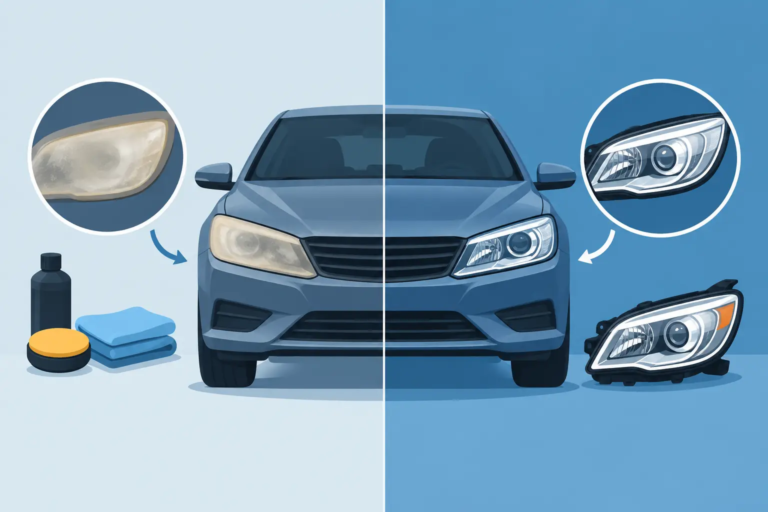
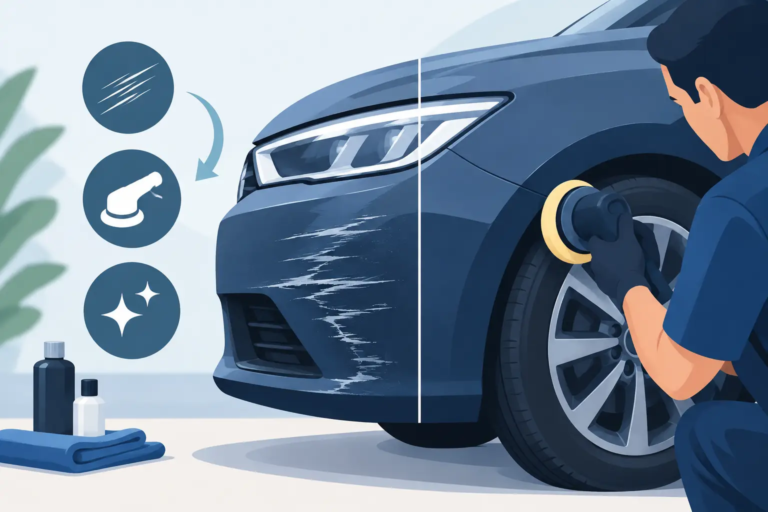
The same practical mindset applies beyond windshields. Headlight haze and surface scratches can make a vehicle look older and reduce visibility or resale appeal. In many cases, restoration is a better value than replacing parts that are still serviceable. The right repair can improve the vehicle without creating a larger bill than the problem calls for.
Know When Replacement Is the Right Call
Repair first does not mean repair at all costs. A trustworthy specialist should recommend replacement when the glass cannot be repaired safely or when the result would not meet a reasonable standard. Extensive cracks, deep damage, compromised edges, damage affecting multiple layers, and certain locations in the driver’s view can all change the recommendation.
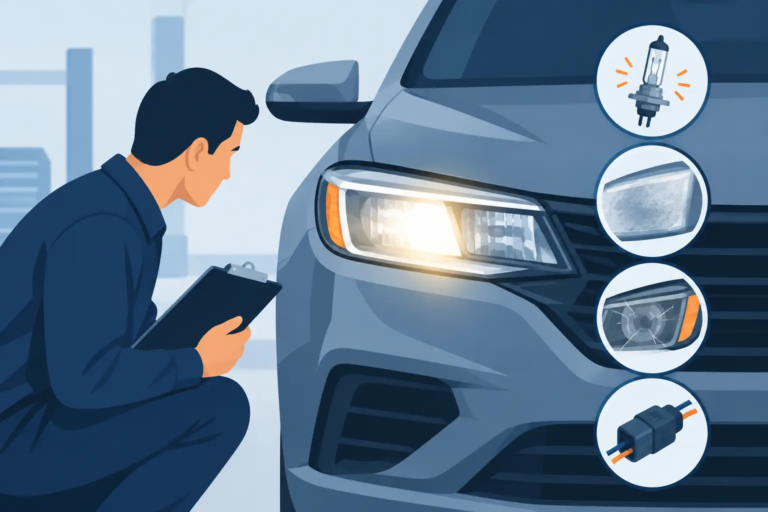
That is why a photo alone may not tell the whole story. It can help start the conversation, but an in-person inspection gives the clearest answer. The technician can see the depth of the break, check for moisture and contamination, and explain the trade-offs in plain language.
The useful next step is simple: treat new windshield damage as time-sensitive, not automatically replacement-worthy. Get it inspected promptly, ask whether repair is realistic, and choose the option that protects your safety, schedule, and budget. A small chip is easiest to handle before the next stretch of highway turns it into something bigger.