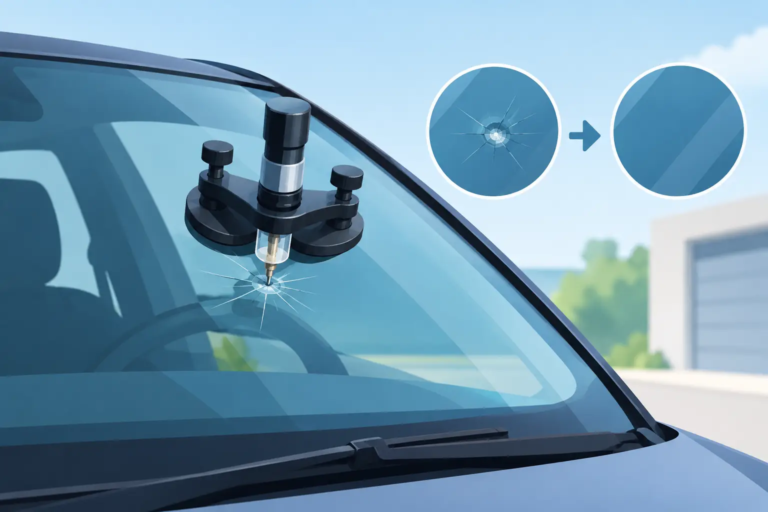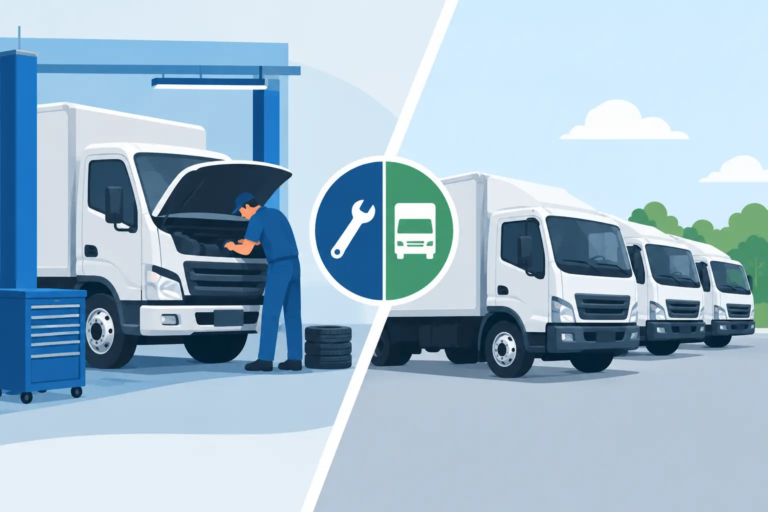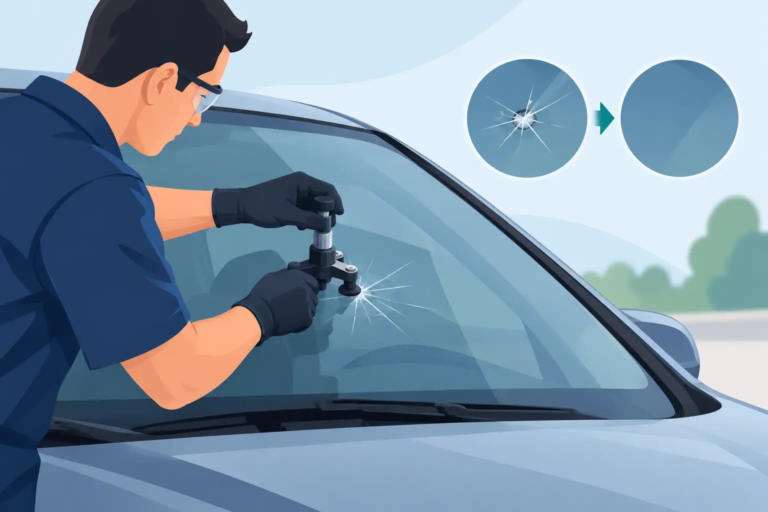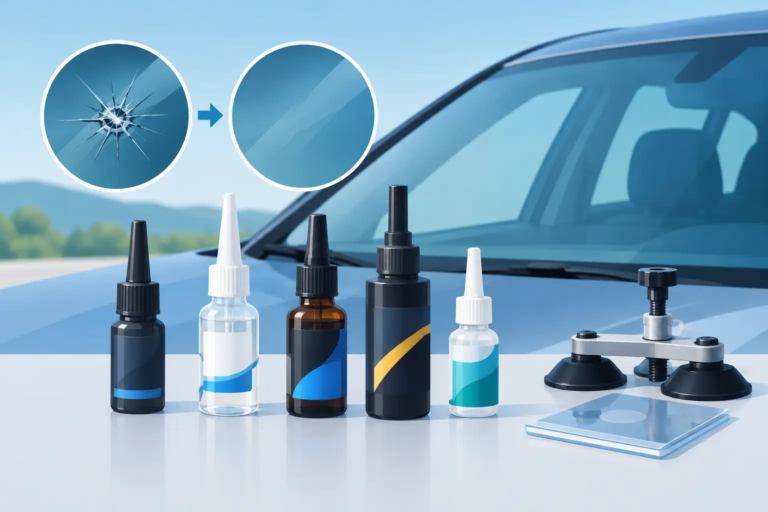

A chipped windshield in one company vehicle is easy to ignore. Ten chipped windshields across a fleet turn into downtime, driver complaints, safety concerns, and money leaking out of your maintenance budget. That is why windshield repair for fleet vehicles should be handled early and by a specialist who knows how to keep units on the road instead of parked in a shop lot.
For fleet managers in Denton and across North Texas, the real issue is not just the glass damage itself. It is the ripple effect. A small chip can spread during a cold morning, a hot afternoon, or one more rough stretch of highway. Once that happens, what could have been a fast repair may become a full replacement, and replacement usually means more cost, more scheduling problems, and more lost use.
Why windshield repair for fleet vehicles matters
Fleet vehicles are working assets. Whether you manage service vans, rental cars, school buses, delivery trucks, or sales vehicles, every hour a vehicle is down affects operations. A cracked windshield can take a driver off the schedule, delay routes, or create a poor impression with customers.
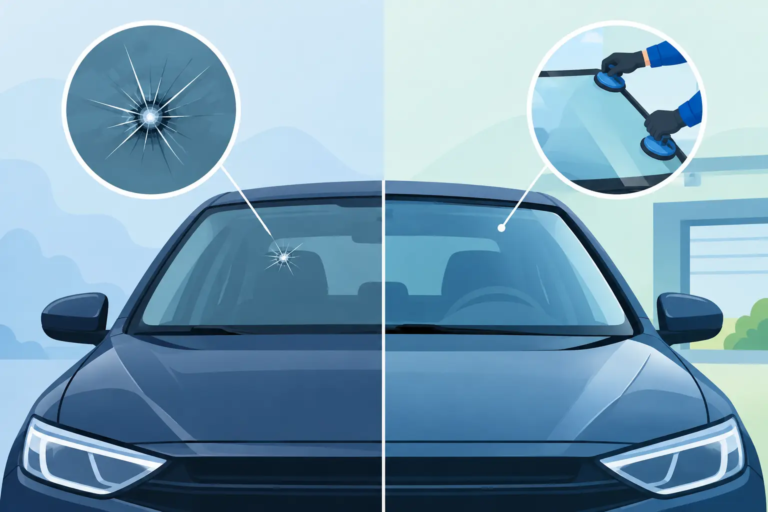
Repair is often the smarter first move because it preserves the original windshield, limits downtime, and costs far less than replacement. That matters even more when you multiply the expense across a fleet. Saving one windshield is good. Saving several over a quarter or a year can make a visible difference in your operating costs.
There is also the safety side. Drivers notice chips and cracks. Sun glare catches them. Rain makes them harder to see through. Left alone, damage in the wrong location can become a distraction. Good fleet maintenance is not only about keeping vehicles running. It is also about making sure drivers can do their job without avoidable visibility issues.
The real cost of waiting too long
A lot of fleet glass damage starts small. Gravel on a highway, debris from a jobsite, a truck tire kicking up a rock – that is usually all it takes. The problem is that fleet vehicles do not sit still. They rack up miles, deal with weather swings, and spend long hours on busy roads. That constant use puts stress on damaged glass.
When a chip spreads into a larger crack, your options narrow. Some windshields can no longer be repaired once damage reaches a certain size, depth, or location. At that point, what should have been a quick service call becomes a replacement appointment, and now you are dealing with parts, calibration concerns on some vehicles, and more downtime.
Waiting also makes fleet planning harder. One delayed repair can turn into three or four vehicles needing urgent attention at the same time. That is when scheduling becomes a headache and your budget takes a bigger hit than it should have.
What fleet managers should look for in a repair partner
Not every glass company is built for fleet work. If you manage multiple vehicles, you need more than somebody who can fix one chip on a random Tuesday. You need consistency, responsiveness, and a company that understands your vehicles are part of your daily operation.
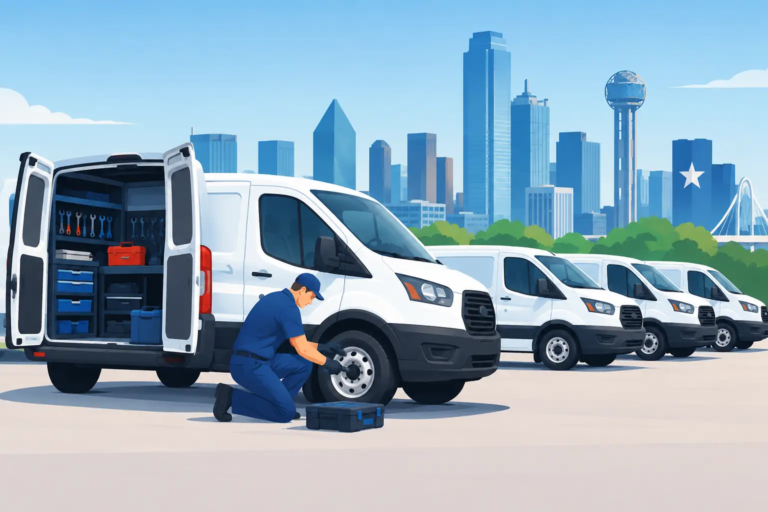
Mobile service is a major advantage. Having repairs completed at your lot, office, school, or jobsite saves time and keeps your team from shuffling vehicles around town. It also makes it easier to catch problems early because units can be serviced where they already are.
Specialization matters too. Some shops lean toward replacement because that is their main business model. A repair specialist looks first at whether the windshield can be saved. That difference matters for fleets because the goal is usually to restore the glass when possible, reduce expense, and keep the original windshield in service.
You should also look for a clear guarantee. Fleet operators do not need guesswork. They need confidence that the repair will hold and that the provider stands behind the work.
When repair makes sense and when it does not
This is where experience matters. Not every windshield can or should be repaired. A trustworthy provider will tell you that.
In many cases, chips, star breaks, and short cracks can be repaired if they are treated early and are not in a location that compromises safety. Repair is often a strong option when the damage is limited and the windshield structure remains sound.
There are also cases where replacement is the right call. If damage is severe, sits directly in the driver’s critical line of sight, or has spread too far, repair may not be the best solution. The right provider will not force a repair where it does not belong. The point is not to repair everything. The point is to repair what should be repaired and avoid replacement when it is unnecessary.
That balance is important for fleets. You want to save money, but not by cutting corners. You want a specialist who can make the call quickly and honestly.
How mobile windshield repair supports fleet operations
The value of mobile service goes beyond convenience. It supports how fleets actually run.
A repair completed at your location can often fit around driver schedules, dispatch windows, or off-hours availability. That means less disruption to routes and less time spent moving vehicles to and from a glass shop. For school buses, service vehicles, and rental fleets, that flexibility can make a real difference.
Mobile service also helps with volume. If several vehicles need attention, it is often easier to coordinate a block of on-site repairs than to send units out one by one. That creates a more efficient process for your staff and keeps maintenance from turning into an all-day project.
For local businesses in Denton, Plano, Frisco, McKinney, Lewisville, and Carrollton, that kind of on-site support is often the difference between handling glass damage proactively and letting it pile up.
Building a smarter fleet glass policy
The best fleet managers do not wait for windshield damage to become urgent. They build simple habits that catch problems early.
Drivers should know to report chips as soon as they see them. A small defect after a morning route may still be repairable that afternoon. Ignore it for a week, and the answer may change. A quick reporting process helps your team act while repair is still on the table.
Regular walkarounds help too. Glass damage is easy to miss when everyone is focused on tires, fluids, and body damage. Adding windshield checks to routine inspections can prevent surprises.
It also helps to have one reliable local provider instead of scrambling every time a vehicle gets hit. When your team already knows who to call, repairs happen faster and with less administrative drag. That kind of consistency is especially useful for fleets with mixed vehicle types, from passenger vehicles to trucks and buses.
Why local expertise matters for North Texas fleets
Fleet service works better when your provider knows the area, the roads, and the pace of local business. North Texas driving conditions are not gentle on windshields. Highway debris, construction traffic, fast temperature swings, and heavy daily mileage all add up.
A local specialist can usually respond faster, schedule more efficiently, and understand the urgency behind a fleet request. That is not just a customer service issue. It affects whether your vehicles stay available for work.
For businesses that want repair first, mobile convenience, and a provider that treats fleet work like an operational priority, a specialist like SuperGlass Denton is built for that job. The advantage is not just fixing glass. It is helping you avoid unnecessary replacement and keeping more vehicles in service with less disruption.
The bottom line for fleet decision-makers
Windshield damage is one of those problems that looks minor right up until it is not. For fleet operators, the smarter move is usually early action. Fast evaluation, honest repair recommendations, and on-site service can save you money and protect your schedule at the same time.
If you manage a fleet, think of windshield repair as part of uptime strategy, not just cosmetic maintenance. The sooner small damage is handled, the better your chances of avoiding bigger costs later. A good repair partner helps you stay ahead of the issue, keep drivers safer, and get more life out of the glass you already have.
That is usually the difference between reacting to broken windshields and actually managing them well.