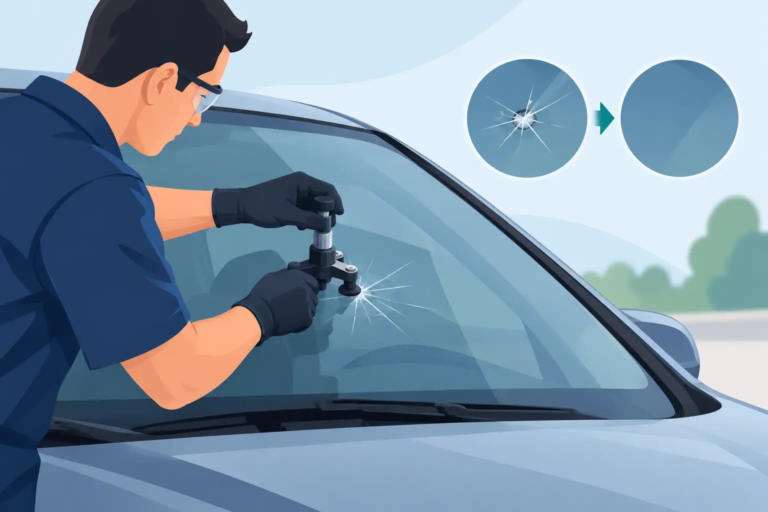

A stone chip on I-35 can turn into a long crack before the next North Texas temperature swing. That is why windshield repair versus insurance claim is not always a simple choice between paying yourself or calling your carrier. The first question is whether the damage can still be repaired. If it can, acting quickly may save your original windshield, avoid a replacement, and keep the cost lower than you expect.
For Denton-area drivers, the right move depends on the size and location of the damage, your deductible, your coverage, and how quickly you can get a qualified repair specialist to look at it. A good repair decision starts with the glass, not the insurance paperwork.
Start With Whether the Windshield Can Be Repaired
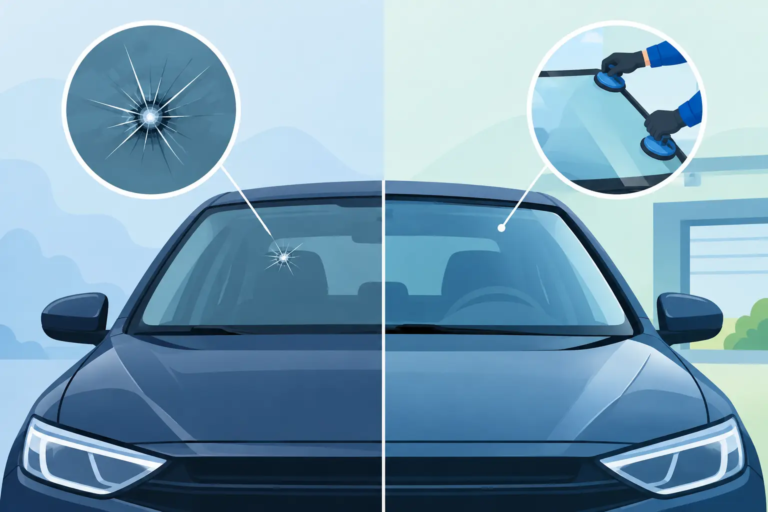
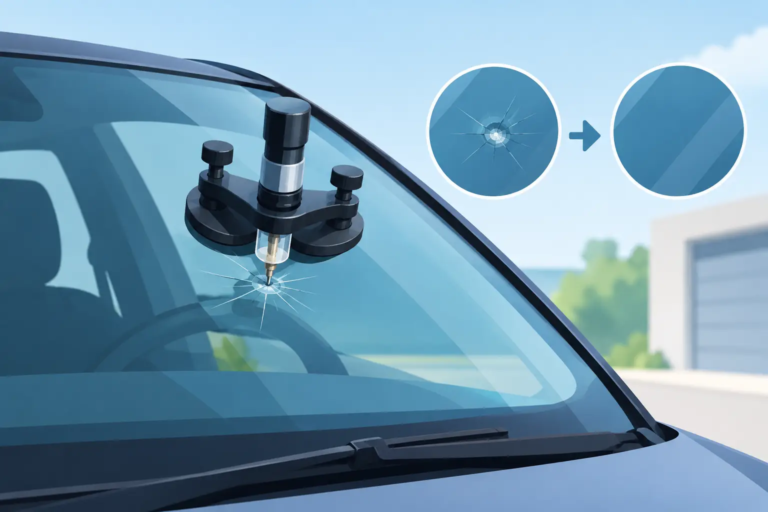
A windshield is more than a pane of glass. It supports the vehicle structure and helps safety systems work as intended. When a chip or crack is small and away from the driver’s primary viewing area, professional resin repair is often the best option. The goal is to stop the damage from spreading, restore strength to the damaged area, and make the blemish far less noticeable.
Repair is usually the smarter first choice when the damage is recent, limited in size, and not reaching the edge of the windshield. A specialist should inspect it before making promises. Some cracks are too long, some impacts have too much crushed glass, and some locations create safety concerns that make replacement necessary.
Time matters. Heat, cold, road vibration, moisture, and a pothole can push a repairable chip into replacement territory. Texas weather is especially hard on damaged glass. Parking in direct sun, running the defroster on a cold morning, or taking a rough stretch of road can make a small problem spread quickly.
Windshield Repair Versus Insurance Claim: Know the Real Cost
Drivers often assume insurance is automatically the least expensive path. Sometimes it is. Sometimes it adds steps without reducing what you pay.
If you have comprehensive coverage, windshield damage may be covered after you pay your deductible. Some policies offer separate glass coverage or deductible-free windshield repair. Others cover replacement differently from repair. The details vary by insurer, policy, vehicle, and the cause of the damage.
Here is the practical calculation: compare the repair price with your comprehensive deductible. If a professional repair costs less than the deductible, paying out of pocket is commonly the cleanest choice. You can schedule service, protect the windshield quickly, and avoid opening a claim for a modest repair expense.
If your policy covers repair with no deductible, filing a claim can make good financial sense. The same may be true when replacement is required and the cost is well above your deductible. Do not guess, though. Call your insurer or check your policy wording and ask specifically whether chip repair, crack repair, calibration, and replacement are covered under your plan.
A claim is not necessarily a bad decision. It is simply not always necessary. The best choice is the one that gets your glass properly repaired or replaced without creating avoidable cost or delay.
The deductible is not the only factor
The dollar amount matters, but convenience matters too. A claim may require an authorization number, a network provider process, photos, or an adjuster review. For a busy parent, commuter, or fleet manager, those steps can be worth it when coverage is strong. For a small repair below the deductible, they may only slow down the solution.
Also ask whether the insurer has preferences about providers. You have a right to seek quality service, and you should choose a technician who evaluates repair honestly rather than treating every damaged windshield as a replacement job.
When Paying Out of Pocket Makes Sense
Paying directly is often a strong option when the chip is repairable and your deductible is higher than the repair price. It can also be the right call if you want the damage handled immediately at your home, office, or fleet yard without waiting on the claim process.
This route is especially practical for drivers who want to preserve their original factory-installed windshield. Original glass may fit precisely and may already be properly paired with vehicle cameras or driver-assistance systems. Replacement can be necessary, but it should not be the default when a quality repair can safely preserve the existing windshield.
Out-of-pocket repair also gives you a clear, predictable transaction. You know the cost before work begins, and you can focus on stopping the crack before it grows. For many small chips, that is a better use of time than treating a straightforward repair like a major insurance event.
When Filing an Insurance Claim Is the Better Move
File the claim when your coverage clearly provides a better financial outcome or when the windshield cannot be safely repaired. Long cracks, damage near the windshield edge, multiple impact points, and damage in a critical viewing area may require replacement. Modern vehicles can add another layer because windshield-mounted cameras and sensors may need professional recalibration after replacement.
A claim can also make sense for commercial vehicles. One damaged windshield on a work truck, school bus, or rental vehicle is an expense. Several damaged windshields can become a scheduling and budget problem. Fleet managers should review their glass coverage before damage occurs, then build a simple process for reporting chips early. Early reporting gives the fleet the best chance to repair rather than replace.
When you speak with your insurer, ask direct questions: What is my glass deductible? Is repair covered differently from replacement? Will I pay for recalibration if replacement is needed? Is there a limit on mobile service? Getting clear answers upfront prevents surprises after the work is complete.
Do Not Let Insurance Delay a Repairable Chip
The most expensive windshield damage is often the damage that sat too long. A chip that could have been repaired on Monday can become a spreading crack by Friday. That can turn a relatively affordable repair into a replacement, a deductible, possible recalibration, and time without the vehicle.
If you are deciding whether to file, protect the damage while you decide. Keep the area dry and clean, avoid slamming doors, and do not blast the defroster directly at the windshield. A temporary clear chip patch can help keep dirt and moisture out, but it is not a substitute for professional repair.
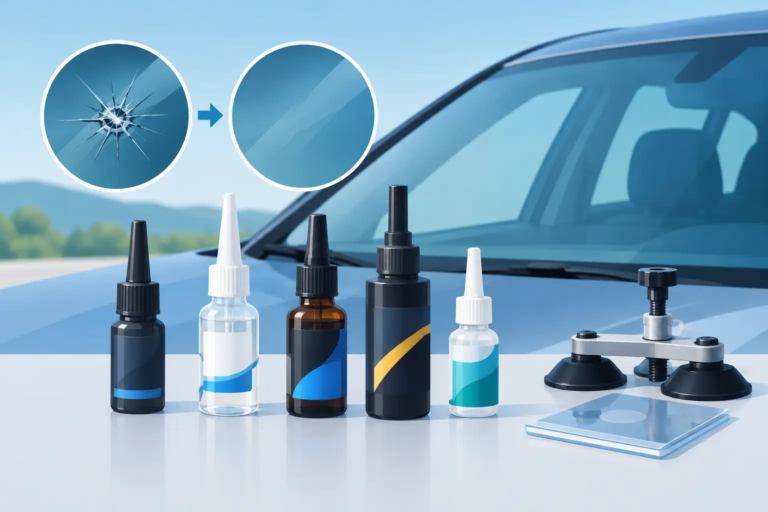
Do not try a hardware-store kit on damage you may want professionally repaired later. Those kits can sometimes help in a limited situation, but poor results or trapped contamination can make a specialist’s job harder. When the glass matters, get an expert opinion first.
Choose a Repair Specialist, Not a Replacement Default
The best provider is not the one who rushes you into the biggest job. It is the one that inspects the damage, explains whether repair is safe, and gives you a clear recommendation based on your windshield and coverage situation.
At SuperGlass Denton, the focus is on saving repairable windshields whenever possible. Mobile service means a trained specialist can come to your home, workplace, or business location across Denton and nearby North Texas communities. That helps drivers handle a chip before it spreads and helps fleets reduce vehicle downtime.
Ask about the repair guarantee as well. A company that stands behind its work should be clear about what happens if a repaired break later fails. That accountability matters when you are choosing between a quick patch and a professional repair designed to last.
A Better Way to Make the Decision
Treat the insurance question as a cost-and-coverage check, not as the first emergency. First, have the windshield evaluated. Second, find out whether repair is possible and what it will cost. Third, compare that number to your deductible and confirm your glass coverage. Then choose the path that protects your vehicle with the least unnecessary expense and disruption.
A small chip does not need to become a replacement appointment. Get it looked at while it is still repairable, get straight answers about the work, and let the condition of the glass guide the decision.