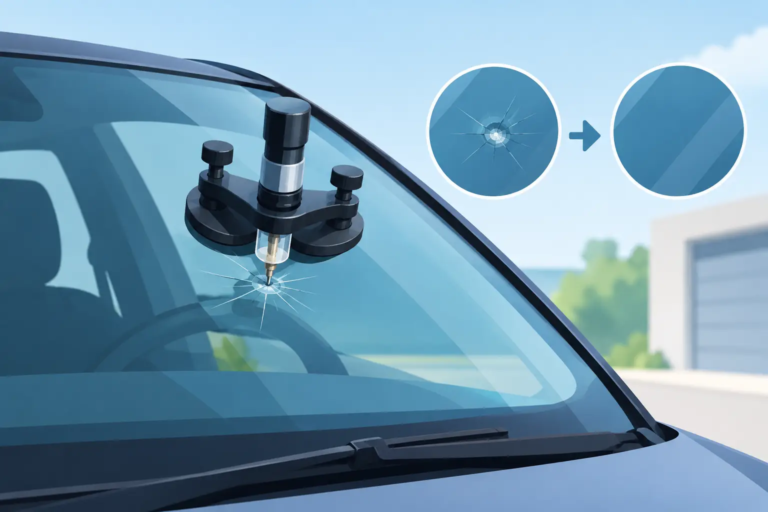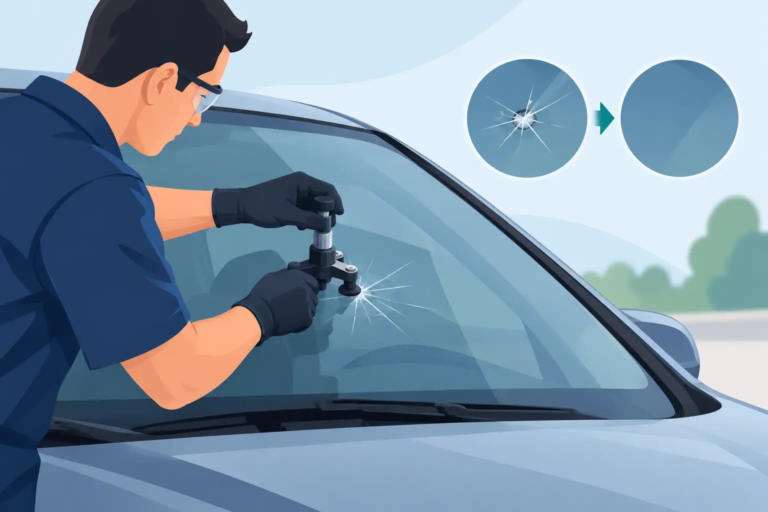

A windshield can look fine from ten feet away and still be a problem every time the sun hits it. If you’re asking, can windshield pitting be repaired, you’re probably noticing that dusty, sandblasted look that makes glare worse and driving more tiring than it should be. That question matters because pitting is different from a chip or crack, and the right fix depends on how severe the wear really is.
Can windshield pitting be repaired in every case?
Sometimes, but not always. That is the honest answer.
Windshield pitting happens when tiny impacts from road debris, sand, and grit wear down the outer glass surface over time. Each mark is small, but thousands of them can make the windshield look hazy, especially in bright sun, at sunrise, at sunset, or when headlights hit it at night. Drivers in North Texas see this a lot because highway driving, construction zones, and long commutes expose glass to a steady stream of fine debris.
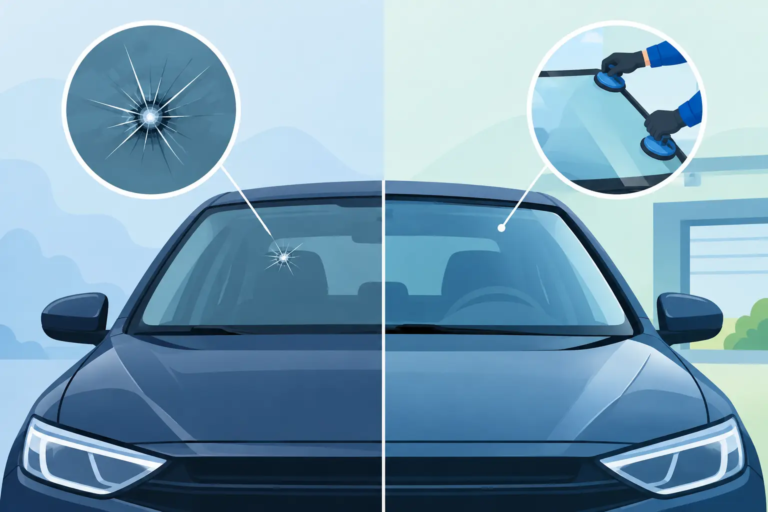
The challenge is that pitting is not the same as one isolated chip. A chip can often be filled. A cracked area can sometimes be stabilized. Pitting is surface wear spread across part of the windshield or the whole thing. That means repair is less about making every pit disappear and more about whether the glass can be improved enough to restore safer visibility.
If the pitting is light to moderate, professional restoration may improve clarity. If the pitting is deep, widespread, or paired with other damage, replacement may be the smarter move. A specialist should inspect it in person before making the call.
What windshield pitting actually looks like
A lot of drivers do not realize they are dealing with pitting at first. They think the windshield is just dirty, streaky, or impossible to clean. They wash it, wipe the inside, replace the wipers, and still get glare.
That is often the giveaway. Pitting usually shows up as a rough, peppered surface that catches light. Instead of one obvious point of damage, the glass has countless tiny imperfections. In daylight, it may seem minor. At night or in low-angle sun, it becomes much more noticeable.
You may also hear people describe it as windshield haze, sandblasting, or worn glass. Those descriptions are close, but the key issue is the same – the outer surface has been damaged over time.
When repair can make sense
Repair or restoration makes sense when the surface damage is still relatively shallow and the windshield is otherwise in good shape. If the pitting is creating glare but has not deeply compromised the glass, there may be room for improvement.
This is where experience matters. A general glass shop may quickly jump to replacement because that is the service they sell most often. A repair specialist is more likely to look at whether the existing windshield can be saved first. For many drivers, that matters because preserving the original glass can save money, avoid downtime, and keep the vehicle on the road without a full replacement appointment.
That said, realistic expectations are important. Repairing pitting is not always about making an old windshield look factory-new again. In many cases, the goal is to reduce distortion, cut glare, and improve driving visibility. If the windshield is lightly worn, the result may be very good. If it is heavily blasted from years of highway use, improvement may be possible, but there is a point where replacement becomes the better investment.
When replacement is the better call
There are times when repair is no longer the right answer.
If the glass is deeply pitted across a large area, especially in the driver’s primary line of sight, replacement often makes more sense. The same goes for windshields that already have major chips, spreading cracks, edge damage, or failed previous repairs. Once multiple issues stack up, trying to save the glass can become less practical than replacing it.
Age matters too. An older windshield that has years of wear, wiper scratches, and pitting may simply be too far gone for a meaningful restoration result. You do not want to pay for a minor improvement when the real problem is severe glass wear.
This is why a straight answer from a specialist matters. The right shop should tell you when repair is worthwhile and when it is not. If replacement is needed, you should hear that clearly.
Can windshield pitting be repaired enough to improve safety?
In the right case, yes. The biggest concern with pitting is visibility, not appearance alone.
Tiny surface pits scatter light. That can make oncoming headlights bloom, create heavy glare during sunrise and sunset, and increase eye strain during long drives. For commuters, rideshare drivers, delivery drivers, and fleet vehicles, that is not a cosmetic annoyance. It affects real-world driving comfort and reaction time.
When a repair specialist can improve the surface enough to reduce that light scatter, the windshield may become much easier to see through. That is the real value. Not every pit has to vanish for the outcome to be worthwhile.
But safety cuts both ways. If the pitting is too severe and the visibility problem remains, replacement is the safer choice. A good technician should never oversell a repair that leaves the driver disappointed or still struggling with glare.
What a professional will look for
A proper evaluation is usually quick, but it should be thorough. The technician will look at the depth of the pitting, how much of the windshield is affected, and whether the damage is concentrated in the driver’s field of view.
They should also check for other problems that may be making the windshield seem worse than it is. Wiper scratches, mineral staining, hard water spots, interior film, and old chip repairs can all affect clarity. Sometimes the issue is mixed. Part of the problem may be removable surface contamination, and part may be actual pitting.
That distinction matters because it changes what kind of improvement is realistic. If a big share of the haze is coming from buildup rather than glass wear, the result may be better than the customer expected. If the haze is true pitting throughout the outer layer, there are limits.
Why drivers wait too long
Most people do not call for pitting right away because the damage builds slowly. You adjust to it. Then one evening, the glare gets bad enough that you realize the windshield is no longer doing its job well.
Fleet managers run into the same issue. A truck, school bus, or rental vehicle stays in service because there is no single dramatic crack forcing immediate action. But the wear keeps building, and drivers start complaining about visibility.
The earlier a specialist sees the windshield, the better. Light pitting gives you more options than severe pitting. Waiting does not make the glass easier to restore.
Why specialist repair matters
This is not a case where every glass company approaches the job the same way. Shops built around replacement often treat worn windshields as replace-only jobs. A specialist repair company looks harder at whether the glass can be restored first.
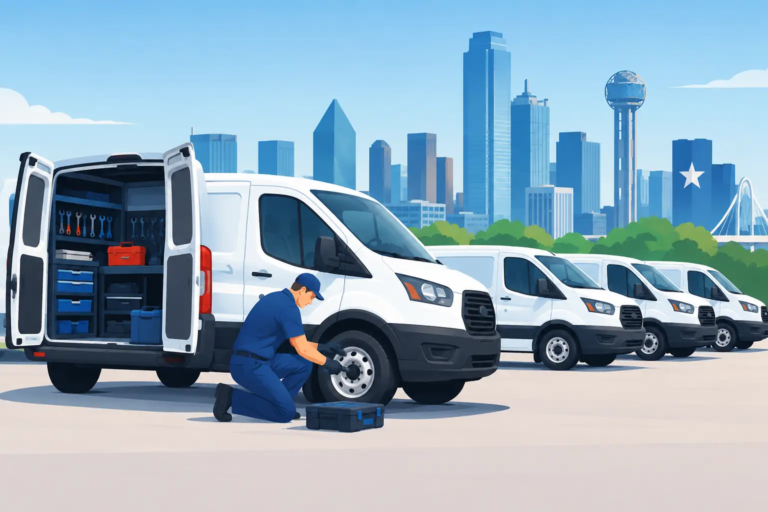
That difference matters for customers who want the most cost-effective answer, not the biggest invoice. It also matters for mobile service. Busy families, commuters, and fleet operators across Denton and nearby North Texas cities do not want unnecessary downtime. If a qualified specialist can improve the existing windshield at your home, office, or lot, that is often the better outcome.
SuperGlass Denton is built around that repair-first mindset, and that is exactly why many customers call when another shop has already leaned toward replacement.
The practical answer for most drivers
So, can windshield pitting be repaired? Yes, sometimes. No, not always. The deciding factors are severity, location, and whether the damage is still shallow enough for meaningful improvement.
If your windshield looks cloudy in bright light, throws glare at night, or always seems dirty no matter how often you clean it, do not guess. Have it inspected by a true repair specialist. A fast evaluation can tell you whether restoration is a smart option or whether replacement is the better call.
The best outcome is not forcing a repair or forcing a replacement. It is getting the right solution the first time, so you can drive with a clearer view and one less thing to fight on the road.