Cloudy headlights do more than make a vehicle look tired. They cut down nighttime visibility, make rain harder to drive through, and can even drag down the look of an otherwise well-kept car. If you are searching for the best ways to clear headlights, the real question is not just what makes them look better today. It is what actually restores clarity, lasts, and makes sense for your time and budget.
Around Denton and North Texas, we see a lot of vehicles with oxidized headlights. Heat, UV exposure, road grime, and automatic car washes all add up. The lens starts out clear, then turns hazy, yellow, or chalky. At that point, plenty of drivers try a quick home fix. Some work for a little while. Some barely work at all. A few can make the problem worse if the lens is scratched or the protective coating is stripped and never replaced.
The best ways to clear headlights depend on the damage
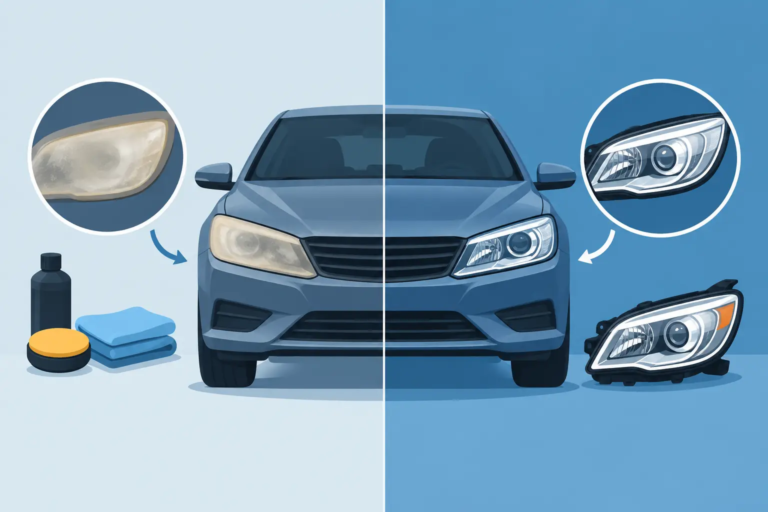
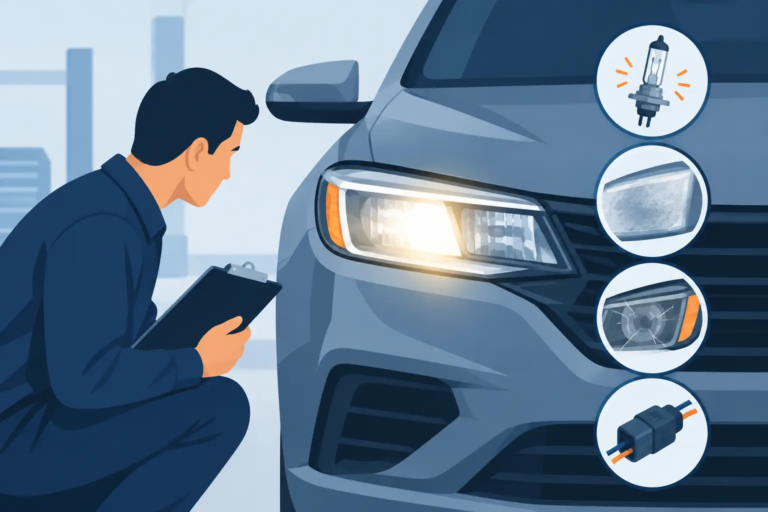
Not every cloudy headlight needs the same fix. A light surface haze is different from heavy oxidation, deep pitting, or cracking inside the lens. That matters because the method that works on one vehicle may fail on another.
If the oxidation is mild, a polishing approach can improve clarity. If the lens has severe UV damage, sanding and refinishing is usually the better path. And if the lens is cracked internally or the plastic is failing, restoration may not get you all the way there. In those cases, replacement might be the only real solution.
That is why the best results usually come from matching the repair to the condition, not grabbing the first internet trick that shows up in a search.
Toothpaste is cheap, but it is rarely the best way
Toothpaste gets recommended a lot because it is mildly abrasive and easy to find. On a lightly hazy headlight, it can remove some surface grime and make the lens look a little better for a short time. If you are in a pinch, it may give you a small cosmetic improvement.
But toothpaste is not designed for automotive plastic. It does not correct heavier oxidation very well, and it does nothing to replace the UV-protective layer that has worn away. So even if you get a cleaner look for a week or two, the haze often comes back fast.
For drivers who want a quick experiment, it is harmless enough if done gently. For anyone who wants a durable result, it is usually not the answer.
Headlight polishing kits can work well – if used correctly
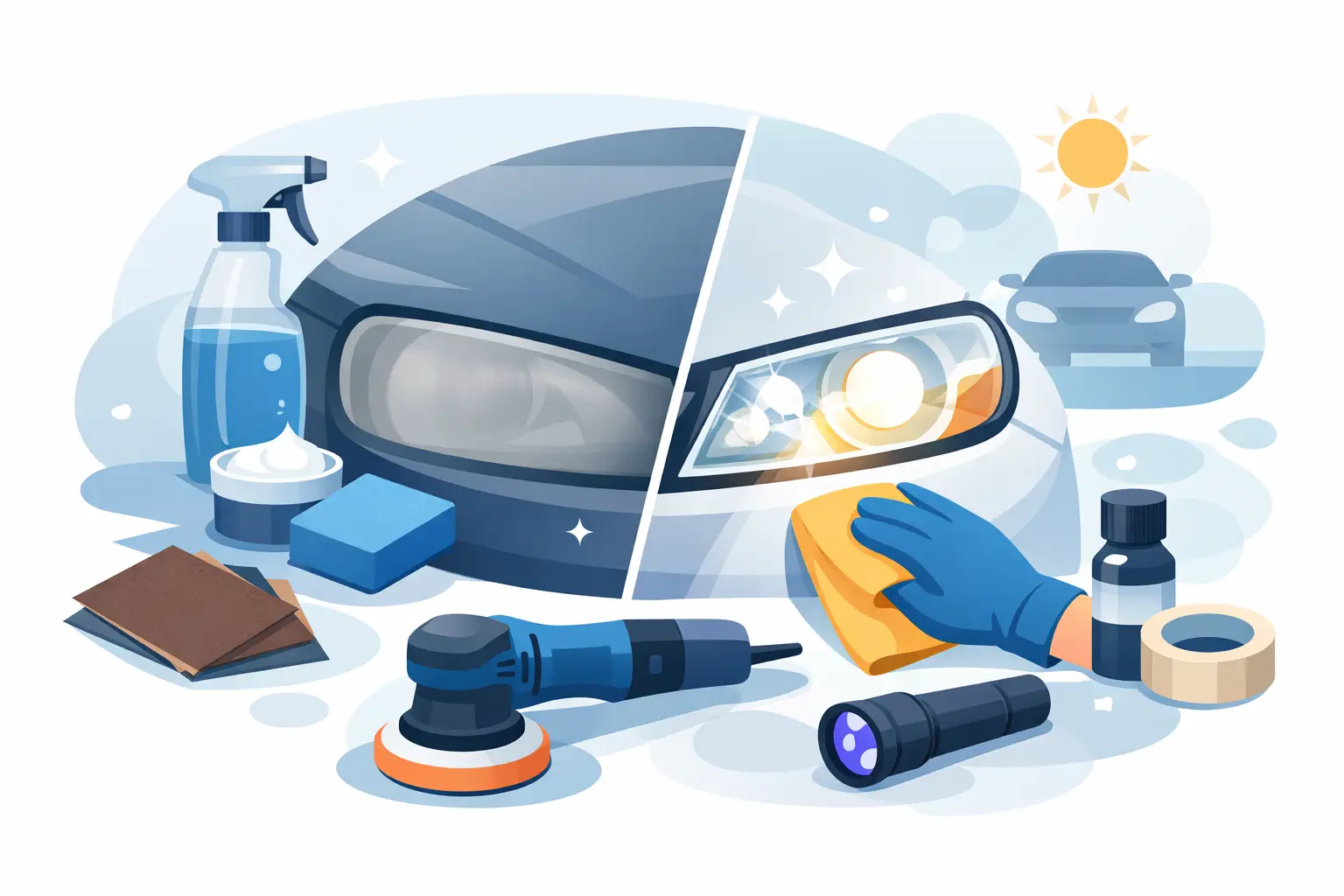
A good restoration kit is one of the more practical DIY options. These kits usually include sanding discs or pads, polish, and sometimes a sealant or clear coat. When used the right way, they can remove oxidation and improve clarity far more effectively than household products.
The catch is technique. Too little sanding leaves the oxidation behind. Too much aggressive sanding can create uneven spots or visible scratches. Skipping steps often leads to a lens that looks better at first but hazes over again quickly.
For a handy vehicle owner with patience, this can be one of the best ways to clear headlights at home. Just be realistic about the time involved. Properly restoring both headlights is not a five-minute job, and the finish is only as good as the final protection applied afterward.
Wet sanding and refinishing gives the strongest DIY result
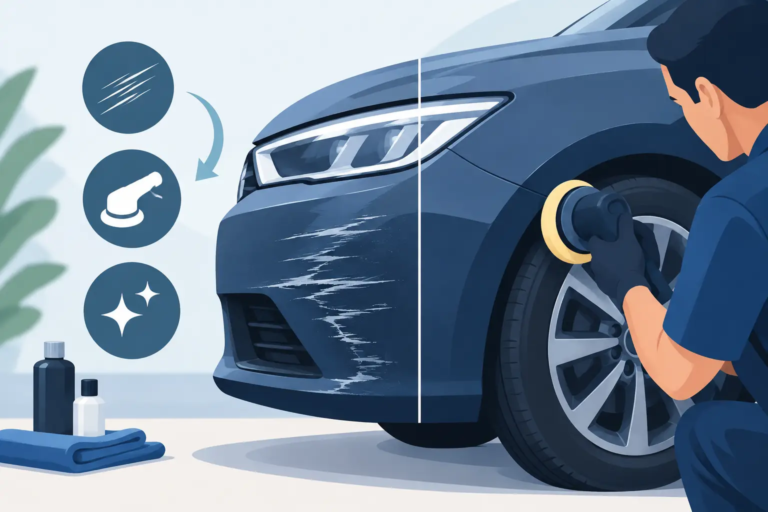
If the headlights are heavily yellowed or chalky, wet sanding followed by polishing and sealing usually delivers the biggest visual improvement. This method removes the damaged outer layer of plastic and smooths the surface back down before restoring gloss.
Done properly, this is the closest a DIY repair gets to professional restoration. It is also the easiest method to get wrong. You need the right grit progression, steady pressure, and a proper finishing product. Most importantly, you need UV protection at the end. Without that final sealed layer, the newly exposed plastic starts degrading again fast under the Texas sun.
This is where many do-it-yourself jobs fall short. The sanding may be good enough, but the protection step is rushed or skipped. That is why the lights may look clear on Saturday and start dulling again not long after.
Spray-on clear coats are hit or miss
Some DIY restorers use automotive clear coat or products marketed specifically for headlights. These can help lock in the finish and protect against UV damage. When the prep work underneath is excellent, a quality coating can extend the life of the restoration.
But this is not the place to wing it. If the surface is not fully clean or evenly sanded, the coating can trap flaws underneath. If it is sprayed too heavy, it can run or dry unevenly. If it is the wrong product, it may peel, yellow, or fail early.
So yes, coating matters. It is one of the best ways to keep headlights clear after correction. But it only helps when the repair underneath was done right in the first place.
Household hacks usually fall into the short-term category
Baking soda, vinegar, lemon juice, bug spray, magic erasers, and other home remedies all make the rounds online. Some remove grime. Some add temporary shine. Some are abrasive enough to change the appearance for a little while.
None of these are what we would call reliable restoration methods. Bug spray, for example, may create a temporary clearer look because of the chemicals involved, but that does not mean it is good for the lens. Magic erasers can scuff the surface. Strong cleaners can strip what little protection remains.
If your goal is a quick photo before selling a car, maybe that trade-off seems fine. If your goal is safer nighttime driving and a repair that lasts, these are not the best ways to clear headlights.
Professional restoration is often the smartest value
A lot of drivers assume professional headlight restoration is only about appearance. It is really about visibility, consistency, and longevity. A specialist knows how to assess whether the issue is surface oxidation, deeper damage, or lens failure. That avoids wasted time on a fix that was never going to hold.
Professional restoration also saves people from a common DIY problem – getting the headlights partly improved but not truly corrected. One lens ends up clearer than the other. The finish is blotchy. The haze returns in a month. Then the driver either buys another kit or gives up and starts pricing replacement assemblies.
For busy drivers and fleet managers, that cycle costs more than it looks. Time matters. Vehicle downtime matters. Getting it done right the first time matters. That is why professional restoration is often one of the best ways to clear headlights, especially when the damage is moderate to severe.
When replacement makes more sense
There are cases where restoration is not the best move. If the lens is cracked, leaking, badly pitted from years of highway wear, or damaged from the inside, no amount of polishing will fully solve it. The same goes for headlights with structural failure or broken mounting points.
This is where an honest assessment counts. A trustworthy specialist should tell you when repair makes sense and when it does not. At SuperGlass Denton, that repair-first mindset matters because saving the original component is often the most cost-effective choice, but not every headlight can be brought back to a like-new result.
The right answer is the one that restores safe visibility without wasting your money.
How to keep clear headlights from turning cloudy again
Once the lens has been restored, maintenance helps. Regular washing removes contaminants that sit on the plastic. Parking in a garage or shaded area helps reduce UV exposure. A proper protective product made for headlights or exterior plastics can also help preserve the finish.
What does not help is assuming the problem is permanently solved after one cleanup. Headlights live on the front line of the vehicle. Sun, heat, debris, and road film keep working on them every day. A restored lens with quality protection will hold up far better than an untreated one, but it still benefits from basic care.
Best ways to clear headlights without wasting time
If your headlights have only light haze, a quality polishing kit may be enough. If they are yellow, rough, or heavily oxidized, sanding and refinishing is usually the more effective route. If the lens is deeply damaged or failing from within, replacement may be the only fix that makes sense.
That is the real answer most drivers need. Not every method deserves equal trust, and the cheapest trick is not always the cheapest outcome. Clear headlights are about seeing better, driving safer, and avoiding the cost of doing the same job twice.
If your headlights are getting harder to see through, do not wait until the next late-night drive in the rain reminds you. The best repair is the one that actually lasts.