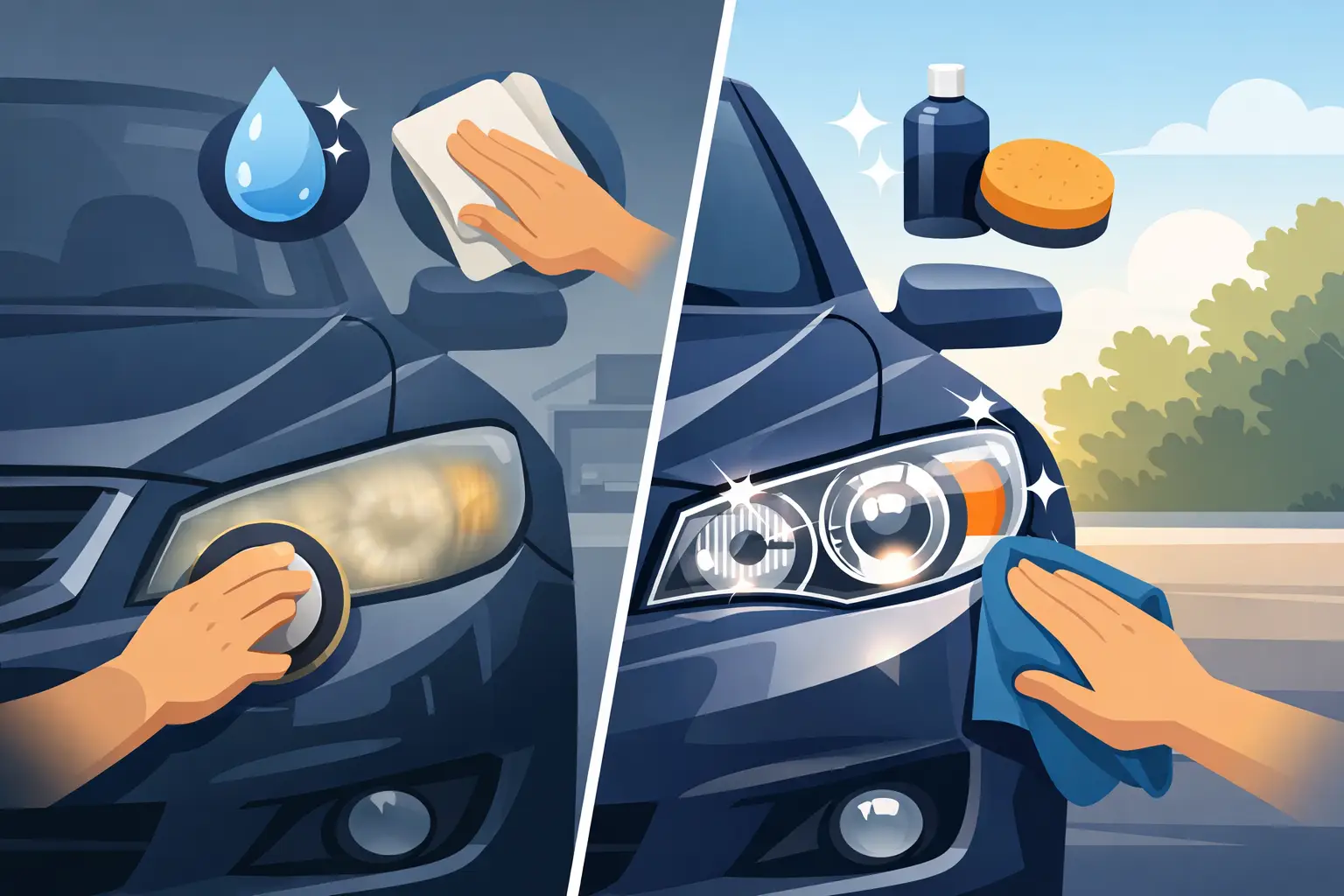
A lot of drivers think they need brighter bulbs when the real problem is sitting right in front of them. If you are wondering how to improve dim headlight lenses, the first thing to know is this: cloudy, yellowed, or oxidized lenses can block a surprising amount of light, even when your bulbs are working exactly as they should.
That matters on North Texas roads. Early morning commutes, rainy evenings, two-lane roads, and heavy traffic all demand clear visibility. Dim headlights are not just annoying. They reduce your reaction time, make lane markings harder to see, and can leave your vehicle looking older and less cared for than it really is.
Why headlight lenses get dim in the first place
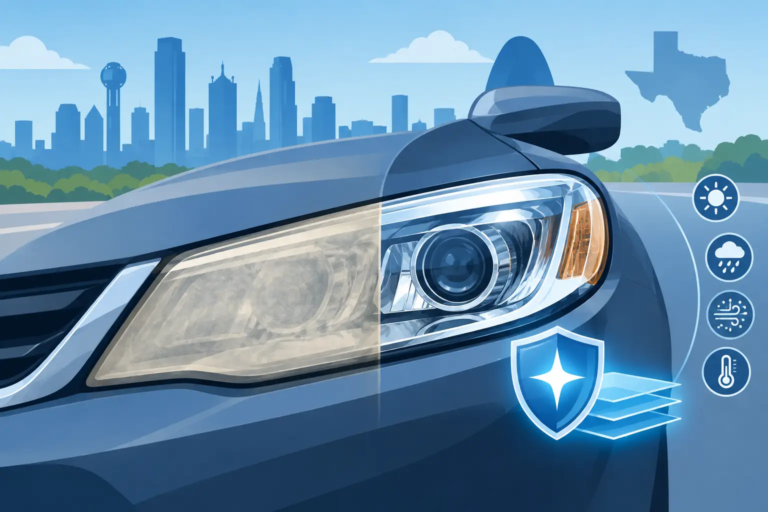
Most modern headlight lenses are made from polycarbonate plastic. It is durable and lightweight, but it is not immune to wear. Over time, UV exposure, heat, road grime, car wash chemicals, and oxidation break down the outer surface. That is what causes the hazy, dull, yellow look many drivers notice.
The key issue is not always the bulb. In many cases, the bulb is still producing light, but the lens is scattering it instead of projecting it forward. That means less usable light on the road and more glare in random directions.
This is why replacing a bulb sometimes feels like a disappointing fix. You spend the money, install a new bulb, and the headlights still look weak. If the lens is degraded, a stronger bulb will not solve the underlying problem.
How to tell if the lens is the problem
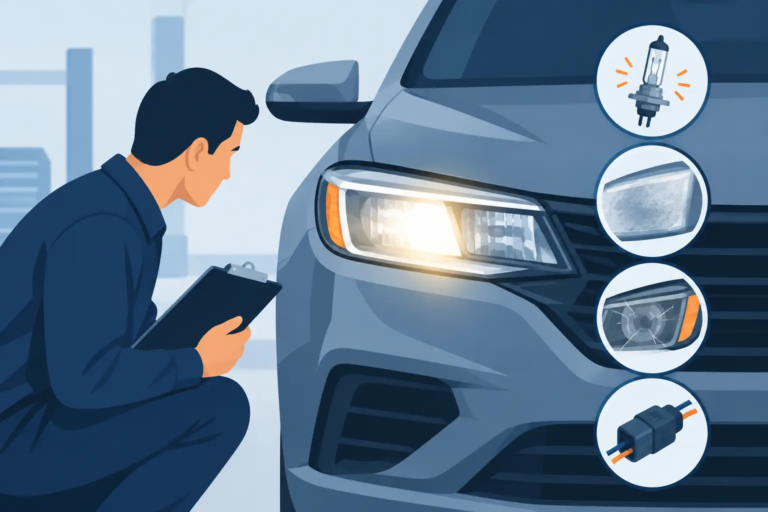
Before you decide how to improve dim headlight lenses, take a close look at what the headlights are actually doing. If the plastic looks foggy in daylight, that is your first clue. If one or both headlights appear yellow, milky, or rough to the touch, oxidation is likely the issue.
You may also notice that your lights seem dim even after dark on clear roads. Another common sign is uneven output. The bulb may be fine, but the beam pattern looks weak, diffused, or patchy because the lens surface is no longer clear.
There are times when the problem is electrical instead. If one headlight is out, flickering, or significantly dimmer than the other without visible lens damage, the bulb, connector, wiring, or charging system could be involved. In that case, lens restoration alone will not fix it.
How to improve dim headlight lenses at home
If the haze is light and the damage is mostly on the surface, a DIY approach can help. The goal is to remove the oxidized outer layer and then protect the lens so it does not quickly fade again.
Start with a proper wash. Clean the lens thoroughly with automotive soap and water so you are not grinding dirt into the surface. Dry it completely. Then inspect it in good light. If it still looks dull, you are dealing with oxidation rather than simple grime.
Many drivers use a headlight restoration kit, and that is usually the most reliable DIY option. A decent kit typically includes sanding discs or pads, a polishing compound, and a sealant or UV protectant. Follow the directions carefully. The process often starts with masking off the paint around the headlight, then wet sanding the lens with progressively finer grit, then polishing until clarity improves.
That sanding step is where a lot of people get nervous, but it is also what removes the failed outer layer. If you skip it and only rub on polish, you may get a short-lived shine without meaningful improvement.
What works, what does not, and where DIY goes wrong
There is a reason some internet tricks get mixed reviews. Toothpaste, baking soda, and household abrasives may make the lens look slightly better for a day or two, but they are not a serious restoration method. At best, they provide a mild polish. At worst, they leave uneven results or fine scratches.
A DIY kit can work well for mild to moderate haze, but the finish depends on patience and technique. If sanding is uneven, the lens can end up blotchy. If the final protective coating is weak or skipped entirely, the headlights may start clouding back up quickly, sometimes within weeks.
That is the trade-off. DIY can save money upfront, but it also has a lower margin for error. If your vehicle is older, the oxidation is severe, or the lens has already been treated several times, at-home restoration may not deliver the clarity you want.
When dim lenses need professional restoration
If the lenses are heavily yellowed, deeply pitted, or failing on the inside as well as the outside, professional restoration is often the smarter move. A specialist can tell the difference between surface oxidation and more advanced damage that a quick kit will not fix.
This matters for drivers who rely on their vehicles every day. If you are commuting across Denton, running between Frisco and McKinney, or keeping fleet vehicles road-ready, you do not want to waste time on a temporary fix that leaves you redoing the job next month.
Professional restoration is also worth considering when appearance and safety both matter. Clear headlights do more than brighten your view. They improve the look of the vehicle and can help avoid the impression that the entire front end is worn out. For work trucks, school buses, and rental vehicles, that cleaner, well-maintained appearance matters.
A specialist service like SuperGlass Denton focuses on restoring the existing component rather than pushing replacement when repair is the better answer. That is often the most cost-effective route when the lens is salvageable.
How long should restored headlights last?
It depends on the method used and whether the lens gets proper UV protection afterward. A quick buff without a durable protective finish usually does not last long. It may look better briefly, but the haze returns because the plastic is exposed again.
A more complete restoration that removes oxidation correctly and applies lasting protection can hold up much better. Even then, no lens stays perfect forever. Sun exposure, weather, and mileage still take a toll over time.
For North Texas drivers, heat and UV are a real factor. Cars parked outside every day will generally show wear faster than garage-kept vehicles. That does not mean restoration is not worth it. It means the quality of the process matters.
Preventing headlights from getting dim again
Once you improve the lenses, keeping them clear is easier than bringing them back from full oxidation. Regular washing helps because it removes grime and road film that can bake into the surface. Applying a UV protectant made for automotive plastics can also slow future fading.
Be careful with harsh cleaners and aggressive automatic car wash brushes. Those can add micro-scratches that dull the lens over time. If you notice the first signs of haze returning, act early. Light oxidation is easier to correct than heavy yellowing.
For commercial vehicles and high-mileage drivers, periodic inspection makes sense. Waiting until visibility is obviously poor usually means the lens has already degraded more than necessary.
Should you replace the headlight instead?
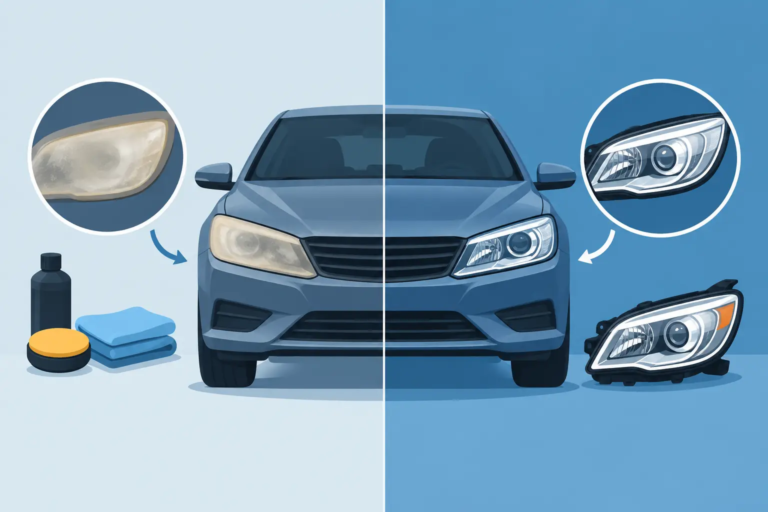
Sometimes, yes. If the lens is cracked, the housing is leaking moisture, mounting points are broken, or the interior reflector is damaged, replacement may be necessary. Restoration cannot repair every problem.
But replacement is often treated as the first option when it should be the last. Many cloudy headlights can be restored for far less than the cost of new assemblies. That is especially important on vehicles with expensive headlight units, where replacement costs rise fast.
The right answer comes down to condition. If the lens is structurally sound and the issue is surface oxidation, restoration is usually the practical call. If there is internal failure or physical damage, replacement may be unavoidable.
The smart way to handle dim headlights
If you want to know how to improve dim headlight lenses without wasting time or money, start by identifying the real cause. Do not assume you need new bulbs just because the road looks darker. In many cases, the lens is the bottleneck.
A mild haze might respond well to a quality restoration kit if you are comfortable doing careful prep work. More severe oxidation, recurring cloudiness, or fleet-level maintenance needs are where expert service tends to make more sense. The benefit is not just brighter headlights. It is getting a repair that actually lasts and helps you avoid unnecessary replacement.
Clear headlights make every night drive easier, every early morning safer, and every vehicle look better cared for. If your lenses are holding back your visibility, fixing them is one of the simplest upgrades you can make.