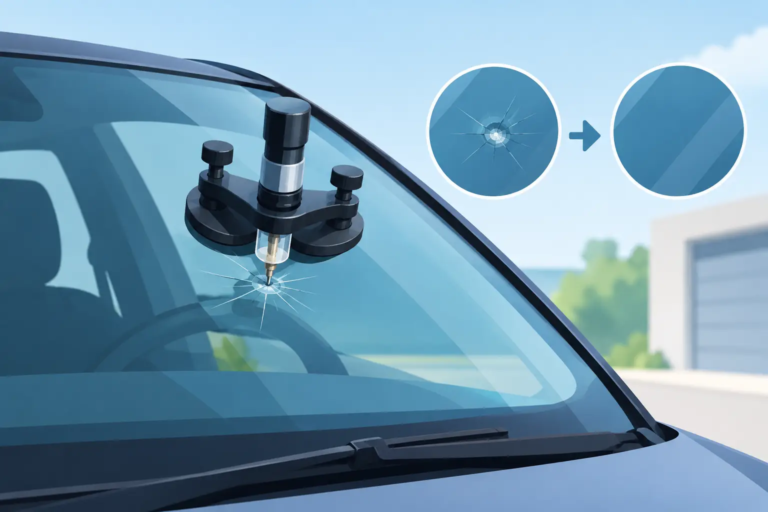

A work truck with a chipped windshield is easy to ignore for a day or two. Then that chip spreads, the driver gets pulled off the road, and one small glass issue turns into a schedule problem, a customer service problem, and a revenue problem. That is exactly how fleet glass service reduces downtime – by catching damage early, repairing more glass instead of replacing it, and keeping vehicles in service with less disruption.
For fleet operators in Denton and across North Texas, downtime is rarely caused by one dramatic event. More often, it comes from small delays that stack up. A cracked windshield means a vehicle sits. A replacement order takes longer than expected. A driver has to leave the route. A bus misses its window for service. A rental unit stays unavailable for another day. When you manage multiple vehicles, those hours add up fast.
Why glass problems sideline fleets so often
Fleet managers already know that vehicle uptime depends on more than the engine and tires. Visibility, safety compliance, and driver confidence matter too. Windshield damage can affect all three.
A small chip may not look serious, but fleet use is hard on glass. Trucks pick up highway debris. School buses see daily stop-and-go miles. Rental vehicles are used by different drivers in different conditions. Temperature swings across North Texas can make existing damage spread quickly. What could have been a quick repair on Monday can become a full replacement by Thursday.
That shift matters because replacement usually takes more time, more coordination, and more money. It can also create scheduling headaches if the vehicle needs recalibration or extra cure time depending on the model and installation method. Repair, when it is still an option, is usually the faster path back to service.
How fleet glass service reduces downtime in real operations
The biggest advantage of fleet glass service is not just that it fixes glass. It changes the timing of the repair and the amount of disruption around it.
With a fleet-focused provider, service is built around keeping units available. That often means mobile appointments at your lot, office, yard, or job site instead of sending drivers across town and waiting in line at a retail shop. It also means technicians who understand that getting one vehicle back on the road is good, but keeping ten more from going down next week is better.
When repairs happen early and on-site, fleets avoid the chain reaction that comes from postponing minor damage. Drivers stay closer to their normal schedule. Dispatch is not scrambling to cover routes. Managers are not reshuffling vehicles just because one windshield issue sat too long.
There is also a practical cost benefit. Repairing existing glass is usually less expensive than replacing it. For a fleet, that matters twice. First, there is the direct service cost. Second, there is the operational cost of lost availability. A lower invoice is helpful. A vehicle that never leaves service for long is even better.
Repair-first service keeps more vehicles working
Not every piece of damaged glass can be saved. Some cracks are too large, too deep, or in the wrong location for a safe repair. But many fleet vehicles end up getting replacements they might have avoided if the damage had been inspected sooner by a true repair specialist.
That is one of the biggest differences between a specialist repair provider and a shop that is mostly set up to replace glass. A repair-first approach looks for the fastest safe solution, not the highest-ticket one. For fleet managers, that often means more windshields preserved, fewer parts ordered, and fewer vehicles waiting around.
This matters even more for vehicles that are hard to pull out of service. A school bus has a narrow maintenance window. A rental car needs to be turned quickly. A work truck may be tied to a crew schedule and a client deadline. In each case, preserving the original windshield when possible can save a meaningful amount of time.
Mobile scheduling matters more than most fleets expect
A lot of downtime is not repair time. It is travel time, waiting time, and coordination time.
If a driver has to leave the route, drive to a shop, check in, wait, and return, the actual glass work may only be part of the loss. Multiply that across several vehicles and the hidden cost becomes obvious. Mobile fleet glass service cuts out much of that waste.
On-site work lets managers group repairs, plan around shift changes, and keep vehicles near operations. That is especially useful for local fleets with mixed vehicle types or rolling schedules. A mobile technician can handle work where the vehicles already are, which reduces interruptions and makes the day easier to manage.
For North Texas fleets, local coverage also matters. A provider who regularly works in Denton, Plano, Frisco, McKinney, Lewisville, and Carrollton understands the pace and geography of the area. That local familiarity helps with response time and scheduling realism. It is easier to prevent downtime when the service model actually fits how your fleet runs.
Faster decisions prevent bigger disruptions
One reason glass damage drags on is uncertainty. The manager sees a chip. The driver says it is getting worse. Nobody is sure whether it can be repaired. So the vehicle stays in service a little longer, and the problem becomes more expensive.
A fleet glass partner should make that call quickly. Can it be repaired safely, or does it need replacement? Is it urgent, or can it be handled during the next service window? Clear answers save time because they remove hesitation.
This is where experience shows. An expert technician can spot the difference between damage that is stable and damage that is likely to spread. That judgment helps fleets prioritize correctly instead of overreacting to minor issues or underreacting to major ones.
There is a trade-off here. If a fleet tries to squeeze every damaged windshield through repair, it can create safety and liability concerns. On the other hand, replacing everything automatically drives up cost and extends downtime. The right approach is practical, not extreme. Repair what can be repaired safely. Replace what truly needs replacement. Move fast either way.
Consistency helps large and small fleets alike
Downtime is easier to control when service is consistent. That does not just mean good workmanship. It means predictable communication, dependable arrival windows, and repair standards you can trust across vehicles.
For larger fleets, consistency simplifies maintenance planning and vendor management. For smaller fleets, it reduces the risk that one sidelined vehicle will throw off the whole operation. A three-truck company can feel downtime even more sharply than a fifty-vehicle fleet because there is less room for backup.
That is why a dependable repair guarantee matters too. If a fleet manager approves a repair, there needs to be confidence that the fix will hold. A strong guarantee lowers the risk of choosing repair and makes it easier to act early instead of waiting until replacement becomes unavoidable.
The best time to address fleet glass is sooner than feels necessary
Fleet downtime usually gets blamed on major mechanical failures, but glass issues are a steady source of avoidable disruption. They affect safety, scheduling, customer commitments, and vehicle availability. The fleets that handle glass well are not just reacting faster. They are using a service model built to preserve vehicles, reduce replacement, and keep work moving.
That is the practical answer to how fleet glass service reduces downtime. It turns a common maintenance problem into a controlled, scheduled repair instead of a last-minute service interruption. For fleets that need trucks, buses, or rental vehicles ready every day, that difference is not small. It is operational.
If your vehicles are already picking up chips, haze, or surface damage, the smart move is to deal with it before the calendar decides for you. SuperGlass Denton works the way fleet service should work – local, mobile, and focused on repairing what others are too quick to replace.