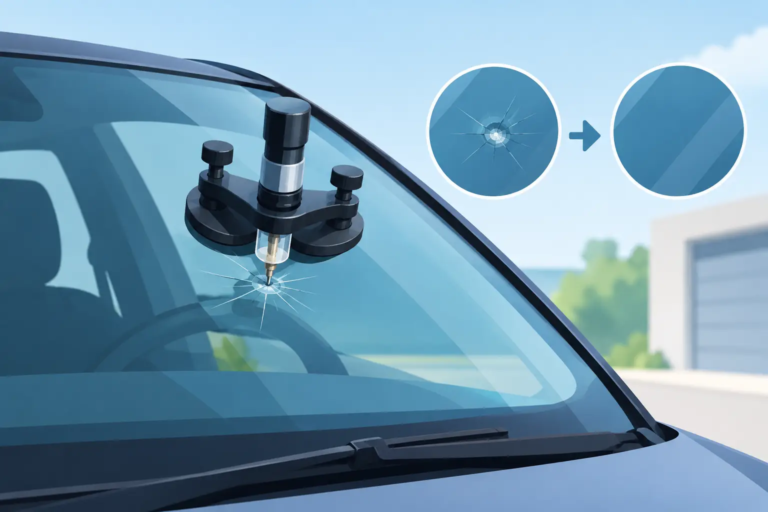
A rock hits your windshield on I-35, you hear the snap, and now you are staring at a chip that seems to grow every time the sun hits it. This is where glass repair vs new windshield becomes a real decision, not a theoretical one. Most drivers do not want a new windshield if a proper repair will safely save the original glass. They want the right call, made quickly, by someone who knows the difference.
That is exactly where a specialist matters. Some shops lean toward replacement because that is what they sell. A repair-first specialist looks at the damage, the location, the size, and the risk of spreading, then tells you plainly whether the windshield can be restored or needs to be replaced.
Glass repair vs new windshield: the real difference
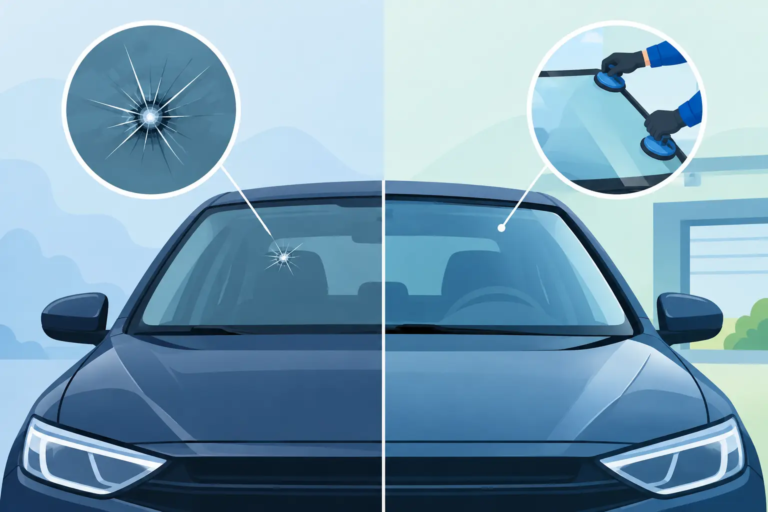
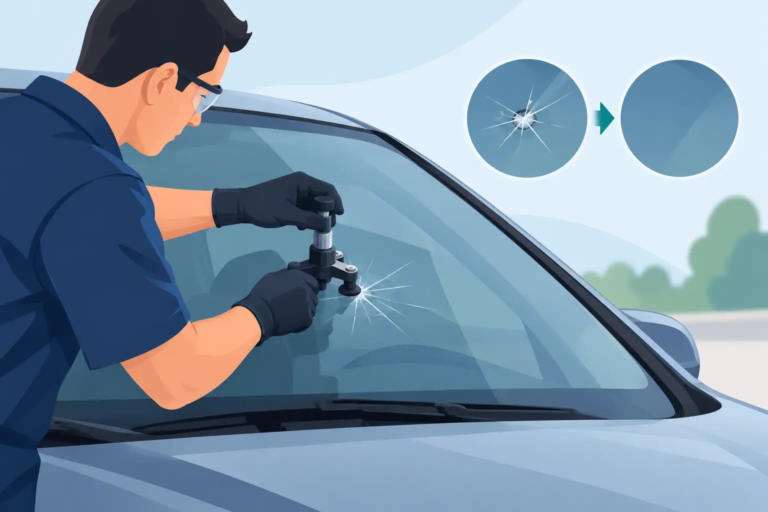
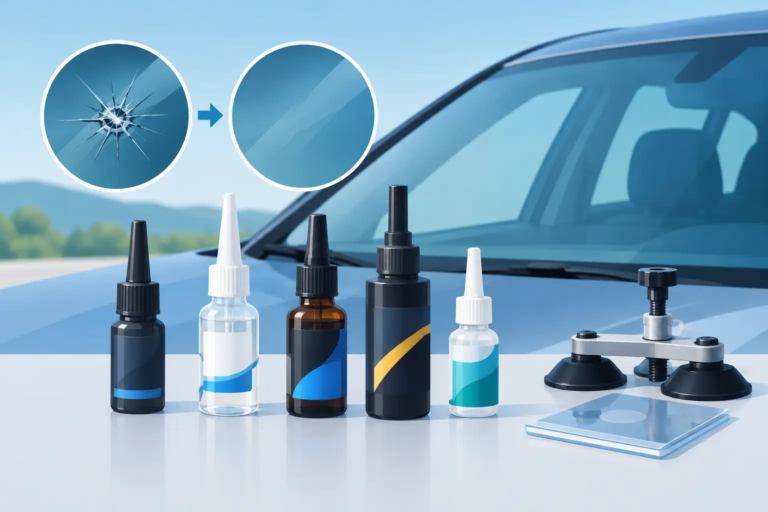
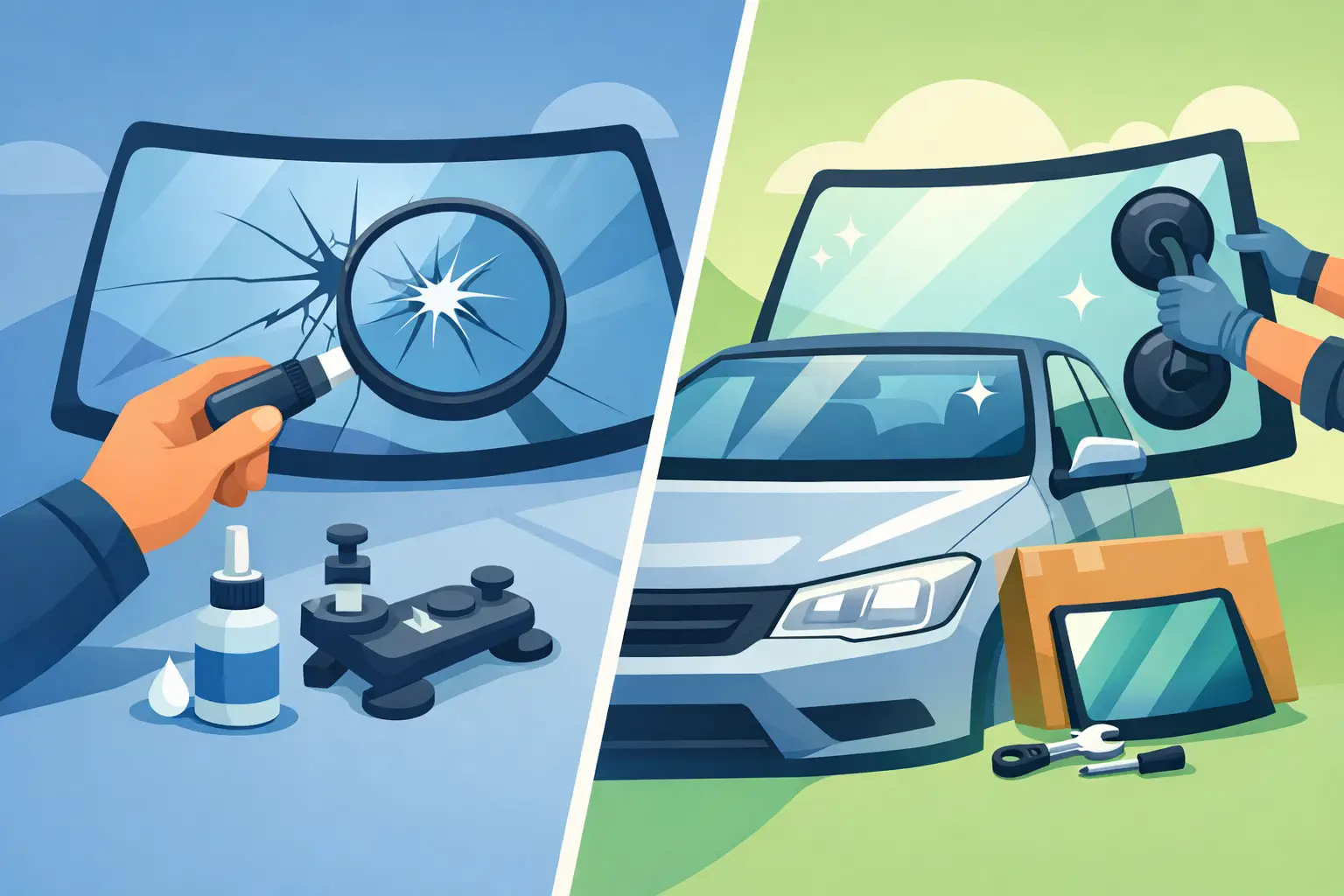
Repair and replacement solve two very different problems. Windshield repair is designed for damage that is limited, stable, and structurally suitable to restore. The goal is to stop the crack or chip from spreading, improve clarity, and preserve the factory seal and original glass.
A new windshield is the better answer when the damage has already moved beyond what repair can reliably fix. If the crack is too long, too deep, directly in the driver’s critical viewing area, or near the edge where strength matters most, replacement may be the safer choice.
That distinction matters because original factory glass has value. Keeping it, when possible, often means less cost, less downtime, and no need to disturb the existing windshield installation. For many drivers, that is the best-case outcome.
When repair is usually the smarter move
Small chips are often repairable, especially when they are caught early. The same goes for many short cracks, depending on where they are and how far they have spread. If the damage has not contaminated with dirt or moisture and the glass layers remain good candidates for resin repair, there is a strong chance the windshield can be saved.
This is where timing matters more than people think. A small break can turn into a replacement job after a few days of heat, cold, road vibration, or a rough car wash. North Texas weather does not help. A windshield can heat up fast in a parking lot, cool down during a storm, and flex just enough for a repairable crack to become a larger problem.
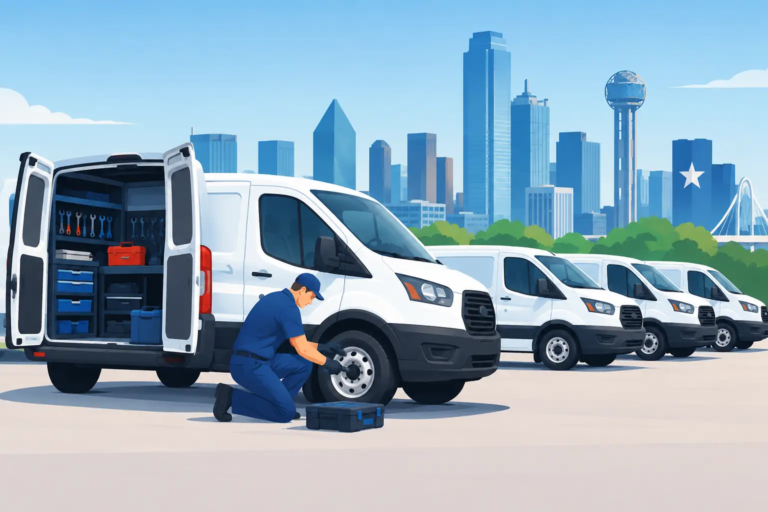
Repair also makes sense when you want to avoid the extra time that comes with replacement. Busy professionals, parents moving between school pickups and work, and fleet managers trying to keep vehicles on the road usually prefer a qualified repair if it is still a safe option. Mobile service makes that even easier because the work can often be done at your home, office, or lot.
When a new windshield is the better call
There are times when replacement is not upselling. It is simply the right answer. A long crack, damage at the edge, multiple impact points, or a break that seriously interferes with the driver’s line of sight may push the windshield beyond repair.
Modern windshields also do more than block wind. They support vehicle structure, help airbags perform properly, and in many vehicles work alongside driver-assistance systems. If the glass has damage that weakens that role, patching it is not enough.
There is also a quality question. A good repair improves the look of the damage, but it does not make the glass brand new again. If the break sits in a highly noticeable area and visual distortion would remain unacceptable, replacement may be the more practical choice even if a repair is technically possible.
The biggest factors that decide repair or replacement
Size matters, but it is not the only factor. Location is just as important. A small chip near the edge of the windshield can be more serious than a slightly larger one near the center. Edge damage can affect the overall strength of the glass and is more likely to spread.
The type of break matters too. Star breaks, bullseyes, combination breaks, and cracks all behave differently. Some respond well to repair. Others are less predictable. A trained specialist looks at the pattern, depth, and spread before making the call.
Visibility matters as well. Even if a repair is structurally sound, damage in the driver’s direct viewing area can create a distracting blemish. That is one of those it-depends situations. Some drivers are comfortable with a repaired mark. Others are not, especially if they spend hours on the road.
Age of the damage also plays a role. The longer a chip sits, the more likely it is to collect contamination. Dust, water, and debris can affect how cleanly the resin bonds and how clear the finished repair looks.
Why repair-first advice saves money and hassle
A lot of customers assume replacement is the more complete solution, so it must be the better one. Not always. If the windshield can be properly repaired, replacement can mean spending more money and more time for no good reason.
You are also giving up the original factory-installed glass. That may not sound like a big deal until you remember that every replacement involves removing the old windshield, preparing the frame, installing new glass, and allowing adhesives to cure properly. Done well, replacement is absolutely safe and necessary when called for. But if you can safely avoid all that, many drivers would rather do so.
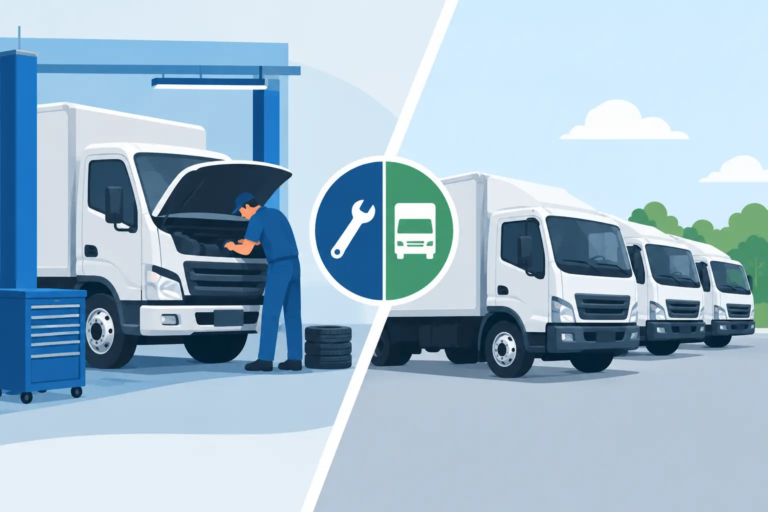
For commercial fleets, the economics are even clearer. A repair-first approach can reduce downtime, preserve vehicle availability, and avoid turning a manageable chip into a longer out-of-service event. For school buses, rental units, and work trucks, that difference adds up quickly.
What drivers in North Texas should not do
Do not wait to “see if it gets worse.” That is usually how a repair turns into a replacement. Do not slam doors unnecessarily, blast the defroster on a cold windshield, or pour hot water on damaged glass. Sudden pressure and temperature changes can spread cracks fast.
Do not rely on a photo alone for a final answer either. Photos help, but an on-site inspection gives a better read on depth, contamination, and placement. And do not assume every windshield issue means replacement. Many drivers are told they need new glass when a specialist in repair could have saved it.
Glass repair vs new windshield for fleet vehicles
Fleet operators have a different kind of pressure. They are not thinking about one chip on one car. They are thinking about scheduling, driver safety, service interruptions, and cost control across multiple vehicles.
That makes consistency important. The best approach is not to replace everything or repair everything. It is to use clear standards and fast inspection so each vehicle gets the right fix. Some cracks on a service truck can be repaired on-site and back on the road quickly. A school bus with edge damage may need replacement because the risk profile is different. Good fleet service is about making those calls accurately and without delay.
The value of choosing a specialist
General glass shops replace windshields every day. That does not automatically make them the best source for repair decisions. Repair is its own specialty. It takes judgment, process control, and the willingness to say, “This can be saved,” when others would rather swap the whole thing out.
That is why many local drivers and fleets prefer a company built around restoration. SuperGlass Denton focuses on repair solutions first, with mobile service that meets customers where they are and workmanship backed by a lifetime repair guarantee or money back. That is the kind of confidence people want when they are trying to avoid unnecessary replacement.
So which one wins?
If the damage is still repairable, glass repair usually wins on cost, convenience, and preserving the original windshield. If the damage affects safety, structure, or clear visibility, a new windshield wins because it needs to. The smart move is not choosing the cheaper option or the bigger job by default. It is getting an honest assessment from someone who knows how to tell the difference.
A small chip does not stay small for long in North Texas, so the best time to make that call is before the crack makes it for you.