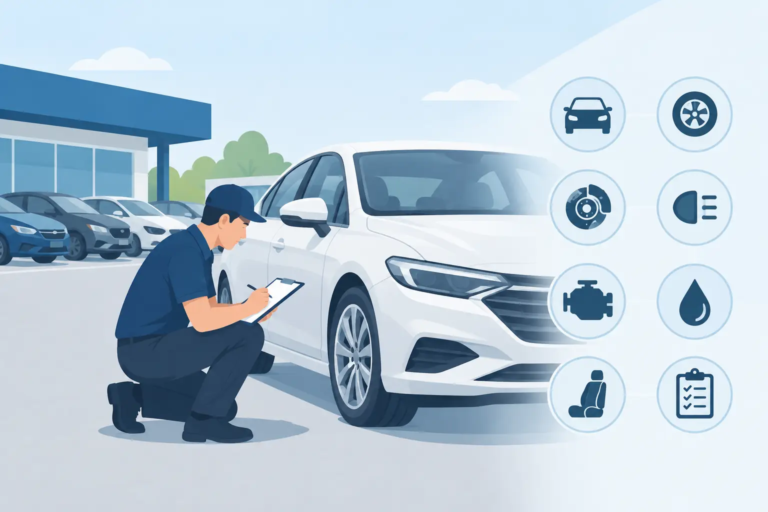

A chipped windshield can take a truck, school bus, or rental vehicle out of service at exactly the wrong time. Mobile fleet glass repair solutions give North Texas fleet managers a practical way to handle damage before a small chip becomes a costly replacement, a missed route, or an unnecessary vehicle swap.
For a working fleet, glass damage is not just cosmetic. Drivers need a clear view of the road, customers expect well-maintained vehicles, and managers need repairs handled without sending units across town or losing half a day to a shop appointment. The right mobile repair specialist comes to the vehicle, evaluates the damage honestly, and repairs what can be safely saved.
Why Fleet Glass Damage Needs a Faster Response
North Texas roads are hard on windshields. Highway debris, gravel, construction zones, temperature swings, and long daily mileage all create opportunities for chips and cracks. A rock strike that looks minor in the morning can spread after an afternoon in the Texas heat, especially when the vehicle hits bumps, runs the air conditioning, or is washed.
Waiting is expensive because damage rarely stays the same. Once a crack travels beyond a repairable area, replacement may be the only responsible option. Replacement can mean more expense, more scheduling, and more downtime for a vehicle that should be earning its keep.
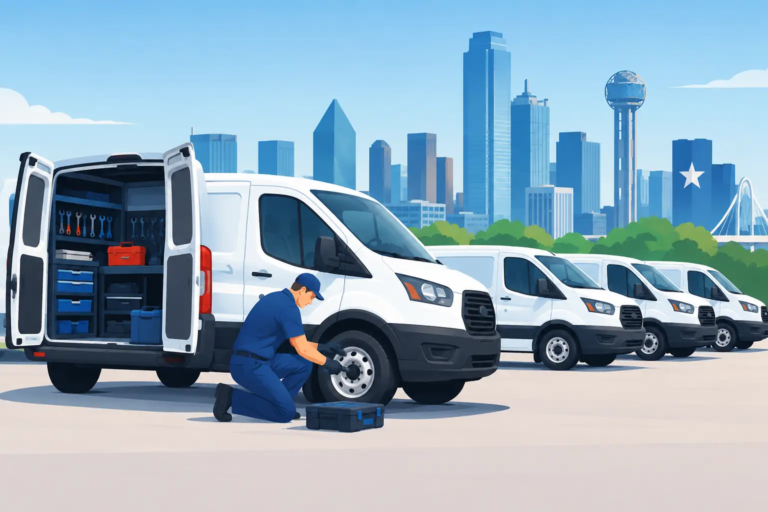
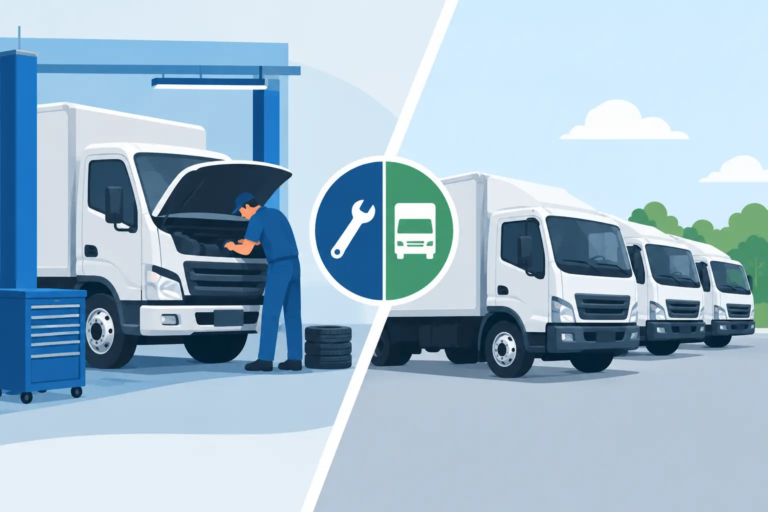
A mobile repair visit changes the equation. Instead of pulling a vehicle from a route and arranging transportation to a glass shop, the work can often be completed at your yard, office, job site, school district facility, or another approved location. Your team stays focused on operations while the repair is handled where the vehicle already sits.
What Mobile Fleet Glass Repair Solutions Can Address
Windshield chip repair is the most common fleet need, but fleets often have other vehicle appearance and visibility issues that deserve attention. A specialist repair provider looks beyond the default answer of replacement and assesses whether the existing component can be restored.
Windshield chips and short cracks
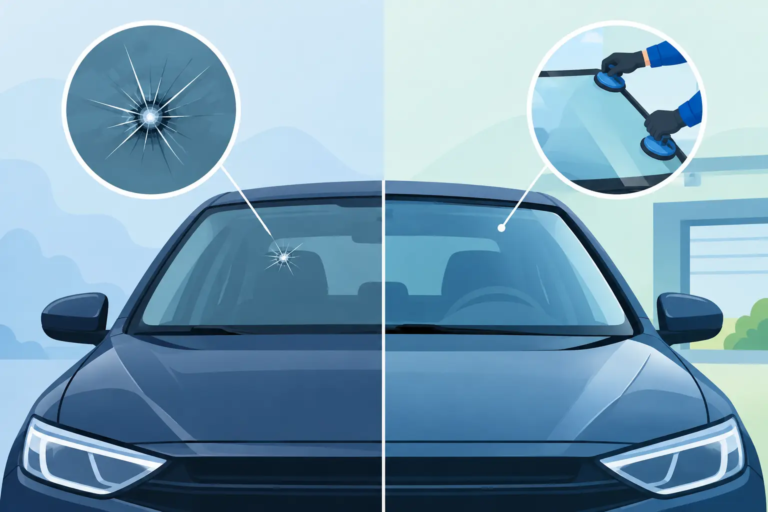
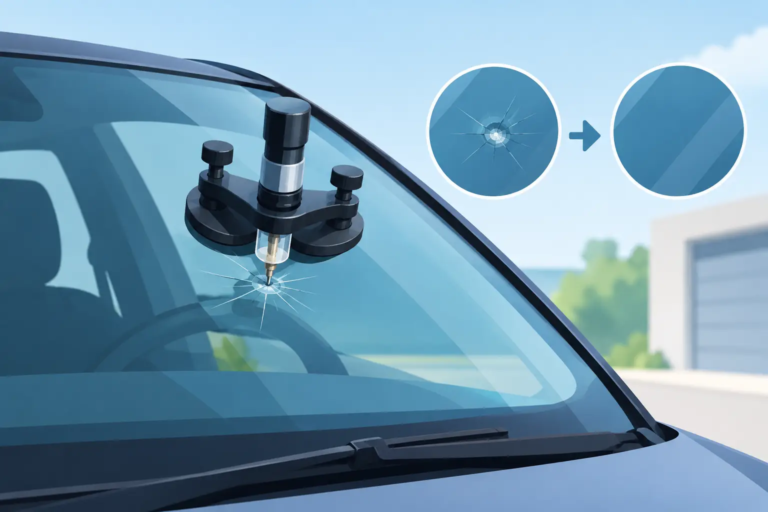
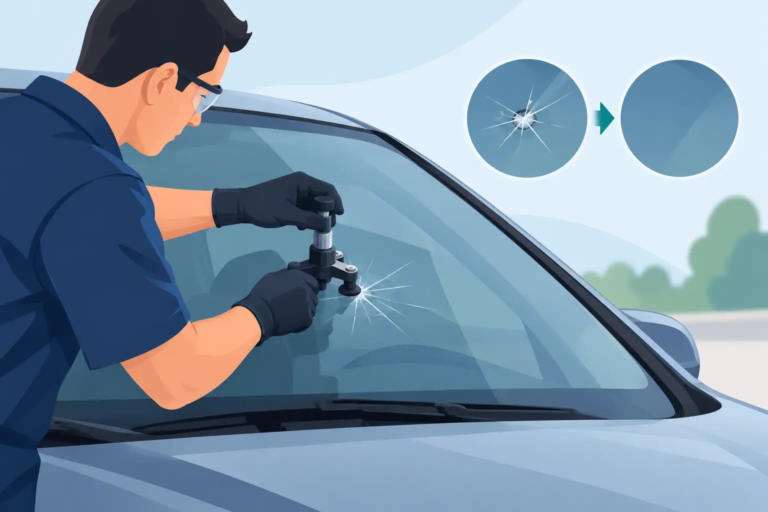
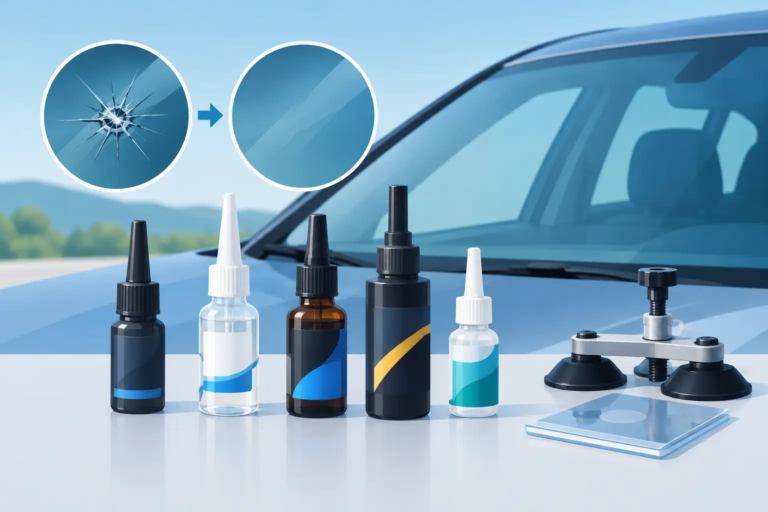
Many rock chips, bull’s-eyes, stars, combination breaks, and short cracks can be repaired when addressed promptly. The repair process is designed to stabilize the damaged area, improve its appearance, and reduce the chance of spreading. A repaired chip may not disappear completely, but the goal is a strong, clear result that helps preserve the original windshield.
Repairability depends on the size, depth, location, and condition of the damage. A crack in the driver’s primary viewing area, damage at the edge of the glass, contamination inside the break, or a long spreading crack may require replacement instead. A professional should make that call based on safety, not on a promise that every windshield can be saved.
Headlight restoration for working vehicles
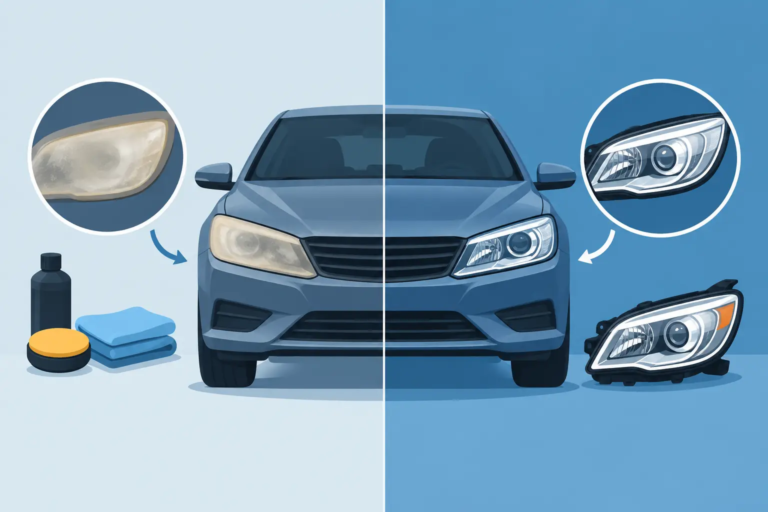
Cloudy headlights make a fleet look neglected and can reduce nighttime visibility. This matters for service vehicles, rental cars, delivery units, buses, and trucks that operate early, late, or through bad weather. Restoration can improve lens clarity without automatically replacing the entire headlight assembly.
For fleet managers, restoring serviceable headlights is often a sensible cost-control decision. It also supports a cleaner, more professional appearance across vehicles that carry your company name through Denton, Plano, Frisco, McKinney, Lewisville, Carrollton, and surrounding communities.
Scratch removal and surface restoration
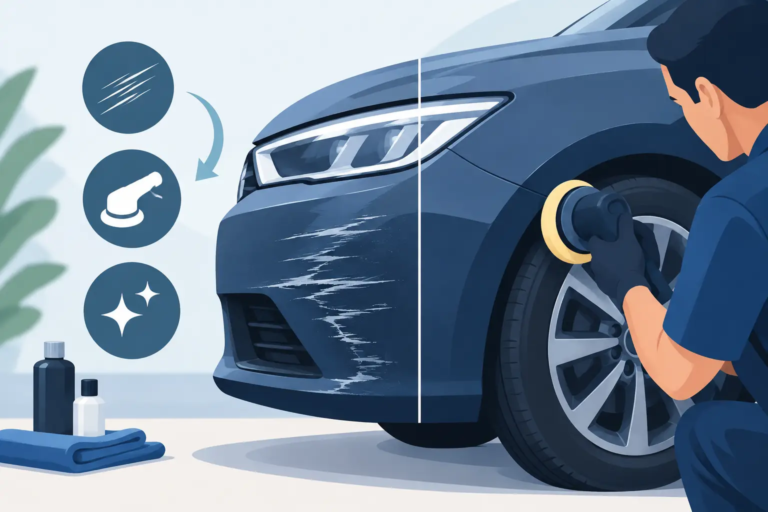
Light surface scratches and scuffs can make rental vehicles, sales vehicles, and company cars look older than they are. Not every scratch can be removed, particularly if it has cut deeply through the finish. But when restoration is possible, repair can be a more efficient alternative to replacing parts or sending a vehicle to a body shop for minor cosmetic damage.
The Business Case for Repair Before Replacement
Fleet maintenance decisions come down to safety, uptime, cost, and consistency. Glass repair supports all four when the damage qualifies.
First, repair typically costs less than replacing an entire windshield or component. That difference adds up when you manage a group of vehicles rather than one personal car. Second, repairing existing glass can often keep a vehicle available the same day, instead of waiting on a replacement part, calibration requirements, or a longer appointment window.
There is also a quality-control benefit. A fleet manager who addresses small damage promptly avoids the cycle of letting chips spread across multiple vehicles, then dealing with urgent replacements all at once. A simple reporting process for drivers can turn windshield care into a predictable maintenance item instead of a recurring emergency.
That does not mean repair is always the right answer. Fleet safety standards, insurance requirements, vehicle age, windshield technology, and the damage location all matter. The value of a specialist is straightforward: you get an informed recommendation on whether repair is appropriate, rather than being pushed automatically toward replacement.
How to Build a Practical Fleet Glass Response Plan
The best fleet programs make glass damage easy to report and quick to inspect. Drivers do not need to diagnose a chip. They simply need to flag it before dirt, water, and time make it worse.
Start by asking drivers to report any new windshield impact as soon as it occurs. A clear photo, the vehicle number, and the damage location are usually enough to begin an assessment. Encourage drivers not to poke at the break, pressure wash it, or apply improvised materials that may trap moisture or debris.
Next, choose a location where mobile service can work safely and efficiently. A fleet yard is ideal, but workplace parking areas, customer locations, and home-based vehicle locations may also be workable. The vehicle should be accessible, and weather conditions may affect when certain repairs can be completed.
Finally, track the work. Keep a record of the vehicle, date, type of damage, repair outcome, and any recommendation for replacement. Over time, this gives managers a clearer picture of where damage happens most often and which units may need closer attention.
What Fleet Managers Should Expect From a Mobile Specialist
Convenience should never mean guesswork. A dependable provider should communicate clearly, arrive prepared, inspect the damage before promising a result, and explain the options in plain language. The technician should also respect the realities of a fleet operation: vehicles have schedules, drivers have assignments, and a delayed unit can affect much more than one appointment.
Look for a repair-first approach backed by real confidence in the workmanship. SuperGlass Denton focuses on restoring existing vehicle components whenever practical, including windshield repair, headlight restoration, and scratch removal. That specialist mindset matters because it keeps the conversation centered on the most cost-effective safe option, not the most expensive default.
For qualifying windshield repairs, a strong guarantee adds another layer of confidence. It tells fleet managers that the provider stands behind the repair and is invested in a lasting result, not a quick transaction.
When Replacement Is the Better Call
A trustworthy repair provider should be willing to say no when a windshield cannot be safely repaired. Large cracks, damage that reaches the glass edge, breaks directly in a critical viewing area, and severely contaminated chips can all change the recommendation. Vehicles with advanced driver-assistance systems may also require additional replacement and calibration considerations when a windshield is beyond repair.
The goal is not to force every job into a repair. The goal is to avoid replacing glass that can still be restored safely and professionally. That distinction protects your budget without cutting corners on driver visibility or vehicle safety.
A fleet vehicle with a fresh chip is one of the easiest maintenance problems to solve, but only when someone acts before the damage spreads. Make reporting simple, schedule mobile service early, and let a repair specialist determine whether the original glass can stay in service. Your drivers get a clearer view, your vehicles keep moving, and your maintenance budget has fewer unpleasant surprises.