
A windshield chip on one service truck can become a missed appointment, a safety concern, or an avoidable replacement bill. This fleet vehicle glass care guide is built for North Texas fleet managers who need vehicles on the road, drivers able to see clearly, and repair decisions made before minor damage spreads.
For a fleet, auto glass is not a cosmetic afterthought. It is part of the vehicle’s safety system and daily operating readiness. A small chip may look harmless in the morning, then expand after a hot afternoon in Denton, a cold blast from the air conditioner, or one rough stretch of road. Catching damage early is how fleets protect schedules and control costs.
Start With a Simple Glass Inspection Routine
The most effective fleet glass program is not complicated. It is consistent. Drivers should look over the windshield, side windows, mirrors, and rear glass during their regular pre-trip or walk-around inspection. The goal is not to turn drivers into glass technicians. It is to give them a clear standard for reporting damage before it becomes disruptive.
Ask drivers to report fresh chips, cracks, deep scratches, cloudiness, loose moldings, damaged wiper blades, and any obstruction in their normal view of the road. A quick photo with the vehicle number and location can help a manager assess the issue and schedule service without waiting for the vehicle to return to the yard.
Windshield condition deserves special attention. Damage near the driver’s primary viewing area, damage that reaches an edge, or a crack that is actively growing needs prompt professional evaluation. Fleet vehicles often cover more miles than personal vehicles, so vibration, road debris, temperature swings, and frequent door closures can accelerate a problem that might otherwise stay small.
Make Reporting Easy, Not Optional
Drivers are more likely to report glass damage when the process takes less than a minute. Give them one point of contact, whether that is a fleet supervisor, dispatch email, or designated phone number. Set the expectation that reporting a chip is preventive maintenance, not a complaint and not a reason to take a vehicle out of service automatically.
The right response depends on the location and severity of the damage. A small, recent chip may be repairable. Waiting until it becomes a long crack can leave replacement as the only practical option. That is the cost difference fleet managers can often avoid.
Protect Windshields From Daily Wear
No fleet can eliminate road debris, but daily habits can reduce the damage that turns clear glass into a safety issue. Following distance matters more than many drivers realize. Trucks, construction vehicles, and vehicles traveling on loose aggregate roads can throw rocks without warning. Keeping more space ahead gives drivers time to avoid debris and reduces the impact risk.
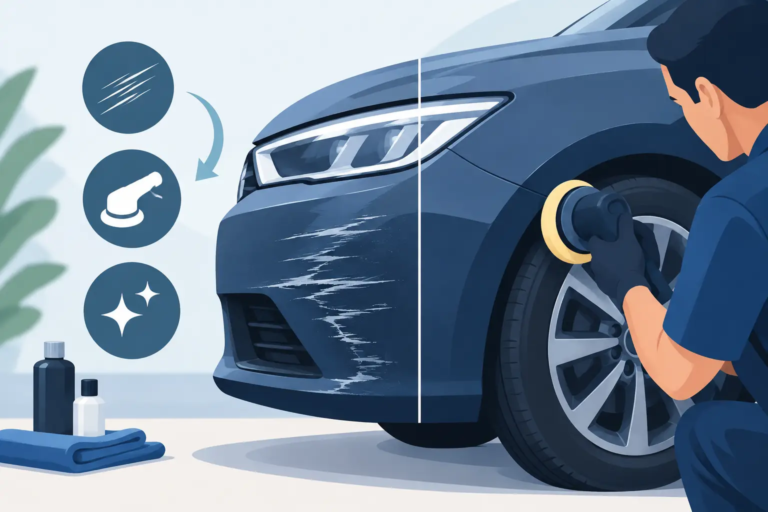
Clean glass correctly, too. Dirty windshields create glare, hide small chips, and cause wiper blades to drag abrasive grit across the surface. Use clean microfiber towels and automotive glass cleaner. Avoid wiping dry dust or mud off the windshield with a paper towel, shirt, or dirty shop rag. That shortcut can leave fine scratches that become very visible when driving into the sun.
Wipers should be treated as a maintenance item, not an accessory. Blades that chatter, streak, split, or leave a hazy film can reduce visibility and scratch glass. North Texas heat is especially hard on rubber. Replacing worn blades before they fail costs far less than dealing with damaged glass and reduced visibility during a storm.
Parked vehicles need some attention as well. Whenever practical, use covered parking or position vehicles to limit prolonged direct sun. Extreme heat does not create every crack, but it can worsen existing damage by stressing the glass. Drivers should also avoid blasting ice-cold air directly onto a windshield that has been sitting in intense heat. A gradual cabin temperature change is easier on damaged glass.
What to Do When a Chip or Crack Appears
A chip should be handled as soon as possible, especially on a high-mileage truck, shuttle, school bus, or rental vehicle. Keep the damaged area clean and dry. Do not pick at broken glass, apply glue, or attempt a do-it-yourself repair that may contaminate the break. Clear tape can temporarily keep dirt and moisture out if the vehicle must continue working until a repair appointment.
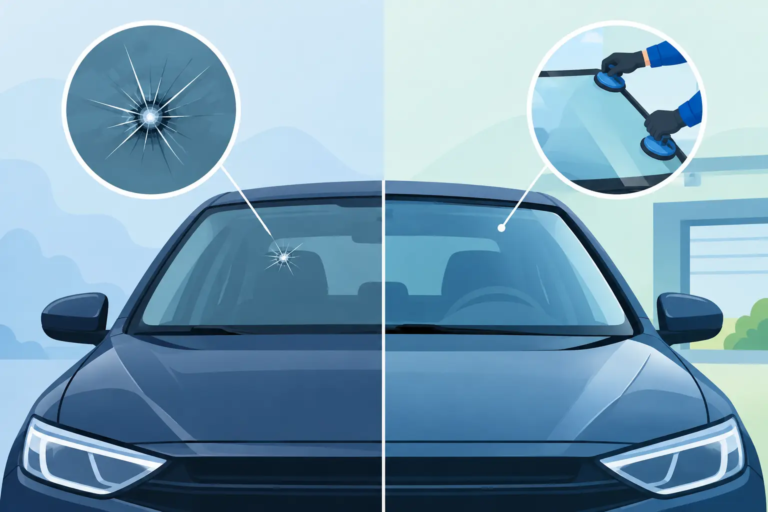
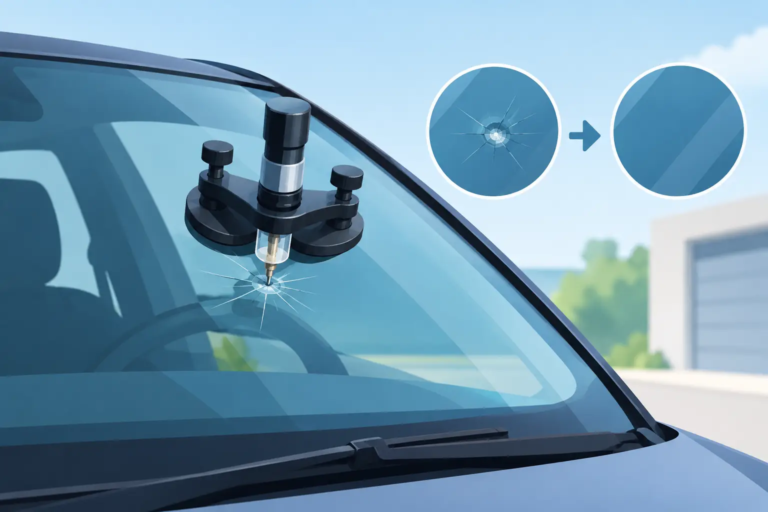
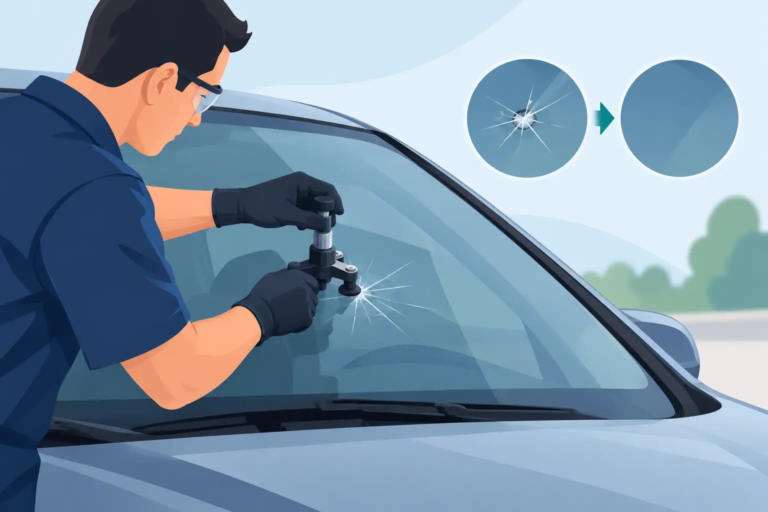
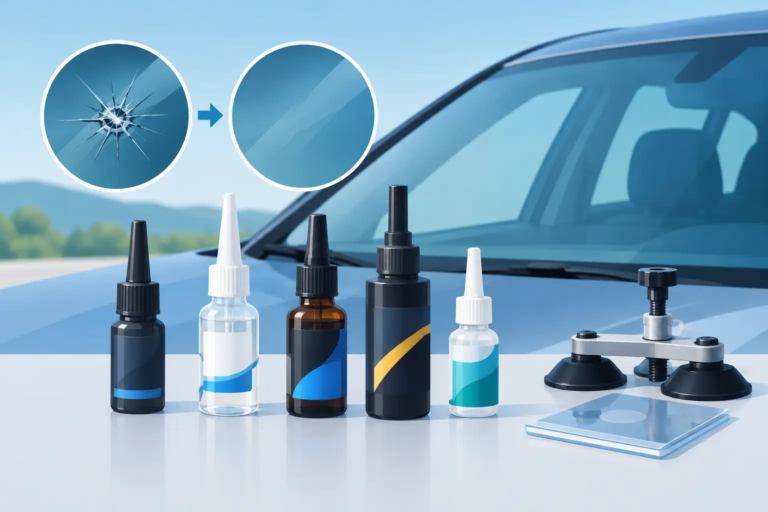
Then get a professional assessment. Repair is often the preferred outcome when the damage is limited, accessible, and has not spread too far. A quality windshield repair can restore structural integrity to the damaged area, improve appearance, and help prevent a small break from becoming a replacement job. The result will not always make every mark disappear completely, but the objective is to stop the damage from spreading and keep the original windshield in service when it is safe to do so.
Replacement is sometimes necessary. Long cracks, edge damage, severe impact points, damage in a critical viewing area, or glass with multiple compromised sections may not be good repair candidates. Modern vehicles can also have cameras and advanced driver-assistance equipment connected to the windshield, which makes correct replacement and calibration considerations more significant. The right decision is based on the actual damage, vehicle type, and safety requirements, not simply the lowest upfront price.
Mobile Service Keeps Fleet Work Moving
Taking several vehicles to a shop can create scheduling problems, especially for a fleet with deliveries, route commitments, or customer appointments. Mobile repair allows the work to come to the vehicle at a yard, jobsite, office, or other approved location. That can reduce driver downtime and make it easier to address chips while they are still repairable.
For fleets in Denton and surrounding North Texas communities, SuperGlass Denton provides specialist mobile windshield repair with an emphasis on saving repairable glass from unnecessary replacement. That approach is particularly valuable when a manager needs a practical answer quickly, not a one-size-fits-all replacement recommendation.
Include Side Windows, Rear Glass, and Headlights
Fleet glass care should extend beyond the windshield. Side windows and rear glass can be scratched by improper cleaning, damaged by break-ins, or affected by failing window regulators and seals. Drivers should report windows that move slowly, make grinding sounds, leak water, or will not fully close. A window that cannot seal properly can expose the vehicle interior to weather and create a security problem overnight.
Mirrors also deserve routine checks. A cracked mirror housing, loose mirror, or heavily scratched reflective surface can affect a driver’s ability to see traffic, pedestrians, and loading areas. For trucks and vans making frequent stops, mirror visibility is a daily safety issue.
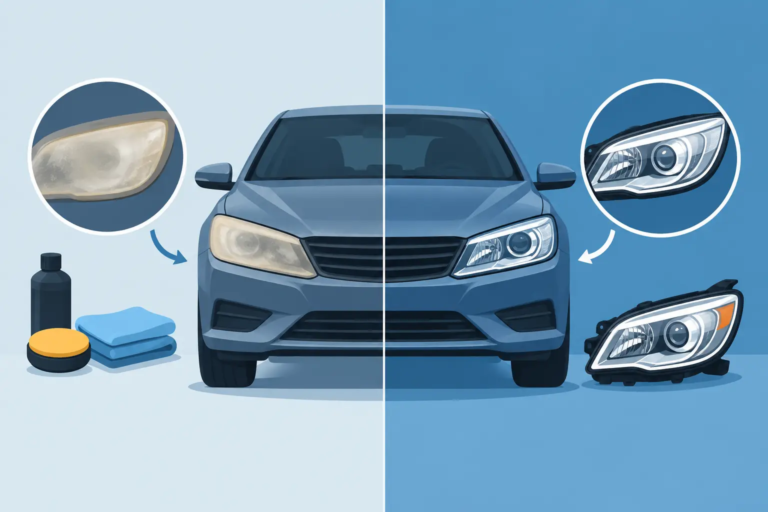
Headlight lenses are not glass on many modern vehicles, but they belong in the same visibility conversation. Cloudy, yellowed headlights reduce light output and make a fleet look neglected. Restoration can often improve clarity without replacing the full headlight assembly. For vehicles operating early mornings, late evenings, or during North Texas storms, that improvement can make a meaningful difference.
Track Damage Patterns Across the Fleet
One windshield repair is an event. Repeated repairs on the same vehicle type, route, or driver shift may point to a pattern worth addressing. Keep basic records: vehicle number, date, damage type, repair or replacement outcome, route area, and cost. After a few months, the data may show that a particular construction route produces more rock chips or that wiper replacement intervals need to be shorter.
This does not require complicated software. A shared spreadsheet or fleet maintenance log is enough to spot recurring issues. The purpose is to make better decisions, such as changing a parking area, revising a route where possible, improving driver following-distance coaching, or scheduling preventive wiper checks before the rainy season.
A clear policy also helps managers avoid inconsistent decisions. Define who approves glass work, what damage must be reported immediately, when a vehicle should be temporarily removed from service, and how drivers should protect a chip until it can be inspected. Consistency keeps small problems from getting lost between dispatch, maintenance, and drivers.
Build Glass Care Into Normal Fleet Maintenance
The best time to address vehicle glass is before anyone is forced to rearrange a route around it. Add glass checks to oil changes, tire service, safety inspections, and seasonal maintenance. Review wiper condition, washer fluid performance, windshield chips, window operation, mirror stability, and headlight clarity at the same time.
A fleet that reports damage early, cleans glass properly, and gets qualified repair advice quickly will usually spend less time dealing with avoidable replacement and downtime. Keep the standard simple: clear vision, prompt reporting, and professional repair when the damage can still be saved.