A windshield can look fine in the shade and become a safety problem the moment the Texas sun hits it. Wiper arcs, road grit, and a cloudy patch can scatter light directly into your line of sight. In the choice between glass polishing vs scratch filler, the right answer depends on the type of damage, its depth, and where it sits on the glass. Using the wrong method can leave the mark visible, create optical distortion, or delay a repair that should be handled by a specialist.
Glass Polishing vs Scratch Filler: The Real Difference
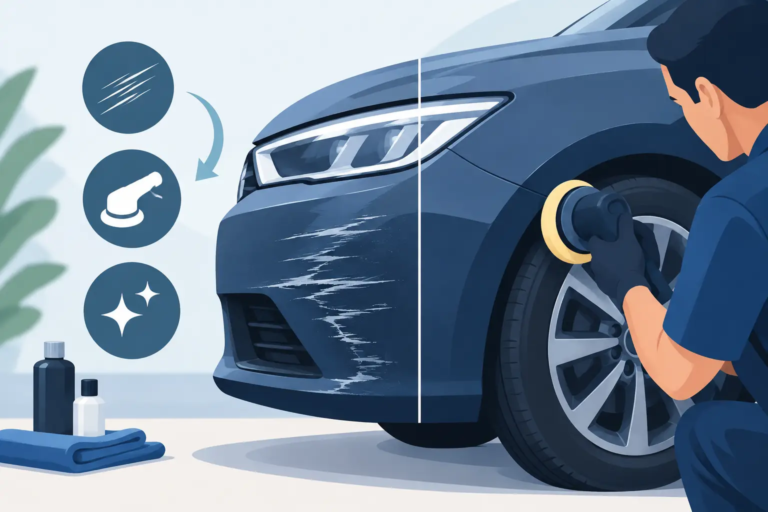
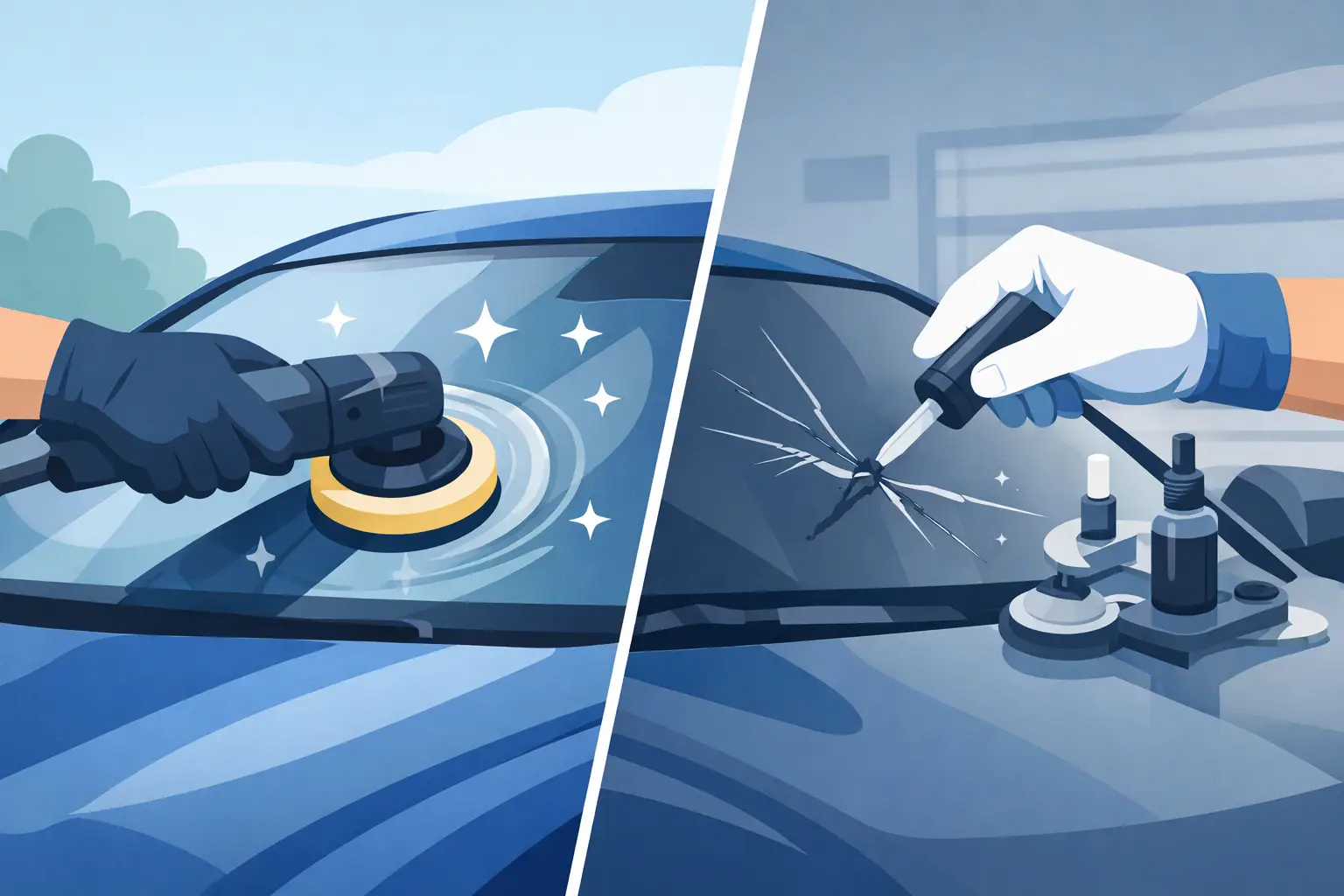
Glass polishing works by carefully removing a tiny amount of glass from the surface around a shallow scratch or etched area. A trained technician uses the proper polishing compound, equipment, pressure, and timing to reduce the appearance of surface-level damage without compromising visibility. It is most often considered for light scratches, mineral deposits, wiper haze, and surface marks.
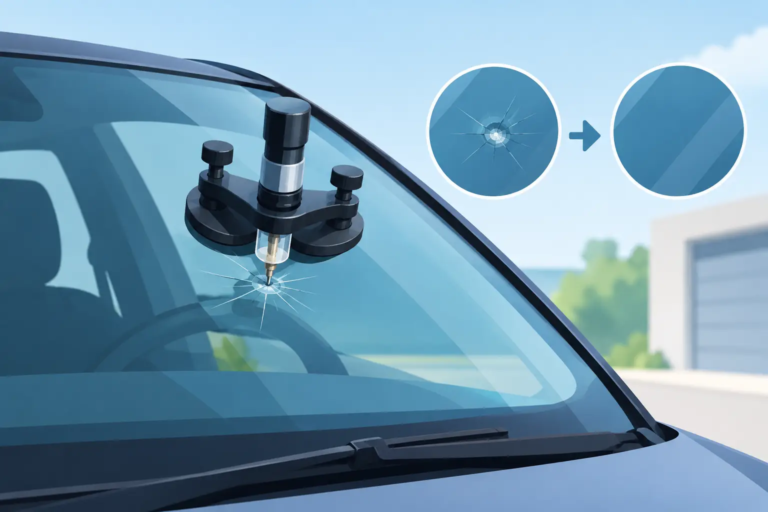
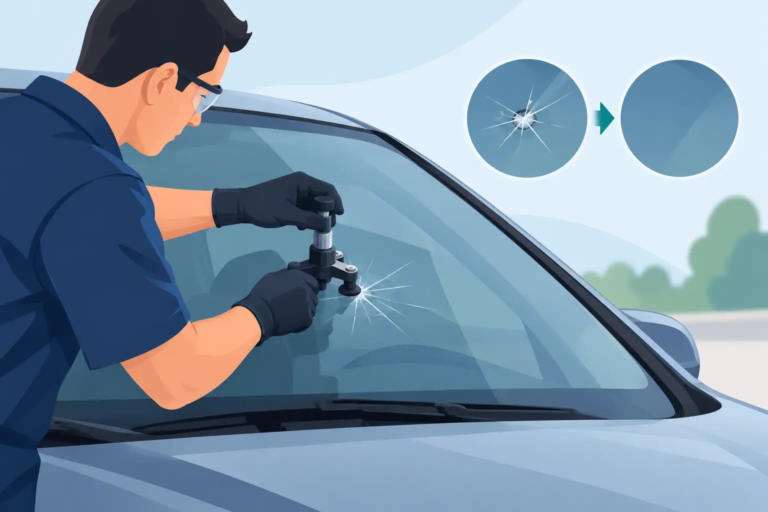
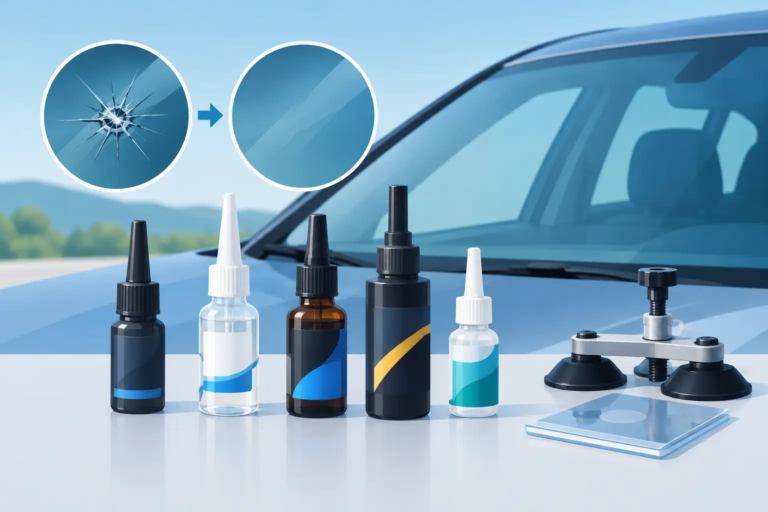
Scratch filler is a broad term, and that is where many vehicle owners get confused. Some products marketed as scratch fillers are made for painted body panels, not automotive glass. They may temporarily mask an appearance issue, but they do not repair windshield glass. For a windshield chip or crack, the appropriate filler is usually a professional-grade repair resin. The resin is injected into the damaged area, cured, and designed to stabilize the glass while making the damage less noticeable.
In simple terms, polishing addresses damage on the glass surface. Repair resin addresses a break in the glass, such as a chip, bullseye, star break, or short crack. They solve different problems.
When Glass Polishing Can Be the Better Choice
Polishing may be appropriate when the damage is shallow enough that it has not significantly cut into the glass. Common examples include fine wiper scratches, light scuffs from abrasive debris, marks left by hard-water deposits, or mild haze that has developed over time.
The key word is shallow. If you can clearly catch a fingernail in a scratch, it may be too deep for safe polishing. Attempting to remove a deep scratch means removing more surrounding glass. On a windshield, excessive polishing can create a low spot or lens effect that bends light and distorts the driver’s view. A scratch that looks better in the driveway can become more distracting at night or during a rainy commute.
That is why windshield polishing is not a one-size-fits-all cosmetic service. The location matters as much as the scratch itself. A minor mark near the edge of the windshield may be less concerning than one directly in the driver’s primary viewing area. A professional inspection should consider depth, length, glass condition, and how the repair will look from behind the wheel, not just from outside the vehicle.
Side and rear glass can have different considerations as well. Tempered side glass behaves differently from laminated windshield glass, and damage that appears minor may not be repairable in the same way. An experienced auto glass specialist can identify what you are dealing with before anyone starts rubbing compounds into the surface.
When a Scratch Filler or Repair Resin Makes Sense
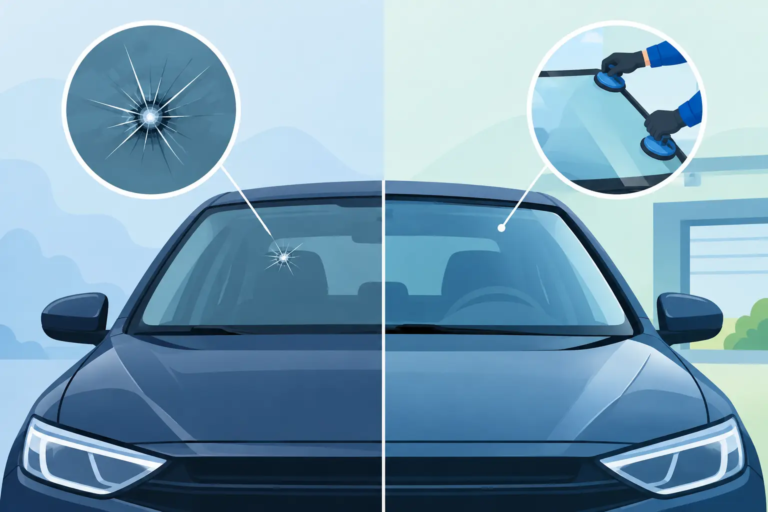
If your windshield has a chip, star break, bullseye, combination break, or short crack, professional resin repair is often the right path. This is not a cosmetic coating applied over the top. The repair process is designed to fill the damaged area, restore some structural integrity, and prevent contamination and moisture from making the break worse.
A successful windshield repair can save you from the expense and downtime of replacement. It can also help stop a small chip from spreading across the glass after a rough road, a sudden temperature change, or a hot North Texas afternoon followed by a cool night.
However, resin repair has limits. Dirt, water, old damage, long cracks, damage at the windshield edge, and damage in the driver’s direct line of vision can all affect whether repair is advisable. Advanced driver-assistance systems also raise the stakes. If a windshield must be replaced on a vehicle with a camera or sensor system, calibration may be required afterward. Saving repairable glass is valuable, but only when the repair is safe and suitable for the vehicle.
A quality repair should improve the appearance of the break, but it may not make it disappear completely. Think of resin repair as preservation first and appearance improvement second. A faint blemish is often a good trade for a stable windshield that does not need to be replaced.
Why DIY Products Often Fall Short
Store-bought scratch kits can be tempting, especially when a light scratch or chip is catching the sun every morning. The issue is not that every kit is useless. The issue is that a vehicle owner usually cannot tell whether the damage is actually surface-level, whether it has trapped contamination, or how much correction is safe.
Polishing glass requires more than effort. Too much heat, pressure, or time in one area can create distortion. Too little correction may simply leave the scratch unchanged. On windshield glass, a poor result is more than a cosmetic annoyance. It can affect visibility when headlights, streetlights, or sunlight hit the repaired area.
DIY chip fillers have their own limitations. If moisture or debris is already inside the break, a consumer kit may seal that contamination in place. A chip can also spread while someone is trying to prepare it. For busy drivers, families, and fleet operators, a professional mobile repair is often the faster choice because it avoids rework and helps protect the glass before the damage grows.
The Damage That Neither Method Should Handle
Some windshield damage calls for replacement, not polishing or filling. Long spreading cracks, damage that reaches the windshield edge, extensive pitting, severe delamination, or damage that obstructs the driver’s view may put the vehicle beyond a safe repair.
The same is true when the windshield is badly compromised by impact. A windshield supports the roof structure in a rollover and helps the passenger-side airbag deploy correctly. Saving existing glass is usually the best value, but it should never come at the expense of safety.
A trustworthy specialist will tell you when repair is not the right recommendation. That honesty matters. The goal is not to sell the biggest service. It is to get the safest, most cost-effective result for your vehicle.
What to Do Before Your Appointment
If you have a fresh chip or crack, keep it clean and dry. Avoid washing the vehicle, spraying glass cleaner directly into the break, or pressing on the damaged area. A small piece of clear tape placed over a chip can help keep out dirt until it is inspected, provided the glass is dry when you apply it.
For scratches and haze, take note of when you see the problem most clearly. Does it show up in direct sunlight, at night under headlights, or only when the windshield is wet? That information helps a technician understand whether the issue is likely a surface condition, a wiper-related scratch pattern, or damage that needs a different solution.
Fleet managers should also watch for repeat damage patterns. If several trucks or buses show the same wiper arcs or haze, the source may be worn wiper blades, contaminated washer fluid, poor cleaning practices, or road conditions. Repairing the glass is useful, but correcting the cause protects the rest of the fleet.
Get the Right Repair, Not a Temporary Cover-Up
The best answer is rarely found on a bottle labeled “scratch filler.” Shallow surface damage may respond to careful glass polishing. Chips and small cracks may be candidates for professional resin repair. Deep scratches, severe cracks, and safety-sensitive damage may require a different recommendation altogether.
For drivers throughout Denton and surrounding North Texas communities, SuperGlass Denton brings specialist inspection and mobile service to the location that works for you. A clear assessment can save a repairable windshield, reduce downtime, and keep a small problem from becoming tomorrow’s replacement job.