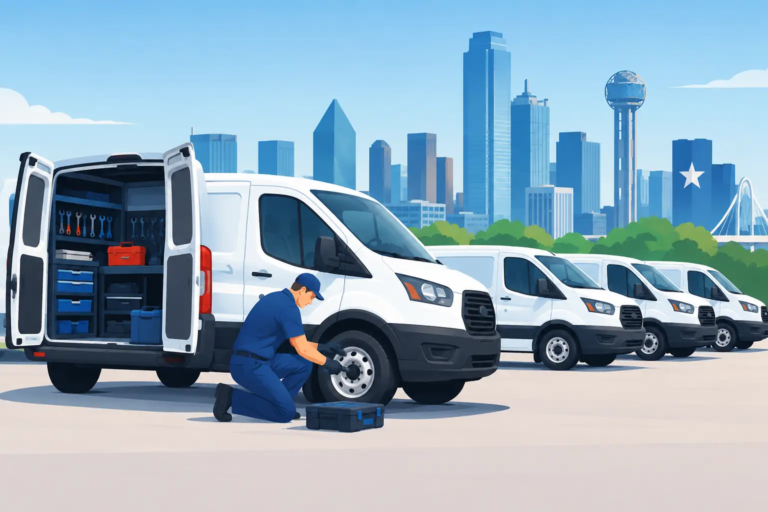
A delivery van with a fresh rock chip does not have the luxury of sitting in a glass shop for half a day. It has stops to make, customers waiting, and a driver who needs a clear view of North Texas roads. The right delivery van windshield repair results can keep that vehicle in service, improve visibility, and prevent a small impact point from becoming a costly windshield replacement.
For fleet operators, the goal is not to make every chip disappear without a trace. The goal is to restore structural integrity, improve the driver’s line of sight, and stop damage from spreading. When the damage is repairable and the work is done by a true specialist, those results can be impressive.
What Good Delivery Van Windshield Repair Results Look Like
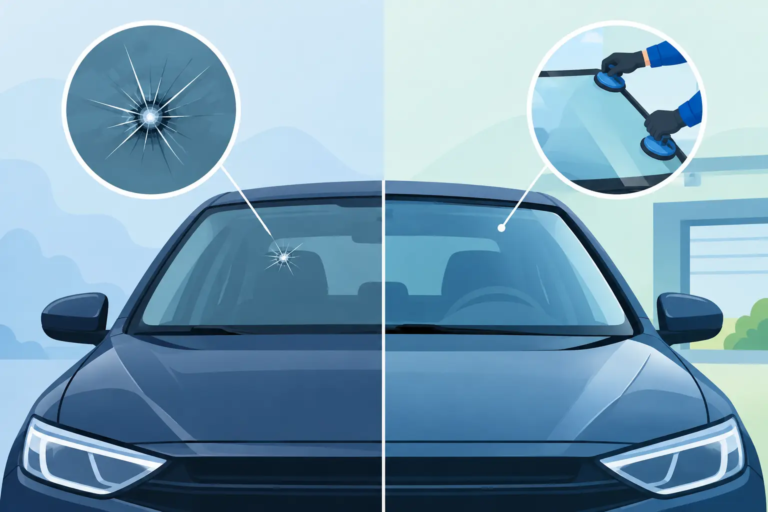
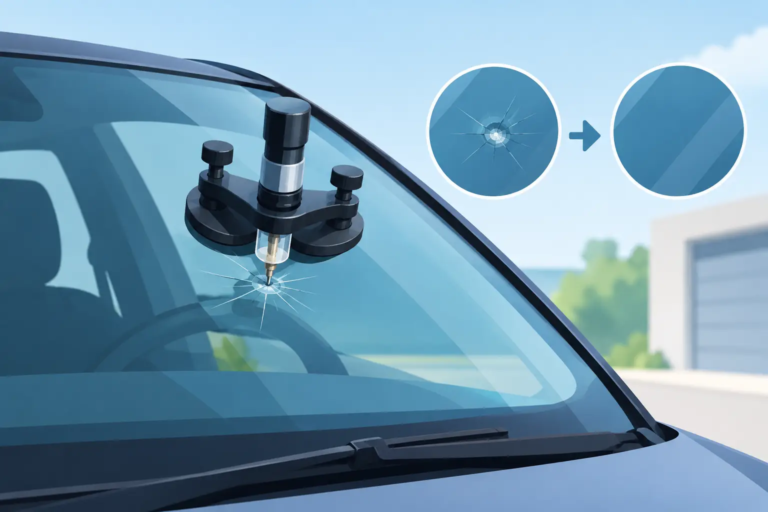
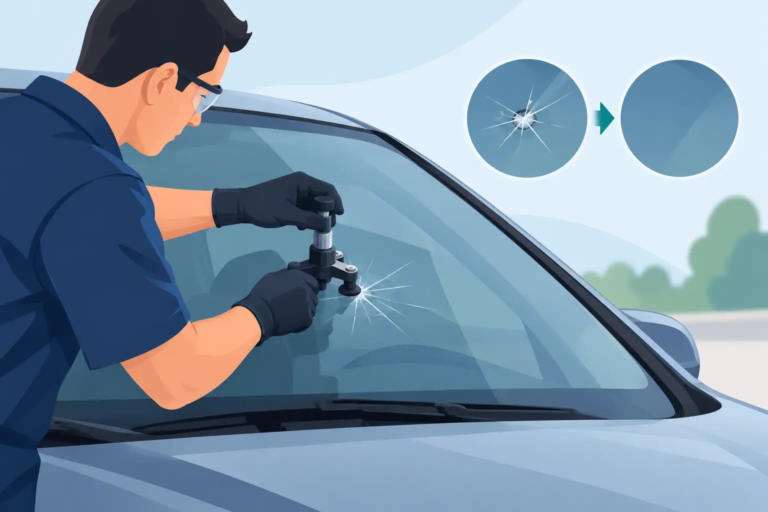
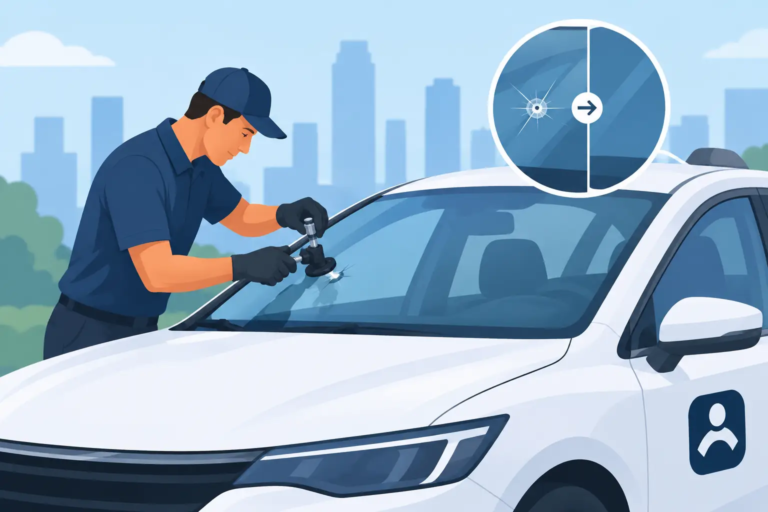
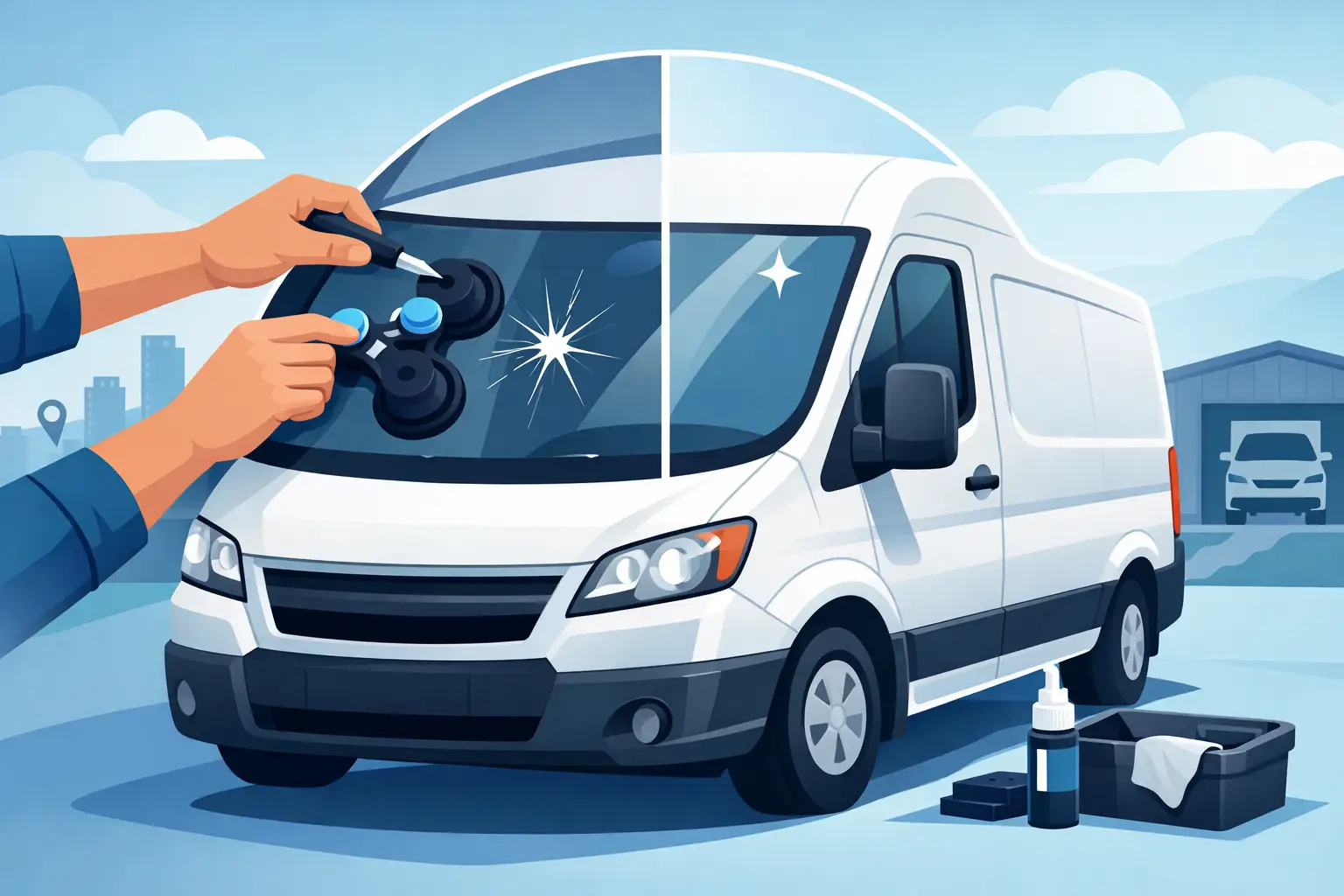
A properly repaired windshield should be stable, safer, and noticeably less visible than before. The repair resin fills the damaged area and bonds the glass layers together, helping stop cracks from traveling across the windshield. Most chips look lighter after repair, and many become difficult to notice from the driver’s normal seating position.
Appearance varies by the type of impact. A clean bull’s-eye chip can often improve dramatically. Star breaks and combination breaks may leave a faint outline, especially in direct sunlight. That does not mean the repair failed. The main measure of success is whether the damage has been sealed and stabilized before it can spread.
For a delivery van, that distinction matters. A small cosmetic mark is usually far more manageable than an expanding crack that takes the van out of rotation for windshield replacement. Repair is about preserving a serviceable windshield whenever it is safe and practical to do so.
Clearer Vision Where It Counts
Drivers spend hours looking through the same section of glass. A chip near the steering wheel, a crack creeping upward from the lower windshield, or a damaged area that catches sunlight can become a real distraction on routes through Denton, Plano, Frisco, McKinney, Lewisville, and Carrollton.
A quality repair improves clarity by removing air from the break and replacing it with cured resin. It will not turn severely damaged glass into brand-new glass, but it can reduce the visual distraction substantially. If damage sits directly in the driver’s critical viewing area, a specialist should assess it carefully. In some cases, replacement remains the better call, particularly when visibility cannot be restored to an acceptable level.
A Repair That Holds Up on the Road
Delivery vans deal with more vibration, more highway miles, more temperature swings, and more door slams than many personal vehicles. That daily use is exactly why a chip should be repaired early. Heat can expand damaged glass. Cold weather can contract it. A pothole, rough loading area, or hard bump can give an untreated chip the push it needs to crack.
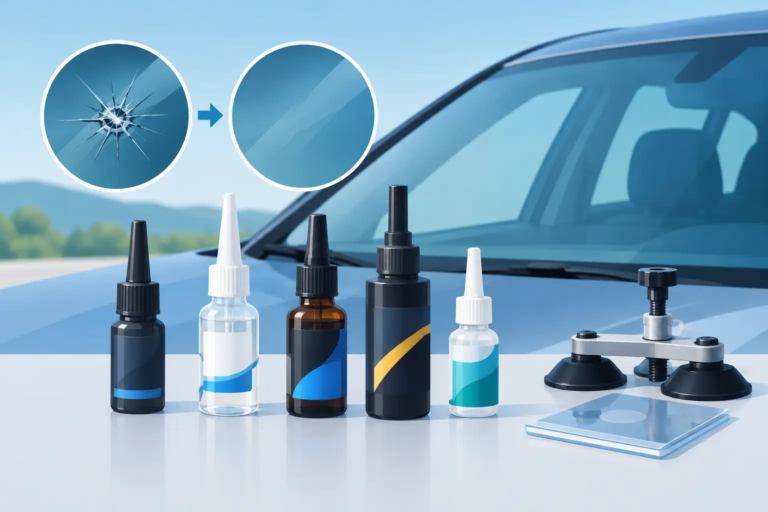
Professional repair addresses the break before those stresses take over. The resin is injected into the damaged channels, then cured to reinforce the area. A repair performed correctly is designed to last, not merely look better for a week. SuperGlass Denton backs qualifying windshield repairs with a lifetime repair guarantee or money back, giving vehicle owners and fleet managers confidence in the decision to repair.
Why Timing Changes the Result
The best repair results usually come from the newest damage. A chip that is repaired soon after impact is generally cleaner, drier, and easier to stabilize. Once dirt, water, washer fluid, and road grime settle into the break, they can affect how clear the finished repair appears.
Waiting also gives the damage more time to spread. A chip may seem harmless on Monday and become a long crack after a few days of hot afternoon sun and highway driving. By then, the practical option may be windshield replacement rather than repair.
Fleet managers can avoid many of those preventable replacements by making windshield checks part of routine vehicle walkarounds. Drivers do not need to diagnose glass damage. They simply need a clear instruction: report chips and cracks as soon as they are noticed. Fast reporting gives a repair specialist the best chance to save the windshield.
Repair or Replacement? The Decision Is Not Always Obvious
Not every damaged windshield should be repaired. Deep damage, long cracks, broken glass at the edge of the windshield, and damage that compromises the driver’s view may require replacement. Modern vehicles can also have cameras and advanced driver-assistance systems behind the windshield, adding another consideration when replacement is necessary.
Still, replacement should not be the automatic answer to every chip. A repair specialist evaluates the size, depth, location, contamination, and pattern of the damage. That assessment is more valuable than a blanket rule because delivery vehicles vary widely, from compact cargo vans to high-roof commercial models and box trucks.
The trade-off is straightforward. Repair is typically faster and more affordable when damage qualifies, and it preserves the factory-installed windshield. Replacement is the right choice when safety, visibility, or the condition of the glass demands it. The best result is not always the least expensive option. It is the option that gets the van safely back on the road with the least unnecessary disruption.
Mobile Service Makes Better Fleet Results Possible
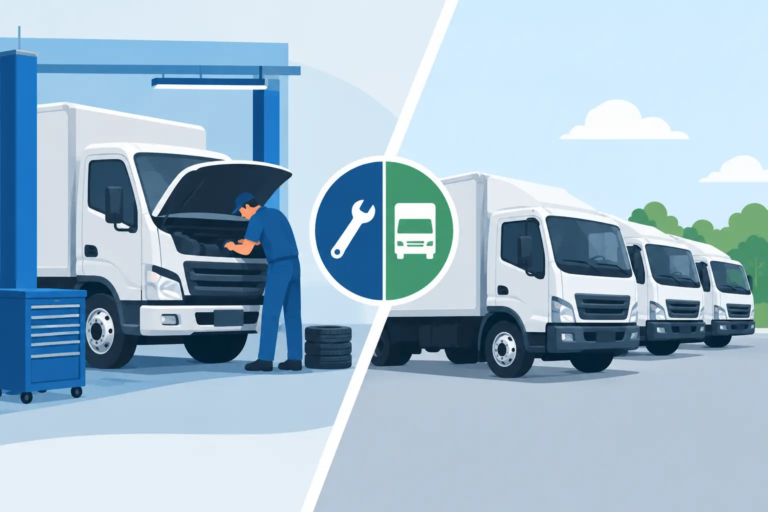
A delivery vehicle parked at a glass shop is not making deliveries. That is why mobile windshield repair has real operational value for local fleets. Instead of sending drivers across town and rearranging routes, service can be performed at a company yard, office parking lot, warehouse, or another agreed-upon location.
That convenience is more than a scheduling perk. It makes it easier to fix minor damage promptly, when repair is still possible. For a fleet with several vans, coordinated mobile appointments can reduce downtime and help maintenance teams keep glass issues from stacking up.
Reliable results also depend on the repair environment. A professional mobile technician will assess the weather, the condition of the glass, and the accessibility of the vehicle before beginning work. If conditions are not right for a quality repair, a good provider says so. Cutting corners to finish a job is not a win for the customer or the fleet.
What Drivers Should Do After a Rock Chip
The first few hours after windshield damage can make a difference. Drivers should avoid pressing on the damaged area, blasting it with high heat or cold air, and running the wipers over it if loose glass is present. If possible, keep moisture and dirt out of the chip until it can be inspected.
There is no need for drivers to guess whether a chip can be fixed. Their job is to report it quickly and provide a photo when company policy allows. That gives a fleet manager or service coordinator enough information to arrange an evaluation before the damage gets worse.
For individual owner-operators, the same advice applies. A delivery van is a work tool, and a clear windshield is part of operating it safely. Addressing a chip early is usually easier than rearranging a workday around a cracked windshield later.
The Result That Matters: Less Disruption
The most valuable delivery van windshield repair result is not simply a chip that looks better. It is a van that keeps moving with a safer, clearer, stabilized windshield and no avoidable replacement bill. For fleets, those small decisions add up across vehicles, routes, and busy delivery seasons.
If a chip or short crack has appeared on one of your vans, do not wait for the next hard bump or temperature swing to make the decision for you. Have it evaluated while repair is still on the table, and give that windshield its best chance to stay in service.