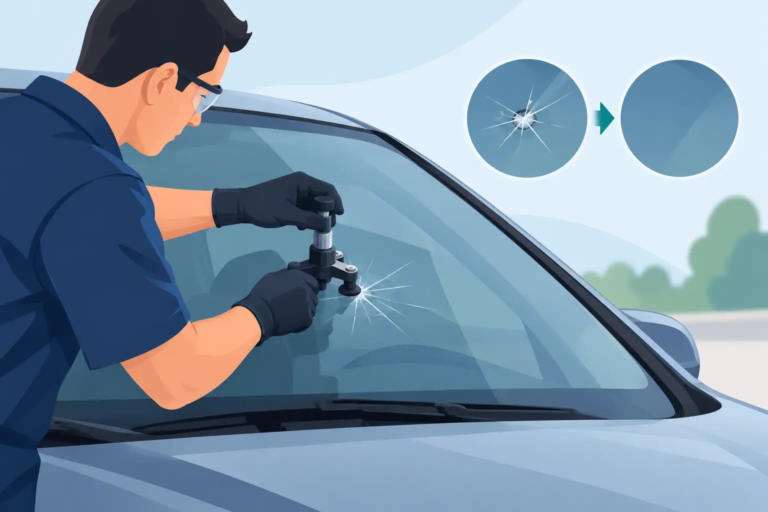

A rock chip on I-35 can look small at lunchtime and become a spreading crack by the end of a North Texas heat cycle. This windshield insurance guide explains what coverage may pay for, when filing a claim makes sense, and why a prompt repair can often save you from the cost and downtime of replacement.
Start With Your Coverage, Not the Crack
The answer to “Does insurance cover windshield damage?” is usually found in the part of your policy called comprehensive coverage. Comprehensive pays for damage not caused by a collision, such as road debris, hail, vandalism, falling branches, and animal strikes. Windshield chips and cracks from flying gravel commonly fall into this category.
Liability-only coverage generally does not pay to repair your own windshield. Collision coverage may apply if glass damage happened during an accident, but the deductible can make a separate claim impractical. Your policy documents or insurer can confirm what applies to your specific loss.
Texas drivers should also know that insurance companies are not required to offer a special zero-deductible glass option. Some policies include it, some offer it as an endorsement, and many apply the comprehensive deductible to glass claims. That difference matters. A $500 deductible will not help much with a repair that costs far less than the deductible, while a zero-deductible repair benefit may make the decision easy.
Windshield Insurance Guide: Repair vs. Replacement
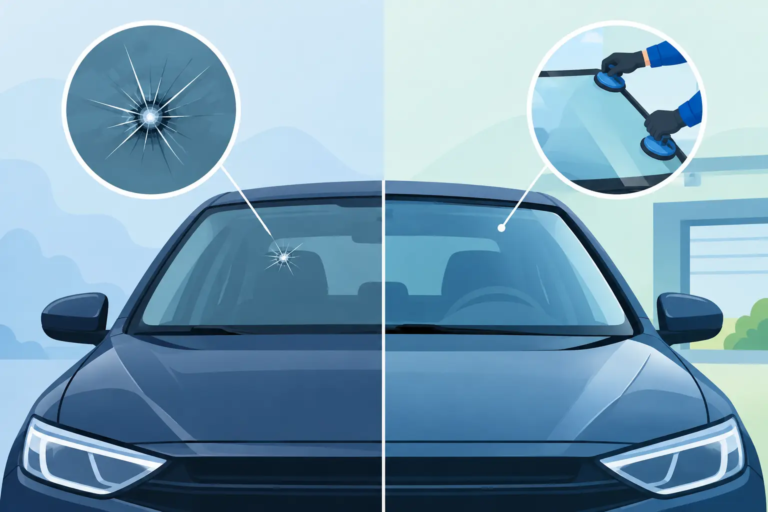
Insurers often prefer repair when a windshield can be safely repaired. It costs less than replacement, keeps the factory-installed glass in place, and gets a vehicle back on the road faster. For drivers and fleet managers, that can mean less disruption, fewer scheduling headaches, and no need to recalibrate driver-assistance equipment that may be affected by windshield replacement.
A professional inspection is still the right first step. A chip is not automatically repairable simply because it is small, and a crack is not automatically a replacement job because it is visible. The location, depth, age, contamination, and shape of the damage all matter.
Repair is often possible when the damage is limited, has not reached the windshield edge, and is outside the driver’s critical viewing area. Specialists also look for damage that has penetrated deeply through the glass or compromised the laminated layers. If those conditions are present, replacement may be the safer recommendation.
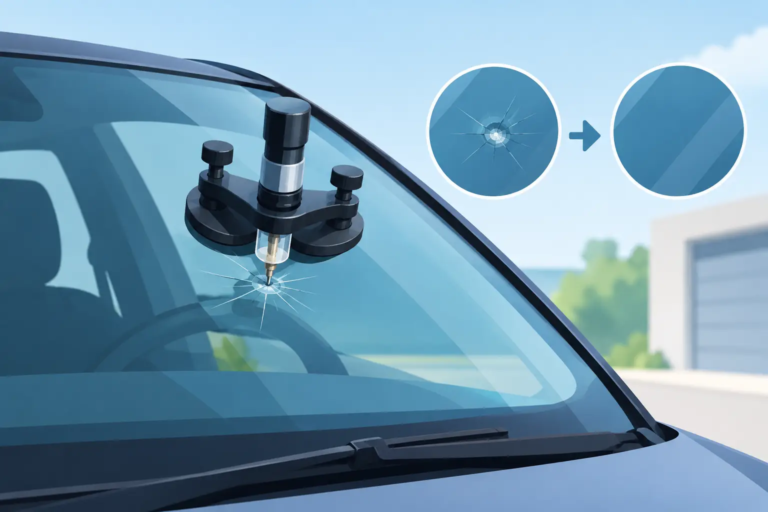
Do not judge the job by whether the repair disappears completely. A quality windshield repair restores structural integrity and helps stop the damage from spreading. The repaired area may still leave a faint cosmetic mark, particularly with older, dirty, or moisture-exposed damage. That is a fair trade when the alternative is replacing a windshield that could have been saved.
When It Makes Sense to File a Claim
Filing a glass claim is not always the best financial move. Start by comparing your deductible with the expected repair or replacement cost. If you have a $250 comprehensive deductible and the chip can be repaired for less than that, paying directly may be simpler. If your policy waives the deductible for repairs, using insurance may be the practical choice.
For a larger crack or a windshield that must be replaced, comprehensive coverage can provide meaningful value once your deductible is met. Ask the insurer whether they will pay for an original equipment manufacturer windshield, aftermarket glass, calibration if your vehicle needs it, and any related moldings or materials. The approved amount can vary by policy and vehicle.
A claim can also make sense for commercial vehicles. A school bus, truck, or rental vehicle sitting idle can cost more than the glass work itself. Fleet managers should consider the total operational cost: driver availability, safety inspections, scheduling, and the risk of damage spreading before service can be arranged.
Here are four questions worth asking before authorizing a claim:
- Does my comprehensive coverage apply to this type of glass damage?
- Is my deductible waived for windshield repair or replacement?
- Can the damage be repaired safely instead of replacing the windshield?
- Will the claim affect any discounts, renewal pricing, or claim history under my policy?
Your insurer should answer the coverage questions, while an experienced repair specialist can assess whether the windshield is a legitimate repair candidate. Those are separate decisions, and getting both answers prevents guesswork.
The Claims Process Should Be Straightforward
If you choose to use insurance, document the damage before it changes. Take clear photos from inside and outside the vehicle, note when and where it happened if you know, and avoid washing or scraping the damaged spot. A chip can collect dirt and moisture quickly, making a clean repair more difficult.
Then contact your insurance company or use its claim process. Be ready with your policy number, vehicle identification information, and a description of the damage. Ask whether the carrier has preferred glass vendors and whether you are allowed to choose your own repair provider. Insurance networks can make billing convenient, but you should still choose a qualified shop that will give you a clear assessment of repairability.
Do not let a claim representative, a parking-lot solicitor, or an online estimate make the technical decision without a proper inspection. The right repair provider should explain what they see, tell you if repair is realistic, and be honest when replacement is the safer route.
For Denton-area drivers, mobile service can make the process much easier. A repair performed at your home or workplace means you do not have to rearrange a workday just to address a chip before it grows. SuperGlass Denton specializes in mobile windshield repair and focuses first on preserving repairable glass rather than pushing unnecessary replacement.
What Can Make a Covered Repair Harder
Insurance coverage and repairability are not the same thing. Even if your policy covers glass, waiting can turn a simple repair into a replacement claim. Texas temperature swings, direct sun, potholes, door slams, and road vibration all place stress on damaged glass.
Keep the damaged area dry and clean until it can be inspected. If you have clear tape designed to protect a chip, placing it over the outside surface can help keep out water and debris. Do not press on the glass, pick at loose fragments, or try a do-it-yourself kit if you are unsure the damage is repairable. A failed DIY attempt can leave resin, dirt, or air in the break and limit professional results.
Damage near the windshield edge deserves quick attention. The edge is under more stress, so cracks there can spread rapidly. Damage directly in front of the driver may also be treated more cautiously because even a sound repair can leave a visual distortion in a critical sightline.
Protect Your Safety and Your Budget
A windshield does more than block wind and bugs. It contributes to the vehicle’s roof strength and supports proper airbag deployment in many vehicles. That is why the cheapest answer is not always the best answer, and why a professional should never promise to repair damage that truly requires replacement.
At the same time, replacement should not be the default for every chip or short crack. Repairing eligible damage early is often the most cost-effective decision for insurers, families, commuters, and fleets. It preserves the original windshield, avoids extra downtime, and reduces the chance that a small problem becomes an urgent one.
If you notice fresh glass damage, handle the insurance question soon, but do not let paperwork delay an inspection. A fast, honest assessment gives you the information you need to choose between direct payment, an insurance claim, repair, or replacement while the windshield still has the best chance of being saved.