
One cracked windshield on a personal car is an annoyance. Ten chipped windshields across a working fleet is a budget problem, a scheduling problem, and sometimes a safety problem. This fleet auto glass repair guide is built for fleet managers, operations teams, and business owners who need fast decisions, reliable repairs, and less downtime across trucks, vans, buses, and service vehicles.
If you manage vehicles in Denton or across North Texas, you already know the pattern. Highway miles, construction zones, temperature swings, and constant use mean glass damage is not a rare event. The real question is not whether your fleet will need service. It is whether you have a repair-first plan that keeps vehicles on the road and avoids unnecessary replacement costs.
Why a fleet auto glass repair guide should start with repair first
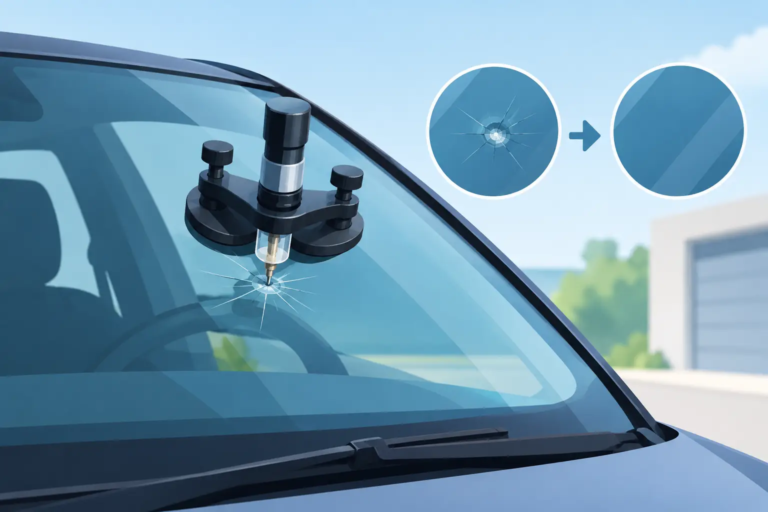
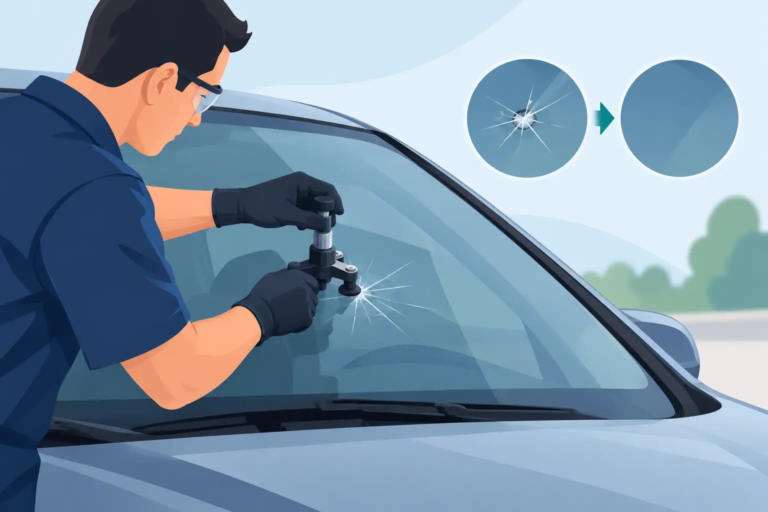
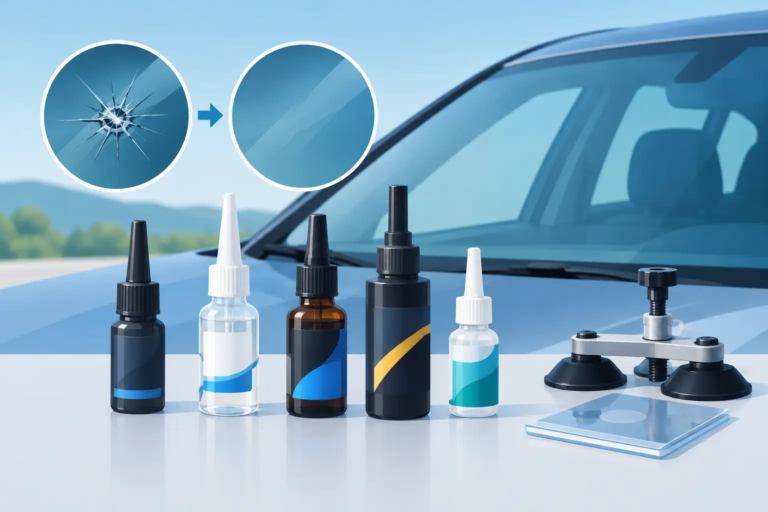
A lot of fleet glass damage looks worse than it is. Small chips, short cracks, and certain types of surface damage can often be repaired before they spread. That matters because repair is usually faster, less expensive, and easier to schedule than full replacement.
For fleet operations, the savings go beyond the invoice. A repair-first approach can reduce vehicle downtime, prevent missed routes, and avoid the paperwork that comes with pulling a vehicle out of service for longer than necessary. It also helps maintain consistency across the fleet. Instead of treating every windshield issue like a replacement job, you give your team a clear standard for when repair makes sense.
That said, repair is not always the right call. If the damage is too large, too deep, directly in a critical viewing area, or has already compromised the integrity of the glass, replacement may be necessary. A true specialist should tell you that plainly. The goal is not to force every job into a repair. The goal is to save the glass when it can be saved and replace only when it has to be replaced.
What fleet managers should look for right away
The fastest way to lose money on fleet glass is to wait too long. A rock chip that could have been repaired on Monday can become a crack by Friday, especially with North Texas heat, rough roads, and pressure changes from daily driving. Once that happens, your options get narrower and your costs usually go up.
Train drivers and supervisors to report damage as soon as they see it. They do not need to diagnose the issue. They just need to flag it early. A simple reporting standard works well: where the damage is, how large it appears, whether it has spread, and whether the driver noticed any visibility issue.
Photos help, but they do not tell the whole story. Some chips look minor in a picture and turn out to be deeper on inspection. Others look severe and are fully repairable. Quick mobile evaluation is often the best next step, especially when the vehicle is already scheduled for work the same day.
Common fleet glass issues and how they affect service decisions
Not every fleet vehicle takes damage in the same way. Delivery vans and service trucks tend to collect chips from heavy road exposure. School buses and shuttle vehicles may deal with long route hours and broad windshield surfaces that are more likely to catch impact. Rental fleets face a different challenge – high turnover, inconsistent reporting, and pressure to keep vehicles customer-ready.
The damage itself also matters. A clean, recent chip is often a good repair candidate. A crack that has been exposed to dirt, moisture, and repeated temperature changes is less predictable. Surface scratches may be cosmetic, but they can still affect appearance and driver comfort, especially when glare becomes a problem. Fleet managers need a provider who can distinguish between cosmetic concerns, safety concerns, and repairable damage without turning every issue into a replacement sale.
Building a practical fleet glass process
The best fleet auto glass repair guide is not just about what can be fixed. It is about how you manage the work so it does not interrupt operations. Good fleet process is simple, repeatable, and easy for drivers and managers to follow.
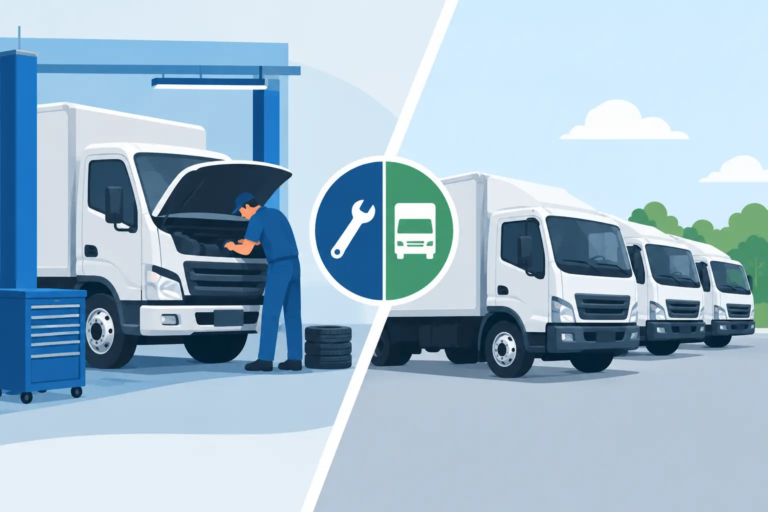
Start with reporting. Decide who reports damage, how quickly it must be reported, and who approves service. Then decide how service is scheduled. If your vehicles are spread across job sites, schools, yards, or customer locations, mobile service can make a major difference. It cuts down on driver travel, reduces idle time, and lets the work happen where the vehicle already is.
Next, track outcomes. You want to know how many repairs were completed, how many replacements were avoided, and how much downtime was prevented. That information helps with budgeting and also shows whether your current provider is actually helping your operation or just reacting to damage as it comes in.
When mobile service matters most
Mobile service is not just a convenience feature for fleets. In many cases, it is what makes timely repair possible. If a work truck has to leave a route, sit in traffic, and wait at a shop for a minor chip repair, the service cost is only part of the expense. You are also paying in labor loss, scheduling disruption, and delayed work.
For fleets with multiple vehicles, mobile service becomes even more valuable when several units need attention at once. Repairs can often be grouped at your office, yard, or operating location. That creates less disruption than sending drivers in different directions to chase appointments.
Why consistency matters more than price alone
Fleet managers are right to watch costs closely. But the cheapest option is not always the best option if repair quality is inconsistent or if the provider defaults to replacement too quickly. Poor repair work can fail, spread, or leave you dealing with the same issue again.
A specialist repair company should have a clear process, realistic assessments, and workmanship they stand behind. That matters more over time than shaving a small amount off one service call. For fleet operations, consistency is what makes planning easier.
How to choose the right provider for fleet glass repair
You do not need a vendor who says yes to everything. You need one who knows the difference between a repairable windshield and a wasted service call. Ask direct questions. How often can they respond? Do they handle commercial vehicles and larger fleet units? Can they service trucks, buses, or rental fleets? Do they focus on repair first, or do they mainly replace?
It also helps to ask how they handle edge cases. Some providers turn away damage that a true specialist can repair correctly. Others take on jobs they should not. Neither approach helps your fleet. You want honest judgment backed by experience.
For North Texas fleets, local service matters too. A local team understands the driving conditions, weather patterns, and route realities that cause repeat glass damage here. They can usually move faster and communicate more clearly than a distant call center model. That is one reason many fleet operators prefer a local specialist such as SuperGlass Denton for mobile repair-focused service.
The repair versus replacement decision
This is where trade-offs matter. Repair is often the better value, but only when it protects safety and restores function properly. Replacement becomes the right move when damage is too extensive, when visibility is affected in a critical area, or when the structural role of the windshield has been compromised.
The mistake many fleets make is treating this as a one-size-fits-all policy. A smarter approach is to create a repair-first standard with clear exceptions. That gives your team a fast default decision while still allowing expert review when the damage is borderline.
In practice, that means acting quickly, getting a specialist assessment, and avoiding delays that turn a minor issue into a major one. It sounds simple because it is. Most fleet glass costs rise for one reason – the damage sat too long.
A better way to control fleet glass costs
If you want lower fleet glass costs over the next year, do not start by negotiating harder on replacements. Start by reducing how many replacements you need. Early reporting, mobile service, specialist evaluation, and a repair-first mindset usually do more for the budget than chasing a lower rate on bigger jobs.
That approach also supports uptime. Vehicles that stay in service keep routes moving, customers served, and schedules intact. For most fleets, that operational gain is just as valuable as the direct repair savings.
A strong fleet glass plan is not complicated. Catch the damage early. Use a provider who knows repair better than anyone. Keep service close to the vehicle instead of sending the vehicle across town. Then make decisions based on what actually protects the fleet, not what creates the biggest ticket.
When fleet glass damage shows up tomorrow – and it probably will – the best move is a fast, informed one that keeps good glass in service as long as it should be.