A cracked windshield is not just an annoyance when you drive for Uber, Lyft, or another rideshare platform. It can cut into your ability to work, affect passenger confidence, and turn a profitable shift into a day of lost income. This rideshare vehicle glass repair example shows how a prompt mobile repair can make the difference between saving a windshield and scheduling a costly replacement.
For rideshare drivers across Denton, Plano, Frisco, McKinney, Lewisville, Carrollton, and nearby North Texas communities, the best outcome is usually simple: get an honest assessment quickly, repair damage that can be safely repaired, and get back on the road without making an unnecessary replacement decision.
A Rideshare Vehicle Glass Repair Example From a Busy Week
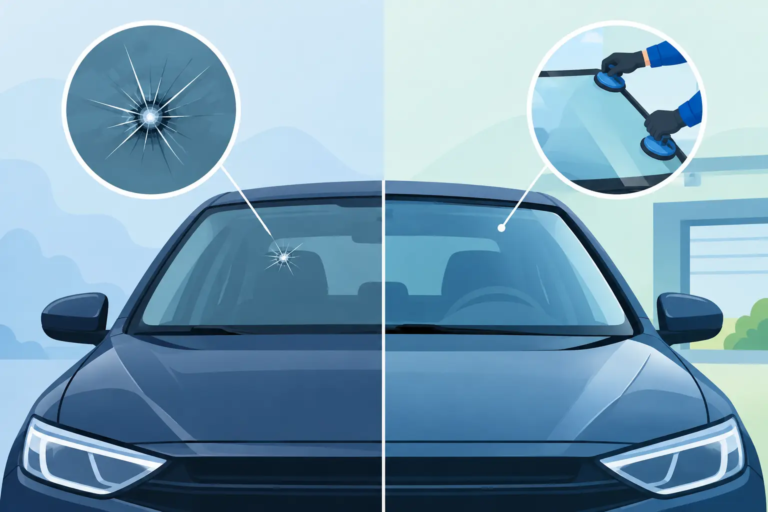
Consider a driver who starts most weekdays before sunrise, takes airport trips, handles the afternoon commuter rush, and drives late on Friday and Saturday nights. During a highway run, a truck throws a small stone that leaves a star-shaped chip near the lower passenger side of the windshield.
At first, the damage is about the size of a quarter. The driver can still see clearly, so it is tempting to wait. But Texas heat, road vibration, temperature changes from air conditioning, and another hard bump can cause the legs of that chip to spread. Once a chip becomes a long crack, repair may no longer be the right option.
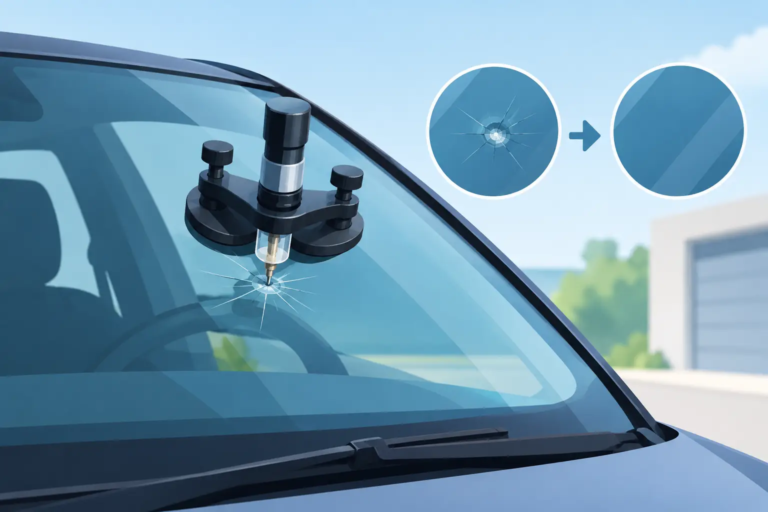
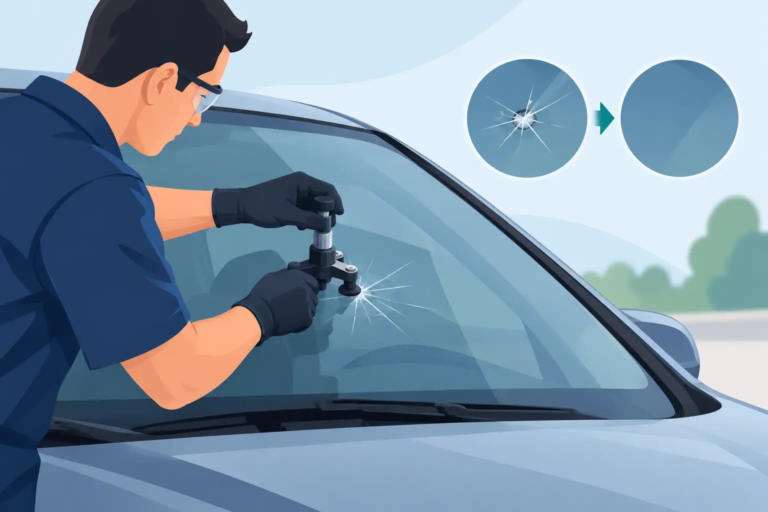
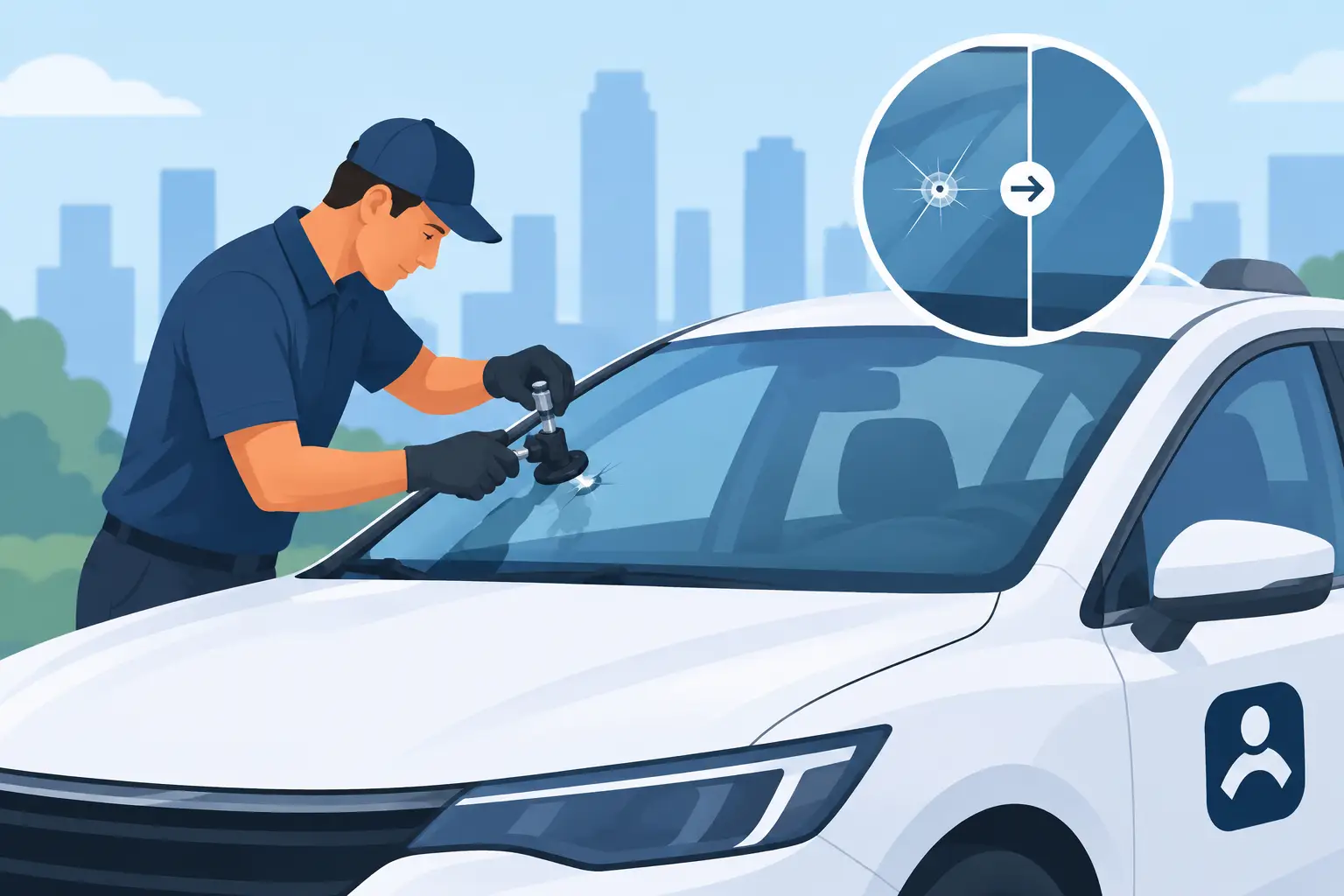
Instead of losing half a workday at a glass shop, the driver arranges mobile service at a convenient location. The technician inspects the chip, checks its location and depth, and confirms that the damaged area is a good candidate for repair. Because the chip is outside the driver’s primary viewing area and has not spread into a major crack, the windshield can be repaired rather than replaced.
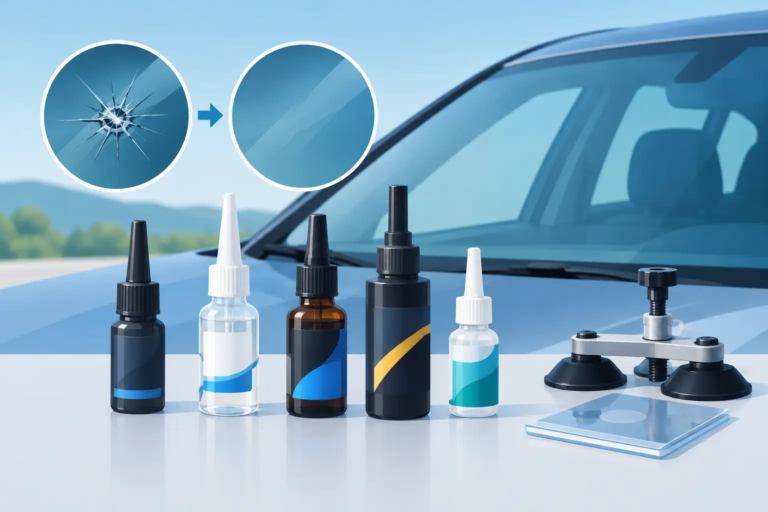
The repair process starts with cleaning the impact point and removing moisture or loose debris. A specialist then injects a professional-grade resin into the break under controlled pressure. That resin fills the damaged area, is cured, and the surface is finished to improve the windshield’s appearance and help restore its structural integrity.
The result is not a brand-new windshield. A repaired chip can still leave a faint mark, especially when viewed from certain angles. But the goal is to stop the damage from spreading, improve visibility, and preserve the original glass whenever possible. For a rideshare driver, that is often a far better outcome than losing time and money to a replacement that could have been avoided.
Why Time Matters More for Rideshare Drivers
A personal vehicle can sit in a driveway for a few days while its owner decides what to do. A rideshare vehicle is a business asset. Every hour it is unavailable can mean missed fares, missed bonuses, and scheduling headaches.
Small windshield damage also has a way of getting worse at the least convenient moment. A chip that looks manageable on a Monday morning can become a spreading crack after a hot afternoon in a parking lot or a cool, rainy North Texas evening. The longer contamination, moisture, and stress have to work into the break, the less predictable the repair becomes.
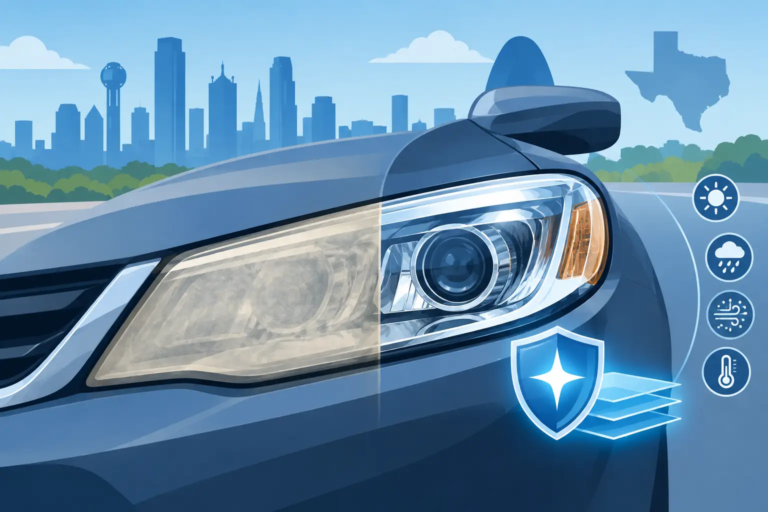
There is also the passenger experience to consider. Riders notice a dirty windshield, cloudy headlights, and visible cracks. While a small repaired chip is usually far less noticeable than untreated damage, a spreading crack can make a vehicle look poorly maintained. Drivers who depend on ratings and repeat airport or business travel trips have a practical reason to address damage early.
Mobile repair changes the equation. A driver may be able to schedule service at home between shifts, at an office during a work break, or while the vehicle is parked during downtime. The point is not to squeeze in another errand. It is to handle the problem where the vehicle already is.
When Repair Makes Sense and When It Does Not
Not every damaged windshield should be repaired. A qualified technician should make that call after seeing the glass, not after guessing from a brief description.
Repair is often a strong option when the damage is relatively small, the break is not heavily contaminated, and the chip has not developed into a long crack. Star breaks, bull’s-eyes, combination breaks, and small surface chips can frequently be repaired if they are addressed soon enough.
Replacement may be the safer recommendation when damage is directly in the driver’s critical viewing area, reaches the edge of the windshield, is extensive, or involves a long spreading crack. Modern vehicles can also have cameras and advanced driver-assistance features near the windshield. In those cases, replacement and any required calibration need careful attention.
That trade-off matters. Repair is generally faster and more cost-effective, but only when it can be performed properly and safely. A specialist who recommends replacement when repair is no longer appropriate is protecting the driver, passengers, and vehicle – not simply chasing the quickest sale.
The Cost of Waiting Can Be Higher Than the Repair
Rideshare drivers already manage fuel costs, vehicle maintenance, insurance, cleaning, and platform fees. It makes sense to avoid a replacement expense when existing glass can be saved.
A successful repair can help prevent a small break from becoming a replacement-level problem. It can also reduce the disruption that comes with arranging a larger job, waiting for the correct glass, and dealing with vehicle systems that may need additional service afterward.
There is no promise that every chip can be made invisible. There is also no responsible way to guarantee that every untreated crack will remain stable. What drivers can control is how quickly they act. Calling when the damage is fresh usually creates more repair options than waiting until it spreads across the windshield.
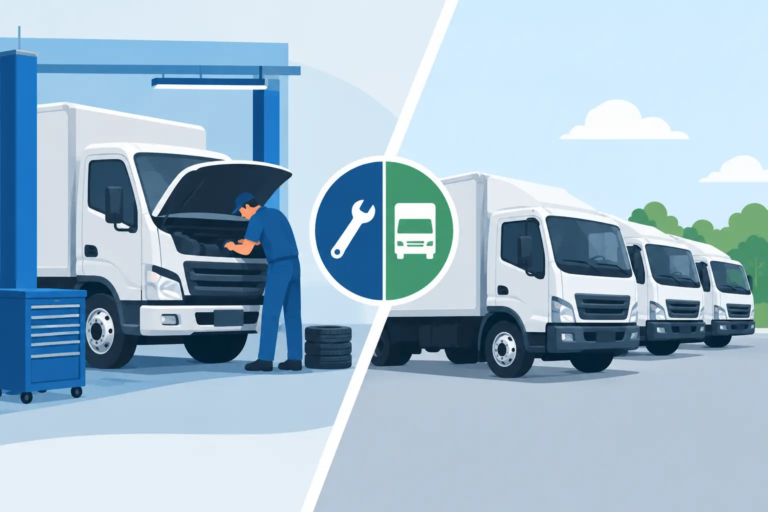
For fleet operators, the same logic applies at a larger scale. A school bus, rental vehicle, or commercial truck that is sidelined for glass work affects schedules, customers, and operating costs. Repairing eligible damage early helps keep more vehicles available and reduces the chance that several small issues become expensive replacements at once.
What a Driver Should Do After a Rock Chip
The first few hours after a chip can matter. Avoid slamming doors, blasting the defroster directly onto the damaged spot, or washing the vehicle with high-pressure water. Those actions can add stress or push moisture and debris into the break.
If possible, keep the area clean and dry until it can be inspected. A simple temporary windshield patch can help keep out dirt, but do not press tape aggressively into the damaged glass. Most importantly, do not assume a chip is harmless because it is small. The damage needs an experienced evaluation.
When arranging service, give the technician a clear description of the break, where it is located, and whether it has changed since it occurred. A photo can help with initial scheduling, although an in-person inspection is still the real decision point.
A Better Way to Protect the Vehicle That Earns Your Income
The real lesson in this rideshare vehicle glass repair example is not that every windshield can be saved. It is that fast action gives you the best chance to save it. A specialist repair can preserve original glass, limit downtime, and keep a minor road hazard from becoming a much bigger interruption.
SuperGlass Denton brings mobile windshield repair directly to drivers and fleet operators who need a clear answer and professional work without the runaround. If a chip or crack is affecting the vehicle you rely on for income, get it inspected while repair is still on the table.