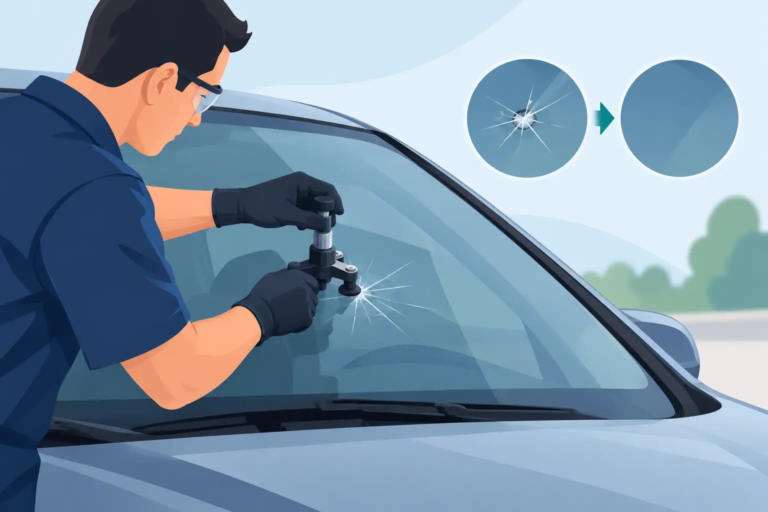

A scratch across your windshield can look minor from the driver’s seat until sunlight hits it at the wrong angle. Then it becomes a bright line in your field of view, a distraction on I-35, or an immediate concern before a fleet vehicle goes back into service. This glass scratch removal guide explains what can be repaired, what should not be touched, and why the right assessment can save you from an unnecessary windshield replacement.
For Denton-area drivers, the goal is not simply to make glass look better. It is to restore clear, safe visibility while protecting the value of the vehicle and keeping downtime low. That takes more than a quick polish and a promise.
What Counts as a Glass Scratch?
Not every mark on auto glass is actually a scratch. Wiper blades can leave rubber transfer, road grime can bond to the surface, and mineral deposits from hard water can create cloudy arcs that look like damage. Those issues may clean away without changing the glass itself.
A true scratch has cut into the surface. You can often feel it lightly with a clean fingernail, although that test is not a final diagnosis. On a windshield, scratches usually come from worn wiper blades dragging grit across dry glass, ice scrapers, damaged washer nozzles, or debris caught under a wiper arm. Side and rear glass can be marked by improper cleaning, vandalism, tools, or contact with metal and hard plastic.
The location matters as much as the appearance. A faint scratch near the edge of a passenger-side window is very different from a cluster of marks directly in front of the driver. Even a repairable scratch may not be a good candidate if it affects visibility in a critical viewing area.
The First Question: Can the Scratch Be Removed?
Glass scratch removal is possible in many situations, but it is not a one-size-fits-all service. Professional restoration works by carefully leveling a very small amount of surrounding glass and polishing the area back to clarity. The process must be controlled. Remove too little, and the scratch remains. Remove too much, and the glass can develop distortion that is worse than the original mark.
Light surface scratches are often the strongest candidates for repair. These are usually fine lines caused by grit, wipers, or minor contact. Moderate scratches may also be improved or removed, depending on their depth, size, and position.
Deep gouges are a different situation. If a scratch catches firmly on a fingernail, has a sharp white appearance, reaches across a large area, or sits in the driver’s primary viewing zone, replacement may be the safer recommendation. Windshield glass is laminated safety glass, and clear optics matter. A repair that leaves waviness or lens-like distortion is not a quality repair.
That is why a specialist should assess the glass before anyone starts polishing. The honest answer is sometimes repair. Sometimes it is replacement. A professional should tell you which is which before you spend money.
Windshields Need a Higher Standard
A windshield does more than block wind and rain. It supports visibility, contributes to the vehicle’s structure, and works alongside safety systems. Cameras and sensors mounted near the windshield make the decision even more sensitive on many late-model vehicles.
Small cosmetic scratches outside the driver’s direct line of sight may be repairable with excellent results. But when scratches interfere with sightlines, have spread into broad haze, or accompany cracks and chips, the repair plan must account for safety first. There is no value in saving a windshield if the result compromises clear driving vision.
Why DIY Scratch Kits Can Create Bigger Problems
Store-bought scratch kits make a tempting promise: apply a compound, polish for a few minutes, and watch the damage disappear. For very light marks on non-critical glass, a careful owner may see some improvement. But DIY glass work has limits, especially on windshields.
Most kits do not tell you exactly how deep the damage is or how much heat and pressure the glass can safely tolerate. Aggressive polishing can create optical distortion, leave a hazy spot, or make a shallow scratch more noticeable under glare. Using the wrong abrasive, drill attachment, or polishing pad can turn a localized issue into a larger repair problem.
Household remedies are even less reliable. Toothpaste, baking soda, metal polish, and random abrasive cleaners are not professional glass restoration methods. They may leave residue, damage coatings, or deliver inconsistent results. If the mark is on a windshield, the cost of a bad experiment can be far greater than the cost of a proper inspection.
What a Professional Glass Scratch Removal Process Looks Like
A quality repair starts with cleaning and inspection, not polishing. The technician needs to identify whether the visible mark is surface contamination, a glass scratch, a chip-related fracture, or damage to a coating. This also reveals nearby pitting and wiper damage that may affect the final result.
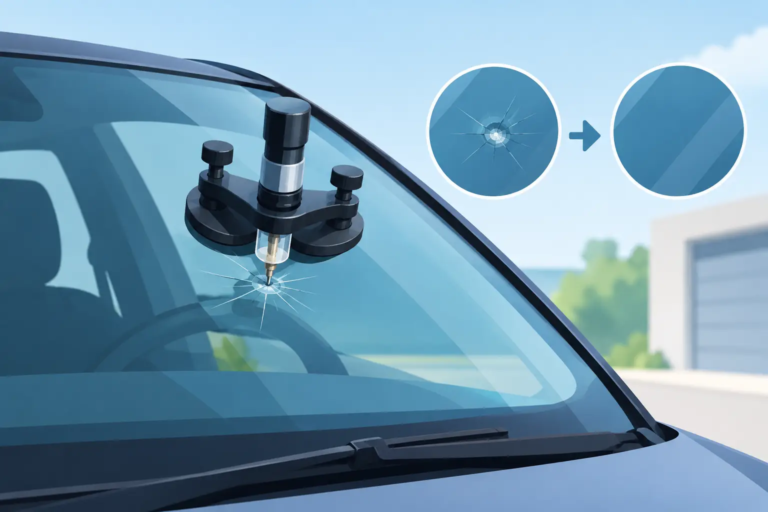
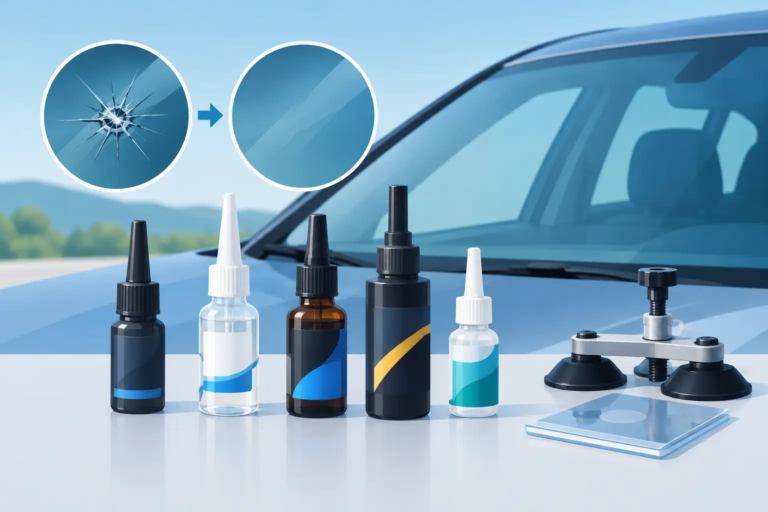
If restoration is appropriate, the damaged area is treated with purpose-built glass compounds and specialized equipment. The technician works gradually, monitoring clarity and surface temperature throughout the process. The objective is to reduce or remove the scratch while maintaining the smooth, even optical surface your windshield needs.
Afterward, the glass is cleaned and checked from multiple angles. That final inspection matters because scratches can look invisible in shade and stand out in direct Texas sun. A professional repair should be evaluated where drivers actually notice the problem: in changing light, from the proper seating position, and with the glass clean.
For mobile service, convenience does not mean shortcuts. A trained technician can inspect and perform eligible repairs at your home, office, dealership, or fleet yard, provided the vehicle is in a suitable work area. That can keep a personal vehicle on the road and prevent a fleet unit from losing a full day to a shop appointment.
When Replacement Is the Smarter Call
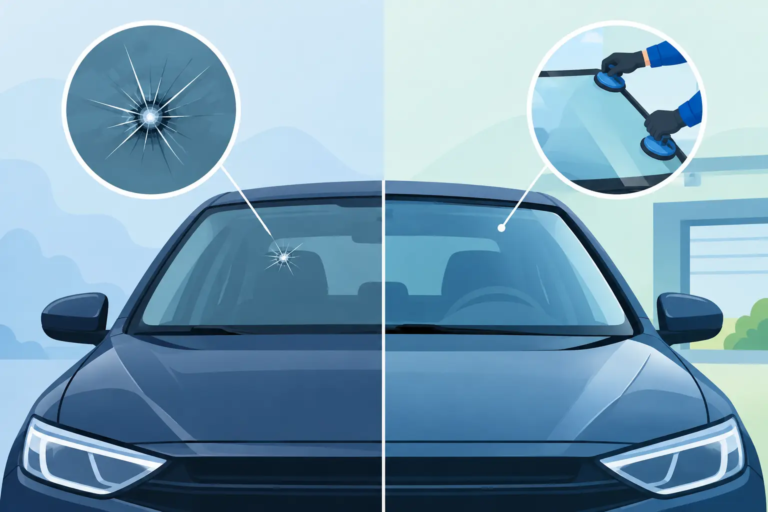
Repair is often the cost-effective choice, but it is not always the right choice. Replacement should be considered when the glass has deep damage, extensive scratching, cracks, compromised visibility, or distortion that cannot be safely corrected. The same applies when damage affects a sensor area or a windshield camera system that requires replacement and calibration.
Fleet managers should be particularly careful about repeated wiper scratches. A truck or school bus windshield may be exposed to more road debris, longer operating hours, and frequent cleaning. If several units show similar arcs or haze, the real problem may be worn blades, poor washer fluid maintenance, or cleaning procedures rather than isolated glass damage. Fixing the cause prevents repair costs from coming back every few months.
A reliable provider will not push replacement when repair can deliver a safe, clear outcome. Just as importantly, they will not promise repair when the glass needs to be replaced. That straightforward recommendation is what protects your budget and your vehicle.
Preventing New Scratches After Repair
The easiest scratch to remove is the one that never happens. Replace wiper blades when they streak, chatter, split, or begin leaving thin lines in the glass. Do not run wipers across a dry, dusty windshield. Use washer fluid first, especially after parking under trees, near construction areas, or on gravel roads.
Use a clean microfiber towel and automotive glass cleaner rather than paper towels or rough shop rags. When removing ice, use a proper plastic scraper with a clean edge, never a metal tool. And if a wiper arm has a torn blade or exposed metal frame, do not use it again until it is replaced.
For commercial vehicles, build windshield checks into routine walk-arounds. Catching a damaged blade or contaminated windshield early is a simple way to protect driver visibility and avoid repeat surface damage across the fleet.
Get an Expert Opinion Before You Replace the Glass
A scratched windshield does not automatically belong in the replacement category. Many marks can be professionally restored, often with less cost and disruption than installing new glass. SuperGlass Denton focuses on specialist repair because preserving a sound windshield is frequently the better answer for drivers and fleet operators.
If a scratch is distracting, worsening in sunlight, or affecting a vehicle your team depends on, have it inspected before trying a DIY fix or scheduling replacement. A clear answer from an experienced technician can save the glass, save the day, and help you drive away with a better view of the road.