A windshield can look permanently damaged after a wiper blade drags grit across the glass, a car wash leaves circular marks, or a careless scrape creates a visible line in your field of view. But replacement is not always the answer. Understanding how scratched glass polishing works helps you tell the difference between cosmetic damage that may be restored and damage that calls for a safer solution.
For drivers across Denton and North Texas, the real question is usually simple: Can this be fixed without taking the vehicle off the road or paying for a new windshield? The answer depends on the scratch depth, its location, and the condition of the glass beneath it.
What Glass Polishing Actually Does
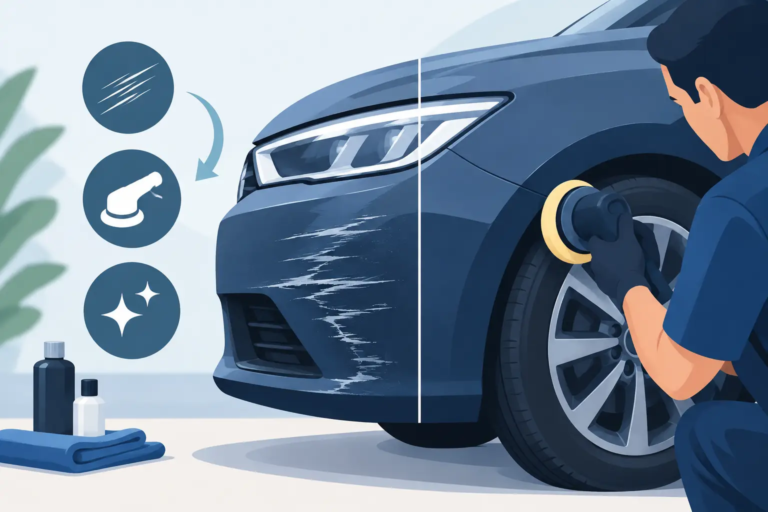
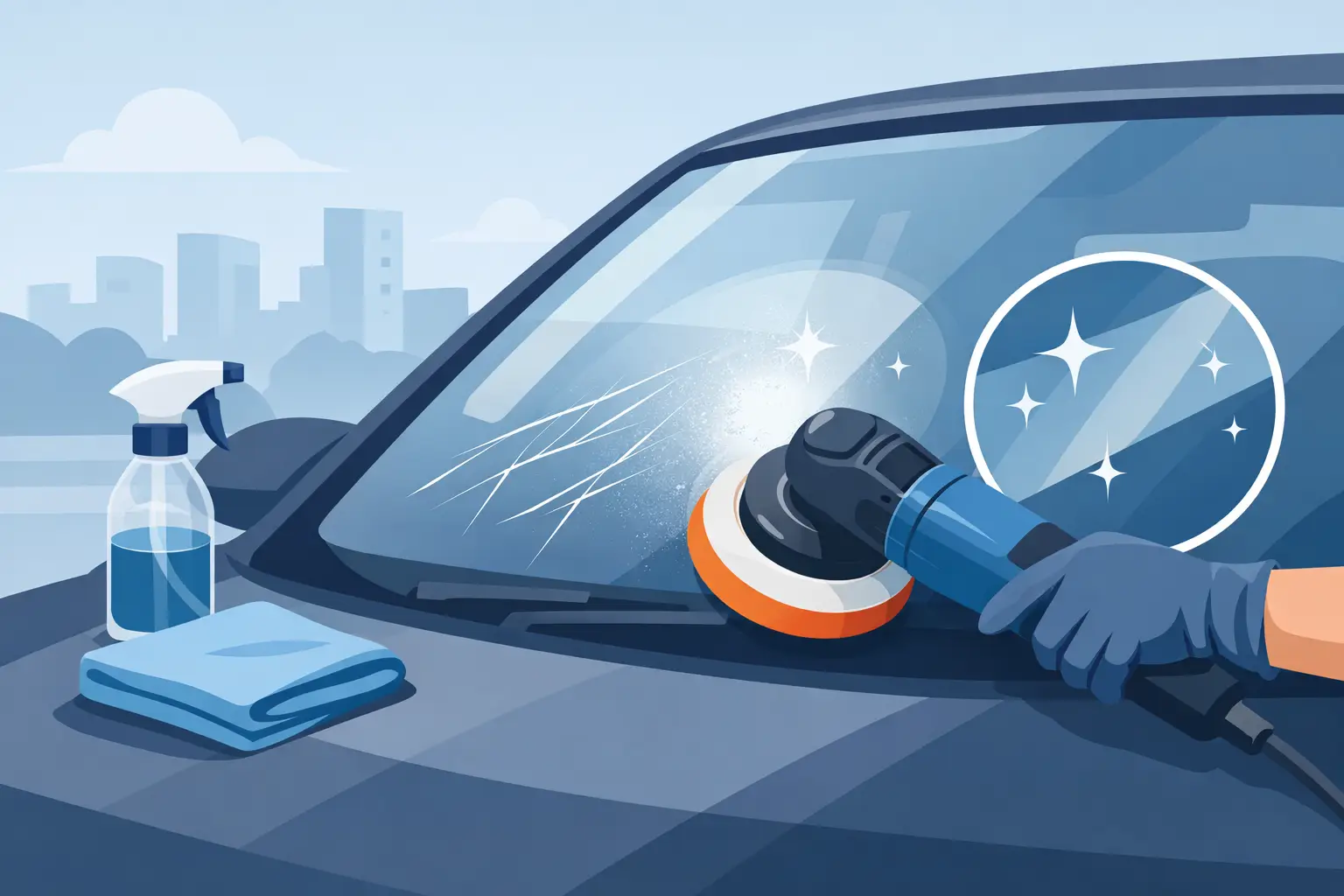
Glass polishing is a controlled correction process, not a cover-up. A trained technician uses a specialized polishing compound and equipment to remove an extremely thin layer of glass around a surface scratch. As the surrounding area is leveled, the scratch becomes less visible or disappears.
Automotive glass is hard, but it is not immune to abrasion. Fine sand, road dust, worn wiper blades, ice scrapers, and improper cleaning tools can all leave marks. Many are shallow enough that they affect the surface rather than the structural layers of the windshield.
The goal is to improve clarity while preserving the shape and strength of the glass. That is why professional glass polishing requires patience and control. Removing too much material, concentrating heat in one spot, or using the wrong compound can distort the glass instead of restoring it.
How Scratched Glass Polishing Works Step by Step
The process starts with an inspection. A technician cleans the glass and examines the damaged area in good light. They may run a fingernail lightly over the mark. If the nail does not catch, the scratch is often surface-level and may be a good candidate for polishing. If it catches firmly, the damage may be too deep for safe correction.
Next, the glass is prepared. Dirt, wax, road film, and residue must be removed because polishing over contamination can create additional scratches. Nearby paint, trim, and rubber seals are protected before correction begins.
A professional-grade polishing compound, commonly based on cerium oxide, is then worked across the affected area with the proper pad and tool. The compound creates controlled friction that gradually refines the glass surface. The technician keeps the tool moving and monitors temperature carefully. Windshield glass can heat up quickly, and excess heat can cause stress or optical distortion.
After several passes, the area is cleaned and checked from different angles. The technician is looking for more than a scratch that is harder to see. The glass must remain visually clear, especially in the driver’s primary viewing area. Some scratches can be fully removed. Others can be reduced significantly, making them far less noticeable in sunlight, at night, or during rain.
Not Every Windshield Scratch Should Be Polished
The practical limitation of polishing is depth. A deep scratch is not just a mark on the surface. It is missing material from the glass. Removing enough surrounding glass to erase that kind of damage could compromise optical quality or create a lens-like distortion.
A good repair specialist will not promise to polish away every line. Deep gouges, cracks, chips connected to cracks, and damage that reaches the inner layers of laminated windshield glass require a different repair approach or replacement. Safety comes first, particularly when damage sits directly in front of the driver.
Location matters too. A shallow scratch near the edge of a windshield may be easier to address than a similar mark in the center of the driver’s view. Even a successful cosmetic correction must be evaluated for clarity. A windshield is part of the vehicle’s safety system, so the right decision is not always the cheapest one in the moment.
Common Marks That May Respond Well
Light wiper scratches are among the most common candidates for polishing. They often appear as arcs across the windshield after a damaged blade runs over dry dust or a small piece of debris. Fine haze from repeated automatic car washes may also be improved, depending on how severe it is.
Mineral staining and water spots can sometimes look like scratches but need a different treatment. Hard water minerals bond to the glass surface and may require a dedicated removal process before polishing is considered. The same is true of paint overspray and some forms of road residue.
Side windows, rear glass, and glass sunroof panels can also develop surface scratches. However, each piece of automotive glass has different contours, coatings, and access challenges. An experienced technician evaluates the specific panel rather than applying a one-size-fits-all process.
Why DIY Glass Polishing Can Go Wrong
It is understandable to consider a do-it-yourself kit when a scratch first appears. The challenge is that automotive glass correction is less forgiving than polishing paint. Paint has a clear coat designed to be corrected within limits. Windshield glass must retain clear, undistorted visibility under changing light conditions.
A home drill, an aggressive pad, or an unfamiliar compound can generate too much heat or polish unevenly. The result may be a visible wave, haze, or distorted spot that is more distracting than the original scratch. Household abrasives and random polishing products can also make the damage worse.
Professional service is not just about having better equipment. It is about knowing when to stop. The best outcome is sometimes full removal, but sometimes it is a substantial improvement without pushing the glass past a safe correction limit.
Scratch Polishing vs. Windshield Chip Repair
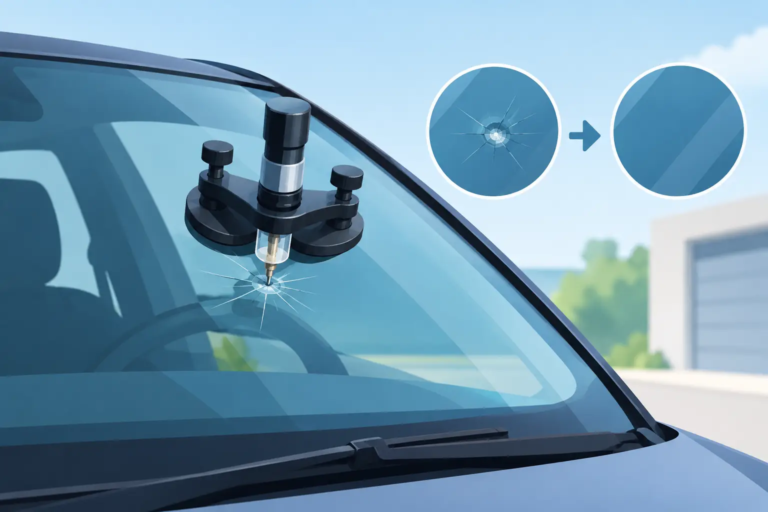
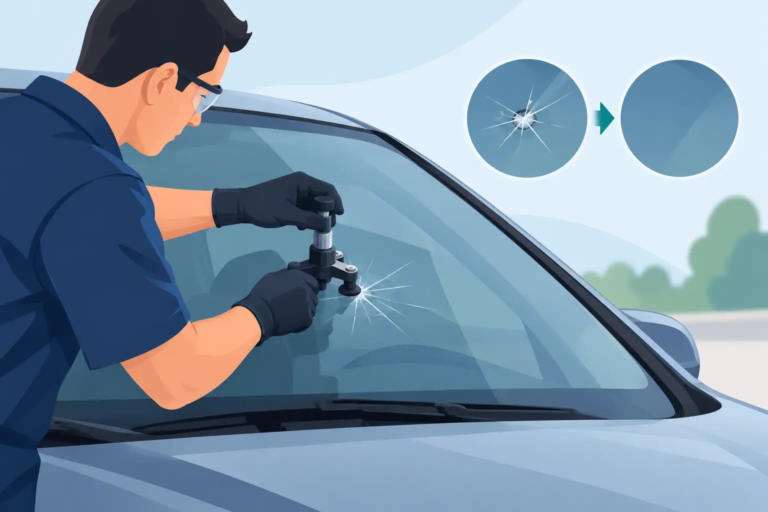
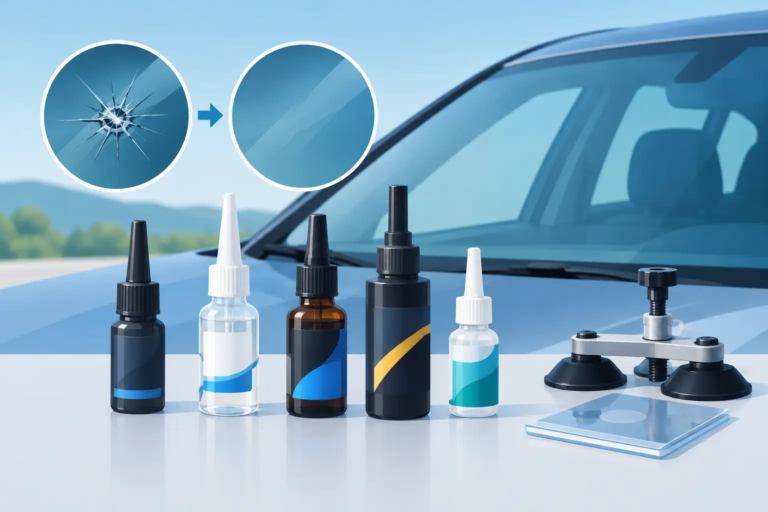
Scratch polishing and windshield chip repair solve different problems. Polishing addresses surface abrasion by refining the outer glass. Chip repair uses a specialized resin system to fill and stabilize break damage before it spreads.
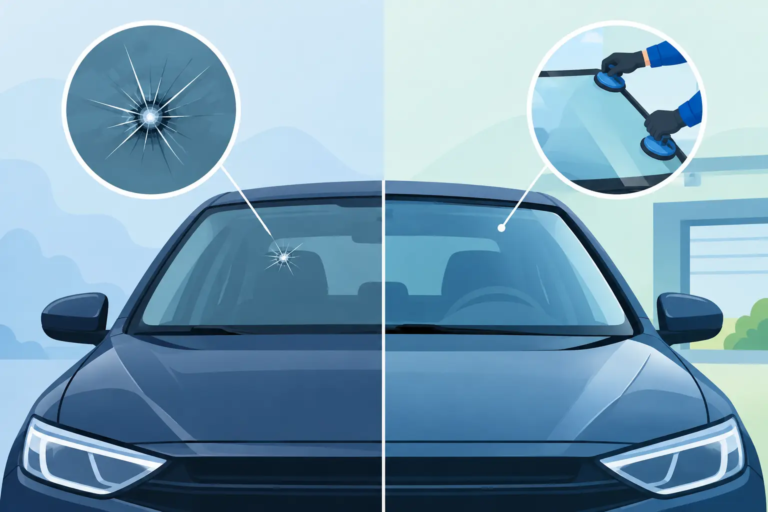
If a rock has left a bull’s-eye, star break, or small chip, resin repair may save the windshield and prevent a larger crack. If the issue is a faint line from a wiper blade, polishing may be the appropriate option. In some cases, a windshield has both types of damage and needs a professional inspection to determine the safest repair plan.
This distinction matters for fleet vehicles as well as personal cars. A truck, school bus, or rental vehicle with minor windshield damage can lose valuable operating time if every issue is treated as a replacement job. Repairing eligible damage quickly helps control costs and keeps vehicles available.
What Affects the Final Result
The age of the scratch is less important than its depth and the condition of the surrounding glass. A new, light scratch can often polish well, but an older surface mark may respond too if it has not been contaminated or worsened by repeated cleaning.
Lighting also changes what you see. A scratch that seems gone in the shade may still catch headlights at night. Professional inspection includes checking the repair area in conditions that reveal remaining defects. That realistic assessment is the difference between a cosmetic promise and a professional result.
Expectations should be based on the damage itself. Surface-level marks can often be restored to excellent clarity. Deeper marks may be improved but not erased. When repair is not the right call, a specialist should say so plainly rather than attempt a correction that could affect visibility.
Protecting Glass After Polishing
Once the glass is restored, prevention is straightforward. Replace worn wiper blades before the rubber hardens or splits. Never run wipers across a dry, dusty windshield if you can avoid it. Use washer fluid to lubricate the surface first, and clean blades regularly so trapped grit does not drag across the glass.
Use a clean microfiber towel and an automotive glass cleaner rather than paper towels, abrasive pads, or harsh household products. During winter weather, use a proper ice scraper with a clean edge. Small habits make a real difference because most windshield scratches build up through repeated abrasion, not one dramatic event.
For Denton-area drivers who want a clear answer before committing to replacement, SuperGlass Denton can inspect the damage and recommend the repair option that makes sense for the vehicle. A scratch deserves an expert look before it becomes an expensive assumption.
If you notice a new mark, take care of it before daily wiping, road grit, and weather make it more visible. A quick professional evaluation can protect your view of the road and help you keep the windshield you already have.