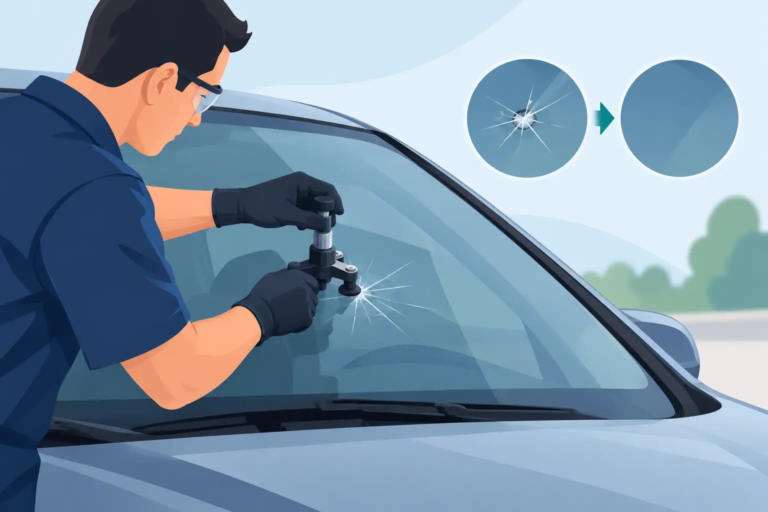
A windshield scratch can look minor in the driveway, then become the only thing you see when the Texas sun hits it at the right angle. Before you try to figure out how to remove glass scratches, first determine what made the mark and how deep it is. The right repair can restore clarity and help you avoid replacement. The wrong abrasive, however, can turn a small scratch into a distorted patch of glass.
For drivers in Denton and North Texas, the goal is not simply to make a scratch less noticeable. It is to restore safe visibility without spending money on a windshield that may still be repairable.
First, make sure it is actually a glass scratch
Not every line on a windshield is damage to the glass itself. Wiper blades can leave rubber transfer, road film, bug residue, mineral deposits, or light surface contamination that resembles a scratch. These marks are often easier to remove than actual scratched glass.
Wash the area with automotive glass cleaner and a clean microfiber towel. Do not use paper towels, which can leave lint and may drag grit across the surface. Once the glass is clean and dry, run a clean fingernail lightly across the line. If your nail does not catch, the mark may be residue, a very light surface scuff, or a shallow scratch that can potentially be polished.
If your fingernail catches clearly, the scratch is deeper. That does not automatically mean the windshield needs replacing, but it does mean this is no longer a casual at-home cleaning job.
Check whether the damage is on the inside or outside
Windshields are laminated safety glass, with layers designed to hold together during an impact. Side and rear windows are usually tempered glass, which behaves differently when damaged. The repair method depends on both the glass type and the location of the scratch.
Use the tip of your fingernail on both sides of the glass to identify where the mark is. Interior scratches can come from items rubbing against the window, while exterior marks commonly come from worn wipers, sand, ice scrapers, debris, or improper cleaning. Scratches near the driver’s primary viewing area deserve extra caution because even a successful polish can leave optical distortion if too much material is removed.
How to remove light glass scratches safely
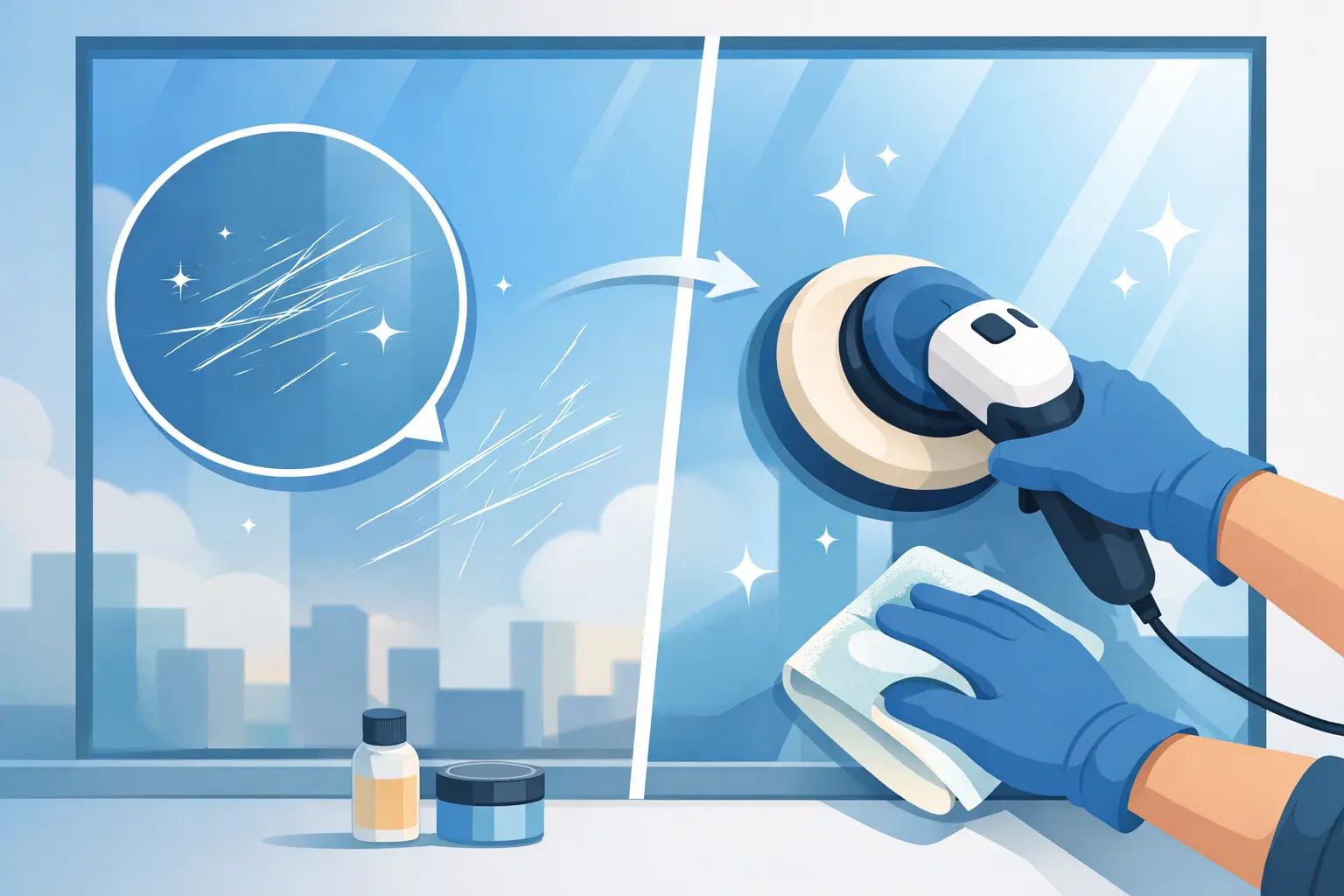
For very fine surface scratches, the most reliable DIY approach is a glass polishing product made for automotive glass. These products typically use a mild abrasive, often cerium oxide, to gradually level the glass around a shallow mark.
The key word is gradually. Glass is hard, and proper scratch removal is not fast. Trying to speed up the process with aggressive compounds, coarse pads, or heavy pressure can generate heat and create a visible lens effect. That can bend light through the windshield and interfere with your view of the road.
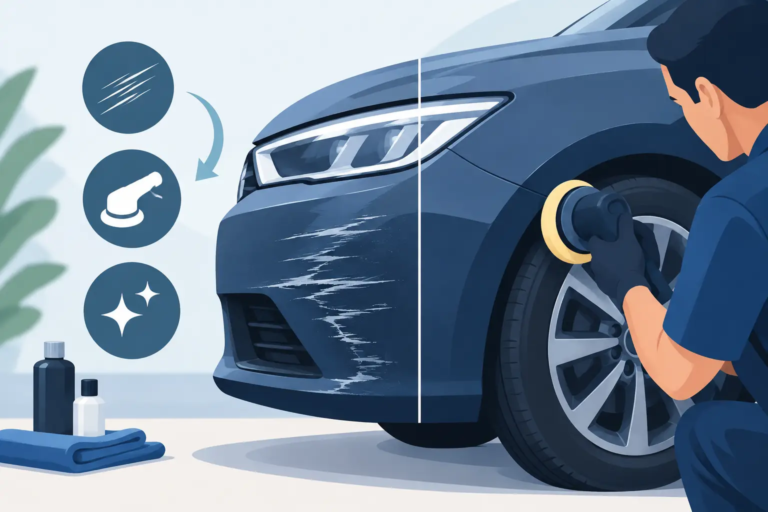
Start with clean, cool glass in a shaded location. Apply the polishing compound according to its directions, using a suitable felt pad or applicator. Work a small area at a time, keep the surface from overheating, and stop periodically to wipe the glass clean and inspect the result. Light, controlled passes are safer than long, aggressive polishing sessions.
If the scratch is fading but not disappearing, do not keep grinding until it is gone at any cost. A faint scratch is usually better than a distorted section in front of the driver. This is where an experienced glass repair specialist can make the call that a DIY kit cannot: whether further correction will improve the glass or compromise visual clarity.
What not to use on scratched auto glass
There is plenty of advice online about toothpaste, baking soda, nail polish, and household cleaners. Most of it is not a dependable solution for automotive glass.
Toothpaste may clean light residue, but it is usually too mild and inconsistent to remove a true scratch. Baking soda can leave a mess without correcting the damage. Nail polish may fill a mark temporarily, yet it can discolor, haze, or create a more obvious blemish when sunlight hits the windshield.
Avoid steel wool, sandpaper, scouring pads, and random drill attachments. Even products marketed as “scratch removers” need to be formulated for glass, not paint or plastic. A compound that works beautifully on a painted door panel can damage windshield glass or leave an oily film that reduces visibility.
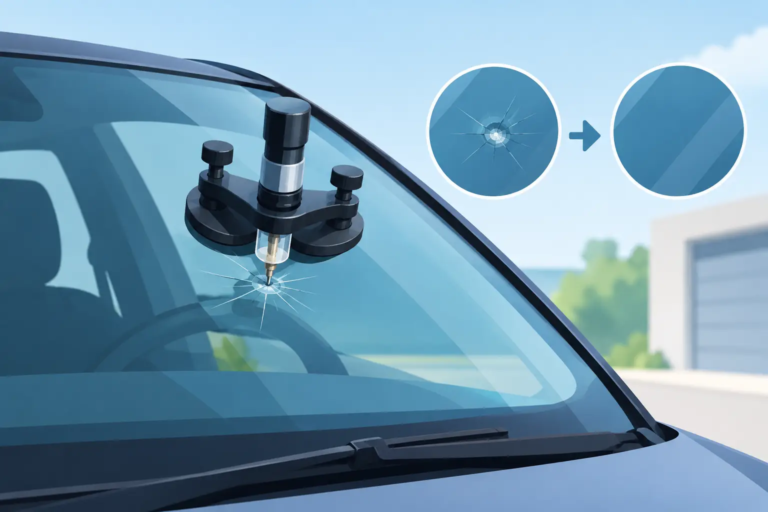
Also, do not polish directly over a chip, crack, or impact point. Those are structural concerns, not cosmetic ones. Pressure and heat around damaged glass can make a crack spread.
When a windshield scratch needs professional repair
A professional inspection is the smart move when a scratch catches your fingernail, sits in the driver’s line of sight, appears as a long wiper arc, or has visible roughness around the edges. It is also the right call if the damage is paired with a chip, crack, pitting, or haze.
Deep scratches may require specialized equipment, controlled polishing techniques, and a careful evaluation of whether the glass can be restored safely. Some damage can be improved significantly. Other damage is too deep to remove completely without affecting the windshield’s optical quality.
That distinction matters. An honest specialist should not promise that every scratch can disappear. The best repair is the one that delivers a clear, safe result while preserving the windshield whenever possible.
For fleet vehicles, this decision is especially practical. A scratched windshield on a truck, school bus, or rental vehicle can create driver complaints and poor visibility long before it becomes a replacement-level problem. Timely repair can reduce downtime, maintain a professional appearance, and keep small damage from becoming a larger expense.
Why wiper scratches are common in North Texas
Windshield wipers are meant to protect visibility, but they can become a source of damage when grit gets trapped beneath the blade. North Texas dust, construction debris, pollen, and dry weather make this more common than many drivers realize. One dry wipe across a dusty windshield can drag abrasive particles over the glass.
Replace wiper blades when they streak, chatter, skip, or leave rubber behind. Clean the blades regularly with a damp microfiber towel, and rinse loose dirt from the windshield before running the wipers. Never use your wipers to clear heavy mud, frost, or a dry layer of dust.
A quality windshield washer fluid helps too. Plain water does not clean as effectively, and it can leave mineral deposits behind. Keeping your washer reservoir filled gives you a safer way to clear the glass when road grime builds up during a commute.
Repair versus replacement: what is the practical choice?
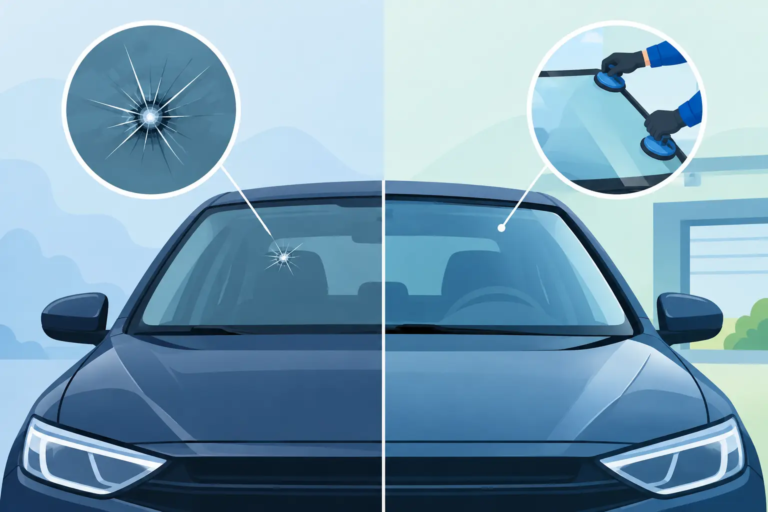
Replacement is sometimes necessary, particularly when damage affects safety, structural integrity, or the driver’s ability to see clearly. But replacement should not be the automatic answer for every scratch, chip, or surface defect.
Repair is often the more cost-effective option when the damage is limited and the glass remains structurally sound. It can save time, reduce waste, and keep the original factory-installed windshield in place. For busy drivers, mobile service also removes the need to rearrange a workday around a shop visit.
At the same time, the cheapest option is not always the best one. A DIY polish kit may be reasonable for a light, non-critical surface mark. A deep scratch in front of the steering wheel is a different situation. It deserves a professional assessment before you spend hours polishing or risk making the view worse.
Get a clear answer before you replace the glass
If you are unsure how deep the scratch is, take a close look in bright natural light after cleaning the glass. Note whether your fingernail catches, whether the mark is in your direct view, and whether there are chips or cracks nearby. Those details help determine whether polishing, repair, or replacement is the appropriate path.
SuperGlass Denton provides mobile, specialist repair service for drivers and fleets that want an answer before committing to unnecessary replacement. A repair-focused inspection can tell you what is realistically possible, where the trade-offs are, and whether restoring the existing glass makes sense.
A scratched windshield should not automatically mean a new windshield. Address it early, use the right method, and protect the clear view you depend on every time you drive.