A school bus with a spreading windshield crack cannot wait around for a slow service appointment. Neither can a rental vehicle, delivery truck, or work fleet that earns money only when it is on the road. When comparing mobile fleet repair vs shop service, the real question is not simply where the work happens. It is how much downtime, disruption, and unnecessary replacement your operation can afford.
For fleet managers across Denton, Collin County, and North Texas, mobile repair is often the practical answer for repairable windshield damage, hazy headlights, and surface scratches. But a shop still has a place in certain situations. Knowing the difference helps you make the right call before a minor issue turns into an expensive out-of-service vehicle.
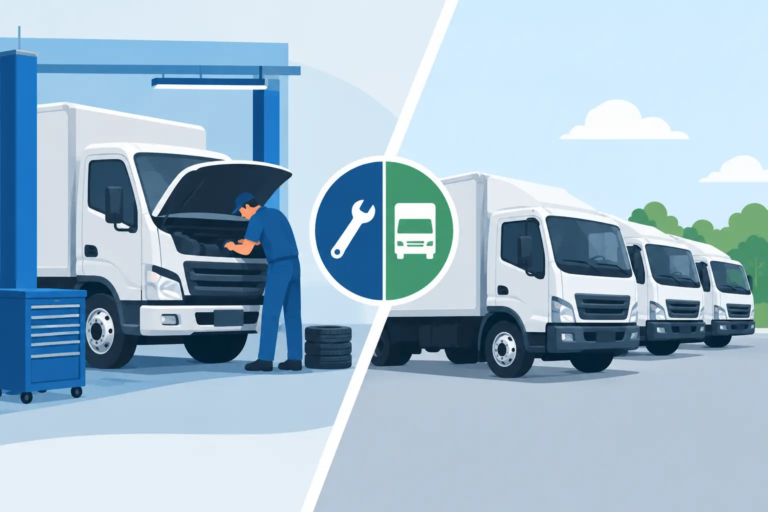
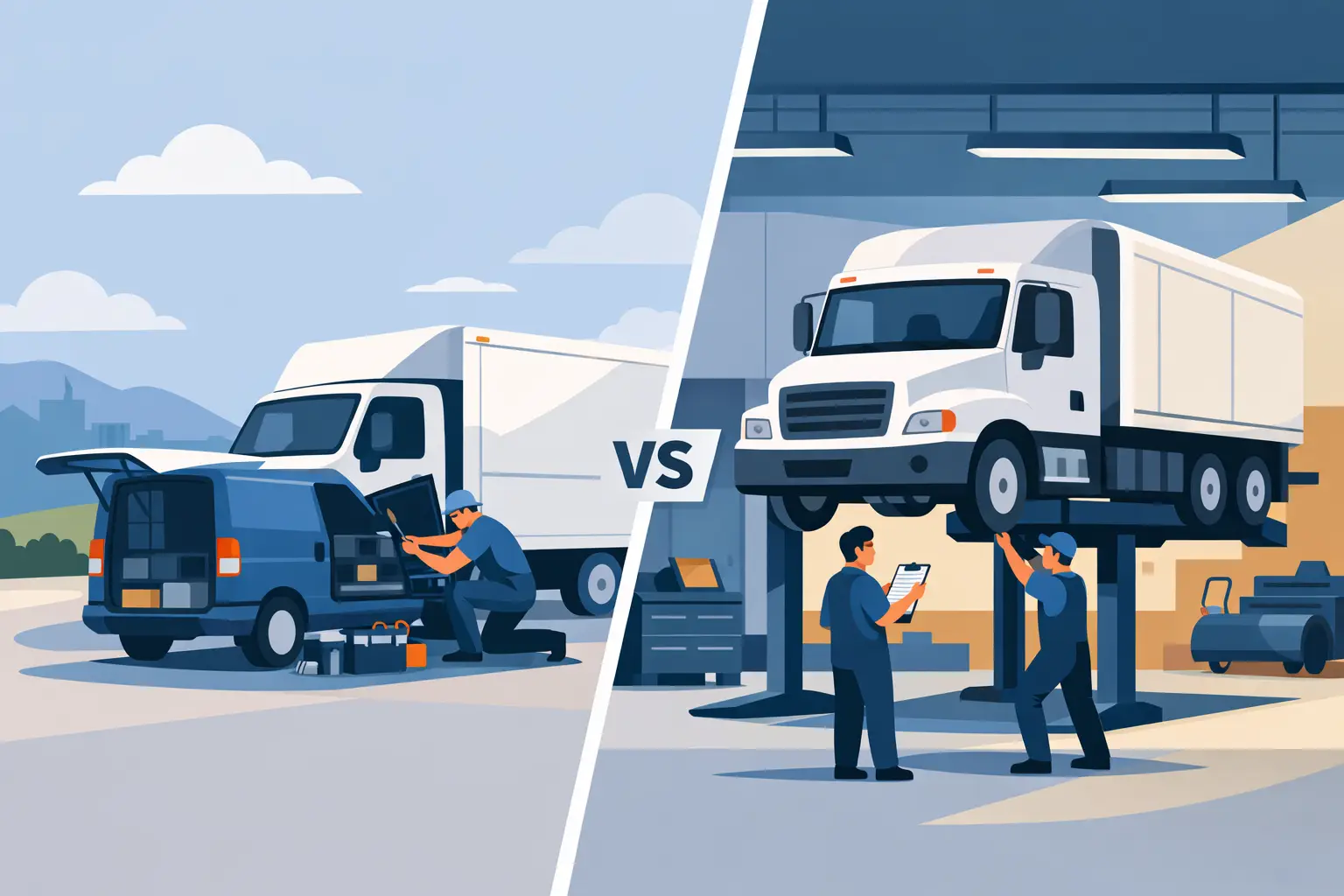
Mobile Fleet Repair vs Shop Service: The Core Difference
A traditional repair shop requires the fleet to bring each vehicle to the service location. That means assigning a driver, moving the vehicle off its route or out of rotation, waiting for service, and then getting it back to its base. For one personal vehicle, that may be manageable. For ten, twenty, or one hundred vehicles, that process adds up fast.
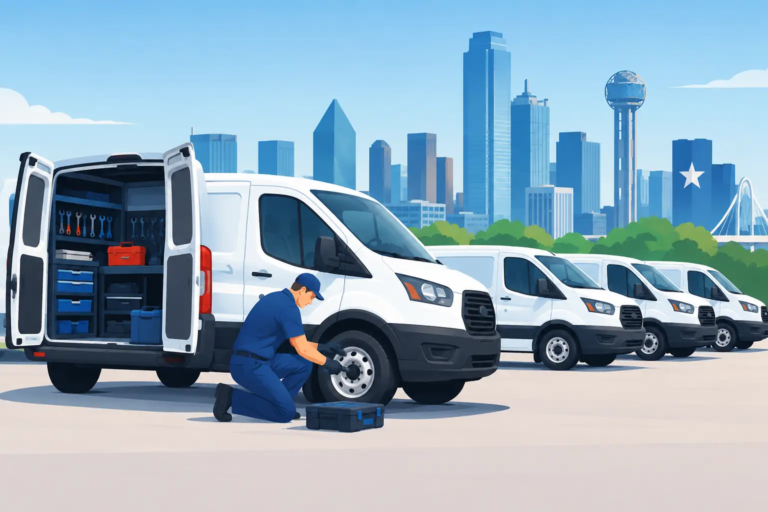
Mobile fleet repair brings a qualified specialist to your yard, office, depot, school district, or other agreed location. The technician works where the vehicle is already parked, allowing you to coordinate repairs around dispatch times, driver shifts, or scheduled downtime.
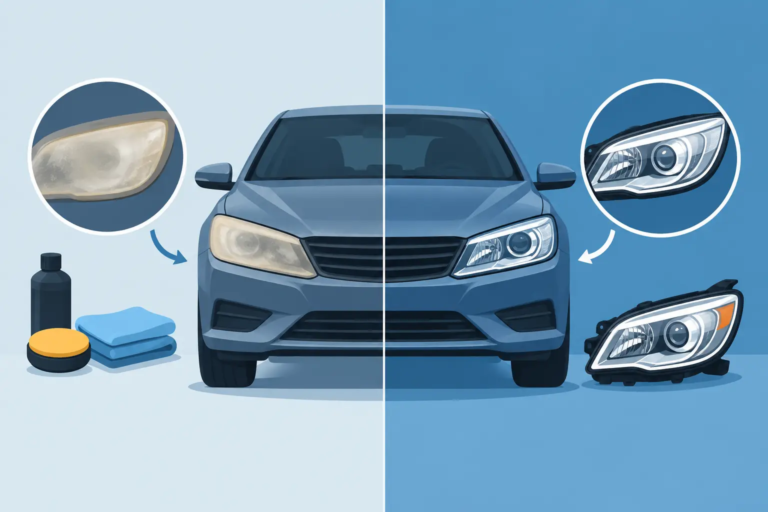
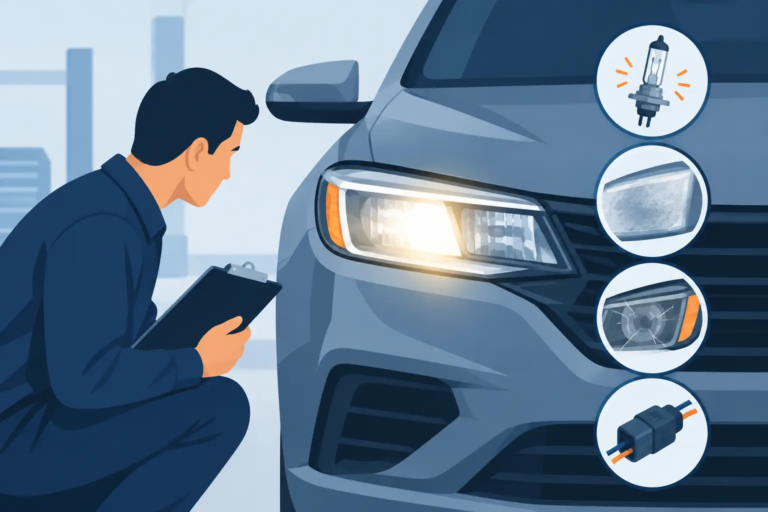
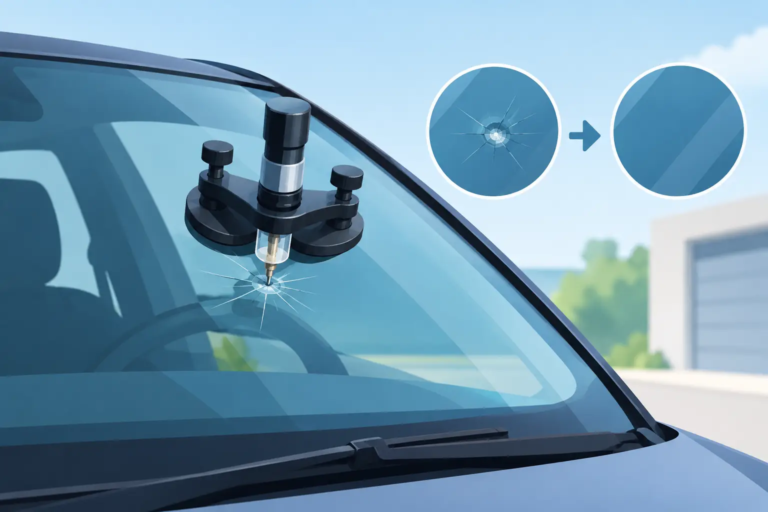
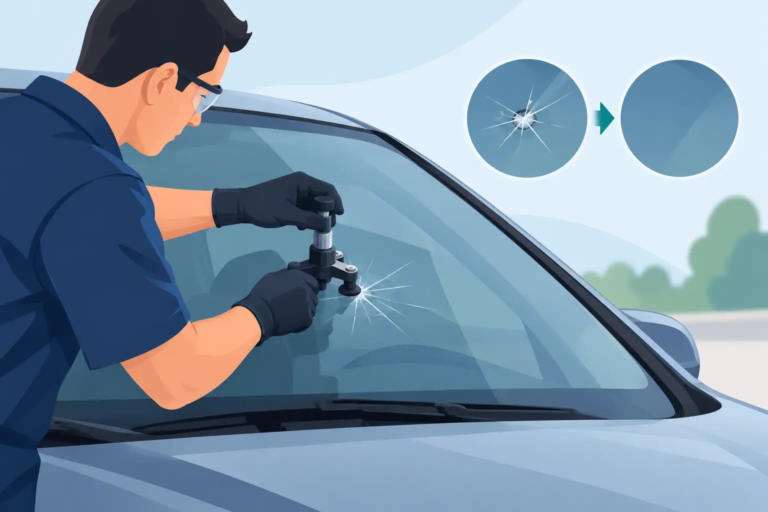
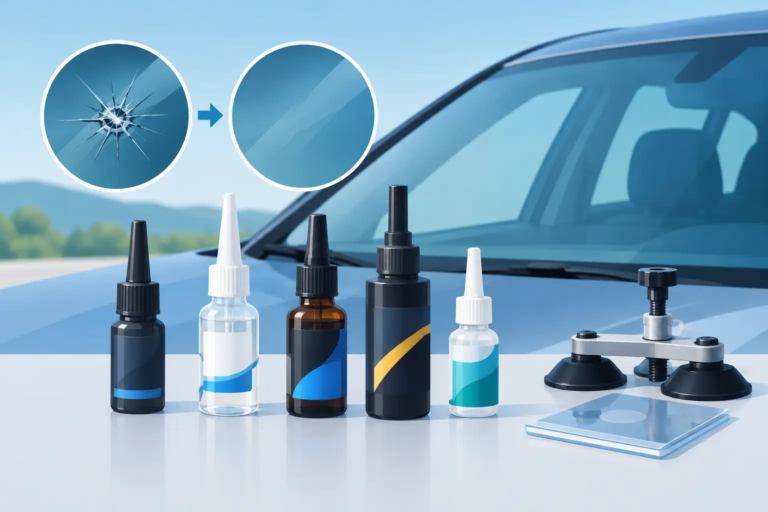
The advantage is especially clear when the damage is repairable. A windshield chip does not always need a new windshield. Yellowed headlights do not always need replacement assemblies. Light surface scratches may not require a body shop visit. A specialist can inspect the damage, explain whether repair is realistic, and restore the existing component whenever possible.
Downtime Is Usually the Biggest Cost
Fleet maintenance decisions are often judged by the invoice total. That is understandable, but it can miss the larger cost. A vehicle parked at a repair shop may still be costing you money through missed routes, delayed jobs, replacement rentals, overtime, or schedule changes.
With mobile service, the vehicle does not need to make a separate trip for an eligible repair. A technician can complete work while a truck is parked between jobs or while a school bus is off route. For rental fleets, repairs can be scheduled during vehicle turnover rather than taking a unit to another location.
This does not mean every mobile repair is instant or that every vehicle can remain in service during the work. Windshield repair requires a clean, stable work area, and the repair needs appropriate curing time. Still, the difference between a planned on-site service visit and an unplanned half-day shop trip can be substantial.
The hidden expense of shop visits
A shop appointment may involve more than the posted repair price. Consider the driver time, fuel, mileage, dispatch changes, and lost use of the vehicle. If a fleet vehicle must wait in line behind other customers, the schedule becomes even harder to control.
For a small fleet, that may be an occasional inconvenience. For a large operation, it becomes a repeatable operational problem. Mobile repair lets managers consolidate several eligible vehicles into one service stop, reducing interruptions across the fleet.
When Mobile Service Is the Better Choice
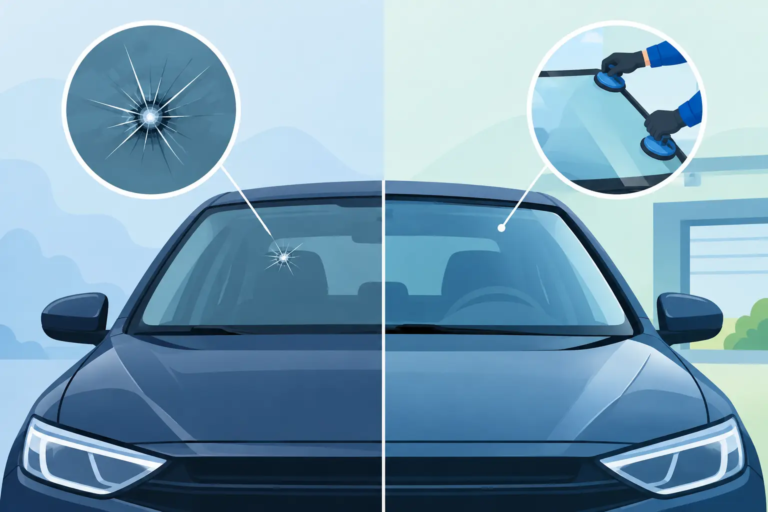
Mobile repair is a strong fit when the damage is localized, repairable, and accessible at a safe work location. Windshield chips and many short cracks are common examples. Addressing them quickly can prevent contaminants and moisture from entering the damaged area and can reduce the chance that the crack spreads across the glass.
Headlight restoration is another practical mobile service for fleet vehicles. Cloudy lenses reduce light output and make otherwise well-maintained vehicles look older than they are. Restoring the lens can improve appearance and visibility without immediately replacing the entire headlight assembly.
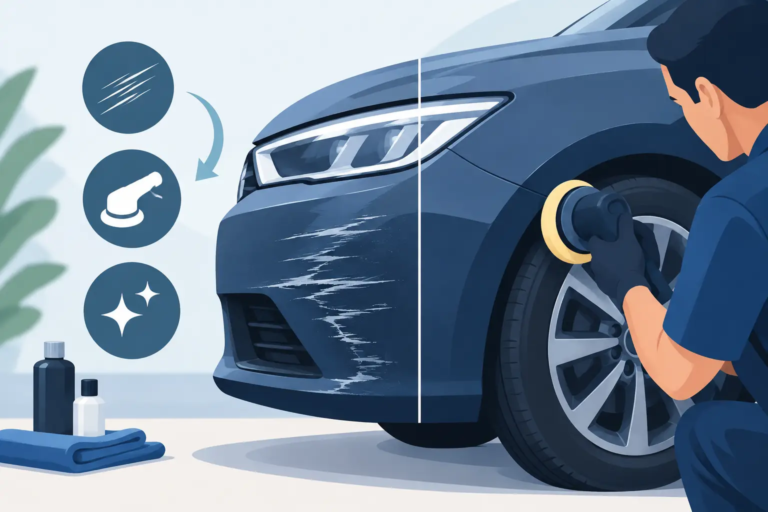
Surface scratch removal can also be valuable for rental cars, sales vehicles, company cars, and trucks that need to maintain a professional appearance. Not every scratch can be fully removed, especially if it has penetrated deeply into the paint or coating. But a specialist assessment can separate repairable cosmetic damage from damage that truly needs bodywork.
Mobile service works best when your fleet has a place to park vehicles safely, enough room for the technician to work, and a schedule that allows vehicles to remain still for the repair. A covered bay is helpful in poor weather, though many jobs can be completed outdoors when conditions are suitable.
When a Repair Shop Makes More Sense
There are times when a shop is the right choice. Major collision damage, severe glass breakage, structural concerns, advanced paint damage, or work requiring lifts and extensive equipment may be beyond the scope of a mobile repair visit.
A full windshield replacement may also require a controlled installation process, depending on the vehicle, the glass type, and the condition of the surrounding frame. If rust, body damage, or a prior poor installation is involved, the vehicle may need more extensive attention than a mobile repair can provide.
The same is true when damage affects safety systems. Many newer vehicles have cameras and driver-assistance features connected to the windshield area. Replacement and calibration requirements should be handled correctly, not rushed because a fleet is under pressure.
The point is not to force every issue into a mobile solution. It is to avoid sending repairable problems to a replacement-focused process when a skilled repair can save time and money.
Repair First Can Protect Your Fleet Budget
Replacing components before replacement is necessary can drive costs up quickly. Windshields, headlight assemblies, and cosmetic body repairs can become expensive across a fleet, particularly when the same types of damage happen repeatedly.
A repair-first approach gives you more control. Instead of treating every chip as a replacement claim or every hazy headlight as a parts order, you can evaluate the damage and make a cost-conscious decision. In many cases, early attention is the deciding factor. A small windshield chip repaired promptly is typically a much simpler job than a long crack that has been exposed to weeks of vibration, temperature changes, dirt, and moisture.
That approach also supports better fleet presentation. A clean windshield, clear headlights, and well-kept vehicle surfaces tell customers, passengers, and drivers that the operation takes care of its equipment. For school transportation, rental fleets, service businesses, and commercial trucks, appearance is part of trust.
How to Choose the Right Fleet Repair Partner
The best provider is not simply the one who can arrive first. Look for a specialist who evaluates repairability honestly, communicates clearly, and understands that fleet schedules are different from consumer appointments.
Ask whether the provider can service multiple vehicles at one location, work around your operating hours, document completed repairs, and advise when replacement is actually required. A dependable guarantee matters too. Fleet managers need confidence that a repair is being performed to last, not just to get a vehicle through the day.
At SuperGlass Denton, the focus is on specialist repair for windshields, headlights, and vehicle surfaces, with mobile service designed to reduce the disruption of getting vehicles to a shop. That matters when your vehicles support busy North Texas routes, customers, and crews.
Build Repairs Into Your Fleet Routine
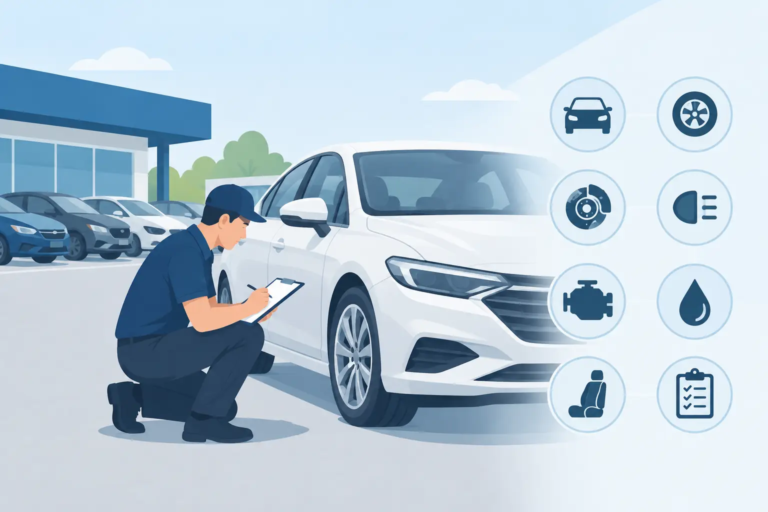
The best time to address a chip, haze, or scratch is usually before it becomes a larger problem. Add quick glass and headlight checks to regular walkarounds, vehicle washes, or scheduled maintenance reviews. Drivers should know to report damage early, especially windshield chips and cracks.
Then group eligible repairs together instead of handling each one as an emergency. A planned mobile service visit can restore several vehicles in a single stop and help keep your fleet looking professional without pulling units from the work they need to do.
A repair shop will always be necessary for some jobs. But when the damage is repairable, bringing the specialist to your fleet can be the smarter way to protect your vehicles, your schedule, and your budget.