
A windshield can look perfectly fine in the driveway, then turn into a streaked, hazy distraction the moment the North Texas sun hits it. Glass polishing for wiper marks can often improve that clarity without replacing the windshield, but only when the marks are truly surface-level. The key is knowing whether you are looking at residue, light abrasion, or glass damage that has gone too deep for polishing.
For drivers in Denton, Plano, Frisco, McKinney, Lewisville, Carrollton, and nearby communities, that distinction can save time and money. A proper inspection helps avoid paying for a new windshield when a specialist repair is the better answer – and helps avoid a disappointing polish when replacement is the safer option.
What Wiper Marks Really Are
Not every mark left in the wiper path is a scratch. Many windshields develop a cloudy arc where the blades travel, especially after months of dust, road grit, hard-water spots, and worn rubber passing across the glass. In North Texas, dry conditions and airborne debris make this especially common.
Sometimes the visible mark is a film. Tree sap, minerals, washer-fluid residue, road grime, or tiny particles embedded in the blade can create smears that seem permanent until the glass is professionally cleaned. This is the best-case scenario because the windshield itself may be undamaged.
Other times, a wiper blade has dragged grit across the surface and left fine scratches. These shallow marks may be most noticeable at night, in rain, or when headlights shine toward you. The glass can still feel smooth or only slightly rough, yet the light distortion becomes hard to ignore.
The concern increases when a scratch catches your fingernail, appears white or sharply defined, or sits directly in the driver’s primary viewing area. At that point, it may be too deep for a safe cosmetic correction. A professional should assess it before anyone starts polishing aggressively.
When Glass Polishing for Wiper Marks Makes Sense
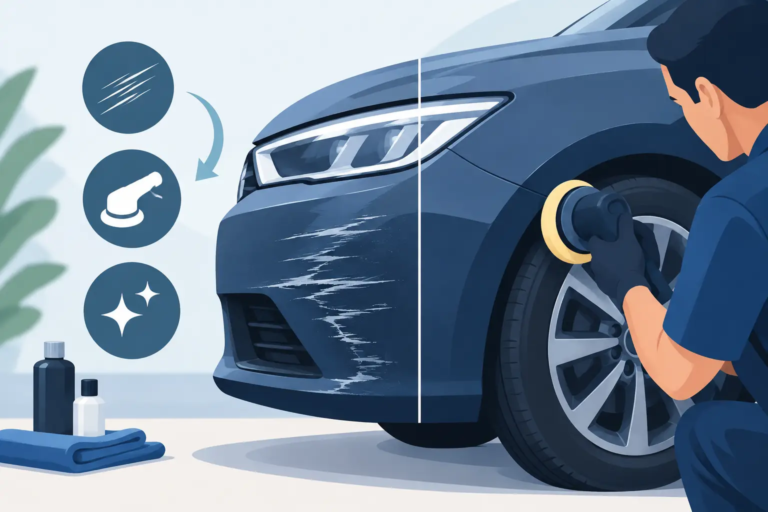
Professional glass polishing for wiper marks is designed for light surface damage, not every scratch on every windshield. The process uses controlled abrasives and polishing methods to reduce fine defects and restore a more even surface. Done correctly, it can remove or greatly reduce wiper haze, light blade marks, and stubborn surface contamination.
The most repairable marks are usually broad, faint, and limited to the top layer of glass. They may be visible in certain lighting but are not deeply grooved. In these cases, polishing can improve visibility and appearance while helping you avoid the cost and inconvenience of a full windshield replacement.
There is a trade-off. Glass is hard, and correcting it requires precision. Removing too much material from one area can create optical distortion, especially on a windshield. That is why a quick do-it-yourself attack with harsh compounds, drill attachments, or heavy pressure can make a small visibility issue worse.
A specialist will first identify what is actually on and in the glass. If the issue is residue, polishing may not even be necessary. If it is a shallow scratch, the repair approach can be matched to the severity and location of the damage. If the scratch is deep, replacement may be the responsible recommendation.
Signs Your Windshield May Be a Good Candidate
A windshield is often worth evaluating for polishing when the wiper path looks cloudy, fine scratches only show in bright sunlight or oncoming headlights, and the damage does not catch a fingernail. It is also a good option when the marks are outside the most critical area of the driver’s view.
The condition of the glass matters as much as the mark itself. A windshield with no major cracks, edge damage, or widespread pitting has a better chance of benefiting from surface restoration. An inspection gives you a clear answer instead of a guess.
When Polishing Is Not the Right Repair
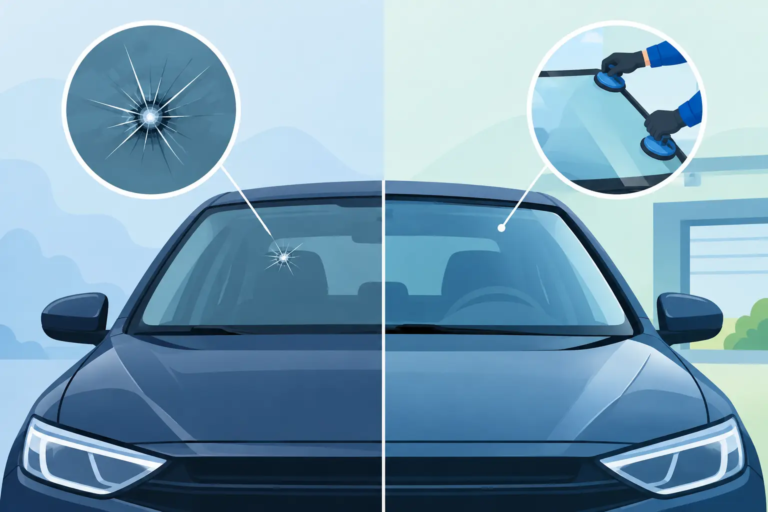
Polishing cannot restore glass that has been deeply gouged or structurally compromised. A scratch that catches a fingernail may extend too far below the surface. Heavy sand pitting, long cracks, chips with spreading legs, and damage near the windshield edge can also change the recommendation.
Visibility comes first. Even if a deep scratch can be made less noticeable, it may not be wise to alter the glass enough to chase a perfect cosmetic result. A reputable repair provider will tell you when the realistic outcome is improvement rather than complete removal – and when replacement is the better path.
Why Wiper Marks Keep Coming Back
A polished windshield will not stay clear for long if the source of the damage remains. Wiper blades are often the real culprit. Rubber hardens in heat, the edge tears, and dust or metal fragments can become trapped against the glass. Once a blade starts chattering, skipping, or leaving streaks, it is no longer doing its job.
Windshield contamination is another common cause. Parking under trees, driving through construction areas, and regular highway commuting all leave material on the glass. Running dry or dirty wipers across that buildup creates friction where you need clear vision most.
After the glass has been restored, replace worn blades promptly and keep the windshield clean with products made for automotive glass. Make sure washer fluid is topped up, particularly before a road trip or a rainy week. Cleaning the rubber edge of newer blades with a soft cloth can also remove grit before it becomes a problem.
Avoid using abrasive household cleaners, rough paper towels, or scouring pads on the windshield. They can leave their own fine marks and make it harder to tell whether the original wiper damage has improved.
What a Professional Inspection Should Cover
A proper windshield evaluation is not just a glance through the glass. The technician should check the depth and location of the marks, inspect the wiper sweep area, and look for chips, cracks, pitting, or prior repairs that affect the decision. Lighting matters, too. Damage that disappears in shade can be obvious under direct sun or at night.
For fleet vehicles, this assessment is especially useful. Trucks, school buses, and rental vehicles spend more time on the road and encounter more debris, so minor windshield issues can spread across multiple vehicles quickly. Addressing wiper-related damage early can reduce downtime and help keep drivers comfortable and focused behind the wheel.
Mobile service adds another practical advantage. Instead of arranging a shop visit and taking a vehicle out of service for the day, a qualified technician can assess the glass at your home, office, or fleet location. That convenience matters when a repair can preserve an existing windshield rather than sending the vehicle into a replacement schedule.
Do Not Confuse Better With Perfect
The right goal for shallow wiper marks is clear, safer visibility and a cleaner-looking windshield. Some damage can disappear. Other marks can be reduced enough that they no longer pull your eye away from the road. The final result depends on the depth of the damage, the type of glass, and where the marks sit in your field of view.
Be cautious with anyone who promises that every scratch will vanish. Good repair work starts with an honest assessment, not an automatic sales pitch for polishing or replacement. SuperGlass Denton focuses on repair-first solutions because preserving a serviceable windshield is often the most cost-effective choice for drivers and fleet operators.
If your wiper path looks hazy, scratched, or distracting in sunlight, have it inspected before the next rainstorm makes the problem more obvious. Replacing tired wiper blades and getting a straight answer on the glass now can make every drive clearer.