
A small windshield chip can become a fleet problem fast. One truck parked for glass service can throw off deliveries. A school bus with a growing crack may need to be pulled from its route. A rental vehicle with damaged glass can miss its next reservation. Knowing how fleet glass repairs work helps managers act while the damage is still repairable, not after it has become a costly replacement and a day of downtime.
For fleets in Denton, Collin County, and surrounding North Texas, the goal is simple: keep safe vehicles moving, control maintenance costs, and avoid disruptions that do not need to happen. Mobile repair makes that possible by bringing a specialist to the yard, jobsite, office, or vehicle location.
How Fleet Glass Repairs Work on Site
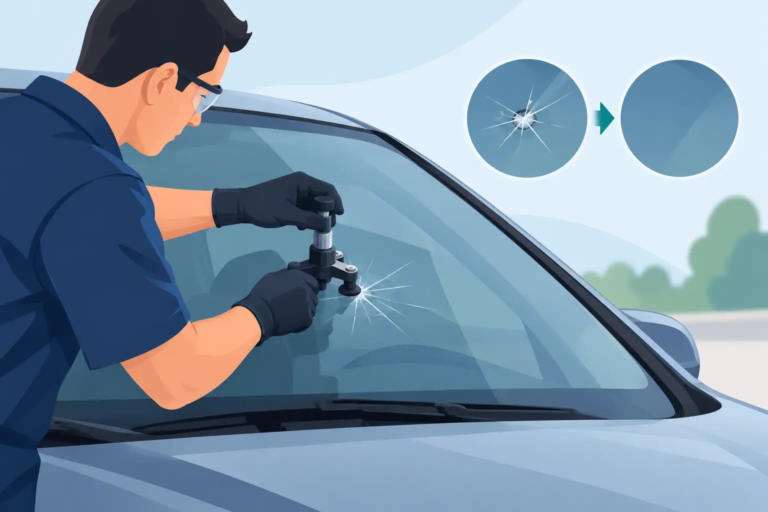
Fleet windshield repair is a controlled restoration process, not a quick cosmetic cover-up. The technician first inspects the damage, then determines whether repair is the safe and practical choice. If it is, the damaged area is cleaned, stabilized, filled with a specialized resin, and cured to restore strength and improve visibility.
A proper evaluation comes first because not every chip or crack should be repaired. The type of glass, location of the damage, size of the break, contamination, and whether the crack is still spreading all matter. A specialist should be willing to say when replacement is the better call. Repairing damage that does not meet safe repair standards is not a cost-saving decision.
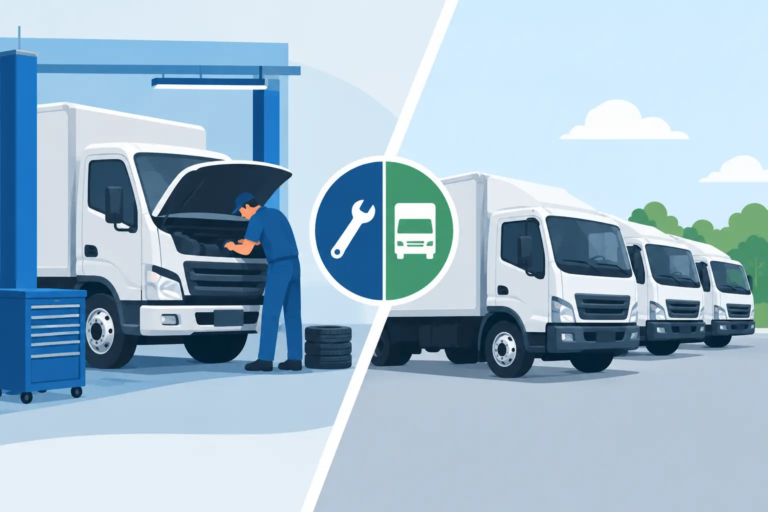
For repairable windshield damage, mobile service removes much of the disruption. Rather than sending individual drivers to a shop and arranging rides back to the yard, a technician can work where the vehicles are already parked. That is particularly useful for service vans, work trucks, school buses, municipal vehicles, rental fleets, and company cars that cannot sit out of service for long.
Step 1: Damage Is Inspected and Prioritized
The first task is identifying which vehicles need attention now. A fleet manager may spot obvious chips during walkarounds, but drivers often find damage first after highway travel, construction-zone exposure, or a sudden temperature change. A small impact point may look minor while a crack beneath the glass surface continues to grow.
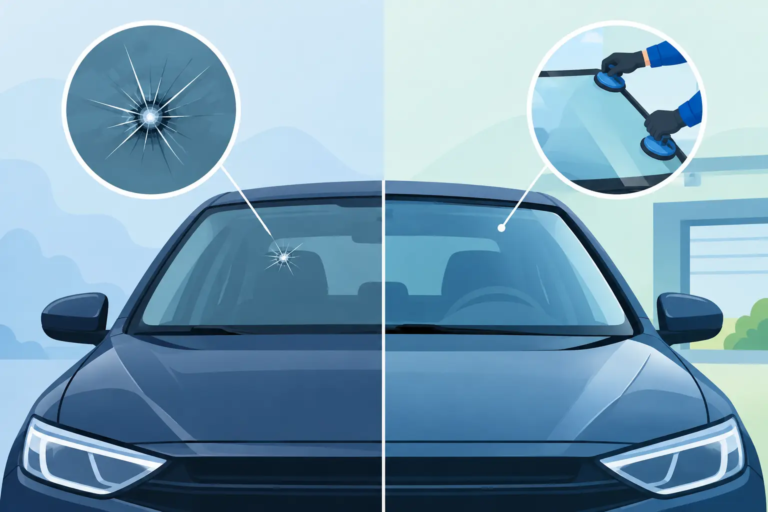
During inspection, the technician looks at the damage pattern and its position on the windshield. A repair may be appropriate for many chips, bullseyes, stars, and short cracks, especially when they are addressed quickly. Damage near the edge of the windshield, in a critical viewing area, or involving extensive cracking may require replacement instead.
Timing makes a real difference. Dirt, moisture, washer fluid, and road grime can enter an open break and reduce the appearance of the final repair. Heat also puts stress on windshield glass. In North Texas, a chip exposed to intense sun and then cold air conditioning can spread with little warning. Reporting damage early gives the fleet more repair options.
Step 2: The Break Is Cleaned and Prepared
Once a repair is approved, the damaged area is prepared so the resin can bond correctly. The technician removes loose glass fragments and surface contamination from the impact point. In some cases, a small amount of controlled access is needed to help the resin reach the full damaged area.
This preparation matters because windshield glass is laminated. It consists of two layers of glass bonded around a plastic inner layer. A chip can create tiny fractures within the outer glass layer. The repair process is designed to fill those fractures before they spread further.
Windshields are different from most side and rear windows. Many side and back windows use tempered glass, which is designed to shatter into small pieces when broken. That kind of glass typically cannot be repaired after it breaks and usually needs replacement. A fleet glass specialist will identify the glass type before recommending work.
Step 3: Repair Resin Is Injected Under Pressure
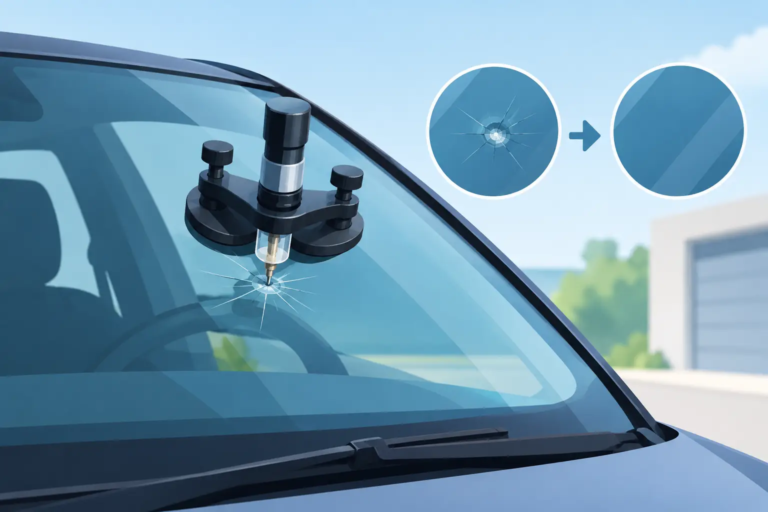
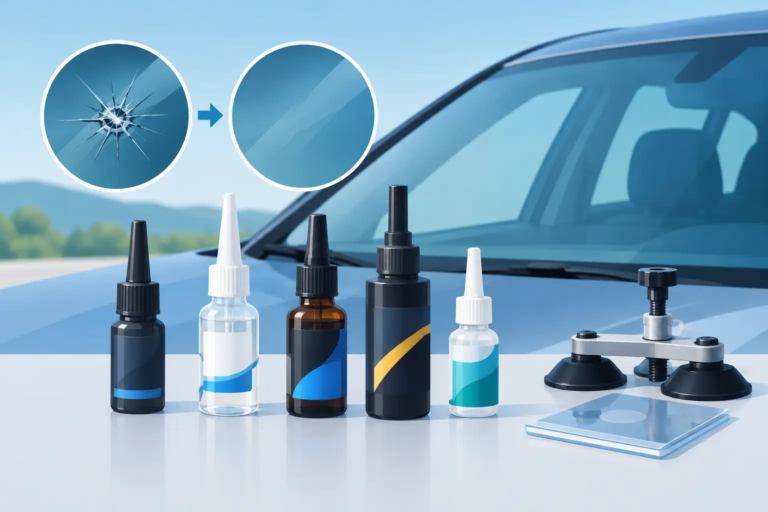
The technician places a repair bridge over the damaged area and injects a clear, high-quality resin. Using controlled pressure and vacuum cycles, the process draws air out of the break and pushes resin into the damaged channels.
The goal is not merely to make the chip less noticeable. The resin helps restore structural integrity to the damaged outer layer of the windshield and reduces the risk of the damage spreading. A good repair often makes the break far less visible, but a repaired chip may not disappear completely. The final appearance depends on the age of the damage, its shape, how much dirt entered it, and where it sits in the glass.
That distinction matters for fleets. The primary value of windshield repair is preserving a serviceable windshield and avoiding unnecessary replacement. Better appearance is a valuable second benefit, especially for customer-facing vehicles and rental units.
Step 4: The Resin Is Cured and the Surface Is Finished
After the resin fills the damage, it is cured with ultraviolet light. This hardens the resin so it can support the repaired area. The technician then levels and polishes the surface, leaving the windshield smooth and ready for use.
Most standard chip repairs can be completed quickly, which is why fleets benefit from catching them early. Larger or more complex damage can take longer, and scheduling may depend on vehicle access, weather conditions, and the number of units needing service. A mobile provider should coordinate the work around dispatch times and vehicle availability whenever possible.
Why Mobile Fleet Glass Repair Protects Uptime
For a fleet, the expense of a windshield is only part of the cost. There is also the driver time, missed route, replacement scheduling, vehicle relocation, and administrative effort tied to getting that glass replaced. Repair can reduce those indirect costs when the damage qualifies.
Mobile service is especially practical when several vehicles need attention at once. Instead of treating each chip as a separate emergency, managers can collect reported damage and schedule an on-site repair visit. This creates a more predictable maintenance process and helps prevent small issues from becoming a string of urgent replacements.
There is a trade-off. Waiting to bundle repairs can be efficient, but waiting too long can allow a repairable chip to turn into a replacement job. The right approach is to prioritize active cracks, damage affecting the driver’s view, and vehicles heading into heavy daily use. Stable, minor chips may be scheduled with the next on-site visit if a specialist confirms they can safely wait.
What Fleet Managers Can Do Between Service Visits
Drivers do not need technical glass knowledge to help protect repair options. They do need a simple reporting process. Ask them to report chips and cracks as soon as they see them, preferably with the vehicle number, location of the damage, and a clear photo when practical.
Until the glass is inspected, drivers should avoid pressing on the damaged area, blasting the defroster directly onto a cold windshield, or washing the chip with high-pressure water. Keeping the break dry and free of dirt can improve the chance of a clean repair. If a chip occurs in rainy conditions, covering it temporarily with clear tape can help keep contamination out, as long as the glass is dry before the tape is applied.
A regular walkaround program also helps. Windshield damage is easier to manage when it is part of normal vehicle inspection, just like tires, lights, mirrors, and fluid levels. This is particularly valuable for vehicles that spend long hours on highways, gravel roads, construction sites, or routes with frequent stop-and-go traffic.
Repair or Replacement: Make the Call With an Expert
The cheapest option is not always the right one, and replacement is sometimes necessary. A severely cracked windshield, damage that compromises the driver’s view, broken tempered glass, or an issue affecting advanced driver-assistance camera calibration may require a different service plan. The right provider will explain the recommendation clearly rather than forcing every situation into a repair.
When repair is appropriate, it is one of the smartest ways to protect fleet uptime. SuperGlass Denton brings specialist mobile service to fleet locations, helping North Texas operators address repairable windshield damage before it grows into a larger interruption.
The best fleet glass strategy starts before the next crack spreads: make reporting easy, inspect damage quickly, and bring in a repair specialist while saving the existing windshield is still possible.